
Table of Contents >> Show >> Hide
- What Is Mexchic Design?
- The Mexchic Brand: Oaxaca, Textiles, and Slow Design
- Why Mexican Craft Feels So Modern Right Now
- Talavera Tile: Pattern With Pedigree
- Otomi Embroidery and the Art of the Graphic Textile
- Furniture: Equipale, Butaque, Acapulco, and Beyond
- Color: Bold, Earthy, and Emotionally Intelligent
- Materials That Make Mexchic Feel Expensive
- Room-by-Room Mexchic Design Ideas
- How to Shop Ethically for Mexchic Style
- Common Mexchic Design Mistakes to Avoid
- Why Mexchic Works in American Homes
- Experiences and Reflections: Living With Mexchic Style
- Conclusion
Mexchic is what happens when Mexican craft walks into a high-design room and politely refuses to sit in the corner. It is not “theme decor.” It is not a sombrero-shaped fruit bowl. It is a modern, tactile, artful design language built from wool, cotton, clay, color, handwork, history, and the kind of confidence that makes beige nervous.
At its heart, Mexchic is about high-style Mexican design: interiors and home goods that honor traditional craftsmanship while feeling completely at home in contemporary spaces. Think handwoven rugs, embroidered blankets, sculptural ceramics, sun-warmed plaster walls, graphic tile, modernist furniture, and a sense of hospitality that says, “Come in, stay longer, and yes, the chair is actually comfortable.”
The name also connects directly to Mexchic, the Oaxaca-based textile and design brand founded by Christina Hattler, known for handmade homewares and clothing created in collaboration with Mexican artisans. But the phrase has grown into something broader: a shorthand for Mexican-inspired interiors that feel elevated, soulful, and deeply personal. Done well, Mexchic design is not a costume. It is a conversation between old and new, rustic and refined, local and global.
What Is Mexchic Design?
Mexchic design blends the richness of Mexican craft with the polish of modern interiors. It borrows from regional traditions without flattening them into clichés. It can be bold and colorful, but it can also be quiet, earthy, and minimalist. The magic is in the tension: a hand-loomed wool rug under a sleek glass table, a Talavera tile backsplash in an otherwise clean-lined kitchen, or an Otomi-inspired embroidered pillow resting on a low modern sofa.
Unlike fast decor trends that appear, shout, and vanish, Mexchic has roots. Mexican interiors have long embraced natural materials such as clay, stone, wood, iron, leather, wool, and cotton. These materials age beautifully, which is interior-design code for “still looks good after real humans live with it.” Instead of chasing perfection, the style celebrates texture, irregularity, and the visible touch of the maker.
The Core Ingredients of Mexchic Style
To understand Mexchic, start with five ingredients: craft, color, texture, architecture, and restraint. Craft gives the style its soul. Color gives it emotional voltage. Texture keeps it grounded. Architecture creates drama through courtyards, arches, plaster, and light. Restraint keeps everything from turning into a souvenir shop after a very enthusiastic vacation.
The best Mexchic rooms are layered but edited. They may include a woven blanket, a carved wood bench, a ceramic vessel, and one bold wall color, but each piece has room to breathe. This is important. When everything is a statement piece, the room starts arguing with itself.
The Mexchic Brand: Oaxaca, Textiles, and Slow Design
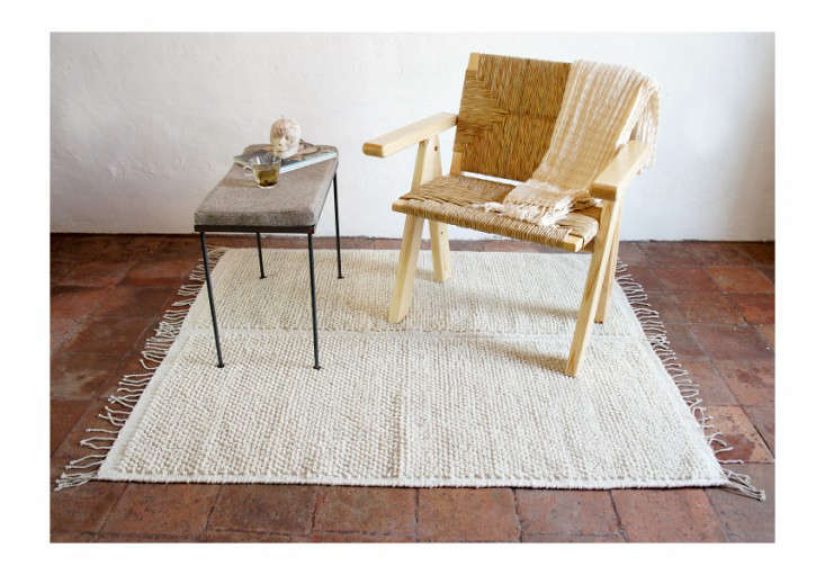
The Oaxaca-based Mexchic brand reflects the values that make this design movement so compelling. Its work centers on handwoven, handmade clothing and homewares produced in collaboration with Mexican artisans. Remodelista’s feature on Mexchic highlighted wool rugs, hand-loomed blankets, floor pillows, and embroidered pieces that combine contemporary geometry with traditional making techniques.
One standout example is the brand’s use of hand-spun and loomed wool. Rather than hiding the handmade process, Mexchic lets it become the design. A shag rug is not just a rug; it is a field of texture. A blanket is not just something to throw over a sofa when company arrives; it is a textile object with structure, rhythm, and warmth. This is high-style design with fingerprints.
Mexchic also shows how Mexican design can be modern without becoming sterile. Many pieces use neutral palettescream, charcoal, gray, bone, blackthen introduce interest through weave, fringe, embroidery, or scale. That is a smart lesson for anyone who loves Mexican design but does not want every room to look like a festival exploded in the entryway.
Why Mexican Craft Feels So Modern Right Now
Mexican craft is having a strong design moment because it answers what many contemporary interiors are missing: warmth, individuality, and human presence. After years of cool minimalism, people want homes that feel lived-in, layered, and emotionally awake. Mexican design offers that without sacrificing sophistication.
This is especially visible in modern Mexican homes featured by leading design publications. Contemporary residences in Mexico City, Mérida, Punta Mita, and Baja often combine clean architecture with local craft, lush courtyards, handmade surfaces, and artful color. The result is neither purely traditional nor purely modern. It is a fresh design language that knows its history and still has excellent shoes.
Mexican Modernism: The Elegant Backbone
Mexchic style is not only about textiles and tile. It also draws energy from Mexican modernism, especially the work of architect Luis Barragán. Barragán’s interiors and courtyards used color, light, shadow, and simple planes to create emotional spaces. His pink walls, yellow corridors, reflective pools, and quiet compositions proved that modernism did not have to be cold. It could be serene, spiritual, and dramatic enough to make a white-box apartment blush.
Designer Clara Porset is another essential reference. Her work helped shape modern furniture design in Mexico by blending craft, ergonomics, and modernist ideals. Pieces such as the butaque chair show how local forms can become refined design objects without losing their character. That same spirit runs through Mexchic interiors today: respect the origin, refine the form, and never confuse simplicity with emptiness.
Talavera Tile: Pattern With Pedigree
No conversation about high-style Mexican design is complete without Talavera. Talavera pottery and tile are strongly associated with Puebla, Mexico, where tin-enameled earthenware developed into one of the country’s most recognizable ceramic traditions. The appeal is easy to understand: vivid color, hand-painted pattern, glossy surfaces, and enough personality to rescue the saddest rental kitchen.
In Mexchic interiors, Talavera works best as an accent rather than a blanket solution. Use it on stair risers, a fireplace surround, a bathroom niche, a kitchen backsplash, or a tabletop. A small area of hand-painted tile can carry an entire room. Too much, and your walls may begin performing mariachi at breakfast.
For a contemporary look, pair Talavera with calm materials: white plaster, honed stone, natural wood, black iron, or simple linen. The contrast lets the tile feel intentional rather than busy. Traditional pattern becomes modern when it is framed with confidence.
Otomi Embroidery and the Art of the Graphic Textile
Otomi-style embroidery is another beloved element in Mexican-inspired interiors. Known for lively animal, plant, and symbolic motifs, these textiles can bring movement and storytelling into a room. They are often used as pillows, wall hangings, bedcovers, or framed textile art.
The key is placement. A large embroidered textile over a bed can become the room’s focal point. A pair of pillows can wake up a neutral sofa. A framed panel can add cultural texture to a hallway or dining room. For a more elevated effect, avoid mixing too many competing motifs. Let the embroidery be the lead singer, not one of twelve people fighting for the microphone.
Furniture: Equipale, Butaque, Acapulco, and Beyond
Mexchic furniture is about form, material, and attitude. Equipale chairs, traditionally made with wood and leather, bring rustic sculptural charm. Butaque-inspired seating offers a low, relaxed silhouette with historical depth. The Acapulco chair, with its woven vinyl cord and airy frame, adds midcentury playfulness and works indoors or out.
These pieces succeed because they are both useful and expressive. They have shape. They have texture. They do not need twelve decorative pillows to prove they belong. In a modern home, one Mexican statement chair can soften a room full of straight lines and polished surfaces.
How to Mix Mexican Furniture Without Overdoing It
Start with one hero piece. It might be an equipale lounge chair, a carved wood console, a leather sling chair, or a handwoven bench. Then build around it with quieter supporting players: a plaster lamp, a wool rug, a linen curtain, or a ceramic bowl. A room should feel collected, not purchased as a “Mexican style kit” from the land of questionable taste.
Color: Bold, Earthy, and Emotionally Intelligent
Mexican interiors are famous for color, but Mexchic design uses color with intention. The palette may include bougainvillea pink, cactus green, indigo blue, marigold yellow, terracotta, chili red, bone white, charcoal, and sunbaked clay. These colors feel alive because they are tied to landscape, food, architecture, textiles, and everyday culture.
For a modern version, choose one dominant neutral, one earthy anchor, and one vivid accent. For example, try limewashed white walls, terracotta flooring, and a cobalt blue ceramic lamp. Or combine charcoal upholstery, a cream wool rug, and a pink plaster accent wall. The trick is to give color a job. It should define, warm, frame, or surprisenot simply scream “look at me” from every corner.
Materials That Make Mexchic Feel Expensive
The high-style side of Mexchic comes from material honesty. Natural wool looks richer than synthetic fuzz. Solid wood ages better than veneer trying its best. Hand-thrown ceramics have more presence than factory-perfect accessories. Wrought iron, leather, clay, stone, cotton, and plaster all bring depth that cannot be faked with a printed pattern and good intentions.
Texture is especially important. A room with plaster walls, a woven rug, a leather chair, a clay pot, and a linen curtain can feel luxurious even when the color palette is restrained. That is because the eye has something to explore. In design, texture is the quiet friend who makes the party better without announcing it on social media.
Room-by-Room Mexchic Design Ideas
Living Room
Begin with a handwoven wool rug or flat-weave textile. Add a low sofa in linen or leather, then bring in a carved wood coffee table, ceramic vessels, and one strong accent chair. Keep the walls warm and simple. If you want drama, use a large textile as wall art or paint one architectural feature in a saturated color.
Kitchen
A Mexchic kitchen does not need to be loud. Try Talavera tile on a backsplash, open wood shelves, iron hardware, clay cookware, and pendant lights with woven or metal details. White plaster or warm neutral walls will keep the room fresh. Add color through bowls, tiles, or textiles rather than every cabinet surface.
Bedroom
Mexchic bedrooms work beautifully when they are soft and tactile. Use a hand-loomed blanket, cotton bedding, a wool throw, and simple wood furniture. A single embroidered pillow or woven wall hanging can add personality without disturbing the calm. The goal is “restful retreat,” not “craft market at midnight.”
Bathroom
Bathrooms are perfect for patterned tile because the space is usually smaller. Use Talavera in a shower niche, behind a sink, or around a mirror. Pair it with brass, black iron, natural stone, or plaster. Add a clay vase with greenery and suddenly the room has more personality than most people’s living rooms.
Outdoor Spaces
Mexican design shines outdoors. Courtyards, patios, and terraces can use terracotta pots, woven chairs, painted walls, ceramic lanterns, hammocks, and drought-tolerant plants. Bougainvillea, agave, cactus, and citrus trees fit the mood beautifully. Add a long table, and you have a dinner party waiting to happen.
How to Shop Ethically for Mexchic Style
Because Mexchic design is rooted in craft, shopping thoughtfully matters. Whenever possible, buy from brands, cooperatives, galleries, or shops that name the artisans, regions, materials, and processes behind their pieces. Look for handmade textiles, natural dyes, fair compensation, and transparent sourcing. A cheaper copy may look similar in a photo, but it usually lacks the quality, story, and economic respect that make the original meaningful.
Ethical design also means understanding that Mexican craft is not one single style. Oaxaca, Puebla, Chiapas, Jalisco, Yucatán, Michoacán, and other regions each have their own materials, patterns, and traditions. A high-style home does not need to explain all of that like a museum label, but it should avoid treating culture as decoration without context.
Common Mexchic Design Mistakes to Avoid
The first mistake is over-theming. A few excellent pieces will always look better than a room packed with clichés. The second mistake is using color without balance. Bright walls, patterned tile, embroidered textiles, painted furniture, and folk art can all be wonderfulbut not necessarily all in the same six-foot corner.
The third mistake is ignoring scale. A tiny rug floating under a large sofa will make even the finest textile look apologetic. Choose pieces with enough size and presence to matter. The fourth mistake is buying only decorative objects and forgetting architecture. Mexchic style is strongest when walls, floors, light, plants, and furniture work together.
Why Mexchic Works in American Homes
Mexchic design fits American homes because it is flexible. In a California bungalow, it can lean into Spanish Revival details, terracotta, and indoor-outdoor living. In a New York apartment, it can appear as a handwoven rug, a sculptural chair, and a bold artwork. In a desert home, it can emphasize plaster, clay, cactus, and shadow. In a suburban house, it can bring warmth to spaces that were previously sentenced to life in gray laminate.
The style also offers an antidote to disposable decor. A handmade blanket, a ceramic lamp, or a woven rug can move from room to room and gain character over time. Mexchic pieces do not have to match perfectly. In fact, they are better when they look collected slowly, with curiosity and care.
Experiences and Reflections: Living With Mexchic Style
The real beauty of Mexchic design is how it changes the experience of a home. A room influenced by Mexican craft does not simply look better; it feels more awake. You notice the weave under your hand, the slight irregularity in a ceramic bowl, the way afternoon light warms a terracotta floor, the graphic edge of a black iron chair against a white wall. These details are small, but they create atmosphere. And atmosphere is what separates a home from a furniture showroom with better snacks.
Imagine walking into a living room anchored by a cream handwoven rug. The sofa is simple, maybe linen, maybe leather. A charcoal blanket rests across one arm, not folded with military precision but casually, as though someone actually lives there. On the wall is a framed embroidered textile with animals and vines dancing across the fabric. A clay vessel sits on the table holding branches. The space feels modern, but not cold. It feels designed, but not stiff. You can put your feet up without feeling judged by the coffee table.
That is the practical genius of Mexchic. It makes room for life. The handmade quality of the pieces means they already contain variation, so everyday use does not ruin the design; it joins it. A perfectly glossy, untouchable room can make people nervous. A Mexchic room invites them in. It says texture is welcome, color is welcome, stories are welcome, and yes, children, dogs, guests, and spilled salsa have all been considered.
My favorite way to experience this style is through contrast. A very clean kitchen with one wall of patterned Talavera tile feels more powerful than a kitchen covered everywhere in pattern. A minimalist bedroom with a single woven blanket at the foot of the bed feels calmer than a room overloaded with accessories. A patio with white walls, a pink bench, clay pots, and green plants can feel like a vacation without requiring anyone to find their passport.
Mexchic also teaches patience. The best pieces are not always found instantly. You may discover a rug from an artisan collective, a ceramic bowl from a small studio, a vintage chair with the right shape, or a textile that becomes the starting point for an entire room. This slower approach is part of the pleasure. Instead of buying a look, you build a relationship with materials, places, and makers.
For homeowners and designers, the lesson is clear: Mexchic is not about copying Mexico. It is about learning from Mexican design’s strongest qualitiesits respect for craft, its fearless relationship with color, its love of texture, its indoor-outdoor ease, and its belief that beauty belongs in daily life. When handled with care, Mexchic design can make a home feel more grounded, more expressive, and much more memorable. Beige may still be invited, but it should understand that it is no longer in charge.
Conclusion
Mexchic: High-Style Design from South of the Border is more than a catchy phrase. It describes a refined approach to Mexican-inspired interiors that values handmade craft, modern restraint, architectural drama, and cultural respect. From Oaxaca textiles and Puebla Talavera to Barragán-inspired color and Porset-influenced furniture, Mexchic design proves that tradition and modernity do not have to compete. They can sit together beautifullypreferably on a very good chair.
For anyone hoping to bring Mexchic style home, start small and choose well. Buy real materials. Let one or two pieces lead the room. Use color with purpose. Mix rustic textures with clean lines. Most importantly, honor the makers and traditions behind the objects. That is where the style gets its depth, and depth is what keeps a trend from becoming yesterday’s Pinterest board.






 Close
Close