
Table of Contents >> Show >> Hide
- Why Fire Pit and Bonfire Smoke Is Hard on the Lungs
- Who Needs to Be Extra Careful Around Smoke
- 12 Lung Safety Tips for Fire Pits and Bonfires
- 1. Check the air quality before you light anything
- 2. Never burn on alert days or during local burn bans
- 3. Burn only dry, seasoned wood
- 4. Skip trash, yard waste, and treated wood
- 5. Build a smaller, hotter fire instead of a giant smoky one
- 6. Pay attention to wind direction and seating
- 7. Keep high-risk guests farther away or smoke-free entirely
- 8. Do not use gasoline or other liquid accelerants
- 9. Never use a fire pit indoors, in a garage, or in an enclosed tent
- 10. Keep exertion low when smoke is noticeable
- 11. Have a quick exit plan for irritated lungs
- 12. Consider smoke-free or lower-smoke alternatives
- Mistakes That Make Smoke Exposure Worse
- What to Do If Smoke Starts Bothering You
- The Best Rule of Thumb: If It’s Smoky, It’s Too Much
- Conclusion
- Experiences and Lessons People Commonly Learn the Hard Way
- SEO Tags
Note: Body-only HTML, ready to paste into a CMS
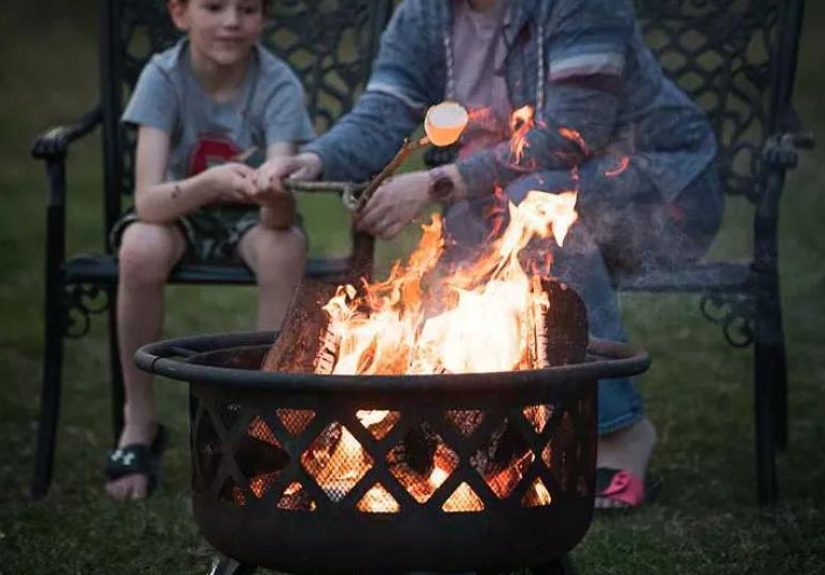
Fire pits and bonfires are supposed to deliver cozy vibes, toasted marshmallows, and maybe one person telling the same camping story for the ninth straight summer. What they are not supposed to deliver is a night of coughing, wheezing, chest irritation, or the lovely sensation of having inhaled a small weather system made of smoke. If you love backyard fires but also enjoy the radical luxury of breathing comfortably, a little planning goes a long way.
The truth is simple: wood smoke may smell nostalgic, but your lungs do not experience it as “rustic.” They experience it as irritation. Smoke from fire pits and bonfires contains a mix of gases and tiny particles that can get deep into the lungs. For healthy adults, that may mean scratchy eyes, a sore throat, or a cough. For children, older adults, pregnant people, and anyone with asthma, COPD, or other chronic conditions, the effects can be much more serious.
The good news is that you do not have to choose between “never have a fire again” and “stand directly in a smoke plume like a Victorian chimney sweep.” You can burn smarter, reduce smoke, protect guests, and know when it is better to skip the flames altogether. Here is how to enjoy the glow without treating your respiratory system like a side dish.
Why Fire Pit and Bonfire Smoke Is Hard on the Lungs
When wood burns, it releases fine particle pollution, often called PM2.5, along with gases and other byproducts. These tiny particles are small enough to travel deep into the lungs. That is why smoke can do more than make your clothes smell like a camp counselor convention. It can irritate the airways, trigger inflammation, worsen asthma symptoms, and make it harder to breathe.
Short-term exposure can cause coughing, wheezing, shortness of breath, chest tightness, eye irritation, and a sore throat. Longer or heavier exposure is even less charming. Repeated smoke exposure has been linked to worse respiratory health, especially in people who already have sensitive lungs. In other words, a bonfire is not automatically a health crisis, but it is also not “fresh country air” just because somebody brought plaid blankets.
Another problem is that smoke does not stay politely above the flames. It drifts. It settles in still air. It blows toward people who were not invited to the fire at all. That means your setup, fuel choice, and weather conditions matter more than most people think.
Who Needs to Be Extra Careful Around Smoke
Some people are far more likely to feel the effects of a smoky fire. Children breathe faster than adults and their lungs are still developing. Older adults may be more vulnerable to smoke-related irritation and breathing problems. People who are pregnant, or who live with asthma, COPD, chronic bronchitis, heart disease, diabetes, or kidney disease, should be especially cautious. Babies and toddlers also do not get bonus points for “toughing it out.”
If someone in your group uses an inhaler, has a history of wheezing, gets short of breath easily, or has ever said, “Smoke really bothers me,” believe them the first time. A fire night may need modifications, or it may need to become a hot-chocolate-on-the-patio night instead. Cozy comes in many forms. Your guests do not need to earn it through airway irritation.
12 Lung Safety Tips for Fire Pits and Bonfires
1. Check the air quality before you light anything
Before you strike a match, check the local air quality and any burn advisories. If the Air Quality Index is already elevated, adding more smoke is like pouring syrup on a milkshake and calling it balance. When air quality is unhealthy for sensitive groups, or worse, skip the fire. This is especially important in neighborhoods where smoke lingers, during dry weather, or when wildfire smoke is already in the air.
2. Never burn on alert days or during local burn bans
Local rules exist for a reason. If there is a burn ban, an air quality action day, or a local notice asking residents not to burn, take the hint. The best lung safety move on those days is not “burn smaller logs.” It is “do not burn.” Regulations also vary by city, county, and homeowners association, so a quick check can save both your lungs and your weekend.
3. Burn only dry, seasoned wood
Wet or green wood creates more smoke, more frustration, and more dramatic poking-at-the-fire behavior from whoever appointed themselves fire manager. Dry, seasoned wood burns hotter and cleaner. A good rule of thumb is wood that has dried for months, not wood that still feels like it recently had opinions and leaves. Well-seasoned wood reduces smoke and helps the fire burn more efficiently.
4. Skip trash, yard waste, and treated wood
Do not burn garbage, cardboard with coatings, plastic, foam, painted wood, pressure-treated lumber, construction debris, or yard waste. These materials can create more smoke and release harmful chemicals. A bonfire should not double as a mystery incinerator. If you would not want the fumes inside your living room, you probably do not want them blowing through your lungs either.
5. Build a smaller, hotter fire instead of a giant smoky one
Oversized fires look dramatic, but they often produce more smoke than comfort. A moderate fire with enough airflow tends to burn cleaner than a smoldering mountain of damp logs. Feed the fire gradually, avoid packing wood too tightly, and do not let it sit there sulking and smoking. A fire should burn, not brood.
6. Pay attention to wind direction and seating
Set chairs upwind whenever possible. Keep guests out of the direct smoke path, and be ready to rotate seating if the breeze shifts. Smoke has a special talent for following the person who just washed their hair, but good seating can still help. Distance matters too. The farther you are from the smoke source, the lower your exposure tends to be.
7. Keep high-risk guests farther away or smoke-free entirely
If children, older adults, pregnant guests, or people with asthma or COPD are attending, make a real plan. That may mean seating them well away from the fire, limiting time around smoke, or choosing a no-smoke alternative for the evening. Nobody should feel awkward for stepping inside, moving away, or saying, “This is making my chest tight.” That is not being fussy. That is being smart.
8. Do not use gasoline or other liquid accelerants
Liquid fuels can create fire and explosion hazards, and they can turn a backyard gathering into an emergency in seconds. If you need help getting the fire started, use appropriate fire starters and only as directed before ignition. Also avoid alcohol-fueled decorative fire products that have raised serious safety concerns. Lung safety and burn safety often travel as a package deal.
9. Never use a fire pit indoors, in a garage, or in an enclosed tent
This one is non-negotiable. Smoke and carbon monoxide can build up dangerously in enclosed or semi-enclosed spaces. Even if the door is cracked, even if it is “just for a little while,” and even if someone says they saw it online, do not do it. Outdoor fire devices belong outdoors, with wide-open ventilation.
10. Keep exertion low when smoke is noticeable
Breathing harder means inhaling more smoke. If the fire is putting out visible smoke, now is not the perfect moment for backyard football, dance contests, or carrying heavy furniture because “the patio layout needs more energy.” Take it easy, especially if the air already feels irritating.
11. Have a quick exit plan for irritated lungs
If someone starts coughing, wheezing, or feeling short of breath, move them away from the smoke right away. Go indoors or to a cleaner-air area. People with asthma should follow their asthma action plan and keep rescue medicine available. If symptoms do not improve quickly, or if breathing becomes difficult, seek medical care.
12. Consider smoke-free or lower-smoke alternatives
Sometimes the safest fire pit is a patio heater, warm blankets, string lights, and snacks that do not require an open flame. If the whole point of the evening is conversation and ambiance, you can get there without turning the yard into a tiny air pollution event. The lungs of your guests, neighbors, and future self may all send a thank-you card.
Mistakes That Make Smoke Exposure Worse
One of the biggest mistakes is assuming that outdoor smoke “doesn’t count” because it is not trapped indoors. Outdoor smoke still gets inhaled. Another common misstep is burning wood that is too wet, too green, or too large for the fire to burn efficiently. Then there is the classic error of letting the fire smolder for hours because it “looks nice.” Smoldering may look cinematic, but it is often a smoke factory.
People also underestimate how far smoke travels. Your fire pit may seem harmless in a big backyard, but on a still night or in a tightly packed neighborhood, smoke can drift into nearby windows, patios, and bedrooms. If the smoke is lingering low, blowing toward homes, or hanging under a temperature inversion, call it. The night has spoken.
What to Do If Smoke Starts Bothering You
First, move away from the fire. Fresh air is not a myth, even if the smoke has been acting clingy. Go indoors if the indoor air is cleaner, shut windows if needed, and avoid adding more indoor pollution from candles, smoking, or cooking smoke. Drink water, rest, and pay attention to symptoms.
Watch for warning signs like persistent coughing, wheezing, chest pain, unusual fatigue, dizziness, headache, nausea, confusion, or shortness of breath. Smoke exposure can also involve carbon monoxide, especially if there has been exposure in a more enclosed space. If symptoms are severe, sudden, or do not improve quickly, seek emergency care. Difficulty breathing is never the time to be stoic for social reasons.
If you know you are going to be around smoky conditions and cannot avoid them, a well-fitting N95 or P100 respirator can help reduce exposure to fine particles. A loose cloth mask, bandana, or “I pulled my hoodie over my nose” strategy is not reliable protection from smoke. But for most casual backyard situations, the better solution is simpler: reduce the smoke source and leave the smoky area.
The Best Rule of Thumb: If It’s Smoky, It’s Too Much
People sometimes look for a complicated formula for fire safety, but one of the best practical tests is beautifully low-tech. If guests are coughing, rubbing their eyes, changing seats every five minutes, or going inside “just for a second” and never coming back, the fire is too smoky. At that point, the answer is not more bravado. It is less smoke.
A good outdoor fire should give off warmth and light without forcing everyone to marinate in a cloud of irritation. Think of the goal as comfort, not combustion theater. The best host is not the one with the biggest flames. It is the one whose guests wake up the next morning without scratchy throats and regret.
Conclusion
Fire pits and bonfires can still be part of a fun backyard evening, but lung safety deserves a seat by the flames too. The smartest approach is to check air quality, follow local burn rules, burn only dry seasoned wood, avoid trash and treated materials, keep smoke away from people, and skip the fire altogether when conditions are poor. If someone in your group has asthma, COPD, or another condition that makes smoke risky, plan for cleaner air instead of hoping for the best.
There is nothing dramatic about protecting your lungs. It is just good sense. Cozy nights are better when nobody is coughing through dessert. So build smaller fires, burn cleaner, sit upwind, and remember: your lungs are not marshmallows. They do not need roasting.
Experiences and Lessons People Commonly Learn the Hard Way
One of the most common real-world experiences with fire pits is how quickly “a nice little fire” turns into “Why does everyone suddenly sound like they swallowed sandpaper?” It usually starts innocently. A family sets up chairs, someone brings snacks, and the fire looks perfect for about twelve minutes. Then the wind changes. Suddenly one side of the circle is blinking like they just entered an onion-cutting competition, and someone’s kid starts coughing. The lesson is usually immediate: smoke direction matters more than aesthetics. The prettiest chair setup in the world is useless if the breeze decides it is now a smoke-delivery service.
Another common experience happens when people burn whatever wood is lying around. It may be damp from rain, freshly cut, or left uncovered for months. At first the host thinks, “It’ll dry out once it gets going.” Instead, it smolders, spits, and produces enough smoke to make the backyard feel like a low-budget special effects set. People often remember that night as the moment they realized firewood is not interchangeable. Dry, seasoned wood is not just a “nice extra.” It is the difference between a manageable fire and a neighborhood haze.
Parents of children with asthma often describe these gatherings differently from everyone else. While some adults are debating whether the smoke is “that bad,” a parent is already noticing the small signs: throat clearing, quieter breathing, a cough that sounds a little tighter than usual, or a child wanting to go inside earlier than normal. Those moments teach a valuable lesson about being proactive. Bringing rescue medication, choosing a seat far from the smoke, and being willing to leave early are not overreactions. They are what good planning looks like.
Neighbors learn lessons too. A backyard fire can feel private to the host, but smoke rarely respects property lines. Plenty of people have had the experience of relaxing indoors only to realize their home now smells like someone else’s campfire. Windows get closed. Fans get turned on. Sleep gets interrupted. That is why considerate fire use matters. The most responsible fire pit owners pay attention not only to their own comfort, but also to where the smoke is going and whether it is lingering.
Then there are the “we should have skipped it” nights: dry weather, bad air quality, or heavy still air that keeps smoke low to the ground. Many people look back on those evenings and say the same thing: they knew conditions were off, but they lit the fire anyway because guests were already there or the food was ready or the vibe had been promised. In hindsight, the smarter move would have been to pivot. Blankets, warm drinks, outdoor lights, and a patio heater can still create a great evening without asking everyone’s lungs to compromise.
People also remember how often symptoms do not appear dramatic at first. A headache, mild dizziness, unusual fatigue, or a tight chest can be easy to dismiss in the moment. Someone may say they are “just tired” or that the smoke is “a little annoying.” Later, they realize that leaving the fire area made them feel much better. That experience teaches an important point: you do not have to wait for severe distress to act. Early symptoms count.
Perhaps the most useful shared experience is this one: after people make a few simple changes, their fire nights become noticeably better. Smaller fires. Better wood. Smarter seating. Shorter exposure. Fewer people hovering in smoke. More breaks indoors. Once that happens, most hosts never go back to the old way. The fire still crackles, the marshmallows still char, and the stories still get repeated. The difference is that everyone enjoys the night without ending it sounding like they spent the evening auditioning for the role of “mysterious cough in the hallway.” That is the version worth keeping.





 Close
Close