
Table of Contents >> Show >> Hide
- Quick Verdict: Is the Lodge Cast Iron Skillet Worth It?
- Lodge Cast Iron Skillet: Key Features
- Design and Build Quality
- Cooking Performance: Where Lodge Shines
- What the Lodge Skillet Does Not Do Perfectly
- Cleaning and Maintenance
- Lodge Cast Iron vs. Nonstick, Stainless Steel, and Expensive Cast Iron
- Who Should Buy the Lodge 10.25-Inch Cast Iron Skillet?
- Who Should Skip It?
- Best Foods to Cook in a Lodge Cast Iron Skillet
- Tips for Better Results
- Real-World Experience: Living With a Lodge Cast Iron Skillet
- Final Verdict
If kitchen gear had a blue-collar hall of fame, the Lodge cast iron skillet would be sitting near the entrance wearing a tiny apron and looking smug. It is not shiny, not delicate, and definitely not trying to be the “smart pan” of the future. It is a heavy, black, old-school hunk of American-made cast iron that can sear a steak, bake cornbread, fry eggs, roast vegetables, crisp bacon, survive a campfire, and still be ready for breakfast the next morning.
This Lodge cast iron skillet review focuses mainly on the famous 10.25-inch pre-seasoned model, the pan many shoppers find for around $20 to $25 depending on the retailer and sale timing. Prices move around, of course, because the internet likes to keep us humble. But the big question remains the same: is this affordable skillet actually good, or is it just popular because it is cheap, heavy, and looks like something a cowboy would approve of?
After comparing product details, expert kitchen testing, long-term user experiences, and practical cast iron care advice, the answer is simple: the Lodge 10.25-inch cast iron skillet is one of the best-value pans you can buy. It is not perfect. It is heavy, the handle gets hot, the factory seasoning needs time to mature, and it will punish lazy cleaning habits with rust. But for the money, it delivers serious cooking power and decades of usefulness.
Quick Verdict: Is the Lodge Cast Iron Skillet Worth It?
Yes, the Lodge cast iron skillet is absolutely worth buying if you want an affordable, versatile, durable pan for everyday cooking. It performs especially well for high-heat searing, baking, frying, roasting, and outdoor cooking. It is also beginner-friendly because it arrives pre-seasoned, meaning you can cook with it right away instead of performing a mysterious seasoning ritual under a full moon.
The Lodge skillet is best for cooks who value durability over convenience. If you want a lightweight nonstick pan that can go in the dishwasher and ask nothing of you emotionally, this is not that pan. But if you want cookware that improves with use and may outlast your blender, toaster, and possibly your current lease, Lodge makes a strong case.
Lodge Cast Iron Skillet: Key Features
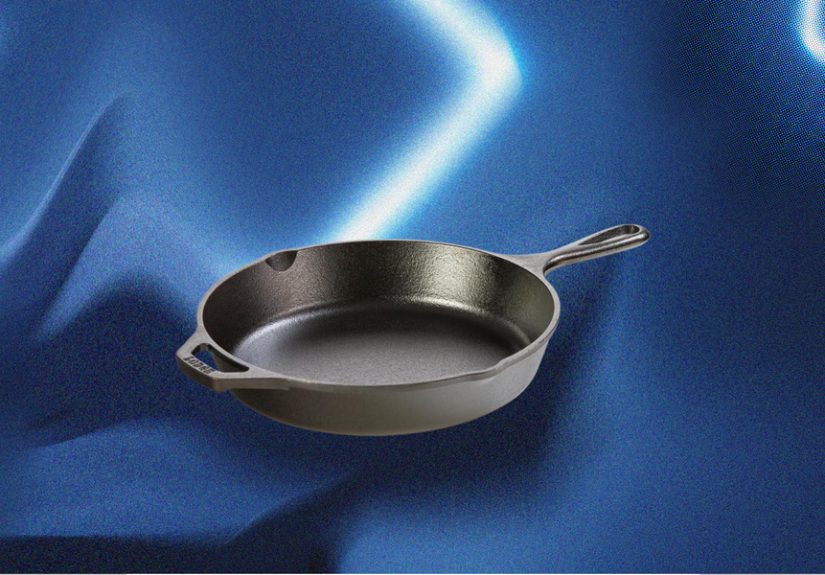
The 10.25-inch Lodge skillet is made from seasoned cast iron and typically weighs a little over five pounds. It comes with two pour spouts, a long handle, and a helper handle on the opposite side. That helper handle is not decorative. Once the skillet is full of chicken thighs, potatoes, or bubbling peach cobbler, you will be deeply grateful for it.
| Feature | Details |
|---|---|
| Size | 10.25-inch cooking diameter |
| Material | Seasoned cast iron |
| Weight | About 5.3 pounds |
| Cooking surfaces | Gas, electric, induction, oven, grill, and campfire |
| Seasoning | Pre-seasoned with vegetable oil |
| Made in | United States |
| Typical price range | Often around $20 to $25, depending on sales |
The skillet is marketed as ready to use out of the box, and that is mostly true. You can rinse it, dry it, add a thin layer of oil, and start cooking. However, “pre-seasoned” does not mean “magically nonstick forever.” The factory seasoning is a starting point. The more you cook with oil, fat, and moderate patience, the better the surface becomes.
Design and Build Quality
The Lodge skillet feels sturdy in the most literal way possible. Pick it up and your wrist immediately understands the meaning of “durable cookware.” The pan has thick walls, a flat base, and a black seasoned surface. Compared with expensive boutique cast iron pans, the cooking surface is slightly rougher. That rough texture is normal for modern Lodge cookware and does not prevent excellent cooking results, although it does mean eggs may stick until the seasoning develops.
The dual pour spouts are helpful for draining bacon grease or pouring pan sauce, though they are not perfectly drip-free. The handle is short enough to fit easily in the oven but long enough to grip with a towel or silicone cover. The downside is heat. Cast iron conducts heat through the entire piece, so the handle can become extremely hot. Touching it barehanded after oven use is a fast way to learn a memorable life lesson.
Cooking Performance: Where Lodge Shines
Searing Meat
This is where the Lodge cast iron skillet earns its reputation. Cast iron retains heat very well, which makes it excellent for searing steak, pork chops, burgers, chicken thighs, and salmon. When properly preheated, the skillet creates a deep brown crust that stainless steel pans sometimes struggle to match and thin nonstick pans should not even attempt.
For a steak, preheat the pan slowly for several minutes, add a high-smoke-point oil, and let the meat sit undisturbed until it releases naturally. The Lodge skillet does not whisper, “Maybe we should gently steam this.” It says, “Let us build crust.” That is the correct attitude.
Frying and Breakfast Cooking
Bacon, sausage, fried potatoes, and hash are natural matches for this pan. Bacon fat helps build seasoning, potatoes get crisp edges, and sausage browns beautifully. Eggs are possible, but they are the honesty test for cast iron. A brand-new Lodge pan may not release eggs as smoothly as a mature skillet. Use enough butter, preheat gently, and avoid cranking the burner like you are launching a rocket.
Over time, eggs become easier. The seasoning builds gradually with repeated cooking, especially when you use the pan for fatty foods. This is one reason many cast iron fans treat their skillet like a kitchen pet: feed it bacon and it behaves better.
Baking Cornbread, Pizza, and Desserts
The Lodge skillet is not just a stovetop pan. It is oven-safe and excellent for baking. Cornbread is the classic choice because the hot cast iron creates a crisp, golden crust while keeping the inside tender. It also works well for skillet cookies, Dutch babies, fruit cobblers, focaccia, and pan pizza.
For pizza, preheat the skillet, add dough carefully, and let the cast iron help crisp the bottom. The result is not exactly a pizzeria oven, but for a $20-ish pan, it gets suspiciously close to “why did I ever order delivery?” territory.
Vegetables and Everyday Dinners
Cast iron gives vegetables great browning. Brussels sprouts, mushrooms, onions, peppers, asparagus, carrots, and zucchini all benefit from the pan’s heat retention. The trick is not overcrowding the skillet. Too much food at once traps steam, and steamed mushrooms are how dinner loses confidence.
The 10.25-inch size is ideal for one to three people. It can handle two large steaks, several chicken thighs, a batch of cornbread, or a side dish of vegetables. Larger families may prefer the 12-inch Lodge skillet, but the 10.25-inch model is easier to store, easier to lift, and more comfortable on smaller burners.
What the Lodge Skillet Does Not Do Perfectly
The Lodge cast iron skillet is excellent, but it is not a miracle pan. First, it is heavy. At a little over five pounds empty, it becomes noticeably heavier when loaded with food. People with wrist pain, arthritis, or limited hand strength may prefer a lighter carbon steel pan or a premium lightweight cast iron skillet.
Second, the factory seasoning is good but not flawless. Some foods may stick during the first few weeks of use, especially eggs, fish, and delicate pancakes. This improves with proper cooking technique and repeated seasoning, but buyers expecting slick nonstick performance on day one may be disappointed.
Third, cast iron needs care. You should wash it by hand, dry it completely, and rub on a very thin layer of oil when needed. Leaving it wet in the sink is basically sending rust a formal invitation. The good news is that rust can usually be scrubbed away and the pan can be re-seasoned. Cast iron is forgiving, but it does expect basic manners.
Cleaning and Maintenance
Cleaning the Lodge skillet is easier than many beginners fear. After cooking, let the pan cool slightly. Wash it with warm water, a brush, scraper, or sponge. Mild dish soap is fine; the old “never use soap” rule comes from a different era when soaps were harsher. Avoid soaking the skillet for long periods and never put it in the dishwasher.
After washing, dry the pan immediately. Many cooks place it over low heat for a minute to evaporate hidden moisture. Then apply a very thin layer of oil if the surface looks dry. The key phrase is “very thin.” If the pan looks greasy, you used too much. Wipe it until it looks almost dry. Cast iron seasoning likes discipline, not a spa treatment.
Lodge Cast Iron vs. Nonstick, Stainless Steel, and Expensive Cast Iron
Compared with nonstick cookware, the Lodge skillet is more durable, better for high-heat searing, and safe for oven and campfire use. However, it is heavier and requires more maintenance. Nonstick pans are easier for eggs and delicate fish, but their coatings wear out over time. A Lodge skillet can last for generations if cared for properly.
Compared with stainless steel, Lodge offers better heat retention and easier browning for some foods, especially when beginners are learning to sear. Stainless steel is lighter, more responsive to temperature changes, and better for acidic pan sauces. Cast iron can handle short contact with acidic ingredients like tomatoes or wine, but long acidic simmering can affect seasoning and flavor.
Compared with premium cast iron brands, Lodge is less refined but dramatically more affordable. Expensive skillets may have smoother cooking surfaces, lighter bodies, longer handles, or more elegant designs. They are lovely. They also cost enough to make your wallet stare silently out a window. Lodge wins on value.
Who Should Buy the Lodge 10.25-Inch Cast Iron Skillet?
This pan is ideal for beginners, students, apartment cooks, campers, grill lovers, budget shoppers, and anyone who wants one tough skillet for a wide range of meals. It is especially appealing if you enjoy steak, burgers, cornbread, roasted vegetables, breakfast potatoes, and one-pan dinners.
It is also a smart gift. Unlike a trendy gadget that gets used twice and then moves into the Cabinet of Forgotten Purchases, a Lodge skillet has everyday usefulness. Give one to a new homeowner, college graduate, newlywed couple, or enthusiastic home cook, and there is a good chance it will still be around years later.
Who Should Skip It?
Skip the Lodge skillet if you need extremely lightweight cookware, dishwasher-safe convenience, or instant nonstick performance. Also skip it if you often cook large portions for four or more people; in that case, the 12-inch version may be more practical.
If you are a cook who hates maintenance of any kind, cast iron may frustrate you. The Lodge skillet is low-maintenance compared with what some internet cast iron philosophers claim, but it is not no-maintenance. You do need to dry it, store it properly, and occasionally refresh the seasoning.
Best Foods to Cook in a Lodge Cast Iron Skillet
- Steak, burgers, pork chops, and chicken thighs
- Bacon, sausage, eggs, hash browns, and breakfast potatoes
- Cornbread, skillet biscuits, Dutch babies, and cobblers
- Pan pizza, flatbread, and focaccia
- Roasted vegetables, mushrooms, onions, and peppers
- Campfire meals, grilled sides, and oven-to-table dishes
Tips for Better Results
Preheat Slowly
Cast iron heats gradually, so give it time. Start on low or medium heat and let the pan warm evenly. Blasting it on high heat can create hot spots and make food stick.
Use Enough Fat
Butter, oil, bacon fat, or ghee helps food release and improves browning. A dry cast iron pan is not your friend unless you are intentionally blackening something.
Do Not Panic Over Sticking
If food sticks, it may need more time. Proteins often release naturally after a crust forms. Scraping too early can tear the surface and your confidence.
Keep It Dry
Moisture is the enemy. Dry the skillet thoroughly after washing and store it in a dry place. If stacking pans, place a towel or paper liner between them.
Real-World Experience: Living With a Lodge Cast Iron Skillet
The first few weeks with a Lodge cast iron skillet can feel like getting to know a new roommate. It is useful, strong, and dependable, but it has habits. It does not like being left wet. It does not want to be shocked from cold to blazing hot. It asks that you use a towel on the handle unless you enjoy spicy palm regret. Once you learn those habits, the pan becomes easy to live with.
One of the best experiences with this skillet is cooking a simple steak dinner. Preheat the Lodge slowly, season the steak well, add a thin shimmer of oil, and place the meat down with confidence. The sound alone is rewarding. After a few minutes, the crust develops into that deep brown restaurant-style finish most cheaper pans cannot deliver. Add butter, garlic, and rosemary near the end, baste the steak, and suddenly your kitchen smells like you know what you are doing. Even if you are wearing pajama pants, the pan respects the performance.
Breakfast is another strong point. Bacon cooks evenly and leaves behind just enough fat for eggs or potatoes. Hash browns get crisp edges when they are spread in a thin layer and left alone. The key phrase is “left alone.” Stirring too often ruins browning. Cast iron rewards patience. It is like a tiny cooking coach that says, “Please stop poking the food.”
For baking, the Lodge skillet brings cozy, old-fashioned satisfaction. Cornbread is the obvious winner. Preheat the skillet in the oven, add a little butter or oil, pour in the batter, and listen to the edges sizzle. That first slice usually has a crisp bottom and tender center, the kind of texture that makes boxed crackers look emotionally empty. A skillet cookie is equally dangerous. It comes out golden, gooey, and perfect for sharing, though “sharing” becomes negotiable once ice cream is involved.
The pan also handles weeknight dinners well. Chicken thighs can start skin-side down on the stovetop, then finish in the oven. Vegetables can roast directly in the skillet. Leftover rice can become crispy fried rice if the seasoning is developed and the pan is hot enough. It is the rare budget pan that works for breakfast, lunch, dinner, dessert, and camping. That kind of versatility is why so many people keep one even after buying more expensive cookware.
The biggest learning curve is cleaning. New cast iron owners sometimes overthink it, as if the skillet is a historical artifact that must be handled by museum staff. In reality, clean it while it is still warm, use water and a brush or scraper, dry it thoroughly, and rub on a whisper-thin layer of oil when needed. If rust appears, it is not the end. Scrub, dry, oil, and keep going. This pan is built for recovery.
After months of use, the Lodge skillet starts to feel less like a product and more like a kitchen tool with history. The surface darkens, food releases more easily, and the pan becomes familiar. It is not glamorous, but it is honest. For around $20 to $25, that is a rare thing: a pan that does not pretend to be fancy, yet quietly outperforms cookware many times its price.
Final Verdict
The Lodge 10.25-inch cast iron skillet is one of the best affordable pans for home cooks who want power, durability, and versatility. It sears beautifully, bakes confidently, works on nearly every heat source, and can last for decades with basic care. It is heavy, and its seasoning improves gradually rather than instantly, but those trade-offs are reasonable at this price.
If you are building a kitchen from scratch, upgrading from worn-out nonstick, or simply want a dependable pan that can handle almost anything, the Lodge cast iron skillet deserves a spot on your stove. It is not just a budget buy. It is a kitchen workhorse with a very small price tag and a very large personality.
Note: Product prices can vary by retailer, color variation, bundle, and sale period. This review focuses on the standard Lodge 10.25-inch pre-seasoned cast iron skillet and its typical value as an affordable everyday pan.







 Close
Close