
Table of Contents >> Show >> Hide
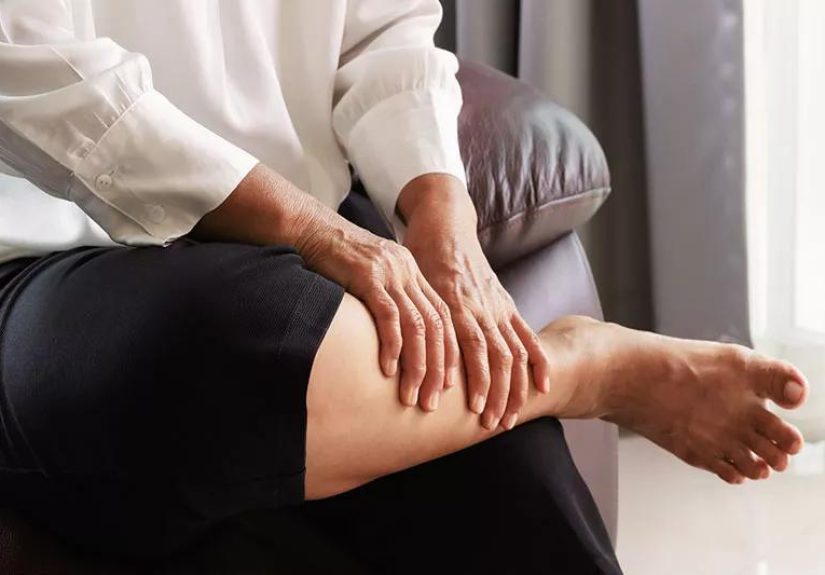
Leg swelling sounds like one of those “I’ll deal with it later” problems, right up until your socks leave trench marks in your skin and your shoes suddenly fit like tiny medieval torture devices. In medical terms, leg swelling is often called edema, and while it can happen after a long flight, a salty takeout binge, or a day spent standing in line for absolutely no good reason, it can also point to something more serious.
That’s why this topic matters. Swelling in one or both legs is not a diagnosis. It’s a clue. Sometimes it’s your body saying, “Please elevate your feet and drink some water.” Other times it’s waving a red flag about a blood clot, poor circulation, lymphatic trouble, medication side effects, or disease affecting the heart, kidneys, or liver.
This guide breaks down the most common causes of leg swelling, the biggest dangers of swollen legs, when to seek medical care, and what treatments may help depending on the cause. The goal is simple: help you understand when leg swelling is annoying, when it’s suspicious, and when it deserves immediate attention.
What Is Leg Swelling, Exactly?
Leg swelling happens when fluid builds up in the tissues of the feet, ankles, calves, or thighs. It may affect one leg or both. It may come on gradually or show up suddenly. Some swelling is soft and leaves an indentation when you press on it, which is called pitting edema. Other swelling feels firmer and doesn’t pit as much.
In mild cases, you may notice that your shoes feel tighter by evening, your ankles look puffier than usual, or your skin feels stretched. In more serious cases, the swelling may come with pain, redness, warmth, shortness of breath, skin changes, or trouble walking.
The pattern matters. Swelling in both legs often suggests fluid retention, medication effects, or a systemic issue such as heart, kidney, or liver disease. Swelling in one leg raises more concern for a blood clot, injury, infection, or a blocked vein or lymph channel.
Common Causes of Leg Swelling
1. Everyday fluid retention
Sometimes swollen legs are exactly what they seem: a reaction to gravity, heat, inactivity, or too much sodium. If you’ve been sitting for hours on a road trip, standing all day at work, or surviving on restaurant food that tastes suspiciously amazing because it contains half the salt shaker, fluid can settle in the lower legs.
This kind of swelling is often temporary and tends to improve with walking, leg elevation, compression socks, and cutting back on salt. Pregnancy can also cause this kind of swelling, especially later on, because the body naturally retains more fluid and the growing uterus can affect blood flow from the legs.
2. Chronic venous insufficiency
Venous insufficiency is one of the most common causes of persistent leg swelling, especially in older adults. In this condition, the veins in the legs have trouble pushing blood back toward the heart. Think of it like a return escalator that keeps pausing. Blood pools in the legs, pressure rises, and fluid leaks into surrounding tissues.
This often causes swelling that gets worse later in the day and improves somewhat overnight. Other clues include aching, heaviness, itchy legs, varicose veins, brown skin discoloration around the ankles, and in advanced cases, venous ulcers that are slow to heal.
If left untreated, chronic venous insufficiency can become more than a cosmetic nuisance. It can lead to skin breakdown, recurrent sores, discomfort with walking, and a frustrating cycle of swelling that keeps coming back.
3. Deep vein thrombosis
This is the cause doctors do not want people to shrug off. Deep vein thrombosis, or DVT, is a blood clot in a deep vein, usually in the calf or thigh. It may cause swelling in one leg, pain, tenderness, warmth, redness, and a feeling that something is very wrong even if you can’t explain why.
The danger is not just the swollen leg. A clot can break loose, travel to the lungs, and cause a pulmonary embolism, which is a medical emergency. That is why sudden one-sided leg swelling, especially with pain or shortness of breath, should never be treated like a harmless inconvenience.
Risk factors for DVT include recent surgery, long travel, bed rest, pregnancy, smoking, obesity, cancer, certain hormone medications, older age, and a history of previous clots.
4. Lymphedema
Lymphedema happens when the lymphatic system cannot drain fluid properly. Unlike venous swelling, which involves blood flow returning to the heart, lymphedema involves lymph fluid getting backed up in tissues.
The swelling may be mild at first and then become more noticeable over time. The leg can feel heavy, tight, or firm, and clothes or shoes may fit differently. Some people develop lymphedema after cancer surgery or radiation when lymph nodes are removed or damaged, but it can also happen for other reasons.
Why does this matter? Because untreated lymphedema can make the skin more vulnerable to infection. Recurrent cellulitis, chronic discomfort, and reduced mobility can all follow if the swelling is ignored for too long.
5. Heart failure
When the heart is not pumping effectively, blood can back up in the veins and fluid can collect in the legs. This often causes swelling in both feet, ankles, or lower legs. Some people also notice weight gain, fatigue, shortness of breath, trouble lying flat, or abdominal swelling.
Leg swelling from heart failure is not just about the legs. It can be a sign that the body is holding on to excess fluid overall. In that sense, swollen ankles may be the visible tip of a much larger iceberg.
6. Kidney disease
Your kidneys help regulate fluid and salt balance. When they aren’t working well, fluid can build up in the body. That can show up as swelling in the legs, ankles, feet, or even around the eyes. If leg swelling appears with fatigue, changes in urination, high blood pressure, or unexplained weight gain, kidney issues may need to be ruled out.
7. Liver disease
The liver helps make proteins that keep fluid inside blood vessels. In advanced liver disease, fluid can leak into tissues more easily, leading to swelling in the legs and fluid in the abdomen. If leg swelling shows up with abdominal bloating, jaundice, or a history of liver problems, this deserves medical evaluation.
8. Medication side effects
Sometimes the culprit is not a disease but the medicine cabinet. Certain medications can cause peripheral edema, including some blood pressure medicines such as calcium channel blockers, NSAIDs, steroids, estrogen-containing therapies, testosterone, and some antidepressants.
This is where people can get fooled. Medication-related swelling can look surprisingly similar to swelling caused by kidney or heart problems. That is why new swelling after starting a drug should be discussed with a healthcare professional rather than treated like a random coincidence.
9. Injury, infection, or inflammation
A sprain, fracture, torn muscle, or joint inflammation can all cause one-sided swelling. Infection, including cellulitis, may also cause swelling along with redness, warmth, tenderness, and sometimes fever. If a swollen leg is hot, painful, rapidly worsening, or associated with a rash or fever, don’t wait around hoping it will politely leave on its own.
Why Leg Swelling Can Be Dangerous
The real danger of swollen legs is not the swelling itself. It’s what the swelling may represent.
Blood clot risk
The biggest emergency concern is DVT and pulmonary embolism. A swollen, painful, one-sided leg may be the first clue. If chest pain, coughing up blood, fainting, or breathing trouble enters the picture, that changes from “make an appointment” to “get urgent help now.”
Worsening heart, kidney, or liver disease
Persistent bilateral swelling may signal that the body is struggling to manage fluid balance. In those cases, leg swelling can be an early warning sign that a chronic medical condition is getting worse.
Skin damage and ulcers
Long-term venous insufficiency can damage the skin, causing discoloration, thickening, irritation, and ulcer formation near the ankles. These sores can be painful, hard to heal, and prone to infection.
Infection
Swollen tissue is more vulnerable tissue. Lymphedema in particular raises the risk of skin infections such as cellulitis. Repeated infections can create a vicious cycle by causing more inflammation and worse swelling.
Reduced mobility and quality of life
Even when the cause is not immediately life-threatening, ongoing swelling can make walking harder, shoes uncomfortable, skin tender, and everyday activities more exhausting. Over time, that can reduce independence and physical activity, which only makes circulation less happy. Your legs, in other words, can become grumpy in multiple directions at once.
When to Seek Medical Care Right Away
Leg swelling deserves urgent medical evaluation if any of the following are present:
- Sudden swelling in one leg
- Leg swelling with pain, redness, or warmth
- Chest pain, shortness of breath, fainting, or coughing up blood
- Swelling after an injury, especially if you can’t bear weight
- Swelling with fever or signs of infection
- Swelling that appears suddenly during pregnancy, especially with headache, vision changes, or high blood pressure concerns
See a doctor soon if swelling keeps coming back, is getting worse, affects only one leg without a clear cause, or comes with fatigue, weight gain, abdominal bloating, or changes in urination.
How Leg Swelling Is Diagnosed
Diagnosis starts with the pattern: one leg or both, sudden or gradual, painful or painless, pitting or firm, temporary or persistent. A clinician will ask about travel, injury, medications, pregnancy, heart and kidney history, and symptoms like shortness of breath or fever.
Testing may include blood work, kidney and liver evaluation, urine testing, heart assessment, and imaging. If a clot is suspected, duplex ultrasound is commonly used. For venous insufficiency, ultrasound can also help evaluate blood flow and valve function.
Treatment Options
Leg swelling treatment depends on the cause. There is no magical universal fix, despite what the internet and your one cousin with a “wellness system” may suggest.
Helpful measures that may improve many mild cases
- Elevating the legs above heart level when resting
- Walking and calf movement to improve circulation
- Reducing excess sodium in the diet
- Wearing properly fitted compression socks when appropriate
- Avoiding long periods of sitting or standing
- Reviewing medications with a healthcare professional
Treatments by cause
- DVT: urgent medical care, often blood thinners and close follow-up
- Venous insufficiency: compression, exercise, leg elevation, weight management, and sometimes procedures
- Lymphedema: compression therapy, specialized physical therapy, skin care, and exercise
- Heart, kidney, or liver disease: treatment of the underlying condition, sometimes including diuretics
- Medication-induced edema: adjusting or changing the drug under medical guidance
- Infection or injury: treatment tailored to the problem, such as antibiotics, immobilization, or anti-inflammatory care
One important note: not all swollen legs should be treated with water pills. Diuretics may help when fluid overload is the issue, but they are not a one-size-fits-all answer for venous or lymphatic causes.
How to Lower Your Risk
You cannot prevent every cause of leg swelling, but you can reduce the odds of some of the common ones.
- Move regularly during long travel or desk-heavy days
- Stay active to support circulation
- Maintain a healthy weight
- Manage blood pressure, heart disease, and kidney disease carefully
- Follow treatment plans for vein problems
- Take compression advice seriously if prescribed
- Review side effects when starting a new medication
- Don’t ignore persistent or one-sided swelling
Real-World Experiences With Leg Swelling
The following examples are composite, educational scenarios based on common patterns people experience with leg swelling. They are not individual medical records, but they reflect real-life ways this symptom can show up.
One common story goes like this: someone takes a long flight, lands, notices one ankle looks puffier than usual, and blames airplane snacks, gravity, and the general emotional damage of air travel. If the swelling improves after walking and rest, it may be simple fluid retention. But if one leg becomes painful, warm, and much larger than the other, that same “I’m just a little swollen” moment can turn into a workup for DVT. The lesson is not to panic at every puffy sock line, but to notice when the picture stops looking ordinary.
Another frequent experience involves chronic venous insufficiency. A person may say their legs feel heavy by late afternoon, their ankles disappear by dinnertime, and their skin near the ankles has slowly turned darker over the years. At first, it feels cosmetic. Then standing gets uncomfortable. Then a small scrape near the ankle takes forever to heal. What seemed like “just swelling” becomes a long-term circulation issue affecting comfort, mobility, and skin health.
Medication-related swelling can be sneaky, too. Someone starts a new blood pressure medicine and, within a few weeks, their shoes feel tighter and their feet look puffy every evening. Because there is no dramatic pain, they assume they are eating too much takeout or getting older in a very rude way. Only later do they learn the swelling may be a medication side effect. This is why timing matters. New symptoms that start after a medication change deserve a medication review.
People with lymphedema often describe a different sensation. Instead of simple puffiness, they talk about heaviness, tightness, and a leg that feels oddly full or firm. They may notice pants fitting differently on one side, or that the skin seems more sensitive and prone to irritation. Some also experience repeat skin infections, which is not only painful but emotionally draining. Lymphedema can affect body image, activity, clothing choices, and confidence in ways that outsiders may underestimate.
Then there are the cases where leg swelling is one clue in a much bigger puzzle. A person may notice swelling in both legs, plus unusual fatigue, getting winded on stairs, and sudden weight gain over a week or two. Another person may see swelling along with foamy urine or less urination than usual. In those situations, the legs are not the whole problem. They are the visible messenger delivering news from the heart, kidneys, or another organ system that needs attention.
The shared takeaway from these experiences is simple: context matters. Mild swelling after a hot day may be harmless. Persistent swelling, asymmetrical swelling, painful swelling, or swelling tied to other symptoms tells a different story. Your legs are not trying to be dramatic. They are trying to communicate.
Conclusion
Leg swelling is common, but it should never be dismissed automatically. Sometimes it is caused by prolonged sitting, too much salt, pregnancy, or a medication side effect. Other times it signals venous insufficiency, lymphedema, deep vein thrombosis, or disease affecting the heart, kidneys, or liver.
The key is to pay attention to the pattern. Swelling that is sudden, one-sided, painful, or paired with shortness of breath needs urgent medical attention. Swelling that is chronic or recurrent still deserves evaluation, because early treatment can prevent complications such as ulcers, infection, reduced mobility, or a missed diagnosis.
If your legs are swelling often, don’t settle for guessing. A proper evaluation can identify the cause, point to the right treatment, and help you keep a manageable problem from becoming a dangerous one.






 Close
Close