
Table of Contents >> Show >> Hide
- What Is Oat Milk?
- Oat Milk Nutrition Facts: What Is in One Cup?
- Is Oat Milk Good for You?
- Top Health Benefits of Oat Milk
- 1. Oat Milk Is Naturally Dairy-Free and Lactose-Free
- 2. Fortified Oat Milk Can Support Bone Health
- 3. It May Be Helpful for Plant-Based Diets
- 4. Oat Milk Contains Little or No Saturated Fat
- 5. Oats Contain Beta-Glucan, a Heart-Friendly Fiber
- 6. It Has a Smaller Environmental Footprint Than Dairy Milk
- Potential Downsides of Oat Milk
- Oat Milk vs. Cow’s Milk: Which Is Healthier?
- How to Choose the Healthiest Oat Milk
- Best Ways to Use Oat Milk
- Who Should Be Careful With Oat Milk?
- Real-Life Experiences With Oat Milk: What People Notice Day to Day
- Conclusion: So, Is Oat Milk Good for You?
- SEO Tags
Oat milk walked into the grocery store one day and somehow became the cool, creamy friend everyone wanted in their coffee. It foams nicely, tastes naturally sweet, works for many people who avoid dairy, and looks very modern sitting next to your cold brew. But the big question remains: is oat milk good for you?
The honest answer is: yes, oat milk can be a healthy choice for many adults, especially when it is unsweetened and fortified. But it is not magical milk from a wellness fairy. It has benefits, drawbacks, and a few label-reading traps hiding behind that friendly carton. Let’s pour out the facts.
What Is Oat Milk?
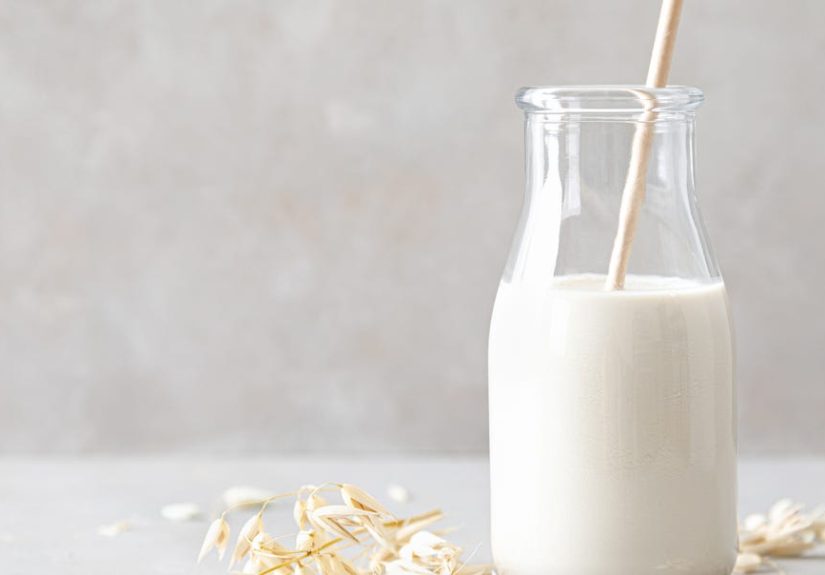
Oat milk is a plant-based milk alternative made by blending oats with water, then straining the mixture until it becomes smooth and drinkable. Commercial versions often add vitamins, minerals, oils, enzymes, stabilizers, or flavorings to improve texture, nutrition, and shelf life.
Unlike cow’s milk, oat milk contains no lactose and no dairy protein. That makes it appealing for people with lactose intolerance, milk allergies, vegan diets, or anyone who simply likes the taste. Its biggest charm is texture: oat milk is naturally creamy because oats contain starches and soluble fibers that create body. In coffee terms, it behaves like it paid attention in barista school.
Oat Milk Nutrition Facts: What Is in One Cup?
Oat milk nutrition varies widely by brand. A plain unsweetened carton may be light and simple, while a barista-style oat milk may contain more fat, more calories, and added oils for better foam. Still, a typical 1-cup serving of unsweetened oat milk often contains approximately:
| Nutrient | Approximate Amount per 1 Cup | What It Means |
|---|---|---|
| Calories | 40-120 calories | Depends heavily on brand and formula |
| Carbohydrates | 9-16 grams | Higher than almond milk and many other plant milks |
| Protein | 1-3 grams | Lower than cow’s milk and soy milk |
| Fat | 0.5-5 grams | Often from added oil in creamier versions |
| Fiber | 0-2 grams | Some brands retain more oat fiber than others |
| Calcium | Often 20%-35% of the Daily Value if fortified | Useful for bone health when included |
| Vitamin D | Varies by brand | Helps the body use calcium |
| Vitamin B12 | Often added to fortified versions | Helpful for people eating mostly plant-based diets |
The most important lesson is simple: do not judge oat milk by the front of the carton. The front may say “creamy,” “original,” “barista,” “extra smooth,” or “planet-loving.” The Nutrition Facts label tells the real story.
Is Oat Milk Good for You?
Oat milk can be good for you when it fits your nutrition needs. It is especially useful if you want a dairy-free, lactose-free, nut-free, or vegan milk alternative. Fortified oat milk can also help provide nutrients like calcium, vitamin D, and vitamin B12.
However, oat milk is usually lower in protein than cow’s milk or soy milk and higher in carbohydrates than almond milk. That does not make it “bad.” It just means oat milk is not the best choice for every person, every meal, or every health goal.
The Short Verdict
Oat milk is a healthy option for many adults when you choose unsweetened, fortified varieties and use it as part of a balanced diet. It is less ideal if you need a high-protein drink, are closely managing blood sugar, or rely on milk as a major source of nutrition.
Top Health Benefits of Oat Milk
1. Oat Milk Is Naturally Dairy-Free and Lactose-Free
For people with lactose intolerance, a glass of regular milk can feel like a risky business meeting with the digestive system. Oat milk avoids lactose entirely, so it may be easier to tolerate for people who experience gas, bloating, diarrhea, or discomfort after consuming dairy.
It is also free of dairy proteins, making it useful for people who avoid milk for allergy, ethical, religious, environmental, or personal reasons. That said, people with true food allergies should always check labels because manufacturing facilities can vary.
2. Fortified Oat Milk Can Support Bone Health
Many commercial oat milks are fortified with calcium and vitamin D. Calcium helps build and maintain bones and teeth, while vitamin D helps the body absorb and use calcium properly. If you do not drink dairy milk, fortified oat milk can help fill part of that nutrition gap.
Here is the catch: homemade oat milk usually does not contain added calcium, vitamin D, or B12 unless you add them separately. So while homemade oat milk may be simple and inexpensive, it is usually not nutritionally equal to a fortified store-bought carton.
3. It May Be Helpful for Plant-Based Diets
People following vegan or mostly plant-based diets need to pay special attention to vitamin B12 because B12 is naturally found mainly in animal foods. Some oat milks are fortified with B12, which makes them a convenient daily source.
This does not mean oat milk should be your only B12 strategy. A balanced vegan diet may still need fortified foods, nutritional yeast, or supplements. But a fortified oat milk in your morning coffee or smoothie can be a helpful piece of the puzzle.
4. Oat Milk Contains Little or No Saturated Fat
Most oat milks are low in saturated fat, especially compared with full-fat dairy products or coconut-based milk alternatives. For heart health, limiting saturated fat is often recommended because diets high in saturated fat can raise LDL cholesterol in some people.
Some oat milks contain added oils, such as sunflower, canola, or rapeseed oil, to improve creaminess. These oils are usually higher in unsaturated fats than saturated fats. Still, if you are watching calories or prefer fewer ingredients, choose a simpler unsweetened oat milk.
5. Oats Contain Beta-Glucan, a Heart-Friendly Fiber
Oats are famous for beta-glucan, a soluble fiber linked with cholesterol-lowering benefits when eaten regularly in meaningful amounts. This is one reason oatmeal has such a strong reputation as a heart-smart breakfast.
Oat milk may contain some beta-glucan, but usually not as much as a bowl of oatmeal. Why? Because oat milk is diluted and strained. So, while oat milk can contribute a small amount of oat-based fiber, it should not replace whole oats, beans, fruits, vegetables, and other high-fiber foods.
6. It Has a Smaller Environmental Footprint Than Dairy Milk
From an environmental perspective, oat milk generally has lower greenhouse gas emissions, land use, and freshwater use than cow’s milk. It is not perfectno food isbut compared with dairy milk, oat milk is often a more climate-friendly option.
This benefit matters to many shoppers who want their breakfast choices to align with sustainability goals. If your coffee can be creamy and slightly kinder to the planet, that is a nice bonus before 9 a.m.
Potential Downsides of Oat Milk
1. Oat Milk Is Not High in Protein
One cup of cow’s milk typically provides about 8 grams of protein. Soy milk often comes close to that. Oat milk usually provides only 1 to 3 grams per cup. If you use oat milk as a splash in coffee, no problem. If you use it as a major protein source, there is the problem.
For a more balanced breakfast, pair oat milk with protein-rich foods such as eggs, Greek yogurt, tofu scramble, nut butter, beans, protein oats, or a smoothie that includes protein powder. Oat milk brings creaminess; it does not bring the protein party.
2. It Can Be Higher in Carbohydrates
Because oat milk is made from oats, it naturally contains more carbohydrates than almond milk, coconut milk beverages, or some other plant-based options. Unsweetened oat milk can still have carbohydrates because oats are a grain.
For most healthy adults, this is not automatically a concern. But for people with diabetes, insulin resistance, or low-carb eating plans, oat milk may need more careful consideration. Choosing unsweetened oat milk and drinking it with a meal that includes protein, fat, and fiber may help soften the blood sugar impact.
3. Sweetened Oat Milk Can Add Sugar Quickly
Some oat milks contain added sugar, especially flavored versions like vanilla, chocolate, or “original” varieties that are not labeled unsweetened. Added sugar can raise calories without adding much nutrition.
Look for “0 grams added sugar” on the Nutrition Facts label. Also check the ingredient list for cane sugar, syrup, maltodextrin, or other sweeteners. A carton can wear a health halo and still sneak sugar into your cereal like a tiny dessert ninja.
4. Some Brands Contain Additives
Many commercial oat milks include gums, oils, stabilizers, salt, or enzymes. These ingredients help texture, flavor, and shelf life. For most people, they are not automatically dangerous. But if you have a sensitive stomach or prefer minimally processed foods, shorter ingredient lists may be a better fit.
5. Oat Milk Is Not Always Gluten-Free
Oats are naturally gluten-free, but they can be contaminated with wheat, barley, or rye during farming, processing, or packaging. People with celiac disease or serious gluten sensitivity should choose oat milk labeled certified gluten-free.
Oat Milk vs. Cow’s Milk: Which Is Healthier?
Neither one wins for everyone. Cow’s milk is naturally rich in protein, calcium, potassium, iodine, and vitamin B12. It is often a strong nutritional choice for people who tolerate dairy and want a high-protein beverage.
Oat milk wins for people who avoid lactose, dairy protein, or animal products. It is also typically lower in saturated fat and often fortified with calcium and vitamin D. But it cannot fully match cow’s milk nutritionally unless the rest of your diet covers the missing protein and nutrients.
Choose Oat Milk If You:
- Are lactose intolerant or dairy-free
- Follow a vegan or plant-based diet
- Want a creamy milk alternative for coffee
- Have nut allergies and need to avoid almond or cashew milk
- Prefer a lower-saturated-fat option
Choose Cow’s Milk or Soy Milk If You:
- Need more protein per cup
- Use milk as a major nutrition source
- Are feeding young children and need pediatric nutrition guidance
- Want a beverage closer to dairy milk nutritionally
How to Choose the Healthiest Oat Milk
The healthiest oat milk is not always the most expensive one, the fanciest one, or the one with the most minimalist beige packaging. Use this checklist:
Look for “Unsweetened”
This is the easiest first step. Unsweetened oat milk helps you avoid unnecessary added sugar, especially if you drink it daily.
Choose Fortified Oat Milk
Look for calcium, vitamin D, and vitamin B12 on the Nutrition Facts label. Fortification makes oat milk more useful as a dairy alternative.
Check the Protein
If protein matters to you, compare brands. Some oat milks have only 1 gram per cup. If you need more, consider soy milk, pea milk, or a protein-rich meal alongside your oat milk.
Watch the Ingredient List
A simple ingredient list may include water, oats, salt, vitamins, and minerals. Barista versions may include oil and stabilizers. That is not automatically bad, but it is worth knowing what you are drinking.
Consider Certified Gluten-Free
If gluten is a health issue for you, do not assume all oat milk is safe. Look for clear gluten-free certification.
Best Ways to Use Oat Milk
Oat milk works beautifully in coffee because it is creamy and naturally mild. It also blends well into smoothies, oatmeal, pancakes, chia pudding, soups, sauces, and baked goods.
For breakfast, try oat milk in a smoothie with frozen berries, spinach, chia seeds, and protein powder. For cooking, use unsweetened plain oat milk in creamy soups or mashed potatoes. For coffee, barista oat milk gives the best foam, although it may contain more fat and calories.
Avoid using sweetened vanilla oat milk in savory recipes unless you want your mushroom soup to taste like it has unresolved dessert ambitions.
Who Should Be Careful With Oat Milk?
Oat milk is safe for many people, but it is not perfect for everyone.
People with diabetes or blood sugar concerns should choose unsweetened oat milk and monitor how it affects them personally. People with celiac disease should choose certified gluten-free oat milk. Parents should talk with a pediatrician or registered dietitian before using oat milk as a main milk replacement for young children, because children need enough protein, calories, fat, calcium, vitamin D, and other nutrients for growth.
Anyone with kidney disease, strict mineral restrictions, food allergies, or complex medical conditions should ask a healthcare professional before relying heavily on any fortified beverage.
Real-Life Experiences With Oat Milk: What People Notice Day to Day
For many people, the first oat milk experience happens in coffee. You order a latte, the barista asks if oat milk is okay, and suddenly your cup tastes like someone blended breakfast and comfort into one smooth beverage. Compared with almond milk, oat milk often feels richer. Compared with skim milk, it can taste rounder and slightly sweeter, even when unsweetened. That natural sweetness is one reason people like it so much, especially in iced coffee where thin milk alternatives can taste watery.
At home, oat milk can make mornings easier for households with mixed dietary needs. One person may be lactose intolerant, another may be vegan, and another may simply dislike the taste of cow’s milk. A carton of oat milk can become the peaceful middle ground. It works in cereal, coffee, overnight oats, and smoothies without announcing itself too loudly. In other words, oat milk has excellent roommate energy.
Some people also notice digestive comfort when switching from dairy milk to oat milk. If regular milk causes bloating or gas, oat milk may feel gentler because it contains no lactose. Of course, digestion is personal. A few people may feel uncomfortable with certain gums, oils, or fibers in commercial oat milk, which is why trying a simpler formula can be helpful.
The biggest surprise for many new oat milk drinkers is the nutrition label. Because oat milk tastes light, people may assume it is always low in calories or carbs. Then they discover that barista-style oat milk can be richer than expected. This does not make it unhealthy, but it does mean your “tiny splash” can become a meaningful daily habit if you drink several coffees. The lesson: pour with awareness, not fear.
In cooking, oat milk performs well in creamy dishes. It can thicken soups, soften pancake batter, and create a smooth texture in sauces. But plain unsweetened oat milk is the key. Vanilla oat milk in macaroni and cheese is a culinary jump scare. Sweetened oat milk can also change the flavor of savory recipes, so keep one plain carton for cooking if you use it often.
People who switch to oat milk for environmental reasons often describe it as an easy change that does not feel like a sacrifice. Unlike some healthy swaps that require heroic levels of optimism, oat milk tastes familiar enough to stick with. It may not replace every use of dairy, and it may not be the best protein source, but it is practical, pleasant, and flexible.
The best real-world approach is balance. Use oat milk where it shines: coffee, smoothies, cereal, baking, and creamy recipes. Then build the rest of your day with protein, whole grains, fruits, vegetables, nuts, seeds, or legumes. Oat milk can be part of a healthy lifestyle, but it should not be expected to carry the entire nutrition team on its creamy little back.
Conclusion: So, Is Oat Milk Good for You?
Yes, oat milk can be good for you, especially if you choose an unsweetened, fortified version and use it in a balanced diet. It is dairy-free, lactose-free, usually low in saturated fat, and often fortified with important nutrients like calcium, vitamin D, and vitamin B12. It also tastes great in coffee, which is not a medical claim, but it is emotionally important.
Still, oat milk has limits. It is usually low in protein, higher in carbohydrates than some plant milks, and not always gluten-free. Sweetened versions can add unnecessary sugar, and homemade oat milk usually lacks the nutrients found in fortified cartons.
The smartest choice is not “oat milk forever” or “oat milk never.” It is choosing the right oat milk for your body, your diet, and your daily habits. Read the label, go unsweetened when possible, look for fortification, and pair oat milk with protein-rich foods. Done that way, oat milk can be a creamy, convenient, and genuinely useful part of a healthy eating pattern.







 Close
Close