
Table of Contents >> Show >> Hide
- What Exactly Is Cornstarch?
- Cornstarch Nutrition: What You’re Actually Eating
- Is Cornstarch “Bad” Because It Spikes Blood Sugar?
- Is Cornstarch “Unhealthy” Because It’s Processed?
- Modified Cornstarch and “Modified Food Starch”: Should You Worry?
- Cornstarch and Digestive Health
- Corn Allergy, Sensitivities, and Other “It Depends” Situations
- Cornstarch Outside the Kitchen: Skin, Baby Powder, and Common Myths
- So… Is Cornstarch Bad for You? The Practical Bottom Line
- Cornstarch Substitutes: If You Want Options
- Real-World Experiences With Cornstarch (The Good, the Weird, and the Lumpy)
- 1) “It Worked… Then It Got Clumpy”
- 2) “My Stir-Fry Sauce Looked Like Takeout (In a Good Way)”
- 3) “It Made My Fried Chicken Extra Crispy”
- 4) “I’m Watching My Blood Sugar and I Noticed a Difference”
- 5) “Cornstarch Helped My Gluten-Free Baking Feel Less Sad”
- 6) “I Read the Label and Cornstarch Is Everywhere”
- Conclusion
Cornstarch is one of those quiet pantry sidekicks that shows up only when dinner is about to be judged by its texture. Too thin? Cornstarch. Too gloopy? (Also cornstarch… just used with a lighter hand.) It’s in gravies, stir-fries, pie fillings, crispy coatings, and plenty of packaged foods. So it’s fair to ask: Is cornstarch bad for you?
Here’s the honest answer: cornstarch isn’t “toxic” or inherently harmful for most people when used the way it’s typically usedsmall amounts to thicken or crisp. But it’s also not a nutritional powerhouse. It’s basically refined carbohydrate, which means the real health story is less “cornstarch is evil” and more “cornstarch is a tooldon’t confuse it for a vegetable.”
What Exactly Is Cornstarch?
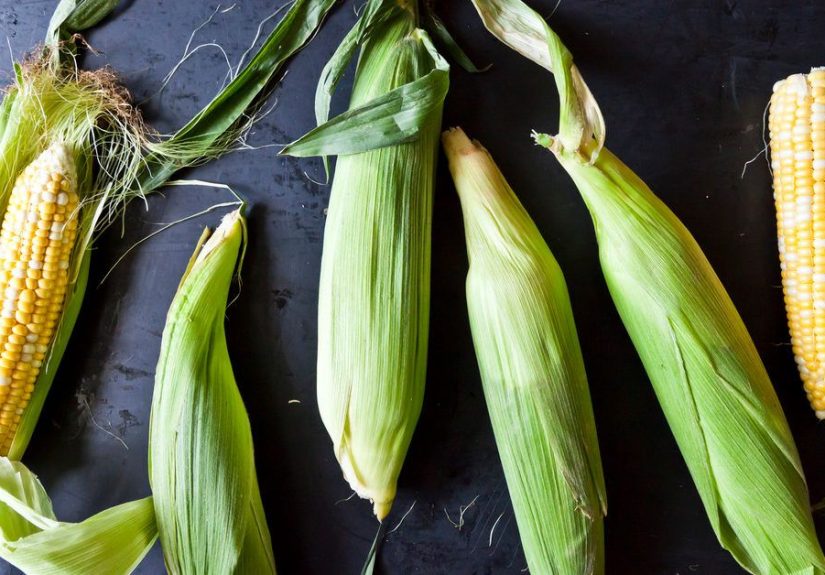
Cornstarch is the purified starch extracted from the endosperm of corn kernels. In plain English: it’s the part of corn that’s mostly carbohydrate, separated from the fiber, protein, and fat. What you get is a fine white powder that doesn’t taste like much but can transform a watery sauce into something that clings lovingly to a spoon.
Cornstarch vs. Corn Flour vs. Cornmeal
- Cornstarch = mostly starch (refined carb), very little else.
- Corn flour = ground whole corn (more nutrients, more fiber, more flavor).
- Cornmeal = coarser grind (think cornbread and polenta vibes).
If you’re trying to get more nutrition from “corn,” cornstarch is not the route. It’s like asking if a car’s steering wheel is a good road trip snack. Useful? Absolutely. Food group? Not so much.
Cornstarch Nutrition: What You’re Actually Eating
In typical cooking, cornstarch is used in small amountsoften 1 to 2 tablespoons for a whole pot of soup or a pan sauce. Nutritionally, that matters because cornstarch is calorie-light in tiny portions but nutrient-light in every portion.
Nutrition Snapshot (Per 1 tablespoon / ~8g)
- Calories: about 30
- Carbohydrates: about 7g
- Fiber: 0g
- Sugar: 0g
- Protein: 0g
- Fat: 0g
The key point: cornstarch is almost pure carbohydrate with virtually no fiber. And because fiber helps slow digestion, refined starches can affect blood sugar differently than carbs that come packaged with fiber, protein, or fat.
Is Cornstarch “Bad” Because It Spikes Blood Sugar?
This is where cornstarch gets its reputation as the “sneaky starch” in the room. Cornstarch can have a high glycemic impact, meaning it may raise blood glucose more quickly than slower-digesting carbsespecially when cooked into foods.
Glycemic Index vs. Real Life
The glycemic index (GI) measures how quickly a carbohydrate-containing food raises blood sugar compared to glucose (which is the reference point). Foods are often grouped as low, medium, or high GI.
Several resources place cornstarch in the high GI neighborhoodespecially when it’s cooked in dishes like puddings or stews. But here’s the nuance most people miss: GI doesn’t account for serving size.
Why Portion Size Changes the Story
Most people don’t sit down with a bowl of cornstarch and a spoon like it’s a new breakfast cereal trend. (Please don’t.) Cornstarch is usually diluted across a recipe. For example:
- You use 1 tablespoon of cornstarch to thicken a sauce.
- The sauce makes 4 servings.
- That’s roughly 1.75g carbs per serving from cornstarchabout the carb equivalent of… a couple of blueberries that looked at you funny.
So, yes: cornstarch is a refined carb, and refined carbs can raise blood sugar quickly. But in typical culinary use, the overall effect may be modestunless you’re using large amounts, relying on it frequently, or managing a condition where blood sugar response matters a lot.
Who Should Pay Extra Attention?
- People with diabetes or prediabetes: cornstarch-thickened foods can contribute to faster glucose rises, especially in larger portions.
- Anyone on a lower-carb plan: cornstarch is basically pure starch, so it adds carbs without adding much satiety.
- People who feel “crash-y” after refined carbs: you may notice a quicker hunger rebound if cornstarch-heavy foods displace more filling foods.
A practical tip: if you’re watching blood sugar, pair carb-heavy meals with protein, fiber, and healthy fats. A stir-fry thickened with cornstarch hits differently when it’s packed with chicken, tofu, beans, veggies, and nuts versus when it’s mostly noodles and vibes.
Is Cornstarch “Unhealthy” Because It’s Processed?
Cornstarch is highly processed in the sense that it’s refined down to almost a single macronutrient. That’s why it behaves so predictably in cookingand why it contributes so little nutritionally.
But “processed” isn’t automatically “bad.” It’s more helpful to ask: Does this ingredient crowd out more nutrient-dense foods?
If cornstarch is helping you make a homemade soup that you actually enjoy (and therefore you eat more vegetables and lean protein), that’s a net win. If cornstarch is a major player in a diet built around fried coatings, sugary puddings, and ultra-processed snacks, then it’s part of a pattern that may not support long-term health.
Modified Cornstarch and “Modified Food Starch”: Should You Worry?
In packaged foods, you’ll often see “modified corn starch” or “modified food starch.” Despite the sci-fi vibe, “modified” usually means the starch has been treated (physically or chemically) so it performs betterthickening at different temperatures, staying stable after freezing, or holding texture in shelf-stable products.
Is Modified Starch Safe?
In the U.S., modified food starch is regulated and permitted for use in food within established rules. For most people, it’s considered safe in typical dietary amounts. If you have a specific medical condition, food allergy, or sensitivity, you’ll want to be more label-aware, but “modified” by itself is not a health emergency siren.
Gluten-Free Note: What About Wheat-Derived Starches?
Cornstarch is naturally gluten-free. However, ingredient labeling can get confusing with starches in general. In the U.S., wheat is a major allergen and must be declared clearly on packaged foods when present. If a starch ingredient is derived from wheat in a way that triggers allergen rules, you should see wheat disclosed (either in the ingredient list or a “Contains: Wheat” statement). If you have celiac disease or are extremely sensitive, choosing products labeled gluten-free can add an extra layer of confidence.
Cornstarch and Digestive Health
Cornstarch is easy to digest for many people because it contains virtually no fiber and very little protein or fat. That can be a plus or minus depending on your goals:
- Plus: It’s gentle on some sensitive stomachs and is sometimes used in bland diets.
- Minus: It doesn’t feed your gut the way fiber-rich foods do, and it won’t help with regularity.
What About Resistant Starch?
You may hear about resistant starcha type of starch that “resists” digestion and acts more like fiber, potentially supporting gut bacteria and metabolic health. That’s real science, but it’s not the same thing as ordinary cornstarch in your pantry. Some specialty corn-based starches (like high-amylose resistant starch) are engineered to behave differently in the body. Standard cornstarch is primarily rapidly digestible starch once cooked into foods.
Corn Allergy, Sensitivities, and Other “It Depends” Situations
For most people, cornstarch is well tolerated. But a few situations deserve special mention:
Corn Allergy
Corn allergy is considered uncommon, but it exists. People with true IgE-mediated corn allergy can react to corn and corn-derived ingredients. Because cornstarch is highly refined, some individuals may tolerate it better than less refined corn productsbut others may still react. If you suspect an allergy, that’s a “talk to an allergist” situation, not a “let’s crowdsource your immune system on the internet” situation.
Type 1 Diabetes and Nighttime Blood Sugar (A Special Case)
You might see discussions about uncooked cornstarch being used in certain medical contexts to help stabilize overnight blood glucose. That’s a real clinical strategy in specific circumstances, but it should be used under medical guidance. It’s not a DIY hack and it’s not the same as eating cornstarch-thickened foods for dinner.
Difficulty Swallowing (Dysphagia)
Starchesincluding cornstarchhave historically been used to thicken liquids for people with swallowing difficulties. Today, other thickening systems are also common. If this applies to you or your family, follow your clinician’s instructions closely; consistency and safety matter.
Cornstarch Outside the Kitchen: Skin, Baby Powder, and Common Myths
Cornstarch isn’t only foodit’s also used in some body powders and home remedies because it absorbs moisture.
Diaper Rash and Moisture Control
Some caregivers use cornstarch to help keep skin dry. The caution: powders can be messy (and inhalation is a concern), and cornstarch won’t treat infections. If a rash is caused by yeast or bacteria, it needs the right treatmentnot just a dryness strategy. If anyone is considering cornstarch for a baby’s skin, it’s wise to follow pediatric guidance and use safer application methods (like a paste) when appropriate.
So… Is Cornstarch Bad for You? The Practical Bottom Line
Cornstarch isn’t “bad” in the way spoiled food is bad. It’s a refined ingredient that does a job. The health impact depends on how much you use, how often, and what it’s replacing.
When Cornstarch Is Totally Fine
- You use it occasionally to thicken sauces, soups, and stir-fries.
- Your overall diet is rich in whole foods: vegetables, fruits, beans, whole grains, nuts, lean proteins.
- You’re using it to make home cooking easier (and more enjoyable).
When to Use a Lighter Hand
- You rely on cornstarch-heavy foods frequently (fried coatings, heavy desserts, ultra-processed snacks).
- You’re managing blood sugar and notice spikes after cornstarch-thickened meals.
- You need more fiber and satiety in your diet (cornstarch won’t help there).
Cornstarch Substitutes: If You Want Options
If you’re limiting cornstarch or just want variety, here are common alternatives:
For Thickening Sauces and Soups
- Flour (roux): adds a richer body, but contains gluten and can taste “floury” if undercooked.
- Arrowroot or tapioca starch: gluten-free; often gives a glossy finish (great for fruit fillings).
- Potato starch: strong thickening power; can get a little gluey if overused.
- Pureed vegetables/beans: adds fiber and nutrients (and secretly upgrades your soup).
For Crispy Coatings
- Rice flour: light, crisp texture (popular in gluten-free frying).
- Potato starch: can deliver extra crunch.
- Crushed nuts or seeds: more nutrient-dense, but a different texture and flavor.
Real-World Experiences With Cornstarch (The Good, the Weird, and the Lumpy)
Ask ten home cooks about cornstarch and you’ll get eleven opinionsbecause someone will answer twice, once while whisking and once while regretting not whisking. Here are some common “real-life” experiences people report when they use cornstarch regularly, plus what tends to explain them.
1) “It Worked… Then It Got Clumpy”
The classic mistake is dumping cornstarch straight into a hot liquid. Cornstarch gelatinizes quickly, so it can form tiny sealed balls that refuse to dissolve. The fix is almost always the same: make a slurry first (cornstarch mixed with cold water), then drizzle it into the simmering sauce while stirring. People who swear cornstarch “always clumps” usually just haven’t been introduced to the slurry lifestyle yet.
2) “My Stir-Fry Sauce Looked Like Takeout (In a Good Way)”
This is cornstarch’s moment of glory. A small amount thickens sauces so they cling to food instead of pooling sadly at the bottom of the pan. Many cooks notice that even a teaspoon can make a homemade teriyaki-style sauce feel “restaurant-y.” That doesn’t mean it’s healthierbut it can make homemade meals more satisfying, which sometimes leads to fewer ultra-processed convenience meals during busy weeks.
3) “It Made My Fried Chicken Extra Crispy”
Cornstarch is popular for crisp coatings because it creates a delicate, shattering crust. People often mix it with flour or use it alone for certain recipes (like crispy tofu). The tradeoff is that fried foodsregardless of the starchare still fried foods. Many home cooks find that cornstarch lets them use a lighter coating and still get crunch, which can reduce the temptation to double-dredge and overdo it.
4) “I’m Watching My Blood Sugar and I Noticed a Difference”
Some people who track glucose (especially with a continuous glucose monitor) say cornstarch-thickened sauces can raise their numbers faster than expected. Often, it’s not the single tablespoon in a whole recipeit’s the context: the sauce is on top of rice, noodles, breaded chicken, or a sugary glaze. In real life, meals stack carbs. People who feel best with steadier blood sugar often report success when they keep the cornstarch but build the plate differently: more vegetables, more protein, and smaller portions of refined carbs.
5) “Cornstarch Helped My Gluten-Free Baking Feel Less Sad”
Gluten-free baking can be tricky because gluten is basically nature’s scaffolding. Many gluten-free flour blends include starches (sometimes cornstarch, potato starch, or tapioca) to improve tenderness and structure. Home bakers often say cornstarch makes cakes softer and cookies less dense. The flip side: starch-heavy baked goods can be less filling, so people may want a second serving sooner. Pairing gluten-free treats with protein or fiber (like Greek yogurt, nuts, or fruit) is a common “works for me” strategy.
6) “I Read the Label and Cornstarch Is Everywhere”
Lots of people notice “modified food starch” or “cornstarch” in salad dressings, sauces, soups, and frozen meals. That’s because starch is a cheap and effective texture manager. The experience many shoppers describe is less about cornstarch itself and more about realizing how many packaged foods rely on thickeners. For some, that becomes a cue to cook more at homenot because cornstarch is scary, but because they want more control over salt, sugar, and overall ingredients.
The big takeaway from real-life use: cornstarch is most often a “little bit goes a long way” ingredient. It’s rarely the main character in a healthy (or unhealthy) dietunless you’re using it constantly in high-starch, low-fiber meals. Used strategically, it can improve texture and make home cooking easier. Used excessively, it can be one more refined carb in a day that already has plenty.
Conclusion
Cornstarch isn’t a villain hiding behind your gravy boat. It’s a refined starch that’s nutritionally sparse but functionally useful. For most people, using cornstarch in moderationespecially as part of balanced, mostly whole-food mealsis perfectly fine. If you’re managing blood sugar, have a corn allergy, or are navigating strict gluten-free needs, cornstarch may require a bit more strategy and label-reading. Otherwise, consider it what it is: a kitchen helper, not a health supplement.







 Close
Close