
Table of Contents >> Show >> Hide
- What’s Behind Ford’s “Do Not Drive” Brake Warning?
- Which Ford Vehicles Are Affected?
- What Exactly Is the Brake Defect on These 2,000+ Trucks?
- How to Check If Your Ford Is Under a “Do Not Drive” Order
- Why Are There So Many Ford Brake Recalls Lately?
- Practical Safety Tips for Any Ford Owner
- What to Do If You Get a “Do Not Drive” Notice
- Real-World Experiences: Living Through a “Do Not Drive” Recall
- The Bottom Line
When a car company tells you, “Please don’t drive the thing we sold you,” it’s not a suggestion. It’s the automotive equivalent of the fire alarm going off in a movie theater: drop the popcorn and move. That’s exactly what’s happening with thousands of Ford owners after the automaker and federal safety officials issued a rare and serious “Do Not Drive” warning for certain vehicles with a risky brake defect.
If you own a newer Ford Super Duty truck or you’ve seen headlines about Ford brake recalls and leaks, you might be wondering: Is my vehicle affected? Is it safe to drive to work… or even to the dealership?
Let’s break down what’s going on with this brake defect, which models are involved, what “Do Not Drive” really means, and exactly what you should do nextwithout panic, but also without pretending your truck is fine when it might not be.
What’s Behind Ford’s “Do Not Drive” Brake Warning?
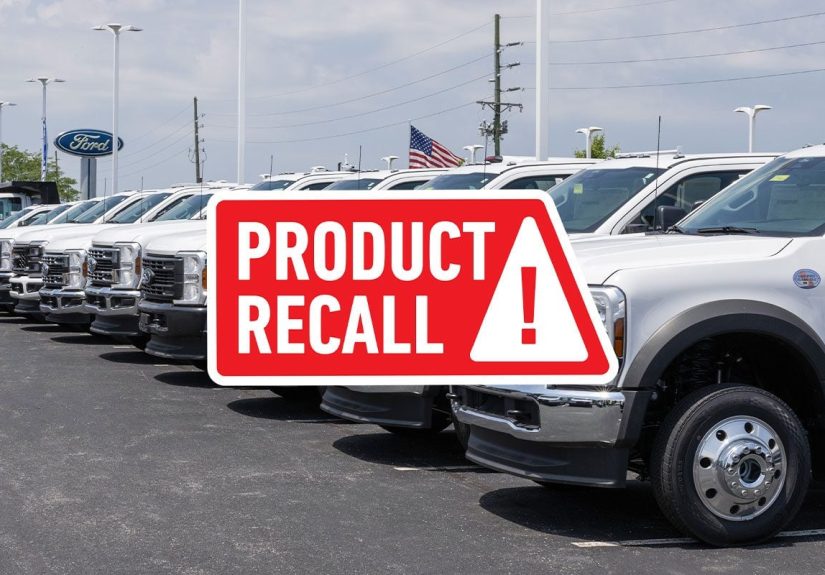
The current “Do Not Drive” warning centers on a specific batch of heavy-duty Ford pickups from the 2025 model year. Ford has recalled just over 2,300 Super Duty trucksincluding certain F-250, F-350, F-450, and F-550 modelsbecause a critical part in the brake booster assembly may be missing.
The problem? A tiny but essential retaining spring that keeps the brake booster pushrod connected to the brake pedal may not have been installed at the factory. That sounds like a small oversight, but in brake world it’s huge: if the pushrod disconnects, you can suddenly lose your brakes completely.
According to recall documents and safety regulators, this defect can cause a sudden loss of brake function without warning. No gentle fade, no squeaks, just “brake pedal, meet floor” at exactly the wrong time. Because of that risk, the National Highway Traffic Safety Administration (NHTSA) and Ford are not sugarcoating things: affected owners are told not to drive these trucks until they’re repaired.
“Do Not Drive” vs. “Normal” Recalls: Why This One Is Different
Automakers issue recalls all the time. You’ve probably tossed at least one recall postcard straight into the recycling bin. But a “Do Not Drive” recall is rare. It’s reserved for problems that could lead to immediate, life-threatening danger if the car stays on the road.
Most recalls address issues like software glitches, warning lights, or parts that might wear out early. You’re usually told something like, “Schedule service at your convenience.” A “Do Not Drive” notice is more like, “Your truck is grounded. Call us now.”
In this case, the combination of a heavy truck, a missing brake part, and the potential for total brake failure is serious enough that Ford wants those vehicles parked until a technician can confirm the fix.
Which Ford Vehicles Are Affected?
The core “Do Not Drive” warning applies to a specific group of 2025 Ford Super Duty trucks, including certain:
- 2025 Ford F-250 Super Duty
- 2025 Ford F-350 Super Duty
- 2025 Ford F-450 Super Duty
- 2025 Ford F-550 Super Duty
All of these affected trucks were built in 2025 and share the same potential brake booster issue. The exact list of affected vehicles is determined by VIN (Vehicle Identification Number), so not every Super Duty on the road is at risk.
At the same time, Ford has been dealing with a broader wave of brake-related recalls across other models. While these may not all include a “Do Not Drive” warning, they show a pattern of brake system concerns that drivers should take seriously:
- 2022–2024 Ford Expedition and Lincoln Navigator: Front brake lines may rub against the engine air cleaner outlet pipe, causing brake fluid leaks and reduced braking performance.
- 2015–2018 Ford Edge and 2016–2018 Lincoln MKX: Rear brake jounce hoses can rupture and leak brake fluid, leading to longer stopping distances.
- Certain Ford, Lincoln SUVs and trucks (various years): Brake master cylinder defects or fluid contamination can cause a substantial loss of brake fluid and reduced braking force at the front wheels.
If you’re driving a Ford and you’ve seen any brake-related warning in the news, treat it as a prompt to check your VIN, even if your exact model wasn’t mentioned.
What Exactly Is the Brake Defect on These 2,000+ Trucks?
On the Super Duty trucks under the “Do Not Drive” order, the issue is not about a slow leak or a worn-out part. It’s about missing hardware in the brake booster assembly.
Here’s the non-engineer breakdown:
- When you press the brake pedal, a pushrod transfers your foot’s force to the brake booster and master cylinder.
- A small but vital retaining spring keeps that pushrod securely attached to the pedal.
- If the spring was never installed, the pushrod can work loose and disconnect from the pedal.
- Result: You stomp the pedal and… nothing. The system can’t generate the hydraulic pressure needed to apply the brakes.
Unlike a leak, which often gives you warning signs (spongy pedal, warning lights, fluid stains on the driveway), a missing spring can cause a near-instant and total loss of brakes. That’s why the guidance is to park the vehicle instead of “just being careful.”
Signs Your Brakes Might Already Be in Trouble
Even if your specific truck or SUV isn’t in this “Do Not Drive” group, brake problems should never be ignored. Whether from this recall or others, watch for:
- Longer stopping distances or feeling like you have to press much harder than usual
- Soft or spongy brake pedal that sinks toward the floor
- Red brake warning light or ABS light on the dash
- Fluid puddles under the front or rear of the vehicle
- Pulling to one side when braking
If you ever feel like your brakes aren’t responding normally, treat it like a medical emergency for your car: stop driving and get it checked right away.
How to Check If Your Ford Is Under a “Do Not Drive” Order
The good news is that finding out whether your vehicle is affected takes less time than ordering a drive-thru coffee. Here’s what to do:
1. Locate Your VIN
Your Vehicle Identification Number (VIN) is a 17-character code unique to your car or truck. You can find it:
- On the driver’s side dashboard, visible through the windshield
- On a sticker inside the driver’s door jamb
- On your registration or insurance documents
2. Check the NHTSA Recall Website
Go to the official NHTSA recall site and enter your VIN. The tool will show all open safety recalls for your vehicle, including any “Do Not Drive” orders or “Park Outside” warnings.
3. Use Ford’s Recall Lookup
Ford has its own recall lookup tool as well. Plug in your VIN, and you’ll see:
- Active recalls or service campaigns
- Whether a repair has already been done
- Instructions for next steps
Ford also maintains specific campaign pages for certain defects, like master cylinder leaks and brake booster issues, with more technical details for those who enjoy reading car paperwork with their morning coffee.
4. Call Your Ford Dealer
If your truck is on the “Do Not Drive” list, the dealership can guide you through immediate options. Commonly, that may include:
- Arranging a tow to the dealership (do not just “carefully” drive it in)
- Scheduling a priority repair
- Providing a loaner vehicle or help with alternate transportation, depending on the program and local dealer policies
Repairs for safety recalls are performed free of charge. You should never be billed for fixing a defect covered by an official recall.
Why Are There So Many Ford Brake Recalls Lately?
If it feels like you’ve been hearing about Ford brake recalls a lot, you’re not wrong. Recent years have seen multiple Ford and Lincoln campaigns for issues such as:
- Front or rear brake hoses that can rupture and leak fluid
- Brake lines rubbing against other engine components
- Master cylinders that leak fluid into the brake booster
- Software errors affecting brake system monitoring
On the bright side, these recalls mean defects are being found and correctedoften before widespread injuries occur. Many issues were identified through warranty claims and customer complaints, not massive crash statistics.
Still, the pattern is a reminder that even modern vehicles with advanced safety tech are only as good as their maintenance and recall compliance. Ignoring that little postcard from the manufacturer is like ignoring an email from your doctor labeled “Test ResultsPlease Open.”
Practical Safety Tips for Any Ford Owner
Even if your vehicle isn’t part of the “Do Not Drive” group, it’s smart to build some safety habits around your brakes.
1. Make Recall Checks a Routine
Any time you:
- Buy a used car
- Move to a new state
- Schedule major service
…take 60 seconds to run your VIN through the NHTSA and Ford recall tools. It’s one of the easiest safety wins you’ll ever get.
2. Pay Attention to Brake Feel
Think of your brake pedal as your car’s mood ring. If it suddenly feels differentsofter, firmer, mushier, or it vibratesyou’ve just received a message. Don’t wait to see if it “goes away.”
3. Don’t Ignore Warning Lights
A red brake warning light is not decorative. It usually means low fluid, a hydraulic problem, or a serious fault in the braking system. Pull over somewhere safe and investigate or call for help.
4. Keep Up With Fluid and Inspections
Brake fluid doesn’t last forever. Regular inspections can catch leaks, worn hoses, and other early issues before they turn into full-blown “why aren’t we stopping?” moments.
What to Do If You Get a “Do Not Drive” Notice
If Ford or NHTSA tells you not to drive your vehicle, here’s the calm, step-by-step approach:
- Stop driving immediately. Park the vehicle in a safe place.
- Confirm your recall status. Use your VIN on the NHTSA and Ford sites or call your dealer.
- Ask about towing. Many recalls include towing assistance, especially for “Do Not Drive” situations.
- Clarify transportation options. Ask if loaners, rentals, or reimbursements are available.
- Get documentation. Keep records of recall notices, repair orders, and any expenses you’re told will be reimbursed.
Above all, resist the urge to think, “It’s probably fine, I’ll just drive it a little.” The math is simple: the inconvenience of parking your truck for a few days is nothing compared to the cost of a serious crash.
Real-World Experiences: Living Through a “Do Not Drive” Recall
On paper, a recall is a neat little PDF and a reference number. In real life, it’s much messierespecially when your truck is your livelihood, your family hauler, or both.
Mark’s Work Truck Surprise
Imagine Mark, a contractor who depends on his 2025 F-350 Super Duty to haul tools, trailers, and lumber. One evening, he scrolls through social media and sees a headline: “Ford Issues ‘Do Not Drive’ Warning for Certain Super Duty Trucks.” His stomach dropsbecause the photo looks exactly like his truck.
He punches his VIN into the NHTSA website and gets the confirmation he was dreading: open safety recall, do not drive. The next morning, instead of loading up for a job site, he’s on the phone with his Ford dealer, arranging a tow and figuring out how to keep his business running in the meantime.
Is he frustrated? Absolutely. But he’s also realistic. Losing the use of his truck for a few days is annoying. Losing his brakes at highway speed with a trailer attached would be catastrophic. When the repairs are done and the retaining hardware is confirmed, Mark gets his truck backslightly inconvenienced, but still in one piece.
Angela’s Family SUV and the Slow Leak Lesson
Angela drives a Ford SUV that was involved in an earlier brake fluid leak recall. She first noticed that her brake pedal felt a little softer and that stopping took just a bit more distance than usual. Then a warning light came on.
At first, she chalked it up to normal wear. Thankfully, a friend mentioned the recent Ford brake recalls, and she decided to check her VIN. Sure enough, there was an open recall involving a brake hose that could leak fluid and reduce braking performance.
Her dealership replaced the affected parts and topped up the brake fluid at no cost. The tech showed her the old hose, which had small cracks forming. It hadn’t burst yetbut it was headed that way. That experience turned her into the person who now says, “Yes, actually, you should read those recall letters.”
Lessons From Drivers Who’ve Been There
Talk to people who’ve gone through a “Do Not Drive” recall and a few themes pop up:
- Ignoring the recall never helps. No one looks back and says, “I’m really glad I drove around with a known brake defect.”
- Dealers are often more helpful than expected. From towing to loaners, many owners are surprised at how quickly safety-related repairs are prioritized.
- Communication can be patchy. Some owners first hear about recalls from news articles or social media instead of official lettersanother reason to periodically check your VIN yourself.
- Peace of mind is worth it. Once the fix is done, most drivers feel more confident, not less, knowing the issue is resolved.
Ultimately, the shared experience of drivers dealing with Ford’s brake recalls boils down to this: cars are complex, humans make mistakes, and the recall system exists to catch and correct those mistakes before they cost lives. It’s not perfect, but it’s a lot better than pretending everything is fine until someone’s brakes fail in front of a busy intersection.
The Bottom Line
If your Ford is part of the “Do Not Drive” brake defect recall, consider this your official permission to cancel plans and call your dealer instead. Park it, verify your VIN, arrange repairs, and don’t get back behind the wheel until a qualified tech says it’s good to go.
Even if your specific vehicle isn’t impacted, this is a timely reminder that staying on top of recalls and brake maintenance is non-negotiable. Your truck can be big, powerful, and shinybut if it can’t stop safely, it’s just an expensive way to make bad decisions faster.







 Close
Close