
Table of Contents >> Show >> Hide
- What Are Ironrite Chairs, Exactly?
- The Origin Story: From Detroit Industry to Laundry-Room Legend
- Why the Ironrite Health Chair Still Gets Attention
- Design Features That Define Ironrite Chairs
- From Laundry Tool to Museum-Worthy Design
- How to Identify an Original Ironrite Chair
- What Affects Ironrite Chair Value?
- Should You Restore One or Leave It Alone?
- How Ironrite Chairs Work in Modern Interiors
- Are Ironrite Chairs Comfortable?
- What Ironrite Chairs Reveal About American Design
- Experience Section: What It Feels Like to Live With an Ironrite Chair
- Final Thoughts
Note: Body-only HTML. SEO JSON is included at the end of this article.
Some chairs were born for glamorous jobs. They lounged in penthouses, posed in architecture books, and waited patiently for someone in a turtleneck to call them “iconic.” Ironrite chairs took a much less dramatic route. They came from the world of steam, laundry, elbow grease, and the never-ending American war against wrinkled fabric. That is exactly what makes them fascinating.
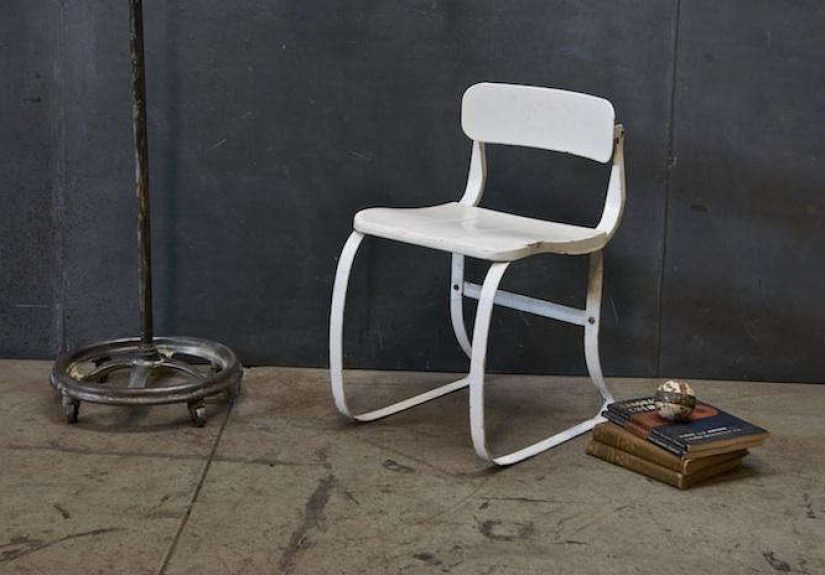
When people search for Ironrite chairs, they are usually talking about the Ironrite Health Chair, a compact industrial chair associated with the Ironrite ironing machine. It was not created as a fancy living room throne. It was built to support a person working at an ironer, helping the operator sit low, stay close to the machine, and maintain a more efficient posture. In other words, this chair was designed for business, not brunch.
Today, Ironrite chairs sit at an unusual and very appealing crossroads. They are part industrial design, part domestic labor history, part American manufacturing story, and part collector obsession. To some buyers, they are vintage seating with serious character. To design lovers, they are early ergonomic furniture. To antique hunters, they are the kind of find that makes you send blurry warehouse photos to three friends with the caption, “Do I buy this weird amazing thing?”
What Are Ironrite Chairs, Exactly?
The short answer is this: an Ironrite chair is a work chair linked to the Ironrite ironing system, especially the company’s well-known Health Chair from the late 1930s. It was made to pair with Ironrite ironing machines, which allowed users to iron while seated instead of standing over a heavy hand iron for what probably felt like the length of a minor geological era.
This chair matters because it was not an afterthought. It was part of a larger design philosophy. Ironrite did not merely sell an appliance; it sold a smoother, more modern vision of household work. The machine reduced repetitive motion. The chair supported posture. The overall setup suggested that domestic labor could be organized with the same seriousness as industrial efficiency. Very 20th century. Very American. Very “let’s optimize Tuesday.”
That is why the chair remains interesting even when separated from the ironer itself. The form still tells the story. Its low profile, practical size, pivoting back, and durable materials reflect a piece of furniture designed around movement and task performance rather than pure decoration.
The Origin Story: From Detroit Industry to Laundry-Room Legend
To understand Ironrite chairs, it helps to understand Ironrite itself. The company grew out of early 20th-century Michigan manufacturing, beginning in Detroit and later expanding into Mount Clemens. Ironrite ironers became especially well known in the 1940s and 1950s, when efficient home appliances were marketed as symbols of modern living. Before permanent-press fabrics and before people started worshiping the casual glory of “wrinkle-friendly,” ironing was a regular and exhausting household task.
Ironrite stepped into that world with a machine meant to reduce strain and increase speed. Instead of pushing a heavy hand iron back and forth, the user fed textiles through a roller system. Advertising and instructional materials presented the process as easier, faster, safer, and far less maddening. The chair fit into that promise perfectly. It supported the idea that ironing could be done while seated in a controlled position rather than while hovering like a tired flamingo over an ironing board.
That functional purpose is one reason the chair still feels intelligent. It was not designed to chase trends. It was designed to solve a problem. Furniture with a job often ages better than furniture with just a vibe.
Why the Ironrite Health Chair Still Gets Attention
Vintage furniture collectors love a good backstory, and the Ironrite Health Chair has one. It belongs to a category of design that feels honest. No fake distressing. No decorative nonsense. No attempt to pretend it came from a Paris salon when it clearly came from the practical brain of somebody who wanted laundry to stop ruining afternoons.
The chair’s appeal comes from several things working together:
- Ergonomic intent: it was made to support a specific working posture.
- Industrial character: steel, plywood, enamel, and compact geometry give it strong visual presence.
- Historical relevance: it connects directly to domestic technology and labor history.
- Design credibility: museum collections helped turn it from work tool into collectible object.
- Scarcity: original examples are not impossible to find, but they are not exactly growing on trees either.
In the modern market, that combination is powerful. Buyers are not just paying for a place to sit. They are buying a conversation piece with a real reason for looking the way it does.
Design Features That Define Ironrite Chairs
1. Compact proportions
Ironrite chairs are generally small, practical, and close to the ground compared with many lounge or dining chairs. That made sense for machine use. The operator needed to sit near the ironer and remain in a productive position, not recline like a movie star waiting for grapes.
2. Steel frame construction
A defining feature is the shaped steel frame. It gives the chair an industrial, machine-age look that still feels modern today. The frame is often enameled in white or cream, though wear, yellowing, and age-related patina are common on surviving examples.
3. Plywood or metal seat and back
Early versions are commonly associated with steel frames and lacquered plywood seat-and-back elements. Later examples are often described in collector and dealer listings as all-metal or as having more metal-forward construction. That shift matters because it helps buyers estimate era, authenticity, and restoration needs.
4. Pivoting backrest
One of the most charming features is the pivoting back. This is not a gimmick. It reflects the chair’s ergonomic purpose. The back could move with the user rather than forcing the user into one rigid angle. For a 1930s work chair, that is a pretty sophisticated move.
5. Clean industrial silhouette
Ironrite chairs have the kind of silhouette designers adore: spare lines, visible structure, no wasted gesture. They look good because they were made to work well. That is usually the best kind of beauty.
From Laundry Tool to Museum-Worthy Design
One of the reasons Ironrite chairs continue to appear in design conversations is that they crossed over from utility into cultural recognition. Once a piece of furniture lands in respected museum collections, people stop seeing it as “just old stuff” and start reading it as evidence of design history. The Ironrite Health Chair has earned that kind of attention.
That museum recognition is important because it confirms what collectors had already figured out: this chair represents more than nostalgia. It captures a specific moment when American manufacturers were trying to modernize everyday life through thoughtful engineering and better user comfort. It also shows that domestic tools deserve design analysis, not just fancy architectural furniture. A chair made for ironing can still belong in a serious conversation about modern design. Frankly, that feels deserved.
In practical terms, museum visibility also boosts buyer confidence. A documented chair with known designer attribution, known manufacturer, known period, and recognizable materials tends to hold stronger long-term appeal in the vintage market.
How to Identify an Original Ironrite Chair
If you are shopping for one, slow down before throwing money at the first chair with a white frame and old paint. Vintage markets are full of optimism and mislabeling. Here is what to look for:
- Designer and maker attribution: Herman A. Sperlich and Ironrite are the names most often associated with authentic Health Chairs.
- Patent decal or marking: some documented examples include a patent number decal on the back.
- Pivoting backrest: this is one of the strongest recognizable features.
- Correct materials: steel with lacquered plywood on earlier examples; more metal-heavy later versions may exist.
- Proportions: originals are compact and task-oriented, not oversized or decorative.
- Age-consistent wear: old enamel loss, minor rust, yellowing, and finish variation are common and not automatically bad signs.
Ask sellers for detailed photos of the back, underside, joints, and any labels. A glamorous front view tells you almost nothing. Vintage furniture shopping is a little like detective work, except the suspect is usually a chair and the clues are hidden under 80 years of dust.
What Affects Ironrite Chair Value?
Value depends on more than age. A rough original chair with strong provenance may be more desirable than a heavily restored example that has lost its character. In general, these factors matter most:
- Original finish: collectors often prefer honest wear over over-restoration.
- Structural soundness: bent steel, unstable legs, or broken back pivots reduce appeal.
- Material rarity: earlier plywood-and-steel versions often attract strong interest.
- Presence of labels or decals: documentation helps.
- Visual quality: the cleaner and more sculptural the lines appear, the stronger the market appeal.
- Seller credibility: a well-documented listing tends to perform better than “old chair maybe hospital maybe factory maybe haunted.”
Prices vary widely because the market is niche. Some buyers want one as a functional accent chair. Others want it as a design object with museum-adjacent bragging rights. Condition, region, and timing all matter.
Should You Restore One or Leave It Alone?
This is where collectors split into camps. One side wants crisp paint, stabilized surfaces, and a chair that looks clean enough for a modern interior. The other side wants every scuff preserved like a sacred wrinkle in time. Both positions have merit.
If the chair is structurally sound and the finish wear is attractive, a light conservation approach is often wiser than a full makeover. Clean it carefully, stabilize rust, protect the materials, and avoid sanding away history. Once original surface is gone, it is gone forever.
If the chair is badly damaged, restoration can make sense, but it should respect the original form, materials, and finish character. This is not the time for glossy spray paint and “close enough” hardware. Ironrite chairs look best when they still feel like serious objects, not like props from a themed diner.
How Ironrite Chairs Work in Modern Interiors
Surprisingly well, actually. The chair’s stripped-down silhouette makes it easier to style than many heavily ornate antiques. It can fit into several kinds of spaces:
- Industrial interiors: obvious match, especially with steel, concrete, and vintage machinery.
- Minimalist rooms: the chair’s restraint gives it sculptural power without visual clutter.
- Laundry rooms: the historical irony here is delightful and fully intentional.
- Studios and offices: as an accent chair, it adds design depth and a great story.
- Retail or hospitality spaces: one original Ironrite chair can make a whole corner look more curated.
The best styling strategy is not to over-decorate around it. Let the chair be what it is: lean, useful, a little severe, and deeply interesting.
Are Ironrite Chairs Comfortable?
This is the question everyone asks after the design admiration stage ends. The honest answer is: comfortable enough for the purpose they were designed for. They are not cushy lounge chairs. They are work chairs. But that does not mean they are harsh.
In fact, many people are surprised by them. The pivoting back and sensible proportions can make the chair feel more supportive than it looks. The comfort is practical, not plush. Think “I can sit here and do something” rather than “I will vanish into this chair for six hours with a blanket and a TV remote.”
That distinction matters. Ironrite chairs succeed when judged by ergonomic intention, posture support, and efficient use of space. They are not trying to compete with upholstered reading chairs, and it would be unfair to expect them to.
What Ironrite Chairs Reveal About American Design
The deeper value of Ironrite chairs is cultural. They remind us that design history is not just about luxury. It is also about labor, repetition, health, and the systems that shape everyday life. This chair came out of a world where laundry consumed real time and real physical effort. Its existence says that even routine domestic work deserved better tools and better posture.
That idea feels modern even now. Good design should not only flatter the eye; it should reduce strain, improve movement, and respect the body doing the work. Ironrite chairs captured that idea early, which helps explain why they still feel relevant. They are pieces of furniture, yes, but they are also small arguments in steel and plywood: ordinary tasks deserve thoughtful design too.
Experience Section: What It Feels Like to Live With an Ironrite Chair
The experience of owning an Ironrite chair is different from owning a typical vintage chair because it never feels anonymous. Even before guests know its history, they can tell it was designed for a very specific purpose. It has that focused look that functional objects often carry. You do not really “just have” an Ironrite chair. You notice it. You explain it. You end up talking about old appliances, home labor, Michigan manufacturing, and why the back moves. It is a chair that starts conversations before anyone even sits down.
In day-to-day use, the first surprise is usually the scale. Many people expect it to feel clunky or awkward because it comes from industrial and utility history, but the chair is compact. It slips into a room more easily than a bulkier antique. In a studio, office, mudroom, or hallway corner, it can act almost like a small sculpture with a practical streak. It does not demand a giant room. It just asks not to be hidden behind a pile of shipping boxes and regret.
The second surprise is the comfort. Nobody buys an Ironrite chair expecting luxury-level softness, and that is wise. But once you sit in a good example, the proportions make sense. The chair encourages a working posture. The back has a useful give. It feels purposeful rather than punishing. For short sits, desk-side use, or simply as a place to land while putting on shoes or sorting laundry, it can be unexpectedly satisfying. It is the kind of comfort that earns respect instead of applause.
Visually, an Ironrite chair ages well. Small chips, enamel wear, slight rust, and yellowing often add to its appeal rather than hurting it. That patina tells the truth. It says this object spent decades in real rooms doing real work. In a world full of fake vintage finishes and factory-made “character,” that honesty is refreshing. The chair looks best when it is allowed to be itself.
There is also a strange emotional layer to living with one. Because the chair comes from the history of domestic work, it can make a space feel more grounded. It reminds you that design is not only about aesthetics but also about effort, time, and bodies. Somebody once sat in this style of chair trying to get through laundry faster, easier, and with less fatigue. That human story stays attached to the object, and it gives the chair more depth than many prettier pieces ever manage.
For collectors, the experience is even richer. Hunting for an authentic Ironrite chair means learning the little clues: the materials, the pivoting back, the proportions, the decals, the honest wear. Once you find one, you do not just bring home a seat. You bring home a slice of American design logic. It is practical, slightly eccentric, historically grounded, and wonderfully free of fluff. That combination is why Ironrite chairs remain so memorable. They are not loud, but they stick with you. Like the best design, they solve a problem, tell a story, and manage to look cool while doing both.






 Close
Close