
Table of Contents >> Show >> Hide
- Why the Bathtub Works So Well as a Surreal Stage
- How Feminine Strength and Vulnerability Coexist in the Frame
- Visual Motifs That Give Bathtub Photography Emotional Depth
- How to Keep Surreal Imagery from Feeling Empty
- What These Images Say About Modern Womanhood
- Personal Experiences Creating Surreal Bathtub Photographs
- Conclusion
There are easier places to make art than a bathtub. A field at golden hour, for example. A studio with clean backdrops and a helpful assistant who does not have to whisper, “Please don’t slip on the rose petals.” But the bathtub has something better than convenience: symbolism. It is intimate without being ordinary, theatrical without needing much decoration, and emotionally loaded in a way few household objects can match. A tub is where people hide, heal, unravel, reset, cry dramatically, and occasionally pretend they are starring in an indie film with a dangerously good soundtrack.
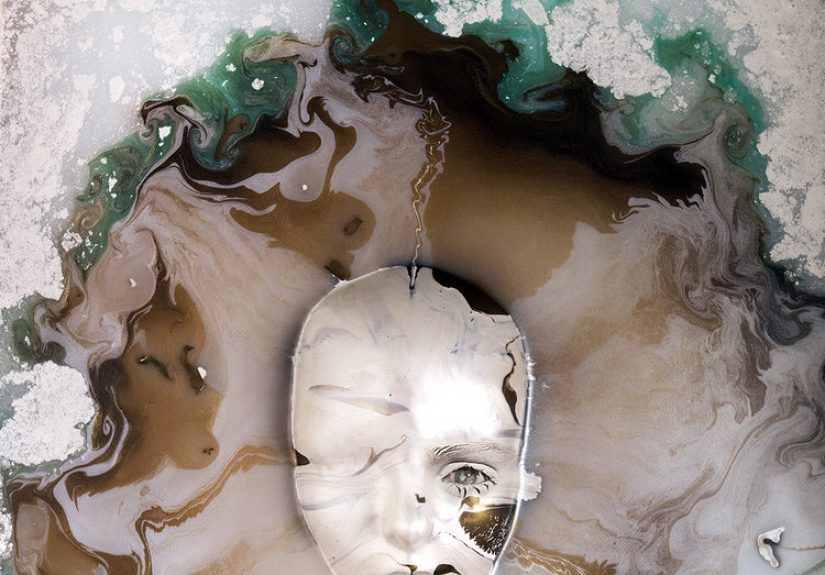
That is exactly why surreal bathtub photography works. When a woman turns the bathroom into a stage for self-portraiture, she transforms one of the most private corners of the home into a place of authorship. The image stops being about passive beauty and starts becoming about control, vulnerability, mood, memory, and self-definition. The bathtub is no longer just plumbing with ambition. It becomes a vessel for identity.
What makes this visual language especially powerful is the tension it carries. Bathtub photographs can look soft, dreamlike, floral, and luminous, but they can also feel claustrophobic, unsettling, and confrontational. That contradiction is not a flaw. It is the point. Feminine strength and feminine vulnerability are often treated like opposites, when in reality they are roommates who share the same mirror. Surreal photography gives them both space to speak.
Why the Bathtub Works So Well as a Surreal Stage
The bathtub sits at the intersection of body, ritual, and domestic life. It is associated with cleansing, privacy, beauty routines, illness, exhaustion, romance, motherhood, grief, and solitude. In one object, you get comfort and exposure, softness and hard edges, water and porcelain, self-care and emotional collapse. From a visual standpoint, that is a fantastic deal.
Unlike a bed, which often carries obvious narrative baggage, or a chair, which can feel static, the bathtub invites transformation. Add cloudy water, flowers, milk, fabric, mirrors, fruit, glitter, or a single sharp prop, and the whole frame shifts from everyday life into symbolism. The bathroom becomes a dream chamber. The body becomes both subject and storyteller.
That matters in feminist image-making because domestic spaces have historically been coded as feminine but rarely treated as places of power. When artists photograph women in kitchens, bedrooms, bathrooms, and other interior spaces, they can expose the pressures of those spaces while also reclaiming them. A bathtub photograph says: yes, this is private; yes, this is domestic; and yes, I still control the frame.
Private Space, Public Meaning
One of the most compelling things about surreal bathtub photography is that it turns privacy outward without giving everything away. The viewer feels close to the subject, but not necessarily entitled to her. That distinction is huge. The strongest images do not simply reveal a woman in a vulnerable moment; they reveal that she chose the moment, shaped it, and offered it on her terms.
That is where self-portraiture changes the game. When the artist is also the subject, the image is no longer just a record of appearance. It becomes a negotiation with the gaze. Is she inviting us in, warning us back, or doing both at once? Is she submerged to disappear, to be reborn, or to suspend herself between those states? The ambiguity gives the photograph its pulse.
Water as Softness, Threshold, and Power
Water is one of the most useful symbols in visual art because it refuses to sit still. It can suggest rebirth, memory, danger, purification, sensuality, grief, or emotional overflow. In surreal bathtub photography, water often functions like a second skin. It blurs edges. It reflects light in unpredictable ways. It turns the body into something more fluid and less fixed.
That fluidity is especially effective when the goal is to channel feminine strength and vulnerability at the same time. Strength, in these images, does not always look like hardness. Sometimes it looks like staying afloat. Sometimes it looks like meeting the camera with tired eyes and refusing to perform perfection. Sometimes it looks like allowing softness to remain visible in a culture that keeps mistaking softness for weakness.
How Feminine Strength and Vulnerability Coexist in the Frame
The best bathtub photographs understand that vulnerability is not the opposite of power. Vulnerability can be power with the armor removed. It can be honesty without apology. It can be the courage to be seen before the performance is fully ironed and accessorized.
That is why surreal feminine imagery often avoids neat binaries. A woman can appear submerged yet commanding. Fragile yet deliberate. Dreamy yet confrontational. Beautiful yet eerie. If the image is too polished, it risks becoming decorative. If it is too chaotic, it can lose emotional precision. The sweet spot is where the photograph feels composed but alive, like a secret that learned how to stand upright.
This is also why facial expression matters so much. Closed eyes can suggest surrender, grief, meditation, or escape. A direct stare can reclaim agency in an instant. A tilted head can read as rest or resistance depending on the lighting, the props, and the body language. Surreal photography is visual poetry, and like all poetry, one tiny shift can change the whole meaning of the line.
The Female Gaze Changes Everything
When images of women are made through a female gaze, something subtle but important changes. The body often stops functioning as a display object and starts functioning as a site of experience. The photograph becomes less interested in pleasing and more interested in expressing. That does not mean it must be ugly, stern, or anti-beauty. It simply means beauty is no longer the only job in the room.
In practical terms, this can show up through pose, styling, framing, and narrative. A body half-hidden beneath water can communicate self-protection instead of availability. Wet hair can feel mythic rather than merely glamorous. Flowers can symbolize tenderness, decay, fertility, memory, or suffocation depending on how they are used. Even pink, that famously underestimated color, can become a weapon if the image knows what it is doing.
Visual Motifs That Give Bathtub Photography Emotional Depth
Not every prop deserves a place in the tub. Some ideas belong on mood boards and should never graduate into adulthood. But when used thoughtfully, recurring motifs can deepen the emotional language of surreal photographs.
Flowers
Flowers are the obvious choice, which is exactly why they need care. Fresh blooms can symbolize softness, sensuality, fertility, and femininity, but wilted petals can introduce mortality, exhaustion, or emotional fallout. A tub full of perfect roses says one thing. A single bruised carnation floating near a bent wrist says another.
Milk or Opaque Water
Cloudy water softens the body’s outline and creates painterly separation between skin and space. It can make the subject appear suspended, almost womb-like, as if she is emerging from memory rather than lying in a bathroom. Used well, it adds mystery. Used badly, it looks like a very expensive cereal accident.
Mirrors and Reflection
Mirrors complicate identity. A reflected face can suggest doubling, fragmentation, self-examination, or the divide between public and private selves. Reflections in water are even more slippery; they refuse clean answers and make the image feel psychologically alive.
Fabric, Tulle, and Clothing
Clothing in water changes the emotional register instantly. A soaked dress can feel bridal, burdened, ceremonial, or ghostly. Sheets of sheer fabric can soften the scene, while heavier garments can make it feel weighted and resistant. Wardrobe is never just styling in this kind of work. It is narrative architecture.
Color
Pastels can suggest innocence or irony. Deep reds can hint at rage, passion, or bodily reality. Green can feel moldy, mythic, or fertile. Monochrome setups often heighten symbolism because they strip away distraction and force the viewer to pay attention to gesture and texture. In a bathtub photograph, color behaves like emotion wearing makeup.
How to Keep Surreal Imagery from Feeling Empty
Plenty of pretty images collapse on contact because they confuse symbolism with decoration. A woman in water with flowers is not automatically meaningful. The photograph needs a point of tension. Something has to push against the prettiness.
That tension can come from expression, contrast, or concept. Maybe the pose looks serene but the hands are clenched. Maybe the palette is soft while the subject’s stare is unblinking. Maybe the set feels luxurious, but the image is really about confinement, loneliness, burnout, or the performance of femininity itself. When the visual language and the emotional intention disagree just enough, the photograph starts to breathe.
Story also matters. Viewers do not need a full script, but they do need a question to live inside. Has she just emerged, or is she sinking? Is this ritual, recovery, fantasy, grief, resistance, or all four before lunch? Surreal photography works best when it leaves the door open but not the whole house.
What These Images Say About Modern Womanhood
Bathtub self-portraits resonate now because modern femininity is full of contradictory demands. Women are still expected to be polished but authentic, strong but pleasing, vulnerable but not messy, beautiful but effortless, independent but never too inaccessible. It is exhausting, and that exhaustion often leaks into visual culture.
Surreal bathtub photography pushes back by making that contradiction visible. It says that femininity is not a fixed performance but a layered experience. The woman in the tub can be the architect of the image and the emotional subject within it. She can look ethereal without becoming passive. She can appear exposed without becoming available. She can turn the domestic interior into a site of imagination, critique, and self-possession.
That is why these photographs linger. They are not just beautiful pictures of women in water. They are arguments about who gets to define softness, who gets to stage vulnerability, and who gets to turn ordinary space into myth.
Personal Experiences Creating Surreal Bathtub Photographs
Creating surreal photographs in a bathtub always sounds glamorous for about seven minutes. Then the water cools down, a flower sticks to your shoulder in the least cinematic way possible, and someone has to rescue a candle before it topples into the scene like an uninvited supporting actor. But that awkwardness is part of the experience, and honestly, part of the magic.
When I build these images, the first thing I notice is how quickly the bathroom stops feeling like a bathroom. Once the light is right and the palette is chosen, the space turns into something more psychological. The tub becomes less about bathing and more about containment. It feels like a borderland between safety and exposure. I am physically held by the edges of the tub, but emotionally the frame opens up into something much bigger. That contrast changes the way I pose, breathe, and think.
There is also something strangely honest about working in water. You cannot fake comfort for long. If you are cold, tired, cramped, or emotionally off-balance, the camera catches it. And while that can be annoying in a practical sense, it can also be artistically useful. The tiny discomforts create real expression. They interrupt vanity. They bring truth into the image, even when the setup itself is dreamlike.
Some of the strongest photographs happen when I stop trying to look elegant and start responding to the space. A bent wrist, a half-submerged mouth, hair spreading unevenly across the water, knees tucked in too tightly, petals drifting where they want instead of where I planned for them to go: those details often say more than a perfect pose ever could. They make the image feel lived in rather than manufactured.
I have also learned that feminine strength rarely arrives looking dramatic. It does not always announce itself with a fierce expression or a warrior-like pose. Sometimes it appears as stillness. Sometimes it is the decision to stay present in front of the camera even when the concept touches something personal. Vulnerability enters the frame because the bathtub is such an intimate setting, but strength appears in the act of shaping that intimacy into art.
And yes, humor absolutely belongs in the process. Surreal photography can deal with heavy themes, but if you cannot laugh when a carefully arranged petal cluster starts drifting south like it has travel plans, you will lose your mind. The seriousness of the image does not require misery on set. In fact, the contrast can help. Some of the most emotionally resonant work comes from an environment where experimentation feels safe enough to fail a little.
What stays with me after these shoots is the feeling that the bathtub is a place where contradictions can coexist without apology. It can hold softness and force, beauty and discomfort, ritual and performance, self-protection and revelation. That is why I keep returning to it. Not because it is trendy, and definitely not because cleaning up afterward is fun, but because it gives me a visual language for experiences that are difficult to explain in straightforward ways. In that small porcelain space, feminine strength and vulnerability do not cancel each other out. They finally get to share the same water.
Conclusion
Surreal bathtub photography endures because it turns a familiar object into an emotionally intelligent stage. In the right hands, the tub becomes a place where feminine identity can be explored without flattening it into cliché. Water softens edges, domestic space gains political and personal charge, and self-portraiture becomes an act of authorship rather than mere appearance.
The result is imagery that feels tender and sharp at once. These photographs can whisper, confront, mourn, seduce, and resist all in the same frame. That layered quality is what makes them memorable. They do not just depict a woman in a private setting; they reveal how private settings can hold myth, memory, agency, and transformation. And that is the real power of the bathtub in surreal photography: it lets vulnerability remain visible while strength quietly takes the lead.







 Close
Close