
Table of Contents >> Show >> Hide
- What Does Breast Dimpling Mean?
- Why Breast Cancer Can Cause Dimpling
- Breast Dimpling Is Not Always Cancer
- Warning Signs That Need Prompt Medical Attention
- How Doctors Diagnose Breast Dimpling
- Treatment for Breast Dimpling Depends on the Cause
- Can Breast Dimpling Be Prevented?
- When to Seek Emergency or Urgent Care
- Practical Experiences and Real-Life Lessons About Breast Dimpling
- Conclusion
Breast dimpling can be a subtle skin change, but it deserves serious attention. While not every dimple, dent, pucker, or orange-peel texture means cancer, these changes can sometimes be linked to breast cancer, including inflammatory breast cancer, a rare but aggressive form that may develop quickly.
What Does Breast Dimpling Mean?
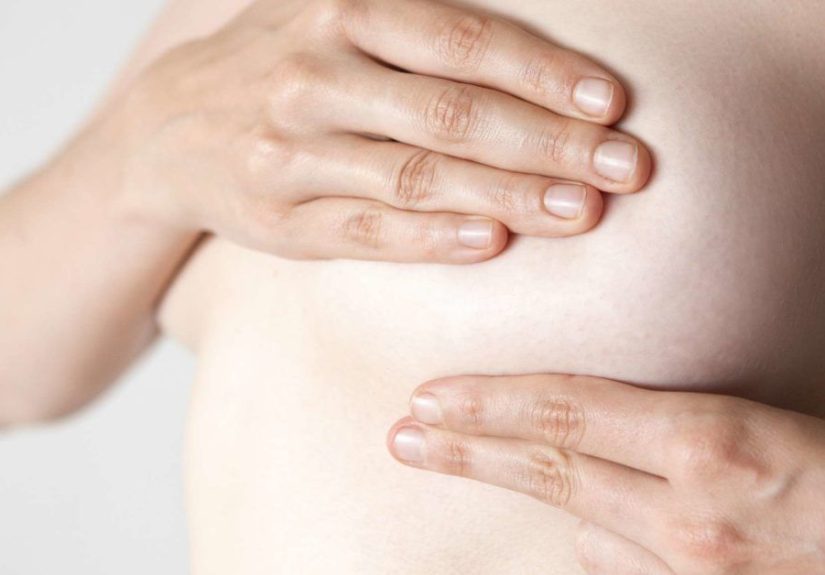
Breast dimpling refers to an indentation, dent, puckering, or uneven texture in the skin of the breast. Some people describe it as a small “pull” in the skin. Others notice that the breast surface looks like the peel of an orange, a change doctors often call peau d’orange. In plain English: the skin looks bumpy, pitted, thickened, or slightly swollen instead of smooth.
The tricky part is that breast dimpling is not one single diagnosis. It is a symptom. Think of it like a blinking light on your car dashboard. It may be something minor, but ignoring it and hoping the light gets bored is not a winning strategy. Dimpling can happen because of benign breast conditions, infection, injury, scar tissue, or changes after surgery. However, it can also happen when a tumor pulls on surrounding tissue or when cancer affects lymph drainage in the breast skin.
Because the same skin change can have different causes, the safest approach is simple: new, unexplained, or worsening breast dimpling should be checked by a healthcare provider.
Why Breast Cancer Can Cause Dimpling
Breast cancer may cause dimpling when abnormal cells grow in a way that affects the tissue beneath the skin. A tumor may pull on ligaments or connective tissue inside the breast, creating a dent or puckered area on the surface. In other cases, cancer cells can block lymph vessels in the skin, causing swelling, thickening, redness, and the orange-peel texture linked to inflammatory breast cancer.
1. Tumor pulling on breast tissue
Some breast cancers form a lump or mass that tugs on nearby tissue. When that pulling reaches the skin, the surface may look indented. The dimple may be easier to see when the arms are raised, when the person leans forward, or when the chest muscles are tightened.
2. Lymph vessel blockage
Inflammatory breast cancer can affect lymphatic vessels in the skin of the breast. These vessels normally help move lymph fluid. When cancer cells block them, fluid may build up, causing swelling, warmth, redness, heaviness, tenderness, and pitted skin. This can happen even when there is no obvious lump.
3. Skin thickening and inflammation
Some cancers produce visible skin changes before a person feels anything unusual. The skin may appear red, purple, pink, bruised, swollen, scaly, or thick. In people with darker skin tones, redness may be harder to notice, so changes in texture, warmth, size, and heaviness can be especially important clues.
Breast Dimpling Is Not Always Cancer
Here is the part that helps everyone breathe: many breast changes are benign. Benign means noncancerous. The breast is active tissue that can respond to hormones, breastfeeding, infection, aging, weight changes, injury, and surgery. Still, “probably harmless” is not the same as “definitely harmless.” That is why evaluation matters.
Benign causes of breast dimpling may include:
- Mastitis: A breast infection that may cause swelling, pain, warmth, redness, and skin changes.
- Fat necrosis: A firm area that can develop after injury, surgery, radiation, or trauma to breast tissue.
- Fibrocystic breast changes: Hormone-related lumpiness, tenderness, swelling, and texture changes.
- Scarring: Previous breast surgery, biopsy, or injury can sometimes create puckering or pulling.
- Skin conditions: Rashes, dermatitis, and irritation may alter the surface of the skin.
Even when a benign condition is likely, a provider may still recommend imaging or biopsy if the appearance is suspicious, new, persistent, or paired with other warning signs.
Warning Signs That Need Prompt Medical Attention
Breast dimpling should be evaluated, especially when it appears suddenly or does not go away. Some symptoms are more concerning when they appear together. Call a healthcare provider promptly if you notice:
- New dimpling, puckering, denting, or orange-peel texture
- Swelling of all or part of the breast
- Red, pink, purple, bruised-looking, or darker skin
- Warmth, heaviness, tenderness, itching, or pain
- A nipple that suddenly turns inward
- Nipple discharge, especially bloody discharge
- A new lump in the breast or underarm
- Rapid change in breast size, shape, or contour
- Skin that looks scaly, flaky, crusted, or thickened
Inflammatory breast cancer is often mistaken for infection because it may look red, swollen, warm, and painful. If antibiotics are prescribed for a suspected infection but symptoms do not improve quickly, follow-up testing is important. Your breast should not have to send a calendar invite to be taken seriously.
How Doctors Diagnose Breast Dimpling
A healthcare provider will usually begin with a clinical breast exam and questions about when the dimpling started, whether it changed, whether it is painful, and whether there are other symptoms. The provider may compare both breasts, examine the armpit and collarbone areas for swollen lymph nodes, and check the nipple and skin.
Diagnostic mammogram
A diagnostic mammogram is different from a routine screening mammogram. It focuses on a specific area of concern and may include additional views. If you report breast dimpling, swelling, or nipple changes, a diagnostic mammogram may help doctors look for masses, distortions, calcifications, or other abnormalities.
Breast ultrasound
Ultrasound uses sound waves to evaluate breast tissue. It can help distinguish fluid-filled cysts from solid masses and is often used along with mammography, especially when a person has dense breast tissue or a specific area that needs closer evaluation.
Breast MRI
Magnetic resonance imaging may be recommended in selected cases, such as when results are unclear, when inflammatory breast cancer is suspected, or when doctors need a more detailed view of disease extent before treatment planning.
Biopsy
A biopsy is the test that can confirm whether suspicious tissue is cancer. During a biopsy, a small sample of tissue, cells, or fluid is removed and examined under a microscope. If inflammatory breast cancer is suspected, doctors may biopsy breast tissue and sometimes skin or lymph nodes.
Treatment for Breast Dimpling Depends on the Cause
There is no one-size-fits-all treatment for breast dimpling because dimpling is a symptom, not a disease by itself. Treatment depends on the diagnosis.
If the cause is infection
Mastitis or another infection may be treated with antibiotics, warm compresses, pain relief, and follow-up care. If symptoms do not improve as expected, additional testing may be needed to rule out cancer or another condition.
If the cause is fat necrosis or injury
Fat necrosis may not require treatment if imaging and biopsy confirm it is benign. If it causes discomfort, anxiety, or cosmetic concerns, a doctor may discuss monitoring, aspiration, or removal depending on the situation.
If the cause is breast cancer
Breast cancer treatment depends on cancer type, stage, tumor biology, hormone receptor status, HER2 status, overall health, and personal preferences. Treatment may include surgery, radiation therapy, chemotherapy, hormone therapy, targeted therapy, immunotherapy, or a combination of these options.
If inflammatory breast cancer is diagnosed
Inflammatory breast cancer usually requires aggressive, coordinated treatment. A common approach begins with chemotherapy or other systemic therapy to shrink and control cancer. Surgery often follows, commonly a mastectomy with lymph node evaluation or removal. Radiation therapy is typically used after surgery to reduce the risk of recurrence. Depending on the tumor’s features, treatment may also include HER2-targeted therapy, hormone therapy, immunotherapy, or other medicines.
Can Breast Dimpling Be Prevented?
You cannot always prevent breast dimpling because many causes are outside your control. However, you can reduce breast cancer risk and improve early detection by staying familiar with your normal breast appearance, completing recommended mammograms, reporting changes promptly, limiting alcohol, staying physically active, maintaining a healthy weight when possible, and discussing family history with a healthcare provider.
Breast self-awareness is not about becoming a full-time detective with bathroom lighting and panic as your assistants. It simply means knowing what is normal for you. Some breasts are naturally uneven. Some nipples point in slightly different directions. Some people have stretch marks, texture, scars, or hormone-related lumpiness. The key is noticing what is new, persistent, or clearly different.
When to Seek Emergency or Urgent Care
Seek prompt medical care if breast dimpling appears with fast-growing swelling, redness, warmth, fever, severe pain, or a rapidly spreading rash. These symptoms may indicate infection, inflammatory breast cancer, or another condition needing urgent evaluation. If you are pregnant or breastfeeding, do not assume every breast change is “just nursing.” Many changes are benign during this time, but persistent dimpling, swelling, or redness still deserves professional care.
Practical Experiences and Real-Life Lessons About Breast Dimpling
Many people who notice breast dimpling describe the discovery as accidental. They were getting dressed, stepping out of the shower, applying lotion, or catching a different angle in the mirror. The change may be tiny at first: a small dent near the lower breast, a pucker when lifting one arm, or a patch of skin that suddenly looks thicker than the surrounding area. Because it may not hurt, it is easy to dismiss. “Maybe it is from my bra,” someone might think. “Maybe I slept weird.” The human brain is excellent at explaining things away, especially before coffee.
One useful experience shared by patients is the value of taking a clear photo of the change. A photo can help track whether dimpling is spreading, deepening, or improving. It can also be helpful during a medical appointment because breast skin may look slightly different depending on lighting, position, temperature, and posture. A photo is not a diagnosis, but it can be a practical record.
Another common lesson is to mention the exact words “skin dimpling” or “orange-peel texture” when calling for an appointment. Saying “my breast looks weird” may not communicate urgency. Saying “I have new breast dimpling with swelling and redness” is more specific and may help the clinic schedule the right type of visit. Be direct. This is not the moment to be shy; your breast has already started the conversation.
People also learn that a normal screening mammogram from months ago does not automatically explain a new symptom today. Screening tests are important, but new breast changes should be evaluated as symptoms. That may mean a diagnostic mammogram, ultrasound, MRI, or biopsy. If symptoms continue but the first answer feels incomplete, asking what the follow-up plan is can be helpful. Good questions include: “What should I do if this does not improve?” “Do I need diagnostic imaging?” “Should inflammatory breast cancer be ruled out?” and “When should I come back if the skin change remains?”
Support also matters. Breast changes can trigger fear, and fear can make it hard to remember details during appointments. Bringing a trusted friend or family member can help. They can take notes, ask questions, drive home, or simply sit beside you while your brain opens 27 browser tabs of worry. If cancer is diagnosed, multidisciplinary care can involve surgeons, medical oncologists, radiation oncologists, radiologists, pathologists, nurses, genetic counselors, physical therapists, and mental health professionals. No one should have to navigate that maze alone with a paper gown and nervous optimism.
Finally, the most important lived-experience lesson is this: getting checked is not overreacting. It is responsible. Most breast changes are not cancer, but the ones that are need timely diagnosis. Whether the cause is infection, scar tissue, fat necrosis, or breast cancer, knowing the answer is better than guessing. Peace of mind is wonderful; early action is even better.
Conclusion
Breast dimpling can be caused by several conditions, ranging from benign tissue changes to breast cancer. The most concerning patterns include new dimpling, puckering, orange-peel texture, swelling, redness, warmth, nipple inversion, or rapid breast changes. Inflammatory breast cancer is especially important to recognize because it can progress quickly and may not cause a typical lump.
If you notice new breast dimpling, do not panicbut do not ignore it either. Schedule a medical evaluation, ask about diagnostic imaging, and follow through if symptoms persist. Your body does not need perfect grammar to send an important message. Sometimes a small dent is worth a big conversation.






 Close
Close