
Table of Contents >> Show >> Hide
- What Is a How-to Guide?
- Why How-to Guides Matter for SEO and User Experience
- Step 1: Choose One Clear Topic
- Step 2: Understand Your Reader Before You Write
- Step 3: Research the Task Thoroughly
- Step 4: Define the End Result
- Step 5: Build a Simple Outline
- Step 6: Write a Helpful Introduction
- Step 7: Write Steps in Logical Order
- Step 8: Add Details Without Overloading the Reader
- Step 9: Include Examples, Screenshots, or Templates
- Step 10: Make the Guide Easy to Scan
- Step 11: Optimize Your How-to Guide for SEO
- Step 12: Edit for Clarity and Accuracy
- Common Mistakes to Avoid When Writing a How-to Guide
- How to Make Your How-to Guide Stand Out
- Example: Turning a Topic Into a How-to Guide
- Experience Notes: What I Have Learned About Writing Better How-to Guides
- Conclusion
Writing a how-to guide sounds easy until you actually sit down to do it. Suddenly, the simple thing you know how to do becomes a maze of tiny decisions: Where should I start? How much detail is too much? Do I need screenshots? Should I say “click,” “select,” or “gently persuade the button with your mouse”? Welcome to the glamorous world of instructional writing.
A great how-to guide does one job beautifully: it helps a reader complete a task without feeling confused, annoyed, or forced to open twelve more tabs. Whether you are writing a blog tutorial, a product help article, a beginner’s guide, a training document, or a step-by-step recipe for fixing a stubborn app setting, the goal is the same. You are turning your knowledge into a clear path someone else can follow.
This beginner-friendly tutorial will show you how to write a how-to guide that is useful, organized, readable, and optimized for search engines without sounding like it was assembled by a keyword-stuffing robot wearing a tiny marketing hat. Let’s build a guide your readers can actually use.
What Is a How-to Guide?
A how-to guide is instructional content that explains how to complete a specific task. It can be short, like “How to reset your password,” or long, like “How to start a vegetable garden from scratch.” The best how-to guides are practical, step-based, and focused on the reader’s outcome.
Unlike a general blog post, a how-to guide is not mainly about opinions, inspiration, or background information. It is action-oriented. The reader arrives with a problem, a goal, or a question. Your job is to help them move from “I have no idea what I’m doing” to “Oh, I can do this.”
Common Types of How-to Guides
How-to content can appear in many formats. A blog tutorial might explain how to write a resume. A software help article might show users how to export a file. A DIY guide might explain how to paint a room without accidentally creating modern art on the carpet. A business guide might walk readers through creating a content calendar.
No matter the format, the structure should make the task feel manageable. If the reader needs a map, give them a map. If they need a checklist, give them a checklist. If they need a warning before step four because step four is where dreams go to wobble, warn them.
Why How-to Guides Matter for SEO and User Experience
How-to guides are powerful because they match search intent. When someone searches “how to write a how-to guide,” they are not casually admiring the phrase. They want instructions. Search engines try to surface pages that answer that intent clearly and completely, which means useful instructional content has strong ranking potential.
A good how-to guide can also keep readers engaged longer. Clear headings, logical steps, examples, and helpful formatting make the page easier to scan. That matters because online readers rarely begin by lovingly reading every sentence from top to bottom. They scan first, judge quickly, and stay only if the content looks useful.
For brands, educators, bloggers, and businesses, how-to guides build trust. When you help someone solve a real problem, you are not just publishing content. You are proving expertise. That is much more persuasive than simply announcing, “We are experts,” which is what every company says right before making you fill out a contact form.
Step 1: Choose One Clear Topic
The first rule of writing a how-to guide is simple: do not try to teach everything at once. A beginner tutorial should focus on one specific outcome. Instead of writing “How to Do Marketing,” narrow the topic to “How to Create a Social Media Content Calendar.” Instead of “How to Use WordPress,” write “How to Publish Your First WordPress Blog Post.”
Specific topics are easier for readers and search engines to understand. They also prevent your article from becoming a content casserole: a little strategy, a little history, three random tips, and one paragraph that somehow mentions email marketing.
Good Topic Examples
Strong how-to topics usually include a clear action and a clear audience. For example:
- How to Write a How-to Guide for Beginners
- How to Create a Blog Outline Before Writing
- How to Take Screenshots for a Software Tutorial
- How to Build a Simple Morning Routine
- How to Edit a Draft Without Ruining Your Best Ideas
Each topic promises a specific result. That promise becomes the backbone of your guide.
Step 2: Understand Your Reader Before You Write
Before writing the first step, ask: Who is this guide for? A beginner needs more context, simpler language, and fewer assumptions. An advanced reader may want shortcuts, technical details, and troubleshooting notes. Mixing both audiences in one guide can make beginners feel lost and experienced readers feel trapped in a slow elevator.
Think about what your reader already knows, what they are trying to do, and what might confuse them. If you are writing for beginners, define important terms the first time you use them. If a step requires a tool, account, app, ingredient, or setting, mention it early.
Create a Reader Snapshot
A reader snapshot is a quick profile that guides your writing. For this article, the reader might be a blogger, marketer, student, small business owner, or beginner content writer who wants to create useful instructional content. They probably know their topic but may not know how to organize it into a tutorial. That means this guide needs examples, structure, and practical advice instead of vague encouragement like “just write value.” Helpful? Not really. Sounds nice on a coffee mug? Absolutely.
Step 3: Research the Task Thoroughly
Even if you know the topic well, research prevents blind spots. Review official documentation, reputable tutorials, expert articles, user questions, forum discussions, and common mistakes. Your goal is not to copy what others wrote. Your goal is to understand what readers need and where existing guides may fall short.
Look for repeated questions. Are people confused about the same step? Do beginners misunderstand a term? Are older tutorials missing updated screenshots or newer settings? These gaps are opportunities to make your how-to guide better than the average article floating around the internet like an abandoned pool noodle.
What to Collect During Research
Gather the main steps, prerequisites, tools, warnings, common errors, definitions, examples, and possible variations. If you are writing an SEO-friendly guide, also note related keywords and questions people search for. For this topic, related phrases might include “how to write a tutorial,” “how-to guide format,” “step-by-step guide,” “instructional writing,” and “beginner writing tutorial.”
Step 4: Define the End Result
Every how-to guide should have a finish line. Tell readers what they will be able to do by the end. This helps you decide what belongs in the article and what should be left out.
For example, the end result of this guide is not “understand all content strategy forever.” That would require a book, a course, and possibly snacks. The end result is simpler: readers should know how to plan, structure, write, optimize, and improve a beginner-friendly how-to guide.
Once you define the outcome, work backward. What does the reader need before starting? What steps must happen first? What can wait until later? This keeps your tutorial logical instead of turning it into a treasure hunt where the treasure is basic clarity.
Step 5: Build a Simple Outline
An outline is the skeleton of your how-to guide. Without it, your article may wander. With it, each section has a purpose. A beginner-friendly how-to guide often follows this structure:
- Introduction: Explain the problem and promise the solution.
- What it is: Define the topic briefly.
- Why it matters: Explain the benefit.
- Before you start: List tools, requirements, or preparation.
- Step-by-step instructions: Walk through the process.
- Examples: Show what good execution looks like.
- Troubleshooting: Explain common mistakes and fixes.
- Conclusion: Recap the result and encourage action.
This format works because it respects the reader’s journey. First, they need confidence. Then they need instructions. Finally, they need reassurance that they did not accidentally skip something important.
Step 6: Write a Helpful Introduction
Your introduction should quickly answer three questions: What is this guide about? Who is it for? What will the reader accomplish? Keep it short, specific, and engaging. You can add personality, but do not bury the point under a mountain of storytelling.
A weak introduction says, “In today’s digital world, content is very important.” True, but so broad it could introduce almost any article ever written. A stronger introduction says, “Writing a how-to guide is about turning a process you understand into steps a beginner can follow without confusion.” That sentence tells readers they are in the right place.
Introduction Formula for Beginners
Try this simple formula: problem, promise, preview. Mention the reader’s challenge, promise a practical solution, then preview what the guide covers. For example: “Not sure how to turn your knowledge into a clear tutorial? This guide explains how to choose a topic, organize steps, write instructions, add examples, and optimize your article for search.”
Step 7: Write Steps in Logical Order
The heart of any how-to guide is the step-by-step section. Each step should describe one main action. Start with a verb whenever possible: choose, open, click, write, check, save, review, publish. Action verbs make instructions feel direct and easy to follow.
Use numbered lists when the order matters. Use bullet points when the order does not matter. This small formatting choice can save readers from confusion. If someone must complete step two before step three, number it. If you are listing optional tips, bullets are fine.
Example of a Clear Step
Weak step: “Keywords should be considered before the writing process because they can help the content perform better.”
Better step: “Choose one primary keyword before you write. Then list three to five related phrases your reader might also search for.”
The second version tells the reader exactly what to do. It is practical, direct, and much less likely to cause a dramatic sigh.
Step 8: Add Details Without Overloading the Reader
Beginners need enough detail to complete the task, but too much detail can create mental clutter. The trick is to explain what matters at the moment the reader needs it.
If a step is simple, keep it short. If a step is risky, confusing, or easy to misunderstand, slow down and explain. Add notes, examples, or warnings where they help. Do not turn every step into a lecture. Your reader came for a guide, not a surprise encyclopedia.
Use “Need to Know” Instead of “Nice to Know”
Ask yourself: Does this detail help the reader complete the task right now? If yes, include it. If not, save it for a later section, a separate article, or a small note. This keeps your how-to guide focused and beginner-friendly.
Step 9: Include Examples, Screenshots, or Templates
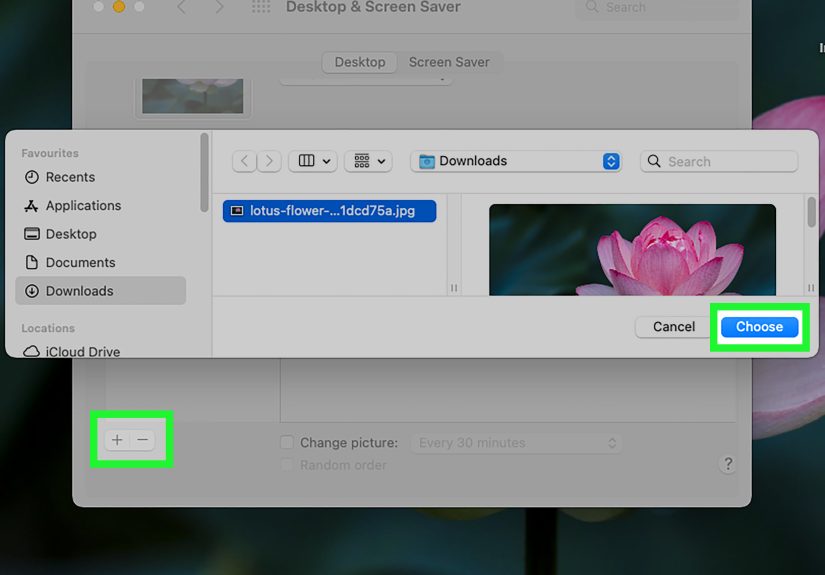
Examples turn theory into something readers can see. A how-to guide about writing should include sample titles, outlines, introductions, checklists, and before-and-after edits. A software tutorial should include screenshots. A DIY tutorial may need photos, measurements, or diagrams.
Visuals are especially useful when a step involves an interface, a physical setup, or a result that is hard to describe in words. If you include screenshots, keep them current and crop out distractions. Add short captions so readers know exactly what they are looking at.
Simple Template for a How-to Guide
Here is a beginner-friendly template you can adapt:
- Title: How to [complete task] for [audience]
- Intro: Explain the problem, promise, and outcome
- Before You Start: List tools, time, skill level, or requirements
- Steps: Break the process into numbered actions
- Examples: Show good results or sample formats
- Troubleshooting: Explain common mistakes
- Conclusion: Recap and encourage the next action
Step 10: Make the Guide Easy to Scan
Most readers scan before they commit. Strong formatting helps them find what they need quickly. Use descriptive H2 and H3 headings, short paragraphs, lists, bold text for important terms, and enough white space to prevent the page from looking like a wall of alphabet soup.
Headings should be useful, not clever at the expense of clarity. “Step 3: Research the Task Thoroughly” is better than “Do Your Homework, Champ.” Personality is welcome, but readers should not have to decode your jokes to understand the structure.
Scannability Checklist
- Use one H1 for the page title.
- Break major ideas into H2 sections.
- Use H3 headings for examples, templates, and subtopics.
- Keep most paragraphs under four sentences.
- Use numbered steps for ordered tasks.
- Add a short summary or checklist for complex processes.
Step 11: Optimize Your How-to Guide for SEO
SEO optimization should support the reader, not hijack the article. Start with search intent. What does the reader expect to find after searching your main keyword? For “how to write a how-to guide,” they likely want a beginner tutorial, a structure, writing tips, examples, and maybe a template.
Use the main keyword naturally in the title, introduction, at least one heading, and a few places throughout the article. Add related keywords where they fit. Do not repeat the same phrase until the page sounds like it is stuck in a loop. Search engines are smarter than that, and readers have excellent nonsense detectors.
On-Page SEO Tips
- Write a clear title that includes the main keyword.
- Create a compelling meta title under 60 characters.
- Write a meta description under 155 characters.
- Use descriptive headings that match user questions.
- Add internal links to related articles when publishing.
- Use alt text for images and screenshots.
- Keep the URL short and readable.
If the guide is highly procedural, consider using structured data where appropriate for your website and content type. Structured data can help search engines understand the page better, but it should accurately represent the visible content. In other words, do not promise a five-step tutorial in markup if the page is actually a 900-word motivational speech with one vague bullet list.
Step 12: Edit for Clarity and Accuracy
The first draft explains what you know. The edit makes it useful for someone else. Read your guide as if you are a beginner. Are any steps missing? Are any terms undefined? Does the guide tell readers what to do if something looks different on their screen?
Remove unnecessary words. Replace passive phrasing with active instructions. Check that each heading matches the content below it. Confirm facts, update screenshots, test links, and make sure your examples match the steps.
Beginner Editing Checklist
- Can the reader identify the goal within the first few sentences?
- Are the steps in the correct order?
- Does each step include one main action?
- Are tools, requirements, and warnings listed early?
- Are examples specific enough to copy or adapt?
- Is the article readable on mobile?
- Does the conclusion explain what to do next?
Common Mistakes to Avoid When Writing a How-to Guide
Many beginner guides fail because they assume too much. The writer knows the task so well that they skip “obvious” steps. Unfortunately, obvious to the expert can mean invisible to the beginner.
Another common mistake is writing steps that are too vague. “Set up your account” is not a useful step if the reader needs to know where to click, what information to enter, and which settings to choose. Be specific.
Some guides also over-explain background information before giving instructions. A little context is helpful, but readers searching for how-to content usually want action quickly. Do not make them hike through a history lesson before finding step one.
Mistakes That Make Readers Leave
- Starting with a long, generic introduction
- Skipping prerequisites or required tools
- Using jargon without definitions
- Mixing advanced tips into beginner steps
- Forgetting examples or screenshots
- Publishing outdated instructions
- Writing for search engines instead of humans
How to Make Your How-to Guide Stand Out
To make your guide better than competing content, add original value. That might include a clearer template, a personal workflow, updated screenshots, common mistakes from real experience, a downloadable checklist, or examples for different use cases.
Readers appreciate honesty. If a step is tricky, say so. If there are two possible methods, explain which one is best for beginners. If a tool changes its interface often, mention that labels may vary slightly. Practical guidance builds credibility.
Add Expert Touches
You can improve a beginner guide by including “why this matters” notes after important steps. For example, after telling readers to define one clear outcome, explain that this prevents the guide from becoming too broad. After telling them to add screenshots, explain that visuals reduce uncertainty when readers are following along.
These small explanations help readers learn, not just copy steps. That is the difference between a thin tutorial and a truly helpful guide.
Example: Turning a Topic Into a How-to Guide
Let’s say your topic is “How to Create a Weekly Meal Plan.” A weak version might include random tips about groceries, nutrition, budgeting, and food storage. A stronger how-to guide would focus on one outcome: creating a simple meal plan for the next seven days.
The outline might look like this:
- Check your schedule for the week.
- Choose three easy dinners you already know how to cook.
- Add two flexible meals using leftovers.
- Write a grocery list by category.
- Prep one or two ingredients in advance.
- Review the plan midweek and adjust if needed.
This works because each step is practical. The reader can follow it without needing a culinary degree, a color-coded binder, or a personality transplant.
Experience Notes: What I Have Learned About Writing Better How-to Guides
The biggest lesson from writing how-to content is that clarity beats cleverness almost every time. A clever sentence can make readers smile, but a clear step helps them move forward. The best guides use personality as seasoning, not the whole meal. A little humor makes the article friendly. Too much humor can make readers wonder where the actual instructions are hiding.
Another experience-based lesson is that beginners often need reassurance. When people search for a tutorial, they may already feel uncertain. They are not only looking for information; they are looking for confidence. Phrases like “this part is normal,” “your screen may look slightly different,” or “do not worry if this takes a few tries” can make a guide feel more human and less intimidating.
I have also found that examples save enormous amounts of explanation. You can spend five paragraphs describing a good title, or you can show three strong titles and two weak ones. Readers learn faster when they can compare. Before-and-after examples are especially useful for writing tutorials because they show improvement in action.
Testing the steps is another habit that separates strong how-to guides from flimsy ones. If you are explaining a process, follow your own instructions from start to finish. You will often discover missing details. Maybe you forgot to mention that users need to save before closing a window. Maybe a setting appears under a different menu. Maybe step six only works if step three was done a certain way. These are the little cracks where reader frustration sneaks in wearing muddy shoes.
A practical writing trick is to draft quickly, then edit slowly. During the first draft, focus on getting the process onto the page. During editing, focus on the reader’s experience. Are the steps short enough? Are the headings useful? Is the order natural? Are you explaining too much too early? This two-stage approach prevents perfectionism from blocking progress.
Another useful habit is to write the “Before You Start” section after drafting the steps. Once you have written the full process, you can clearly see what tools, accounts, materials, time, or background knowledge the reader needs. This makes the preparation section more accurate.
Finally, the best how-to guides improve over time. After publishing, check reader comments, search queries, support tickets, analytics, and user feedback. If people keep asking the same question, add the answer. If a step becomes outdated, update it. If readers drop off before the main instructions, shorten the introduction. A how-to guide is not a museum artifact. It is a working tool. Keep sharpening it, and it will keep helping readers.
Conclusion
Learning how to write a how-to guide is really learning how to respect your reader’s time. Choose a specific topic, understand the audience, research the task, define the outcome, organize the steps, add examples, optimize for SEO, and edit until the process feels clear.
A strong tutorial does not need fancy language or complicated structure. It needs a useful promise and a reliable path. When your guide helps someone complete a task without confusion, you have done more than publish content. You have solved a problem. On the internet, that is still the gold medal event.






 Close
Close