
Table of Contents >> Show >> Hide
- The Honest Answer: You Usually Can’t Block the Recline, but You Can Beat the Problem
- How to Prevent the Reclining Seat Problem Before Your Flight
- What to Do Once You’re Onboard
- What Never Works Well on a Plane
- The Best Real-World Strategy for Airplane Seat Recline
- Common Traveler Experiences Related to Seat Recline on a Plane
- Conclusion
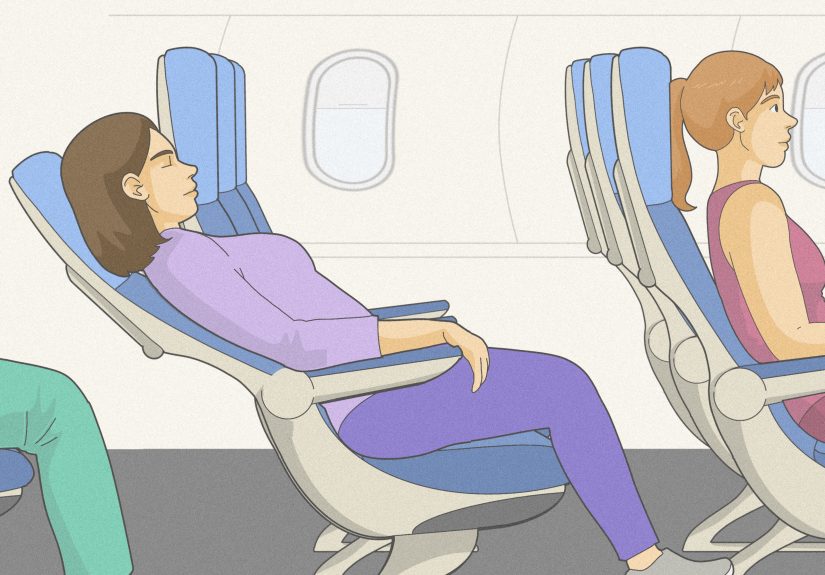
Let’s start with the truth nobody loves but everybody needs: on most flights, you cannot really stop the person in front of you from reclining their seat. If the seat is designed to recline, they are usually allowed to use that feature. That means the real strategy is not some secret ninja move with your knees, your tray table, or your passive-aggressive sighing. The real strategy is smarter than that. You reduce the chances of it happening, you make it less painful when it does, and you handle it in a way that does not turn row 18 into a low-budget courtroom drama.
If you have ever watched your laptop get threatened by a sudden seat-back lunge, or felt your personal space shrink to the size of a sandwich wrapper, you are not being dramatic. Airplane seat recline is one of the great modern travel feuds. But there are practical, polite, and surprisingly effective ways to deal with it. Some happen before you even board. Some happen once you are seated. And some are simply about knowing what not to do unless you want to become the villain in someone else’s vacation story.
The Honest Answer: You Usually Can’t Block the Recline, but You Can Beat the Problem
If your goal is to physically prevent the person in front of you from reclining, that is the wrong mission. It is also the mission most likely to end badly. Trying to jam the seat, brace your knees into it, kick it, yank it, or use sketchy tricks to stop it is a fast route to conflict with another passenger and possibly the flight crew. In plain English, this is not a “travel hack.” It is a good way to make an already cramped cabin feel like a reality show reunion episode.
A better goal is this: keep the situation from becoming a problem in the first place. That means choosing a seat where nobody can recline into you, paying attention to the type of flight you booked, and knowing when a polite request will work better than a grudge. In other words, the smartest travelers don’t fight the recline battle head-on. They sidestep it.
How to Prevent the Reclining Seat Problem Before Your Flight
1. Choose a bulkhead seat whenever possible
If you hate the feeling of a seat-back drifting toward your nose, a bulkhead seat is your best friend. There is no row directly in front of you, which means nobody can recline into your space. This is the closest thing to a true solution. It is not glamorous, but it is effective.
Bulkhead seats do come with trade-offs. Depending on the aircraft, you may have less under-seat storage during taxi, takeoff, and landing. Sometimes the tray table is built into the armrest, and sometimes the leg position feels a little different. Still, if your main problem is the person in front of you turning your knee space into modern art, a bulkhead row is often worth it.
2. Look for extra-legroom or front-cabin economy seats
If bulkhead is gone, the next best move is extra-legroom seating. Many airlines now sell roomier options in economy or near the front of the cabin. American has Main Cabin Extra. Alaska offers Premium Class. Delta sells Delta Comfort. JetBlue offers EvenMore. Southwest now has Extra Legroom seating. United has Economy Plus. Spirit has larger and roomier front seating options. Frontier also sells upgraded seats with more space.
No, this does not magically eliminate seat recline. But it does give you a better buffer zone, which is a huge deal on a flight where every inch feels like prime real estate. Think of it this way: you are not buying luxury; you are buying breathing room and a lower chance of muttering darkly at a stranger’s headrest.
3. Pay attention to flight length and timing
Reclining tension is usually worse on shorter daytime flights, especially when people are working, eating, or trying to survive with a coffee cup balanced on a tray table the size of a postcard. On overnight or long-haul flights, more passengers expect some recline because people are trying to sleep. So if you are booking a short flight and you know tight space makes you miserable, that is the flight where seat choice matters even more.
In other words, the same recline that feels outrageous on a two-hour afternoon hop may feel completely predictable on a red-eye. Context matters. So when you can, choose flights and seat types with that in mind.
4. Check the seat map before you book
Seat maps are not just for people who enjoy zooming in on tiny airplane diagrams for sport. They can save your sanity. Look for bulkhead rows, exit-row areas, or upgraded economy sections. Also remember that some rows have limited recline and some have none at all. You do not need a PhD in aviation geometry. You just need five extra minutes and a willingness to avoid the cheapest random middle seat destiny is trying to hand you.
What to Do Once You’re Onboard
5. Set up your space like recline might happen
This one is underrated. If you open a laptop the second you sit down and wedge it into a tray-table arrangement that would collapse under emotional pressure, you are gambling. Recline is common enough that you should assume it could happen. Keep drinks stable. Do not press fragile devices hard against the seat back. And if the person in front of you looks like they boarded carrying a neck pillow, an eye mask, and the energy of someone ready for hibernation, go ahead and prepare accordingly.
This is not surrender. This is strategic maturity. Also known as “I would like my iced coffee to remain in the cup.”
6. Ask politely if you need the person in front to stay upright for a bit
If the person has not reclined yet and you know you need a short window to work, eat, or finish something important, speak up calmly and early. A simple line works wonders: “Hi, I’m trying to use my laptop for a bit. Would you mind waiting a little before reclining?”
That is much better than waiting until the seat slams back and then reacting like you have just witnessed a personal betrayal. Many travelers are perfectly willing to delay reclining during meal service or while someone behind them is obviously typing, juggling a drink, or dealing with a small child. Polite timing is half the game.
7. If they do recline, do not start with confrontation
Not every reclining passenger is rude. Some are tired, some are in pain, and some genuinely do not realize how quickly or sharply they moved. Start with grace. A calm request like “Would you mind bringing it up just a little? I’m having trouble with my laptop space” is far more likely to work than a theatrical exhale worthy of community theater.
Even if they say no, you have still taken the high road. That matters, especially if you later need flight attendant help. Crew members are much more able to assist when one passenger is clearly being reasonable and not reenacting a feud.
8. Ask the flight crew whether a seat change is possible
If the recline is causing a real issue and there are open seats, ask a flight attendant whether you can move. This is often the cleanest fix. Do it discreetly, not by loudly announcing that you are fleeing the scene. A quick, respectful conversation in the galley can work far better than arguing row-to-row.
Sometimes the answer will be no because the flight is full. But when it is possible, a seat change can solve the problem in thirty seconds with zero drama. That is a win.
What Never Works Well on a Plane
9. Don’t physically block the seat
Trying to stop a reclining seat with your knees, hands, gadgets, or improvised “travel inventions” is a terrible idea. Best case, it annoys everyone. Worst case, it creates a conflict with another passenger or the crew. Airplanes are not the place for furniture sabotage.
10. Don’t retaliate with kicks, shoves, or tray-table warfare
Yes, it is tempting to “accidentally” bump the seat after someone reclines into your breathing zone. No, you should not do it. Repeated seat-jostling, aggressive tray-table movements, and constant kicking only escalate things. Also, they make you look guilty even if you started as the reasonable one. Once you become the seat-kicker, your moral high ground has left the aircraft.
11. Don’t act like recline is always a crime
This is where many travel arguments go off the rails. Seat recline is not automatically rude. On some flights, especially longer ones, it is expected. The actual etiquette question is about timing, awareness, and courtesy. Reclining during meal service or without checking behind you is inconsiderate. Reclining slowly on a night flight when everyone is settling in is much less controversial.
When you understand that difference, your response becomes smarter. You stop treating every recline like a hostile act and start reading the room. Or, more accurately, the row.
The Best Real-World Strategy for Airplane Seat Recline
If you want the short version, here it is: the best way to stop the person in front of you from reclining is to choose a seat where their recline does not matter. That means bulkhead seats, extra-legroom seats, upgraded economy zones, or front-cabin options that give you more buffer. If you are already onboard, the best move is a polite early request, followed by a calm ask to the crew if a move is possible.
That may sound less exciting than some viral “genius” hack, but it works in the real world. And the real world is where your knees live.
Common Traveler Experiences Related to Seat Recline on a Plane
One common experience happens on short business flights. A traveler boards with a fully charged laptop, a deadline, and the confidence of someone who believes they will definitely finish their work in the air. Ten minutes later, the seat in front drops back without warning. Suddenly, the screen angle is weird, the tray table feels tiny, and typing turns into a wrist puzzle. What usually helps in that moment is not outrage. It is a calm request: “Would you mind staying upright until I finish this?” A surprising number of people say yes, especially when the ask is specific and temporary.
Another very common scenario involves meal service. You finally get your drink, a snack, and approximately seven square inches of tray-table civilization. Then the person in front reclines, and your snack begins to feel like a trust exercise. Travelers often remember this as the moment they realized recline itself is not always the problem; timing is. The smartest passengers now anticipate that moment. They keep drinks centered, avoid balancing electronics dangerously, and, if needed, politely ask for a few minutes of upright seat-back peace until the cart passes.
Families have a different version of this experience. A parent with a child in tow may not care much about laptop space, but they care a lot when recline reduces the already limited area they are using to help a kid color, snack, nap, or simply remain calm. In these cases, a polite tone matters even more. Something like “My child is eating right nowwould you mind waiting just a few minutes?” tends to land better than a stressed, sharp reaction. Most passengers respond better when they understand the reason behind the request.
Then there is the red-eye flight, where the whole debate changes shape. On an overnight route, many travelers expect some recline. People bring neck pillows, eye masks, and that determined “I’m going to sleep even if the engine sounds like a giant vacuum cleaner” attitude. On these flights, resisting every recline can feel unrealistic. The travelers who handle it best usually prepared beforehand: they booked a better seat, chose a bulkhead if possible, or paid for extra legroom because they already knew sleep and space would matter. The lesson is simple. Night flights reward planning more than protesting.
Some travelers discover the seat-change solution almost by accident. They spend twenty uncomfortable minutes trying to be patient, then finally ask a flight attendant whether there is another open seat. If the plane is not full, this can be the easiest fix on earth. No debate. No lecture. No resentment marinating at 35,000 feet. Just a quiet move and a better flight. People often forget this option because they assume the answer will be no, but it is still worth asking respectfully.
And yes, some experiences are simply lessons in what not to do. Travelers regularly report that passive-aggressive responses almost never improve things. Seat-kicking, exaggerated sighing, loud commentary, and “accidental” jostling create a weird little war where everybody loses. The person in front gets defensive, the person behind gets angrier, and nearby passengers get dragged into a conflict they did not audition for. The mature move may not feel as satisfying in the moment, but it usually leads to the better outcome.
In the end, the most successful travelers are not the ones who “win” the recline battle. They are the ones who prevent it from becoming a battle at all. They choose better seats when they can, ask nicely when needed, and keep their cool when the cabin gets tight. It is not flashy. It is not viral. But it is effective, and on a plane, effective beats dramatic every time.
Conclusion
If you have been searching for how to stop the person in front of you from reclining seat on a plane, the most useful answer is also the most realistic one: don’t try to physically stop them. Instead, outsmart the problem. Book a bulkhead or extra-legroom seat, pay attention to flight type and timing, protect your workspace, make polite requests early, and ask the crew for help if needed. That approach is practical, travel-friendly, and much less likely to end with a stranger giving you the side-eye for three straight hours.
Air travel is already cramped enough without adding unnecessary drama. A little strategy, a little courtesy, and a little seat-map homework can go a long way. And if all else fails, remember this timeless truth: on an airplane, the calm person usually wins.






 Close
Close