
Table of Contents >> Show >> Hide
- Why People Started Idling Cars in Winter in the First Place
- Do Modern Cars Need to Idle in Cold Weather?
- What Long Idling Actually Does to Your Car
- So How Long Should You Warm Up a Car in Winter?
- When Brief Idling Does Make Sense
- The Biggest Risk Is Not Mechanical. It Is Carbon Monoxide.
- Idling Laws Are Real, and Some Drivers Forget That
- What You Should Do Instead on a Cold Morning
- What About Hybrids, EVs, and Remote Start?
- If You Are Stranded, the Advice Changes
- The Bottom Line on Idling Your Car in Cold Weather
- Cold-Weather Experiences Drivers Know All Too Well
Every winter, driveways across America become tiny theaters of tradition. Someone starts the car, steps back inside, and lets it idle for 10 or 15 minutes “to warm it up.” It feels responsible. It feels mechanical. It feels like something your uncle, your dad, and at least three neighbors with snow brushes would strongly recommend.
There is only one problem: for most modern cars, that long warm-up is mostly outdated. The truth about idling your car in cold weather is less dramatic than the old myth and a lot more practical. In most cases, your engine does not need a long idle to protect itself. What it does need is a short startup, a gentle right foot, clear windows, and a driver who understands the difference between warming the engine and warming the cabin. Those are not always the same thing.
If you have been wondering whether idling your car in cold weather is good, bad, or just one of those winter habits that refuses to die, here is the real story.
Why People Started Idling Cars in Winter in the First Place
The old advice did not come from nowhere. Decades ago, many vehicles used carburetors instead of modern fuel injection systems. Carbureted engines were fussier in cold weather, needed richer fuel mixtures when first started, and could stumble or stall if you drove off too soon. Back then, letting a car warm up for a few minutes actually made sense.
That mechanical reality helped create a winter ritual that outlived the technology. But most cars on the road today use electronic fuel injection, engine sensors, and computer controls that adjust the air-fuel mixture automatically. Modern vehicles are much better at starting and operating in cold weather than older cars were. In plain English: your 2022 crossover is not a 1978 sedan with a choke lever and a personality disorder.
Do Modern Cars Need to Idle in Cold Weather?
Usually, no. Most modern gasoline vehicles do not need a long warm-up before driving in winter. A short idle of around 30 seconds to one minute is generally enough to get fluids moving and let the engine settle. After that, the better move is to drive gently.
Why gentle driving works better than sitting still
An engine warms up faster under light load than it does while idling in place. When you drive moderately, the engine, transmission, and other components reach normal operating temperature sooner. That means heat gets to the cabin faster too. Ironically, the quickest way to get warm air from the vents is often to stop having a driveway meditation session and start moving.
This is one of the biggest misunderstandings around winter car care. People often think idling helps the engine “get ready,” but what they usually want is a warmer cabin, a defrosted windshield, and a more comfortable seat. Those are comfort needs, not usually engine needs.
What Long Idling Actually Does to Your Car
1. It wastes fuel
Idling burns fuel while getting you exactly zero miles per gallon. That is not a metaphor. It is just rude math. Depending on the vehicle, idling can use a noticeable amount of fuel per hour, and if you do it every morning all winter long, the cost quietly stacks up.
Think about a 10-minute idle before work, five days a week, for several cold months. That may not sound catastrophic, but it is the sort of sneaky expense that turns into real money over time. Your car is basically sipping fuel while parked there like it ordered the expensive brunch.
2. It increases emissions
Long idling also adds unnecessary emissions. Modern emissions systems work better once the vehicle is being driven and the catalytic converter gets up to temperature. In other words, extended idling is not just less efficient for your engine warm-up; it is also harder on air quality than many drivers realize.
This matters even more near homes, apartment buildings, schools, and crowded pickup zones. Idling may feel harmless when viewed one car at a time, but multiplied across millions of cold starts, it creates a meaningful pollution problem.
3. It can contribute to extra engine wear
Here is the part that surprises many drivers: long idling is not necessarily kinder to your engine. When a cold engine sits and idles for an extended period, it can run rich, meaning the fuel mixture contains more gasoline than ideal. Over time, that can increase contamination, reduce efficiency, and contribute to wear rather than prevent it.
That does not mean a brief startup is harmful. It means the old idea that “the longer it idles, the better protected the engine is” has things backwards for most modern cars.
So How Long Should You Warm Up a Car in Winter?
For most modern vehicles, the practical answer is simple: start the car, give it a short moment to stabilize, then drive off gently. Keep acceleration light for the first few minutes. Avoid hard revving, aggressive throttle, and high speeds until the engine reaches operating temperature.
That approach accomplishes three things at once:
- It gets oil circulating.
- It helps the engine and drivetrain warm up faster.
- It reduces wasted fuel and unnecessary emissions.
The phrase that matters most here is drive gently. Cold engines do not need long idle times, but they also do not need you pretending you are in a qualifying lap five seconds after startup.
When Brief Idling Does Make Sense
There are situations where a little extra idle time is reasonable.
Defrosting for visibility
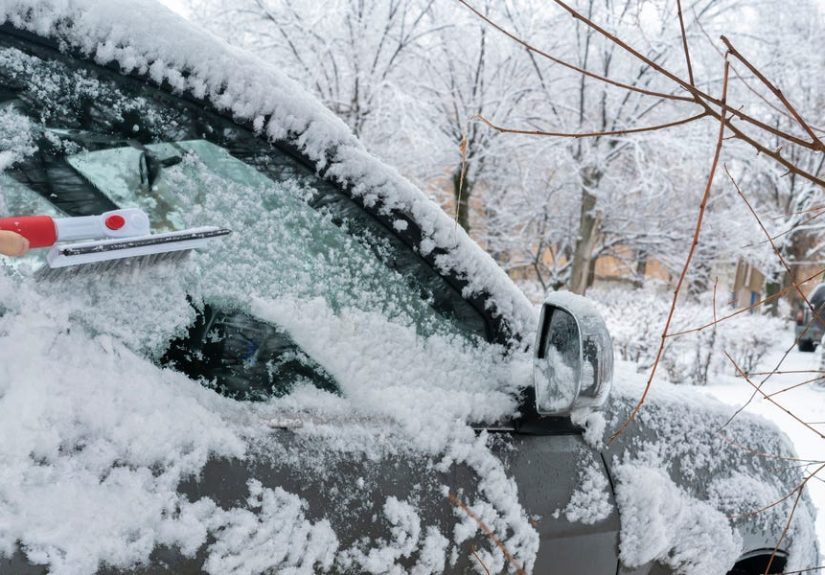
If your windshield is frosted over, you may need a couple of minutes for the defroster to help loosen ice while you scrape and clear the glass. Visibility is a safety issue, not a luxury. If the windows are still fogged or iced, do not drive yet.
Extreme cold
In severely cold temperatures, some drivers and service experts allow a little more time before moving, especially if the vehicle has been sitting outside overnight. Even then, the goal is usually a brief pause, not a 15-minute winter opera. Once the car is stable, gentle driving remains the preferred strategy.
Older vehicles and classics
If you drive an older carbureted vehicle, the rules may be different. Those engines can genuinely require more warm-up before they drive well. The same can be true for some specialty or vintage vehicles. In those cases, follow the owner’s manual or the guidance of a mechanic who understands that specific vehicle. Your grandfather’s classic truck gets a vote here. Your modern compact SUV does not.
The Biggest Risk Is Not Mechanical. It Is Carbon Monoxide.
One of the most important cold-weather idling facts has nothing to do with engine health at all. It has to do with safety.
Never idle a car in an attached garage, even with the garage door open. Carbon monoxide can build up and enter the home. It is colorless, odorless, and dangerous. If your exhaust system has a leak, carbon monoxide can also enter the vehicle itself.
Snow creates another hazard. If your tailpipe is blocked by snow or slush while the engine is running, exhaust gases can back up. That is why winter driving safety advice often includes checking that the tailpipe is clear, especially if your vehicle is stuck or parked after heavy snowfall.
Idling Laws Are Real, and Some Drivers Forget That
Another winter surprise: unnecessary idling can be illegal in some places. Anti-idling laws vary by state and city, but they are not just aimed at giant trucks. In some jurisdictions, passenger vehicles can also be ticketed for excessive idling.
For example, Massachusetts limits unnecessary idling to five minutes in most cases, and New York City generally prohibits vehicle idling for more than three minutes, or more than one minute next to a school. So while you may think your car is simply “getting cozy,” local rules may see it as a fine waiting patiently in the cold.
What You Should Do Instead on a Cold Morning
If you want the best cold-weather car routine, keep it simple.
Start smart
Start the engine and let it idle briefly. Use that short window to buckle up, set the climate controls, and get organized.
Clear the car completely
Remove snow and ice from the windshield, side windows, mirrors, lights, and roof. A tiny porthole scraped in the windshield is not a winter driving strategy. It is a cry for help.
Drive gently for the first few minutes
Light acceleration and moderate speeds let the engine, transmission, and cabin warm up more efficiently than prolonged idling.
Use the right oil and maintain the battery
Cold weather is hard on oil viscosity and battery performance. Use the oil grade recommended by your manufacturer, and have the battery tested if winter starts are getting sluggish. Many drivers blame the weather when the real issue is an aging battery that was already halfway out the door.
Check tire pressure
Cold temperatures can lower tire pressure, which affects handling, traction, and fuel economy. Winter car care is not just about starting the engine. It is also about keeping the vehicle safe once it is moving.
What About Hybrids, EVs, and Remote Start?
Hybrids and electric vehicles change the conversation a bit. With an EV, “idling” does not work the same way because there is no traditional engine running at a stop. Many EVs allow cabin preconditioning, and the best time to do that is while the vehicle is plugged in. That helps warm the interior and preserve driving range.
Remote start in gas vehicles is mostly a comfort feature, not an engine-saving miracle. It can make winter mornings more pleasant and help with defrosting, but it does not suddenly turn long idling into best practice. It is still wise to keep the warm-up period brief and drive gently once you are ready to go.
If You Are Stranded, the Advice Changes
There is one important exception to the normal anti-idling advice: being stuck in severe winter weather. If you are stranded in a snowstorm, you may need to run the engine periodically to maintain heat. In that situation, safety guidance usually emphasizes using the engine intermittently, making sure the tailpipe stays clear, conserving fuel, and avoiding carbon monoxide buildup.
That is an emergency scenario, not the same thing as warming up in your driveway before a normal commute.
The Bottom Line on Idling Your Car in Cold Weather
The truth about idling your car in cold weather is refreshingly simple. For most modern vehicles, long warm-ups are unnecessary. They waste fuel, create extra emissions, and do not help your engine the way many people think they do. A short startup followed by gentle driving is usually the smarter move.
There are exceptions. Older carbureted vehicles may need more warm-up. Extreme weather may justify a slightly longer pause. Defrosting for visibility is non-negotiable. But for the average modern car, the best winter habit is not extended idling. It is starting, clearing, easing out, and letting the vehicle warm up as it works.
So yes, you can still step outside on a freezing morning and start your car. Just do not turn it into a long-running driveway campfire story. Your engine, your wallet, and the air around you will all appreciate the shorter version.
Cold-Weather Experiences Drivers Know All Too Well
If you have ever lived through a real winter, you probably know exactly why the idling myth hangs on so stubbornly. Cold mornings do not just challenge the engine. They challenge patience, fingers, schedules, and basic optimism. The first time someone trudges out before sunrise, scrapes half-frozen sleet off the windshield, and sits on a seat that feels like it was stored in a commercial freezer, the idea of letting the car idle for 15 minutes starts to sound deeply spiritual.
A lot of drivers can remember watching their parents do it. The car would start, the porch light would glow, and the vehicle would sit there puffing little clouds into the dark while everyone inside finished coffee. That memory is powerful. It feels like proof. It also explains why many people still equate a long idle with “taking care of the car,” even if modern engines no longer need the same treatment.
Then there is the windshield drama. On many winter mornings, what people call “warming up the engine” is really a desperate attempt to win a fight against frost. You start the car because the glass is opaque, the steering wheel is arctic, and the defroster feels like the only ally you have left. In that moment, idling is less about mechanics and more about survival, dignity, and arriving at work without having to explain why your gloves are still on at your desk.
Another common experience is the false confidence of a car that starts just fine in cool weather but struggles the moment the temperature drops hard overnight. That is often when drivers realize the battery has been living on borrowed time. The car may crank slower, the lights may dim a little, and suddenly the “winter problem” turns out to be a maintenance problem that winter simply exposed in the rudest possible way.
People in snowy regions also learn quickly that winter driving comfort and winter driving safety are not the same thing. A cabin can still be chilly while the car is perfectly ready to drive. Meanwhile, a warm cabin is useless if the roof is piled with snow, the headlights are crusted over, and the rear window looks like frosted bathroom glass. Many drivers discover this the hard way: the real pre-drive ritual is less about idling and more about clearing, checking, and slowing down.
And of course there is the driveway standoff with remote start. It feels amazing. It is convenient. It can absolutely make a bitter morning more tolerable. But even people who love it eventually realize that the main gift is comfort, not engine salvation. The hero of the story is not prolonged idling. It is a warm seat, a clear windshield, and a driver who knows when comfort is worth a minute or two and when habit is just habit wearing a winter coat.







 Close
Close