
Table of Contents >> Show >> Hide
- Why Even Sowing Matters
- How to Sow Tiny Seeds Evenly: 13 Steps
- 1. Read the Seed Packet Before You Touch the Seeds
- 2. Use a Fine, Loose Seed-Starting Mix
- 3. Pre-Moisten the Mix First
- 4. Fill Containers and Level the Surface
- 5. Create a Planting Guide Before You Sow
- 6. Mix the Seeds With Dry Sand for Better Distribution
- 7. Use a Precision Tool for Ultra-Tiny Seeds
- 8. Sow Thinly and Move Slowly
- 9. Cover Lightly, or Do Not Cover at All
- 10. Label Immediately
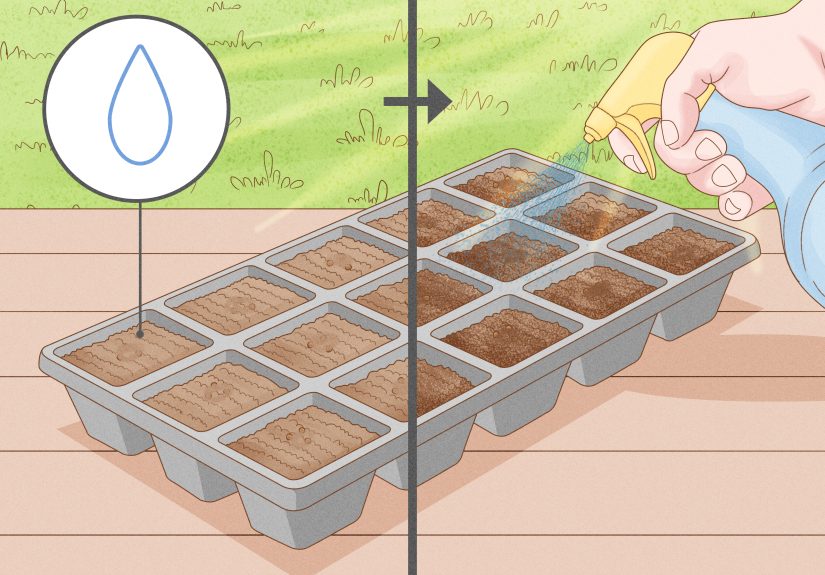
- 11. Water Gently So the Seeds Stay Put
- 12. Keep Conditions Steady During Germination
- 13. Thin Ruthlessly, Kindly, and on Time
- Best Tiny Seeds to Practice With
- Common Mistakes That Ruin Even Sowing
- Extra Experience: What Tiny Seeds Teach You After a Few Real-World Trays
- Conclusion
- SEO Tags
Tiny seeds are the glitter of the gardening world: charming, exciting, and somehow everywhere the second you lose control of the packet. One sneeze, one overconfident shake, and suddenly your future lettuce patch looks like a botanical traffic jam. The good news is that sowing tiny seeds evenly is absolutely learnable. You do not need surgeon hands, a greenhouse empire, or mystical seed-whispering powers. You just need a smart setup, a calm pace, and a few tricks that keep those microscopic little overachievers from landing in one dramatic clump.
If you are planting carrots, lettuce, basil, snapdragons, petunias, or any other small-seeded crop, spacing matters. Even sowing helps seedlings get enough light, air, water, and root room. It also cuts down on waste, reduces thinning, and saves you from the classic gardener complaint: “Why did I plant 473 seedlings in a container the size of a lunchbox?” Below, you will find a clear, practical guide to sowing tiny seeds evenly in 13 steps, plus real-world lessons that make the whole process easier the next time you face a packet full of specks.
Why Even Sowing Matters
When tiny seeds are scattered too thickly, seedlings compete from day one. They crowd each other for moisture, stretch for light, and create the kind of humid jungle that diseases love. Even sowing gives each plant a better start, whether you are direct sowing outdoors or starting seeds indoors in trays. It also makes watering easier, thinning less painful, and transplanting far more manageable.
In plain English, even sowing means fewer regrets later. That is a gardening win.
How to Sow Tiny Seeds Evenly: 13 Steps
1. Read the Seed Packet Before You Touch the Seeds
Start with the least glamorous step and the most useful one: read the packet. Tiny seeds are not all the same. Some need light to germinate and should only be pressed into the surface. Others need a whisper-thin covering of vermiculite or fine mix. Some are best started indoors, while others prefer direct sowing outside. The packet tells you depth, spacing, timing, and often whether thinning will be needed.
This matters because tiny seeds are easy to bury too deeply. A seed that is planted too far down may never emerge, while one planted too shallow in the wrong situation can dry out fast. Before you do anything, know what that specific crop wants.
2. Use a Fine, Loose Seed-Starting Mix
If you are sowing indoors, choose a seed-starting mix with a fine texture rather than chunky potting soil or random backyard dirt. Tiny seeds need good contact with the growing medium. A coarse mix creates air gaps, uneven moisture, and awkward little craters where seeds disappear like they owe somebody money.
A quality seed-starting mix is light, drains well, and still holds enough moisture to support germination. For tiny seeds, texture matters more than people think. If the surface looks like a gravel driveway, your seeds are going to have a rough start.
3. Pre-Moisten the Mix First
One of the smartest moves in seed starting is moistening the mix before sowing. Add water until the medium feels evenly damp, like a wrung-out sponge. Not soupy. Not dusty. Just pleasantly moist.
Why do this first? Because watering after sowing tiny seeds can wash them into corners, bury them too deeply, or float them into one suspiciously crowded blob. Pre-moistening gives you control and keeps the surface ready for a gentler first watering.
4. Fill Containers and Level the Surface
Fill your tray, cell pack, pot, or shallow flat with the moistened mix. Then level the top and lightly firm it. You are not trying to compact it into a brick. You just want a smooth, even surface so seeds do not roll into low spots.
This step is easy to skip when you are excited, but it makes a big difference. Tiny seeds love to settle into dips. A level surface helps you distribute them more evenly and makes shallow covering more consistent too.
5. Create a Planting Guide Before You Sow
If you are direct sowing in a garden bed, make a shallow furrow or narrow drill. If you are sowing in flats, divide the surface mentally into sections. Some gardeners use a ruler, chopstick, or the edge of a plant label to create faint guide lines. Straight lines are not required unless you enjoy the emotional support of neat rows, but a visual guide helps prevent over-seeding in one area.
For wide-row planting, scatter carefully across the whole band rather than dumping in one lane and hoping for the best. Tiny seeds need intention, not enthusiasm.
6. Mix the Seeds With Dry Sand for Better Distribution
This is one of the classic tricks for sowing tiny seeds evenly, and it works beautifully. Mix the seed with a small amount of dry, clean sand before sowing. The sand bulks up the volume, making the mixture easier to see and spread thinly.
It is especially helpful for carrot, lettuce, and wildflower seed, as well as dust-like flower seed that seems determined to leave the packet in a dramatic avalanche. You are not changing the seed. You are simply giving it a less chaotic delivery system.
If you are working in containers, a tiny bowl or cup is enough. Outdoors, you can mix seed and sand in a larger container, then scatter more evenly down the row or across the bed.
7. Use a Precision Tool for Ultra-Tiny Seeds
For very small seed lots, precision sowing beats dumping every time. A damp toothpick, pencil tip, chopstick, or even a slightly moistened fingertip can pick up one or two seeds at a time. You can also use a handheld seeder if you like gadgets and want to feel like a tiny-seed engineer.
This method is slower, but it can save time later because you will not need to thin nearly as much. It is especially useful for expensive seed, pelleted seed, or varieties you only have a few of.
8. Sow Thinly and Move Slowly
Now comes the part where patience earns its paycheck. Whether you are tapping seed from the packet, sprinkling a seed-and-sand mix, or placing seeds one by one, move slowly. Tiny seeds tend to come out faster than expected, and once they are down, you are not negotiating with them.
Try to sow a little more lightly than you think you should. Most gardeners oversow on the first pass because the seeds look so small that it feels impossible there are already enough on the surface. Then they germinate and suddenly the tray resembles rush hour.
If you are direct sowing, aim for a thin, even line rather than perfect final spacing. If you are sowing indoors, aim for separation rather than precision perfection.
9. Cover Lightly, or Do Not Cover at All
This step depends entirely on the seed. Many tiny seeds need only the thinnest dusting of mix or vermiculite. Some need to remain on the surface and be gently pressed in because they require light for germination.
The safest rule is simple: tiny seeds usually need very shallow planting. Think “barely tucked in,” not “buried with honors.” A light covering helps hold moisture, but too much depth can stop germination before it even starts.
When in doubt, use the packet directions. The smaller the seed, the more cautious you should be about covering it.
10. Label Immediately
Do not trust your memory. That is how every tray becomes a spring mystery. Label each row, pot, or cell pack right away with the crop name and sowing date. If you are testing several varieties, include the variety name too.
Labeling seems boring until you are staring at a tray of identical green seedlings wondering whether you planted basil, snapdragons, or your future embarrassment.
11. Water Gently So the Seeds Stay Put
After sowing, water with extreme politeness. A heavy stream can wash tiny seeds into clumps or send them swimming to the edge of the tray. Gentle misting can work, but bottom watering is often even better once seeds are in place. Set containers in a tray with water so moisture moves up into the mix without disturbing the surface.
The goal is even moisture, not swamp conditions. Keep the mix consistently damp while seeds germinate, but never soggy. Tiny seeds are delicate, and the line between “pleasantly moist” and “fungal drama” is thinner than most people think.
12. Keep Conditions Steady During Germination
Tiny seeds respond best to stable conditions. That means consistent moisture, appropriate warmth, and enough humidity to keep the surface from crusting over before seedlings emerge. A clear dome or plastic cover can help during germination, but remove it once seedlings start appearing so air can circulate.
Indoors, strong light is essential as soon as seedlings come up. A bright window may not be enough. Seedlings grown under lights are usually sturdier, shorter, and less likely to flop around like sleepy noodles. Outdoors, be ready to protect emerging seedlings from drying winds or a pounding rain that can dislodge them.
13. Thin Ruthlessly, Kindly, and on Time
Even with careful sowing, some thinning is normal. The trick is to thin early, before seedlings become tangled roommates with shared roots and boundary issues. Snip extras at soil level with scissors instead of pulling them if plants are close together. Pulling can disturb the roots of the seedlings you want to keep.
Yes, thinning feels a little rude. No, your seedlings will not send complaint letters. The survivors will thank you by growing better, faster, and stronger.
Best Tiny Seeds to Practice With
If you are new to sowing tiny seeds evenly, start with crops that germinate fairly reliably and give fast feedback. Lettuce is a great teacher because it sprouts quickly and makes spacing mistakes easy to spot. Basil is another friendly option, especially when started indoors. Carrots are famous for being fussy to sow evenly outdoors, which makes them a perfect candidate for the sand-mixing trick. Small flower seeds such as snapdragons and petunias can also teach patience, shallow sowing, and the importance of light.
Once you master those, you will feel much more confident handling seeds that look like pepper dust.
Common Mistakes That Ruin Even Sowing
Dumping Straight From the Packet
This is the classic mistake. Tiny seeds pour out much faster than expected, especially if the packet opening is too wide. Tapping gently or transferring seed to a spoon, folded paper, or mixing cup gives you far more control.
Using Coarse Potting Soil
Chunky mix creates uneven contact and makes it harder for tiny seeds to settle where you want them. Fine texture is your friend here.
Burying Tiny Seeds Too Deeply
Overcovering is one of the most common reasons tiny seeds fail. If the packet says surface sow, believe it. Tiny seeds are small because they come with limited stored energy. They do not appreciate digging through half an inch of soil like heroic movie characters.
Watering Too Aggressively
A strong stream from a watering can can undo careful spacing in seconds. Water like you are handling dust made of hope.
Skipping Thinning
Crowded seedlings may all sprout, but that does not mean they can all stay. If you avoid thinning, you often end up with a tray full of weak plants rather than a smaller number of strong ones.
Extra Experience: What Tiny Seeds Teach You After a Few Real-World Trays
The first time most gardeners sow tiny seeds, they assume the hard part is getting them into the soil. It is not. The hard part is slowing down enough to do three quiet, slightly boring things well: preparing the surface, controlling the spacing, and watering gently afterward. Tiny seeds have a funny way of rewarding discipline and punishing improvisation. They are not impossible, but they are unimpressed by chaos.
One of the biggest lessons people learn is that tiny seeds do not look evenly spaced at sowing time. They look like almost nothing. That is why beginners oversow. The tray seems empty, so they add more. Then more. A week later, the container becomes a crowded green carpet and the thinning starts to feel like emotional damage. With experience, you begin to trust the empty-looking spaces. You realize that a sparse tray on day one often becomes a perfect tray on day seven.
Another real-world lesson is that tools matter less than rhythm. Fancy seeders can help, but a steady hand and a smart method matter more. Some gardeners swear by seed mixed with sand. Others like pelleted seeds because they are easier to see and place. Some prefer a damp toothpick for precision. None of these methods are magical on their own. What matters is choosing one method and sticking with it calmly enough that you do not rush halfway through.
Experience also teaches that seed starting is part gardening and part environmental management. Tiny seeds are highly sensitive to surface conditions. If the top layer dries out, germination may stall. If it stays too wet, you can invite disease. If the room is too dark, seedlings stretch. If the container lacks drainage, everything gets weird fast. After a few rounds, you stop thinking only about the seed and start thinking about the whole little system around it: mix, moisture, air, temperature, light, timing.
There is also a surprising emotional side to sowing tiny seeds evenly. It trains patience. Big seeds feel decisive. Tiny seeds feel like a trust exercise. You place something barely visible onto the surface, cover it lightly or not at all, water carefully, and wait. Then one morning a thread of green appears, followed by another, and another, and suddenly your tray is alive. That moment never gets old. It is quiet, but it is oddly thrilling.
Perhaps the most valuable experience of all is learning that mistakes are not wasted. A crowded tray teaches thinning. A washed-out tray teaches gentler watering. A tray of leggy seedlings teaches better lighting next time. A failed sowing teaches you to check the packet before inventing your own rules. Every awkward batch makes the next one better. That is why experienced gardeners can seem relaxed about small failures. They know the lesson is usually worth more than the lost packet.
So if your first attempt at sowing tiny seeds evenly turns messy, welcome to the club. Gardening has always been a mix of science, observation, and humble pie. The goal is not perfection. The goal is progress, better spacing, stronger seedlings, and maybe fewer accidental basil forests. Keep notes, label everything, trust the process, and remember: tiny seeds may be small, but they are excellent teachers.
Conclusion
Learning how to sow tiny seeds evenly is one of those small gardening skills that pays off in a big way. With the right seed-starting mix, a smooth surface, careful spacing, shallow planting, and gentle watering, you can turn a frustrating task into a repeatable system. The 13 steps above help reduce overcrowding, improve germination, and make your seedlings stronger from the very beginning. Once you practice a few times, tiny seeds stop feeling intimidating and start feeling like an easy win.
And that is a beautiful thing, because in gardening, every easy win counts.




 Close
Close