
Table of Contents >> Show >> Hide
- Before You Start: Figure Out What Kind of Window Pane You Have
- Tools and Materials for Replacing a Window Pane
- How to Replace a Window Pane Step by Step
- 1. Make the Area Safe First
- 2. Remove the Broken Glass Carefully
- 3. Remove the Old Glazing Compound or Putty
- 4. Inspect the Frame Before Installing New Glass
- 5. Measure the Opening Correctly
- 6. Dry-Fit the Replacement Pane
- 7. Apply Bedding Compound
- 8. Set the New Glass Pane
- 9. Install Glazing Points
- 10. Apply the Finish Glaze
- 11. Let It Cure Before Painting
- 12. Prime and Paint the Repair
- Special Cases: When Replacing a Window Pane Gets More Complicated
- Common Window Pane Replacement Mistakes to Avoid
- Should You Replace Just the Window Pane or the Whole Window?
- Final Thoughts
- Experience-Based Notes: What This Job Is Really Like in Real Life
A broken window pane has a special talent for ruining your day. One second you are minding your business, and the next you are staring at cracked glass, a drafty room, and a repair job that suddenly feels like a final exam in home improvement. The good news is that replacing a window pane is absolutely manageable in many situations, especially if you are dealing with a traditional single-pane window in a wood sash. The less-good news is that not every window is a classic “pop out the old glass, pop in the new glass” scenario. Some panes are part of insulated glass units, some require safety glass, and some should make you put down the putty knife and pick up the phone.
This guide walks you through how to replace a window pane the smart way: safely, neatly, and without turning your living room into a snow globe of glass shards. We will cover how to tell what kind of pane you have, what tools you need, the step-by-step replacement process, the most common mistakes, and when a full window glass replacement makes more sense than a quick DIY repair. By the end, you will know whether this is a satisfying Saturday project or one of those jobs best left to people who own suction cups and say things like “insulated glazing failure” with a straight face.
Before You Start: Figure Out What Kind of Window Pane You Have
Not all window glass replacement jobs are created equal. In fact, some are more like baking cookies, and some are more like rebuilding a watch. Before you do anything else, identify the type of window pane you are dealing with.
Single-pane window
This is the most DIY-friendly setup. You will usually find one layer of glass held in place with glazing compound, glazing putty, glazing points, or a removable stop. Older wood windows are the classic example. If your broken glass lives in one of these, you are probably in business.
Double-pane or insulated glass unit
If the window has two panes sealed together with an air or gas-filled space between them, you typically do not replace just one sheet of glass the old-fashioned way. In many cases, the insulated glass unit or sash gets replaced as a piece. That means no heroic putty-knife performance is required, just accurate measuring and the humility to admit that modern windows love proprietary parts.
Metal, vinyl, or aluminum frame
These often use glazing beads, gaskets, or seals rather than traditional putty. The process can still be DIY-friendly, but it is different from reglazing a wood sash. Translation: if your window looks modern and clicks together like it was designed by an engineer with trust issues, do not assume wood-window instructions apply.
Tempered or safety glass
Windows in bathrooms, near doors, or close to the floor may require tempered safety glass depending on the location and local code. Safety glass is stronger and breaks differently than standard annealed glass. If your old pane had a safety marking, your replacement should not be a random piece of bargain-bin glass with delusions of grandeur.
Older home with painted wood sash
If the house was built before 1978, lead paint may be a concern. That does not automatically cancel the project, but it does mean you should work carefully and follow lead-safe practices instead of sanding away like you are starring in a very dusty DIY montage.
Tools and Materials for Replacing a Window Pane
You do not need an entire workshop, but you do need the right basics.
- Heavy work gloves and safety glasses
- Long sleeves and closed-toe shoes
- Drop cloth or cardboard
- Putty knife
- Utility knife
- Pliers
- Heat gun if old putty is stubborn
- Glazing points or clips, depending on the sash type
- Replacement glass cut to size
- Glazing compound or latex window glazing
- Painter’s tape
- Primer and paint if required
- Fine sandpaper
- Measuring tape
- Vacuum and a sturdy container for broken glass
One important note: many home improvement stores can cut glass to order. That is excellent news for anyone who has ever used a glass cutter and immediately decided that outsourcing is a form of wisdom.
How to Replace a Window Pane Step by Step
1. Make the Area Safe First
Start by keeping pets, kids, and wandering adults away from the area. Lay down a drop cloth and put on gloves and eye protection. If the window is badly shattered, use painter’s tape across the broken section before removal to help hold loose pieces together. That simple trick can save you from the glamorous experience of kneeling on a mystery shard later.
2. Remove the Broken Glass Carefully
Pull out loose shards with gloved hands or pliers. Work slowly. If the pane is cracked but still hanging on, do not punch it out like an action movie character with unresolved feelings. Ease it free piece by piece. Place broken glass directly into a rigid container or wrap it securely before disposal.
If you are working on a wood sash, remove any old glazing points holding the glass in place. These are the small metal tabs that keep the pane from shifting. A putty knife or pliers usually does the trick.
3. Remove the Old Glazing Compound or Putty
This is often the least glamorous part of the repair. Old glazing can be brittle, cracked, sticky, or so stubborn it appears to be fueled by spite. Use a putty knife to chip it away carefully. If necessary, soften hardened glazing with a heat gun used gently and with care. Avoid scorching the wood or cooking old paint.
Once the old compound is gone, scrape the rabbet, which is the recessed channel where the glass sits, until it is clean and reasonably smooth. You do not need museum-grade perfection, but you do want a clean surface so the new pane can bed properly.
4. Inspect the Frame Before Installing New Glass
This is the moment to look for rot, rust, cracked stops, or loose joints. If the sash is rotted, flaky, or structurally weak, replacing the glass alone may not solve much. A new pane installed into a failing frame is like putting a fresh tire on a shopping cart with one wheel missing. Technically something improved. Functionally, not enough.
If the frame is wood, sand rough spots lightly, remove dust, and apply primer to bare wood where appropriate. Fresh glazing adheres better when the substrate is sound.
5. Measure the Opening Correctly
Measure the height, width, and thickness of the old glass or the clean opening. Write everything down. Then check it again because window pane replacement is not the ideal time for confidence-based math.
Most guides recommend ordering the new pane slightly smaller than the opening so it can fit without binding as the frame expands and contracts. You want a snug fit, not a glass stress test. If you are unsure, bring your measurements to a glass shop or home center and confirm the cut size before ordering.
6. Dry-Fit the Replacement Pane
Before adding glazing compound, test the new pane in the opening. It should sit comfortably without force. If it does not, stop and fix the sizing issue now. Forcing glass into place is a fantastic way to turn “replacement pane” back into “broken pane” in under ten seconds.
7. Apply Bedding Compound
For a traditional wood window, apply a thin bed of glazing compound in the rabbet. This cushions the glass, helps seal out moisture and air, and gives the pane a comfortable place to live. Press it in evenly but do not overdo it. This is window repair, not cake frosting.
8. Set the New Glass Pane
Carefully place the replacement glass into the opening and press it gently into the bedding compound. Make sure the pane sits flat and even. If compound squeezes out excessively, that is your cue to tidy up, not panic.
9. Install Glazing Points
Insert glazing points into the wood sash to hold the pane firmly in place. Space them evenly around the perimeter so the glass stays secure. Use a putty knife to press them in without putting direct stress on the center of the pane. Glass is strong in some ways and hilariously petty in others.
10. Apply the Finish Glaze
Now apply a final layer of glazing compound around the edges. Use a putty knife to smooth it into a neat, angled bevel that sheds water and looks clean from the outside. This is the part that separates “competent repair” from “it appears a raccoon helped.”
Take your time. A smooth line improves both appearance and weather resistance. Remove excess compound from the glass and sash as you go.
11. Let It Cure Before Painting
Different glazing products cure at different speeds. Some latex glazing products can be painted in a few days, while traditional compounds may need longer to skin over and firm up. Always follow the product instructions. In many cases, painting is important for protecting the glazing and sealing the repair, not just for making it look like you definitely meant to do this all along.
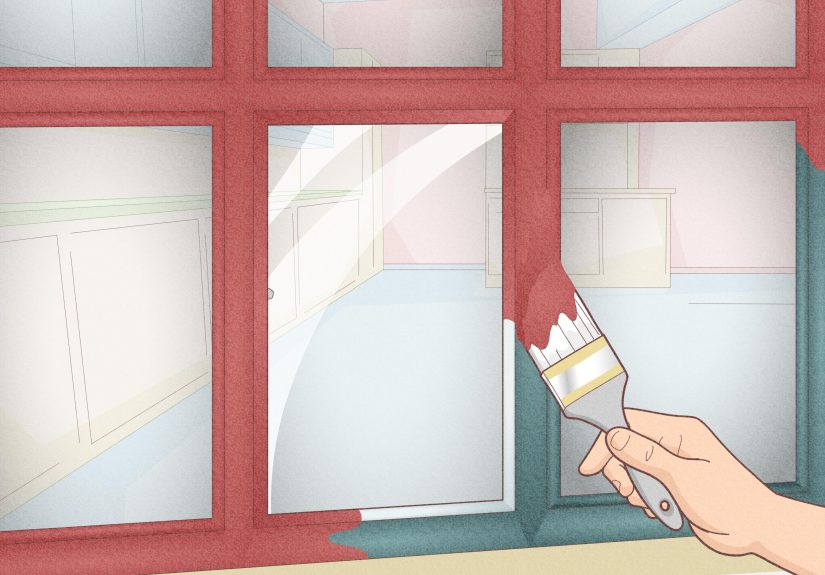
12. Prime and Paint the Repair
Once the glazing is ready, apply primer and paint as recommended. Slightly overlap the paint onto the glass edge for a tight weather seal. It is a small detail, but it helps protect the glazing from moisture and ultraviolet damage.
Special Cases: When Replacing a Window Pane Gets More Complicated
Double-pane glass replacement
If the window is foggy between panes, the seal has likely failed. That usually means replacing the insulated glass unit rather than scraping out putty and swapping one sheet. This is common in modern vinyl and aluminum windows.
Snap-in glazing beads and gaskets
Many newer windows hold glass in place with removable trim pieces or rubber gaskets. The repair can still be done, but you may need matching replacement parts, careful disassembly, and a very clear memory of what came off first.
Safety glass requirements
If the pane is near a shower, tub, door, stair, or low to the floor, check whether tempered glass is required. Using the wrong type of glass is not a harmless shortcut. It can create a safety issue and a code problem.
Lead paint in older homes
If your home predates 1978, disturbed paint can create lead dust. Use lead-safe work practices, minimize dust, and avoid aggressive sanding or demolition. For larger repairs or window replacement projects in older homes, certified help may be the smart move.
Common Window Pane Replacement Mistakes to Avoid
The biggest mistakes are wonderfully avoidable:
- Ordering the wrong glass size: Measure carefully and confirm before buying.
- Using the wrong glass type: Standard glass is not always acceptable where safety glass is required.
- Skipping cleanup: Tiny glass fragments have a remarkable ability to outlive your memory.
- Leaving old rot in place: A new pane cannot save a failing sash.
- Rushing cure time: Glazing compound needs time before painting or heavy sash operation.
- Applying too much force: Glass does not respond well to motivational speeches or brute strength.
Should You Replace Just the Window Pane or the Whole Window?
If the frame is solid, the damage is limited to the glass, and the window is a traditional single-pane design, replacing just the pane is often the most cost-effective route. It is practical, efficient, and a lot less disruptive than changing the entire unit.
But if the sash is rotted, the seals are failing, the operation is poor, or the window is an old single-pane unit that leaks energy like a colander, replacement may make more sense in the long run. Modern energy-efficient windows can improve comfort, reduce drafts, and lower utility costs, especially when replacing aging single-pane windows throughout the house.
Final Thoughts
Learning how to replace a window pane is one of those home repair skills that feels intimidating right up until the moment it starts making sense. The key is identifying the window type, working safely, measuring accurately, and not treating glazing compound like a race. A single-pane wood window can often be repaired beautifully with patience and the right materials. A modern insulated unit, on the other hand, may call for replacement glass ordered to spec or professional help.
In other words, the smartest DIYer is not the one who insists on doing every repair alone. It is the one who knows when a broken pane is a tidy weekend fix and when it is actually a precision glass job wearing a fake mustache. Start with safety, respect the materials, and you can end up with a repair that looks sharp, seals well, and keeps the weather where it belongs: outside.
Experience-Based Notes: What This Job Is Really Like in Real Life
Here is the part that most step-by-step guides do not fully explain: replacing a window pane is usually less about technical difficulty and more about patience. People often imagine the hardest part is installing the new glass, but the real challenge is slowing down when the old glazing fights back. That old putty can be crumbly in one corner, rubbery in another, and welded to the sash everywhere else. The first-time mistake is almost always trying to remove it too fast. The better approach is a steady one: scrape a little, soften a little, clean a little, and keep reminding yourself that this is detail work, not demolition.
Another real-world lesson is that measuring feels simple right up to the moment you realize old windows are rarely perfectly square. Homeowners often discover that the opening is slightly irregular, especially in older houses where wood has moved over time. That is why cautious measuring matters so much. A pane that is even a little too large becomes a frustrating, expensive reminder that glass has no interest in “close enough.” Experienced DIYers usually dry-fit everything and double-check the opening before they commit to bedding compound.
There is also a big difference between a repair that merely works and one that looks clean from the curb. The final glaze line is where that difference shows up. Many people can get the pane in place, but the neat bevel around the edge is what makes the repair look finished. The trick is not magic; it is just a slow hand, a clean putty knife, and the willingness to redo a pass instead of pretending lumpy glazing is “rustic.” Spoiler: the neighbors know.
People who have done several of these repairs also tend to agree on one thing: cleanup deserves more respect. Tiny shards travel. They hide in the grass, tuck themselves into the windowsill, and somehow migrate onto shoes. A careful vacuum, a visual check, and proper disposal are part of the job, not an optional epilogue.
And finally, experience teaches judgment. Sometimes the repair goes smoothly and feels satisfying, especially on a classic wood sash where every part is accessible and understandable. Other times, once the trim comes off, you find a fogged insulated unit, brittle vinyl glazing bead, hidden rot, or signs that the “simple broken pane” is actually a bigger window problem. That is not failure. That is useful information. In home repair, knowing when to continue and when to change plans is a skill every bit as valuable as handling the tools.







 Close
Close