
Table of Contents >> Show >> Hide
- Start With the Bathroom Layout Before Choosing Decor
- Choose a Bathroom Color Scheme That Sets the Mood
- Upgrade Bathroom Lighting for Instant Impact
- Make the Vanity the Anchor of the Bathroom
- Use Tile to Add Personality and Durability
- Bring in Texture for a Warmer Bathroom
- Small Bathroom Decorating Ideas That Work
- Create Bathroom Storage Without Killing the Style
- Add Plants and Natural Elements
- Choose Fixtures and Hardware With Intention
- Design a Shower or Tub Area That Feels Special
- Bathroom Wall Decor Ideas
- Make the Bathroom Feel Like a Spa
- Budget-Friendly Bathroom Decorating Ideas
- Common Bathroom Design Mistakes to Avoid
- Experience-Based Tips for Bathroom Decorating and Design Ideas
- Conclusion
Note: This article is written in standard American English for web publication and is based on practical, real-world bathroom design principles, current decorating ideas, and common renovation guidance used by U.S. home design experts.
A bathroom may be the smallest room in the house, but it has an impressive talent for causing big design drama. One wrong light bulb and suddenly your peaceful morning routine feels like an interrogation scene. One tiny towel bar in the wrong spot and everyone in the house starts performing awkward gymnastics. The good news? Smart bathroom decorating and design ideas can turn even a basic bath into a room that feels fresh, functional, and surprisingly stylish.
Whether you are planning a full bathroom remodel or simply trying to make your rental bathroom look less like it was decorated by a very tired landlord, the right approach matters. Great bathroom design is not only about picking pretty tile. It is about layout, lighting, storage, ventilation, color, materials, comfort, and daily habits. A beautiful bathroom that has nowhere to put extra toilet paper is not a design triumph; it is a tiny emergency waiting to happen.
This guide explores practical bathroom decorating ideas, small bathroom design tricks, modern bathroom trends, vanity and lighting tips, storage solutions, and experience-based advice that can help you create a bathroom that looks polished without becoming precious. Because yes, the room should be gorgeousbut it also needs to survive toothpaste, humidity, wet towels, and people who mysteriously never replace the hand soap.
Start With the Bathroom Layout Before Choosing Decor
Before falling in love with a brass faucet or a dreamy sage-green vanity, begin with the bathroom layout. Layout is the skeleton of the room. Decor is the outfit. A stylish outfit cannot fix a skeleton doing yoga in the wrong direction.
For a small bathroom, the main goal is clear circulation. You should be able to enter the room, use the sink, access the shower or tub, and open cabinets without bumping into every hard surface along the way. In narrow bathrooms, a floating vanity can make the floor appear larger. In compact powder rooms, a pedestal sink or wall-mounted sink may free up visual space. If you have a larger primary bathroom, separate zones for the vanity, shower, toilet, and tub can make the room feel more luxurious and organized.
Keep Plumbing in Mind
Moving plumbing can be expensive, so the smartest bathroom design ideas often work with existing fixture locations. Replacing a bulky vanity with a slimmer one, swapping a shower curtain for a glass door, or using a better mirror can create a dramatic transformation without tearing the room down to the studs.
Use Visual Space Wisely
Glass shower doors, open shelving, wall-mounted storage, and large mirrors help a bathroom feel more spacious. In small bathrooms, avoid cutting the room into too many tiny visual sections. A continuous floor tile, a consistent wall color, or a repeated metal finish can make the space feel calmer and more intentional.
Choose a Bathroom Color Scheme That Sets the Mood
Color can completely change the personality of a bathroom. White bathrooms feel clean and timeless, but they can also feel cold if there is no texture. Dark bathrooms can feel dramatic and elegant, but they need strong lighting. Soft blues, greens, warm whites, sandy beiges, and muted terracotta tones are popular because they create a calm, spa-like feeling without looking boring.
For a small bathroom, many people assume the only safe color is white. Not true. A powder room is actually one of the best places to try bold wallpaper, deep navy paint, forest green walls, or a moody charcoal vanity. Because the room is small, a daring choice feels intentional rather than overwhelming. Think of it as the jewelry box of the house.
Easy Color Combinations for Bathrooms
A classic white-and-wood bathroom feels warm, clean, and easy to decorate. Blue and white creates a coastal look without requiring seashells to take over your life. Black and cream feels sophisticated and modern. Sage green with brushed brass is soft but stylish. Warm beige with natural stone can make a bathroom feel like a boutique hotel, minus the tiny shampoo bottles.
When choosing paint, consider moisture-resistant bathroom paint with a finish that can handle humidity and cleaning. A beautiful wall color is less charming when it starts peeling like a sunburn after three steamy showers.
Upgrade Bathroom Lighting for Instant Impact
Bathroom lighting is one of the most important design features, yet it is often treated like an afterthought. A single ceiling light may technically illuminate the room, but it usually creates shadows exactly where you do not want themon your face while shaving, applying makeup, or wondering why you look like you slept in a haunted attic.
The best bathroom lighting plan uses layers. Ambient lighting provides general brightness. Task lighting around the vanity helps with grooming. Accent lighting highlights architectural details, shower niches, tile texture, or artwork. Even a small bathroom benefits from this layered approach.
Vanity Lighting Tips
Place sconces on both sides of the mirror when possible. This reduces shadows and creates more flattering light. If side sconces are not an option, a horizontal fixture above the mirror can work well. Choose bulbs with a warm but clear color temperature so the room feels inviting while still showing accurate color.
Add Soft Lighting for a Spa Feel
LED strips under floating vanities, lights inside shower niches, or dimmable ceiling fixtures can make the bathroom feel more relaxing. Dimmers are especially useful in bathrooms because no one needs full stadium lighting during a midnight trip to brush their teeth.
Make the Vanity the Anchor of the Bathroom
The vanity is often the visual and functional center of the bathroom. It holds the sink, hides plumbing, stores daily essentials, and sets the design tone. A dated vanity can make the entire bathroom feel tired, while a well-chosen vanity can make even simple tile look elevated.
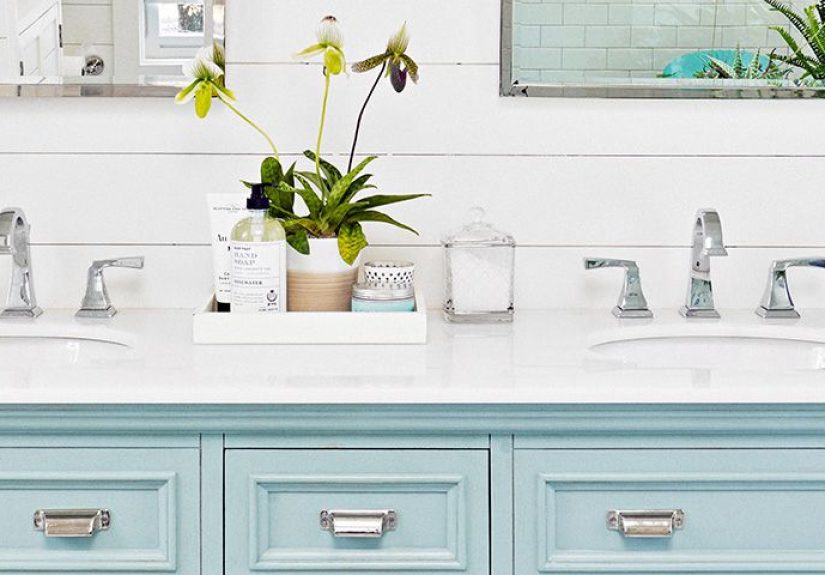
For modern bathroom design, floating vanities are popular because they create an open, airy look. Furniture-style vanities work well in traditional, transitional, farmhouse, and vintage-inspired bathrooms. A double vanity is useful in shared bathrooms, but only if there is enough space for both people to use it comfortably. Otherwise, it becomes a two-sink traffic jam.
Vanity Storage That Actually Works
Drawers are often more practical than deep cabinets because they make it easier to see and reach items. Soft-close drawers and doors add a small touch of everyday luxury. Use drawer dividers for makeup, razors, toothpaste, brushes, and skincare. If your vanity has open shelving, use baskets to keep items from looking cluttered.
Countertop Choices
Quartz is a popular bathroom countertop material because it is durable, low-maintenance, and available in many styles. Natural stone, such as marble or granite, can look beautiful but may require sealing and more careful maintenance. For a budget-friendly refresh, replacing only the countertop, faucet, and hardware can make an existing vanity look almost new.
Use Tile to Add Personality and Durability
Bathroom tile has to do a lot of work. It needs to resist moisture, clean easily, and look good for years. Luckily, tile can also be one of the most exciting design elements in the room. From classic subway tile to bold patterned floors, tile gives a bathroom structure, texture, and personality.
Large-format tiles can make a bathroom feel more seamless because they reduce grout lines. Small mosaic tiles add grip and visual detail, especially in showers. Zellige-style tiles bring handmade texture. Porcelain tile can mimic marble, concrete, stone, or wood while offering strong durability.
Tile Drenching and Accent Walls
One modern bathroom design idea is tile drenching, where the same or coordinating tile continues across walls and floors for a cohesive look. It can make a small bathroom feel more expansive because the eye does not stop at sudden material changes. Another option is a bathroom accent wall behind the vanity, tub, or shower. This is a great place for patterned tile, textured stone, or a bold color.
Do Not Ignore Grout
Grout color changes the entire look of tile. White grout with white tile creates a soft, seamless appearance. Dark grout with white tile creates graphic contrast and hides some stains. Matching grout tends to feel calmer; contrasting grout feels more energetic. Choose wisely, because grout is tiny but dramaticlike a design mosquito.
Bring in Texture for a Warmer Bathroom
Bathrooms are full of hard surfaces: tile, porcelain, glass, mirrors, metal, stone. Without texture, the room can feel sterile. Adding texture is one of the easiest bathroom decorating ideas for making the space feel warm and finished.
Try woven baskets, ribbed glass, fluted vanity fronts, linen shower curtains, wood shelves, natural stone, textured wallpaper, or plush bath mats. Even a simple wood stool near the tub can soften the room and provide a place for towels, candles, or a book you fully intend to read but will probably just admire aesthetically.
Mix Materials Carefully
A good bathroom design usually combines smooth and rough, shiny and matte, warm and cool. For example, pair glossy white tile with a wood vanity. Combine matte black fixtures with a warm stone countertop. Add brushed brass hardware to a deep green vanity. The goal is balance, not a showroom full of unrelated samples.
Small Bathroom Decorating Ideas That Work
Small bathrooms need decorating ideas that are stylish but efficient. Every item should earn its place. The room does not have to be plain, but clutter becomes obvious quickly when square footage is limited.
A large mirror is one of the best small bathroom upgrades because it reflects light and visually expands the room. A wall-mounted faucet can free up counter space. Vertical storage, such as tall cabinets or shelves over the toilet, uses space that often goes ignored. Pocket doors or barn-style sliding doors may help in tight layouts where a swinging door eats up precious room.
Go Bold in a Powder Room
A powder room is perfect for dramatic decorating. Try botanical wallpaper, a sculptural mirror, a colorful vanity, or statement lighting. Since there is no shower creating constant steam, wallpaper is often easier to manage in a powder room than in a full bath. Add a framed print, a stylish hand towel, and a small tray for soap or lotion to make the room feel complete.
Choose Multi-Functional Decor
Decor should not only look good; it should help the bathroom work better. A ladder shelf can hold towels and display plants. A tray can organize daily products. Hooks can replace towel bars in a family bathroom because they are easier for children and guests to use. Decorative jars can hold cotton swabs, bath salts, or hair ties while keeping the counter tidy.
Create Bathroom Storage Without Killing the Style
Storage is where bathroom dreams either flourish or fall into chaos. A bathroom can have expensive tile and a beautiful vanity, but if every surface is covered in bottles, tubes, brushes, and mystery caps, the design disappears.
Start by dividing bathroom storage into daily, weekly, and occasional items. Daily items should be easy to reach. Weekly items can go in drawers or baskets. Occasional items, such as extra towels or bulk supplies, can go in a linen closet, tall cabinet, or labeled bin.
Smart Storage Ideas
Use recessed medicine cabinets to add storage without taking up space. Install shower niches instead of bulky caddies. Add pull-out organizers under the sink. Use magnetic strips or drawer inserts for small grooming tools. Add hooks behind the door for robes and towels. In a shared bathroom, give each person a labeled basket or drawer to prevent the classic “Who used my good shampoo?” household investigation.
Add Plants and Natural Elements
Plants can make a bathroom feel fresh, calm, and alive. Many bathrooms are humid, which certain houseplants enjoy. Good options may include pothos, ferns, snake plants, peace lilies, and philodendrons, depending on light levels. If your bathroom has no window, realistic faux greenery can still add softness without requiring a plant survival plan.
Natural elements also include wood tones, stone textures, bamboo accessories, woven baskets, and earthy color palettes. These materials help balance the coolness of tile and porcelain. A bathroom with natural materials often feels less like a utility room and more like a retreat.
Choose Fixtures and Hardware With Intention
Faucets, showerheads, towel bars, cabinet pulls, and hooks may seem like small details, but they have a major effect on the finished bathroom design. Matching every metal finish is not required, but the mix should feel deliberate.
Chrome is classic and easy to clean. Brushed nickel is soft and versatile. Matte black adds modern contrast. Brass and gold finishes bring warmth. Oil-rubbed bronze works well in traditional or rustic bathrooms. If mixing metals, choose one dominant finish and one accent finish. For example, use brushed nickel plumbing fixtures with black mirror frames and cabinet hardware.
Update Without a Full Remodel
If your bathroom feels dated but your budget says “please be reasonable,” change the hardware, faucet, mirror, towel hooks, light fixture, and shower curtain. These smaller bathroom decorating updates can make a major difference without touching plumbing or tile.
Design a Shower or Tub Area That Feels Special
The shower or tub is often the most relaxing part of the bathroom, so make it feel intentional. In a shower, consider a built-in niche, a bench, a rainfall showerhead, or a handheld sprayer. Clear glass doors can make the bathroom feel larger and show off beautiful tile. If privacy or cleaning is a concern, textured or frosted glass may be a better choice.
For bathtubs, styling matters. A freestanding tub can become a sculptural centerpiece in a larger bathroom. A built-in tub can look elevated with a tile surround, wood bath tray, wall niche, or attractive fixtures. Even a standard tub-shower combo can look better with a curved shower rod, a high-quality curtain, and clean, coordinated accessories.
Bathroom Wall Decor Ideas
Bathroom walls deserve more attention than they usually get. Art, mirrors, wallpaper, paneling, shelves, and paint can all bring personality into the room. Choose pieces that can handle humidity, especially in full bathrooms. Framed prints behind glass, metal wall art, ceramic pieces, and moisture-friendly wallpaper are smart options.
Beadboard, shiplap, picture-frame molding, and vertical paneling can add architectural interest. A half-wall treatment with paint or wallpaper above it creates a finished look. In a powder room, an oversized mirror or dramatic wallpaper can become the main design moment.
Make the Bathroom Feel Like a Spa
A spa-inspired bathroom does not require a giant soaking tub or a towel warmer that whispers compliments. It is mostly about calm, comfort, and sensory details. Use soft towels, gentle lighting, uncluttered counters, natural textures, and soothing colors. Add a small stool, a candle, a robe hook, or a tray for bath essentials.
Keep the color palette limited and relaxing. Choose storage that hides visual clutter. Use matching bottles for shampoo and conditioner if you enjoy a polished look. Add a plant or two. If the bathroom has a window, use privacy-friendly shades that still allow natural light.
Budget-Friendly Bathroom Decorating Ideas
You do not need a full renovation to improve a bathroom. Some of the best bathroom decorating and design ideas are affordable weekend upgrades.
Paint the walls or vanity. Replace cabinet knobs. Add a new mirror. Swap builder-grade lighting for a more stylish fixture. Install peel-and-stick wallpaper in a powder room. Add floating shelves. Upgrade towels and bath mats. Replace a tired shower curtain. Use matching containers for counter items. Add framed art. Clean or refresh grout. These updates can make the bathroom feel new without requiring a contractor, a dumpster, or emotional support snacks.
Where to Spend and Where to Save
Spend on items you touch daily, such as faucets, showerheads, vanity hardware, and lighting. Save on trendy accessories that are easy to replace, such as towels, art, soap dispensers, and small decor. If you love a bold trend, try it in paint, wallpaper, or accessories before committing to expensive permanent tile.
Common Bathroom Design Mistakes to Avoid
The first mistake is not planning storage. The second is choosing style over function. The third is ignoring ventilation. Bathrooms need proper airflow to manage moisture and reduce the chance of mold, mildew, and peeling paint. A good exhaust fan is not glamorous, but neither is a ceiling that looks like it is growing a science project.
Another mistake is using lighting that is too dim or too harsh. Also avoid rugs or materials that stay wet too long. Choose slip-resistant flooring, especially in family bathrooms, guest bathrooms, and bathrooms used by older adults. Finally, do not overcrowd the room. A bathroom needs breathing space. Not every wall needs decor, and not every corner needs a basket.
Experience-Based Tips for Bathroom Decorating and Design Ideas
When people talk about bathroom design, they often focus on what looks good in photos. Real-life bathroom experience is a little different. A bathroom has to work at 6:30 a.m. when someone is rushing, at midnight when the lights feel too bright, after a hot shower when the mirror fogs, and during that mysterious moment when every family member decides they need the sink at the same time. The best bathroom decorating and design ideas are the ones that still make sense when life is messy.
One of the most useful experience-based lessons is to design around routines. If you use a hair dryer every morning, do not bury it in a deep cabinet behind cleaning products. Add an outlet near the vanity, a heat-safe storage cup, or a drawer with a built-in organizer. If multiple people share the bathroom, use separate drawers, baskets, or shelves. Shared bathrooms fail when everyone’s belongings become one giant pile of “whose is this?”
Another practical lesson is that towel placement matters more than people think. A towel bar across the room from the shower looks neat in a photo, but it creates a daily drip trail. Hooks near the shower are often easier and more realistic, especially for kids or guests. In small bathrooms, hooks can hold more towels in less space than traditional bars. They also make the room feel less formal and more user-friendly.
Lighting is another area where experience teaches quickly. A bathroom can look beautiful in daylight and become completely impractical at night. Dimmable lights are worth considering because they let the room shift from bright morning grooming mode to soft evening relaxation mode. Side sconces near the mirror are helpful because they reduce face shadows. This is especially important if the bathroom is used for makeup, shaving, skincare, or checking whether you really did get toothpaste on your shirt before leaving the house.
Storage should be planned for what you actually own, not what an imaginary minimalist version of you owns. If you have skincare, hair tools, cleaning supplies, backup soap, medicine, towels, and bath products, plan for them. A beautiful vanity with one tiny shelf may look elegant but quickly becomes frustrating. Drawers, baskets, recessed medicine cabinets, and shower niches are practical upgrades that keep surfaces clean. The goal is not to own nothing; the goal is to give everything a place to go.
Materials also need a reality check. Glossy tile can look glamorous, but it may show water spots. Natural stone can be stunning, but it may require sealing. Matte finishes may hide fingerprints better, but some can be harder to clean if they are too textured. Before choosing tile, countertops, or fixtures, think about maintenance. A bathroom should not require a cleaning routine so intense it deserves its own calendar invite.
Finally, the best bathroom decorating experiences usually come from mixing beauty with comfort. Add the pretty mirror, but make sure it is the right size. Choose the bold wallpaper, but use it where moisture will not destroy it. Buy the plush towels, but include enough hooks for them to dry. Add plants, art, scent, texture, and colorbut leave room for the bathroom to function. A successful bathroom is not just one that photographs well. It is one that makes ordinary daily routines feel smoother, calmer, and a little more enjoyable.
Conclusion
Great bathroom decorating and design ideas begin with a simple question: how should this room feel and function every day? From layout and lighting to tile, storage, color, mirrors, hardware, and accessories, every choice should make the bathroom more beautiful and easier to use. A small bathroom can be bold. A primary bathroom can feel like a spa. A powder room can show off personality. Even a basic bathroom can become more stylish with thoughtful updates.
The most successful bathrooms balance durability with warmth, practicality with beauty, and trends with timeless choices. Choose materials that can handle moisture, lighting that supports real routines, storage that reduces clutter, and decor that makes the space feel personal. Whether you are planning a full remodel or simply replacing a mirror and adding fresh towels, the right design decisions can turn your bathroom into one of the most enjoyable rooms in the home.






 Close
Close