
Table of Contents >> Show >> Hide
- Getting to Know Oriental Poppies
- Where Oriental Poppies Grow Best
- How to Plant Oriental Poppies
- Everyday Care: Water, Feeding, and Mulch
- What Happens After Bloom: Summer Dormancy
- Companion Planting and Design Ideas
- Common Problems and How to Fix Them
- Propagation, Division, and Sharing Plants
- Frequently Asked Questions
- Real-World Oriental Poppy Growing Experiences
- Final Thoughts
If you’ve ever seen a clump of Oriental poppies in full bloom, you know they do
not do “subtle.” These perennials throw up huge, crepe-paper petals in fiery
reds, oranges, pinks, and apricots that look like someone turned the saturation
all the way up. The good news: once you understand a few quirks, Oriental
poppies are actually low-maintenance, long-lived plants that return year after
year with very little drama.
This guide walks you through everything you need to know about how to plant and
care for Oriental poppies, from choosing the perfect spot and starting seeds,
to watering, fertilizing, troubleshooting problems, and designing garden
combinations that make those blooms look even more show-stopping.
Getting to Know Oriental Poppies
Oriental poppies (Papaver orientale) are cold-hardy, herbaceous
perennials native to central Asia. In most gardens they grow well in USDA
Hardiness Zones 3–7, where they form tidy clumps of hairy, gray-green foliage
topped with large flowers in late spring to early summer. A mature clump is
usually 2–3 feet tall and about as wide, though some varieties stay a bit more
compact.
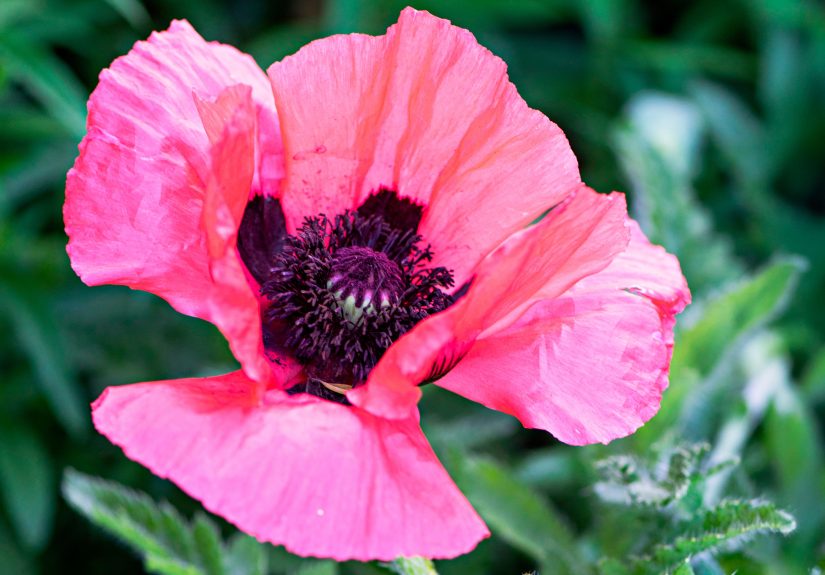
Each flower can be 4–6 inches across, with dark centers and distinctive seed
pods that remain ornamental long after the petals fall. Once the bloom show is
over, the foliage often yellows and dies back, then returns again in fall and
the following spring. That “disappearing act” is completely normal and is one
of the key things to understand before you plant them.
Where Oriental Poppies Grow Best
Climate and hardiness zones
Oriental poppies love cool to moderate climates. They’re happiest in regions
with cold winters and relatively mild summers, which help set strong buds and
keep the plants from getting stressed. Gardeners in Zones 3–7 are in the sweet
spot: winters are cold enough for the plants to rest, and spring gives them a
long, comfortable window to grow and bloom before summer heat kicks in.
In hotter climates, Oriental poppies may struggle, especially if nights stay
warm. If you garden on the warm edge of their range, give them excellent
drainage and a spot with morning sun and light afternoon shade so they don’t
roast during peak heat.
Sunlight requirements
For the best flower show, give Oriental poppies full sunat least six hours of
direct light per day. Full sun encourages strong stems, dense foliage, and
abundant blooms. In areas with intense summer sun, some light shade after 2 or
3 p.m. is fine, especially if the site tends to dry out quickly.
Too much shade, however, leads to floppy stems, fewer flowers, and plants that
slowly fade away. If you notice your poppies leaning dramatically toward the
nearest bright spot, that’s your cue that they’re begging for more sun.
Soil type and drainage
Oriental poppies are not picky about soil as long as one condition is met:
good drainage. They thrive in well-drained, sandy or loamy soil with a
neutral-ish pH around 6.5 to 7.0. Heavy clay and constantly wet sites are your
main enemies; soggy soil in winter can rot the thick, fleshy roots.
Before planting, loosen the soil 12–15 inches deep and mix in compost to
improve structure and fertility. If you’re dealing with clay, consider
creating a raised bed or planting on a slight slope so excess water can run
off. Avoid low spots where water pools after rainthe phrase “wet feet” and
“Oriental poppy” should never appear in the same sentence.
How to Plant Oriental Poppies
Planting nursery-grown plants
The easiest way to get quick blooms is to start with young plants (often
called crowns or potted perennials) from a nursery. Spring and early fall are
both good times to plant. In colder climates, fall planting lets roots
establish before winter, while spring planting is ideal where winters are
harsher or soil stays frozen late.
-
Prep the site. Weed the area, loosen the soil, and mix in
compost. If your soil is very poor, you can add a slow-release, balanced
fertilizer according to package directions. -
Dig the hole. Make it about twice as wide as the root ball
and just as deep. -
Set the plant. Carefully slide the plant from its pot,
keeping the root ball intact as much as possible. Place it in the hole so
the crown (where roots meet stems) sits at the same level it was in the pot. -
Backfill and water. Fill in with native soil mixed with
compost, firm gently, and water thoroughly to settle everything in. -
Space wisely. Give each plant 18–24 inches of room. Mature
clumps get big, and good air circulation helps prevent disease.
Planting Oriental poppies from seed outdoors
If you love variety or want a mass of poppies on a budget, growing from seed
is the way to go. Oriental poppy seeds are tiny and need light to germinate,
so they’re usually sown on the soil surface rather than buried deeply.
In cold-winter climates, fall is an excellent time to sow. Scatter seeds on
prepared soil when temperatures start to cool. Natural winter cold provides a
built-in stratification period that helps seeds break dormancy and sprout in
spring. In milder climates, you can mimic this process by mixing seeds with
slightly moist seed-starting mix, chilling them in the fridge for a few
weeks, and then sowing.
-
Prepare the bed. Rake the surface smooth and remove any
clumps or debris. -
Sow the seeds. Sprinkle them thinly over the area. Gently
press the seeds into the soil with your hand or the back of a rake, but do
not bury them deeply. -
Water gently. Use a fine spray so you don’t wash the seeds
away. Keep the soil consistently moist (not soggy) until seedlings appear. -
Thin seedlings. Once seedlings have a few true leaves,
thin them to about 18–24 inches apart so each plant has room to grow.
Growing from seed requires patiencemost Oriental poppies started this way
will bloom in their second yearbut the payoff is a big, long-lived clump
that feels extra satisfying because you raised it from scratch.
Transplanting with care
Oriental poppies famously dislike having their roots disturbed. If you need to
move or divide them, do so in late summer or early fall, after the foliage
dies back. Use a sharp spade to dig deeply around the clump, lift as much of
the root system as possible, and replant immediately in prepared soil. Water
well and expect a little sulkingthe plant may skip or reduce blooming for a
season while it re-establishes.
Everyday Care: Water, Feeding, and Mulch
Once established, Oriental poppies are surprisingly drought-tolerant. In most
climates they need about an inch of water per week during active growth,
either from rainfall or irrigation. Water deeply and infrequently rather than
daily splashes; the goal is to encourage deep roots instead of shallow, lazy
ones.
In containers or very sandy soil, you may need to water more often, but always
let the top inch or two of soil dry slightly between waterings. Overwatering
is more likely to cause trouble (root rot, fungal diseases) than
under-watering once plants are mature.
As for fertilizer, Oriental poppies are not heavy feeders. A light application
of a balanced, slow-release fertilizer in early spring, plus an annual top
dressing of compost, is usually enough. Too much nitrogen encourages lush
foliage at the expense of flowers, which is the opposite of what you’re
after.
Mulch can be helpful for suppressing weeds and keeping soil temperatures more
even, but use it strategically. Spread a thin layer of organic mulch (like
shredded bark or leaf mold) around the plants, keeping it a couple of inches
away from the crowns to prevent rot. In very wet climates, some gardeners
skip mulch entirely to keep things extra well-drained.
What Happens After Bloom: Summer Dormancy
One of the biggest surprises for new Oriental poppy owners is what happens
after those glorious blooms fade. The foliage often yellows, flops over, and
then disappears almost completely in early summer. This is normal dormancy,
not a sign that your plant has died or that you are a terrible gardener.
To keep your garden looking good during this awkward phase, plan ahead:
-
Cut back the foliage. Once the leaves have yellowed and
collapsed, trim them back to just above soil level. -
Let companion plants shine. Plant late-blooming perennials,
ornamental grasses, or shrubs nearby to fill the gap visually while the
poppies nap. -
Leave seed pods if you like. The dried pods are striking in
the garden and also useful in dried flower arrangements.
In fall, you’ll usually see fresh foliage rosettes appear again. This fall
growth helps the plant store energy for the following spring’s bloom show.
Companion Planting and Design Ideas
Oriental poppies look incredible when paired with other mid-spring and early
summer bloomers. Because they go dormant shortly after flowering, they’re
perfect partners for plants that leaf out or bloom later in the season and
can hide the bare space.
Beautiful companion ideas include:
-
Bearded iris and Siberian iris for matching drama and
overlapping bloom times. -
Peonies with large, romantic blooms that carry the show
after the poppies fade. -
Catmint, yarrow, and salvias to weave through poppy clumps
and provide a long season of color. -
Daylilies and coneflowers to occupy the spotlight in mid-
to late summer.
In terms of placement, Oriental poppies work beautifully in mixed borders, in
front of taller shrubs, or as punchy focal points in cottage-style beds.
Group several plants together for a bold color block, or thread a few through
an existing planting for surprise bursts of color in late spring.
Common Problems and How to Fix Them
Overall, Oriental poppies are fairly tough, but a few pests and diseases can
show up, especially if conditions are off-balance.
Foliage browning or collapsing early
Browning leaves right after flowering are often just normal dormancy. If the
plant has bloomed well and the crown looks firm, it’s probably fine. Simply
cut back the messy foliage and let nearby plants cover the space.
If browning happens very early in the season or before plants have a chance to
bloom, check for other causes like water stress, poor drainage, or pests.
Aphids and leafhoppers
Aphids and leafhoppers can cluster on stems and buds, sucking sap and causing
curling or yellowing leaves. A strong spray of water often knocks them off.
For lighter infestations, you can pinch off affected stems or wipe pests away
with a gloved hand. Encourage beneficial insects (like ladybugs and lacewings)
by avoiding broad-spectrum pesticides.
Fungal diseases
In cool, wet weather, fungal issues like leaf spots or gray mold can appear on
foliage or flowers. Good air circulation, proper spacing, and watering at the
base of the plant rather than overhead all help reduce problems. Remove and
discard badly affected leaves; do not compost them if disease pressure is
high.
Root rot
If plants suddenly collapse and the roots look mushy or smell sour, poor
drainage is likely the cause. Unfortunately, there’s no real cure once rot
sets in. The best strategy is prevention: plant in well-drained soil, avoid
chronic overwatering, and skip sites where water stands after heavy rain.
Propagation, Division, and Sharing Plants
Once established, Oriental poppies can be divided and shared, though they’re
not as casual about it as some perennials. The best time to divide is in late
summer or early fall, when the plants are dormant and the soil is still warm.
-
Use a sharp spade to dig deeply around the clump, lifting as much of the
root system as possible. -
Gently tease or cut the clump into sections, making sure each division has
several healthy roots and buds. -
Replant divisions promptly at the same depth they were growing before and
water thoroughly.
Don’t be surprised if divided plants take a year to settle and bloom lightly
(or not at all) the first spring. Once they’ve re-established, they’ll reward
your patience with strong flowering.
Frequently Asked Questions
Are Oriental poppies annual or perennial?
Oriental poppies are perennials. They die back after flowering, which can look
a lot like “The End,” but they return from the crown the following season as
long as the roots are healthy.
Can I grow Oriental poppies in containers?
You can, but it’s a bit trickier. Use a large container with excellent
drainage and a high-quality potting mix, and be extra careful about watering.
Containers heat up and dry out faster than garden soil, which can stress the
roots. For most gardeners, Oriental poppies are happier in the ground.
Do deer or rabbits eat Oriental poppies?
Oriental poppies are often described as deer- and rabbit-resistant, thanks to
their hairy foliage and slightly bitter sap. That said, a very hungry animal
may still sample them, especially early in the season. Nothing is truly
deer-proof if the buffet options are limited enough.
Real-World Oriental Poppy Growing Experiences
On paper, Oriental poppies sound straightforward: plant, water, admire. In
real gardens, the story is more interesting. Here are some collected
“lessons learned” style experiences that can help you avoid common mistakes
and get even better results.
One common experience among home gardeners is that the very first year can be
underwhelming. You plant a promising little clump or carefully sow seeds, and
the plant spends most of its time quietly building roots. The second or third
year is when things really take off. Many people report going from one or two
shy blooms in year one to an explosion of flowers in year threealmost as if
the poppy suddenly decided the neighborhood was worth investing in.
Another frequent story involves planting location. It’s very tempting to tuck
Oriental poppies into low, wet spots that “need something,” only to find that
the plants melt away after a wet winter. Gardeners who move their poppies to a
slightly raised bed, a gentle slope, or soil amended with plenty of grit and
compost usually notice a dramatic turnaround. In other words, the plant isn’t
fussy so much as deeply opinionated about drainage.
Gardeners also quickly learn to plan around that summer disappearance. If you
put Oriental poppies front and center in a bed with nothing behind or around
them, you’ll get a gorgeous key moment in late spring followed by a sad empty
patch. People who pair poppies with peonies, daylilies, or hardy geraniums
typically report that they forget about the bare spot entirely, because other
plants step up to cover it. Over time, you start “designing for dormancy,”
thinking of the poppies as a spring layer in a multi-act show.
Another practical experience: staking is rarely needed if plants are grown in
full sun with good air movement, but in windy sites or especially rich soil,
stems can flop. Rather than using tall, obvious stakes, many gardeners prefer
to place low plant hoops or unobtrusive supports around clumps early in the
season. As foliage grows, the supports disappear, and the flowers stay upright
even in gusty weather.
A lot of people also experiment with leaving or removing seed pods. Leaving
them in place extends the plant’s visual impact; the pods dry into sculptural
shapes that look great among grasses or in dried arrangements. However, if
you’re trying to keep the plant’s energy focused on root and crown strength,
you can cut off most of the spent stems after the petals drop and leave just a
few pods for decoration or seed-saving. Gardeners who deadhead heavily often
report slightly stronger clumps over time, especially in leaner soils.
Finally, many gardeners have the same “aha” moment with watering. It’s very
easy to fuss over Oriental poppies, especially in their first summer. Yet
people who let the top couple inches of soil dry between waterings and avoid
frequent overhead sprinkling tend to have fewer issues with disease and root
problems. A deep soak once every week or so in dry weather is usually plenty
for an established clump. Once you see how tough these plants really are, you
may find yourself recalibrating how much attention they actually need.
The big takeaway from these real-world experiences is that Oriental poppies
reward patience, smart placement, and a light touch. Give them sun, drainage,
room to breathe, and thoughtful companions, and they’ll repay you every year
with a burst of late-spring color that feels anything but ordinary.
Final Thoughts
Planting and caring for Oriental poppies is less about constant maintenance
and more about setting them up for success from the beginning. Choose a sunny,
well-drained spot, resist the urge to overwater or overfeed, and plan your
garden so their brief dormancy doesn’t leave a visual hole. Do that, and these
bold, perennial poppies will become one of the most memorable features in your
gardenreturning each year with a show that looks like it took far more work
than it actually did.







 Close
Close