
Table of Contents >> Show >> Hide
- What Is Kombucha?
- Before You Start: Safety Matters
- Homemade Kombucha Ingredients
- Equipment You Need
- How to Make Kombucha With a SCOBY
- How to Flavor Homemade Kombucha
- How Long Does Homemade Kombucha Last?
- Common Kombucha Problems and Fixes
- Who Should Be Careful With Kombucha?
- Homemade Kombucha Recipe Card
- Beginner Brewing Tips for Better Kombucha
- Personal Experience: What Making Kombucha at Home Really Feels Like
- Conclusion
- SEO Tags
Homemade kombucha is fizzy, tangy, lightly sweet, and just mysterious enough to make your kitchen feel like a tiny science labminus the dramatic music and lab coat. At the center of it all is the SCOBY, a rubbery-looking culture that may not win any beauty contests but does an impressive job turning sweet tea into a refreshing fermented drink.
If you have ever stared at a store-bought bottle of kombucha and thought, “I could make this,” you are absolutely right. With tea, sugar, starter liquid, a healthy SCOBY, clean equipment, and a little patience, you can brew a delicious batch at home. This guide explains how to make kombucha with a SCOBY safely, how the fermentation process works, how to flavor your brew, and how to avoid common beginner mistakes.
What Is Kombucha?
Kombucha is a fermented tea made from brewed tea, sugar, starter kombucha, and a SCOBY. The word SCOBY stands for “symbiotic culture of bacteria and yeast.” In plain English, it is the living culture that eats the sugar in sweet tea and produces organic acids, light carbonation, and the tart flavor that makes kombucha taste like tea decided to become sparkling cider.
During fermentation, yeast breaks down sugar and produces small amounts of alcohol and carbon dioxide. Beneficial bacteria then convert much of that alcohol into acids, which help give kombucha its signature tang. The result is a lightly bubbly drink that can be enjoyed plain or flavored with fruit, herbs, ginger, or spices.
Kombucha is often promoted as a gut-friendly beverage because it may contain live microorganisms and compounds from tea. However, it is not a cure-all, and it should not be treated like medicine. Think of kombucha as a flavorful fermented drinknot a magic potion in a swing-top bottle.
Before You Start: Safety Matters
Making homemade kombucha is simple, but it is still fermentation. Clean equipment, correct ingredients, and proper storage are important. A successful brew should become acidic enough to discourage unwanted microbes, which is why starter tea and a healthy SCOBY matter so much.
Use the Right Container
Use a large, clean glass jar for brewing kombucha. Avoid ceramic, crystal, painted pottery, or metal containers that may react with the acidic liquid or leach unwanted substances. Stainless steel utensils are generally fine for brief contact, but the main fermentation vessel should be glass.
Keep Everything Clean
Wash your hands before handling the SCOBY. Clean the jar, measuring cups, bottles, funnel, and utensils with hot soapy water, rinse well, and let them air-dry. You do not need to turn your kitchen into a surgical suite, but kombucha appreciates cleanliness.
Watch for Mold
A healthy SCOBY may look beige, tan, creamy, brown, bumpy, smooth, stringy, or frankly weird. That is normal. Mold, however, usually appears dry, fuzzy, and green, blue, black, white, or powdery on the surface. If you see mold, throw away the entire batch and SCOBY. Do not try to rescue it. Kombucha bravery has limits.
Use Starter Tea
Starter tea is already fermented plain kombucha. It lowers the pH of the sweet tea at the beginning of brewing, helping create a safer environment for fermentation. For a one-gallon batch, use about two cups of strong starter tea from a previous batch or from the liquid that came with your SCOBY.
Homemade Kombucha Ingredients
This recipe makes about one gallon of kombucha. It is a great beginner batch size because it gives the SCOBY enough room to work and leaves you plenty to bottle, flavor, and sip.
Ingredients for One Gallon
- 14 cups filtered water, divided
- 1 cup white granulated sugar
- 8 black tea bags, green tea bags, or a mix of both
- 2 cups plain starter kombucha
- 1 healthy SCOBY
- Optional flavorings: fruit juice, berries, ginger, lemon, mint, herbs, or spices
Best Tea for Kombucha
Black tea is the classic choice because it contains nutrients and tannins that help support the SCOBY. Green tea also works well and creates a lighter flavor. Many home brewers use a blend of black and green tea for balance. Avoid heavily flavored teas, oily teas, and herbal-only teas during the main fermentation because they may weaken the SCOBY over time.
Best Sugar for Kombucha
Plain white granulated sugar is the most reliable option. The sugar is not just for sweetnessit feeds the yeast and bacteria. Do not replace it with stevia, monk fruit, erythritol, or artificial sweeteners for the first fermentation. The SCOBY needs real sugar to do its job, much like most humans need coffee to answer emails politely.
Equipment You Need
- One 1-gallon glass jar
- A tightly woven cloth, paper coffee filter, or clean tea towel
- Rubber band or string
- Large pot for brewing tea
- Wooden or stainless steel spoon
- Glass bottles for finished kombucha
- Funnel
- Optional: pH strips or a digital pH meter
Bottles made for carbonation are best if you plan to do a second fermentation. Swing-top glass bottles are popular, but they must be designed to handle pressure. Avoid thin decorative bottles because carbonation can build quickly and cause breakage.
How to Make Kombucha With a SCOBY
Step 1: Brew Sweet Tea
Bring 4 cups of water to a boil. Remove from heat, add the tea bags, and steep for 10 to 15 minutes. Remove the tea bags and stir in 1 cup of sugar until fully dissolved. This creates a strong sweet tea concentrate.
Step 2: Cool the Tea Completely
Add the remaining 10 cups of cool filtered water to the sweet tea. Let the mixture cool to room temperature. This step is important because hot tea can damage or kill the SCOBY. If the tea feels warm to the touch, wait longer. Your SCOBY is alive, not a pasta noodle.
Step 3: Add Starter Tea and SCOBY
Pour the cooled sweet tea into your clean glass jar. Add 2 cups of plain starter kombucha and gently place the SCOBY into the jar. The SCOBY may float, sink, tilt sideways, or hover dramatically in the middle. All of those positions are normal.
Step 4: Cover the Jar
Cover the jar with a tightly woven cloth, coffee filter, or clean tea towel. Secure it with a rubber band. The cover allows airflow while keeping out dust, fruit flies, and other tiny kitchen freeloaders.
Step 5: Ferment for 7 to 14 Days
Place the jar in a warm, dark area away from direct sunlight. A temperature around 68°F to 78°F is a comfortable range for fermentation. Begin tasting after 7 days by sliding in a clean straw or spoon. The longer kombucha ferments, the less sweet and more tart it becomes.
If it tastes too sweet, let it ferment longer. If it tastes pleasantly tangy, it is ready. If it tastes like vinegar with a personal grudge, it has gone too far for drinking but can still be used as strong starter tea for your next batch.
Step 6: Save Starter Tea for Next Time
Before bottling, remove the SCOBY with clean hands and place it in a clean bowl. Save at least 2 cups of kombucha from the top of the jar to use as starter tea for your next batch. This habit keeps your kombucha cycle going smoothly.
Step 7: Bottle the Kombucha
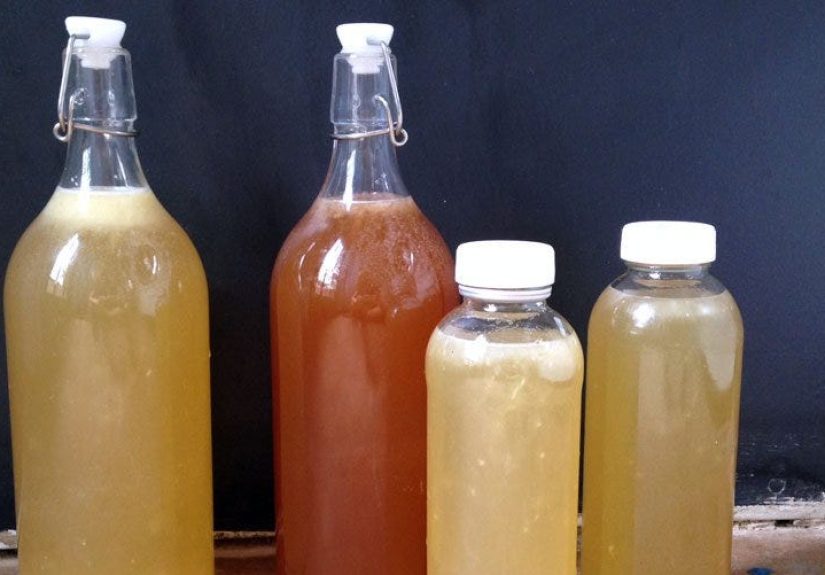
Pour the remaining kombucha into clean bottles using a funnel. You can drink it plain right away, refrigerate it, or do a second fermentation for flavor and fizz.
How to Flavor Homemade Kombucha
The first fermentation creates plain kombucha. The second fermentation is where you add flavor and carbonation. This is the fun part, where your kitchen becomes a tiny beverage studio.
Easy Flavor Ideas
- Ginger lemon: fresh ginger slices and lemon juice
- Berry mint: mashed strawberries, blueberries, or raspberries with mint
- Apple cinnamon: apple juice with a small cinnamon stick
- Mango lime: mango puree and fresh lime juice
- Pineapple ginger: pineapple juice and grated ginger
- Peach basil: chopped peaches and a few basil leaves
Second Fermentation Method
Add flavorings to each bottle, leaving about an inch of headspace. Seal the bottles and let them sit at room temperature for 1 to 3 days. Check carbonation daily. Once the kombucha is fizzy enough, refrigerate it to slow fermentation.
Be careful with carbonation. Fruit and juice add sugar, which can increase pressure inside the bottle. Open bottles slowly over the sink, especially when testing a new flavor. No one wants a blueberry kombucha fountain on the ceiling.
How Long Does Homemade Kombucha Last?
Refrigerated homemade kombucha usually tastes best within a few weeks. The flavor will continue to change slowly in the refrigerator, becoming more tart over time. Keep bottles cold after fermentation and open them carefully.
If kombucha smells rotten, looks moldy, tastes unpleasant in a way that goes beyond normal tartness, or develops strange colors, discard it. Trust your senses. Kombucha should smell tangy, lightly yeasty, and tea-likenot like something that escaped from the back of the refrigerator.
Common Kombucha Problems and Fixes
My Kombucha Is Too Sweet
It probably needs more time. Let it ferment for another day or two and taste again. Cooler kitchens slow fermentation, so winter batches often take longer than summer batches.
My Kombucha Is Too Sour
It fermented too long. Use it as starter tea for your next batch, mix a small amount into sparkling water, or use it in salad dressings. For your next brew, taste earlier.
My SCOBY Sank
No problem. SCOBYs are unpredictable floaters. A new layer may form on the surface during fermentation, and the original SCOBY may hang out below like it is on vacation.
There Are Brown Strings in the Jar
Brown stringy bits are usually yeast strands. They are normal and safe in a healthy batch. You can strain them out before bottling if you prefer a cleaner look.
My Kombucha Is Not Fizzy
First fermentation does not always create strong carbonation. For more fizz, use airtight carbonation-safe bottles, add a little fruit or juice during the second fermentation, and keep bottles at room temperature for 1 to 3 days before refrigerating.
Who Should Be Careful With Kombucha?
Kombucha is acidic and may contain caffeine, sugar, live microorganisms, and trace amounts of alcohol. People who are pregnant, breastfeeding, immunocompromised, sensitive to alcohol, managing certain medical conditions, or giving beverages to young children should speak with a healthcare professional before drinking kombucha, especially homemade kombucha.
Start with small servings, such as 4 ounces, to see how your body responds. Drinking large amounts may cause digestive discomfort for some people. Moderation is your friend; kombucha is not a water replacement with bubbles.
Homemade Kombucha Recipe Card
Ingredients
- 14 cups filtered water
- 1 cup white granulated sugar
- 8 black or green tea bags
- 2 cups plain starter kombucha
- 1 healthy SCOBY
Instructions
- Boil 4 cups of water and steep tea bags for 10 to 15 minutes.
- Remove tea bags and stir in sugar until dissolved.
- Add 10 cups cool filtered water and let the tea reach room temperature.
- Pour cooled sweet tea into a clean 1-gallon glass jar.
- Add starter kombucha and gently place the SCOBY in the jar.
- Cover with a breathable cloth and secure with a rubber band.
- Ferment at room temperature for 7 to 14 days, tasting after day 7.
- Save 2 cups of finished kombucha as starter tea for the next batch.
- Bottle the remaining kombucha and refrigerate, or flavor it for a second fermentation.
Beginner Brewing Tips for Better Kombucha
Keep a simple brewing journal. Write down the tea type, sugar amount, room temperature, fermentation time, flavorings, and results. After two or three batches, you will begin to notice patterns. Maybe your kitchen runs cool, your SCOBY likes black tea best, or pineapple turns your bottles into enthusiastic volcanoes.
Use plain starter tea, not flavored kombucha. Flavored kombucha can introduce ingredients that may weaken or stress the SCOBY. Also, avoid washing the SCOBY with water. If it has dark yeast strands, you can gently remove some, but the culture itself does not need a spa day.
Always save starter liquid before adding fruit, herbs, or spices. Your next batch needs plain mature kombucha, not strawberry basil ginger chaos. Flavor comes after the SCOBY has done its main job.
Personal Experience: What Making Kombucha at Home Really Feels Like
The first time you make kombucha with a SCOBY, you may feel two things at once: excitement and mild suspicion. The SCOBY looks unusual, the jar sits on your counter for days, and you are asked to believe that sweet tea will transform into a fizzy drink through the quiet work of microbes. It feels a little like adopting a very low-maintenance pet that lives in tea.
One of the biggest lessons from home brewing is that kombucha rewards patience. Beginners often want to bottle too soon because the jar smells good by day five or six. But when you taste it early, the flavor may still be flat and sweet. Waiting until the tea becomes bright, tangy, and slightly sharp makes a huge difference. The best moment to bottle is when the sweetness and acidity feel balanced to you.
Another practical experience is learning that every kitchen has its own brewing personality. A warm kitchen can produce tangy kombucha quickly, sometimes in seven days. A cooler kitchen may need ten to fourteen days. Seasonal changes matter, too. Summer kombucha can move fast, while winter kombucha may behave like it is wearing slippers and refusing to rush.
Flavoring is where many home brewers become fully hooked. Ginger is a reliable favorite because it adds sharpness and helps create lively carbonation. Berries bring color and a jammy aroma. Citrus adds brightness, but too much lemon can make the drink taste harsh. Apple juice with cinnamon tastes cozy, while pineapple creates bold tropical fizz. The trick is to start small. A tablespoon or two of juice per bottle is often enough.
You also learn respect for bottle pressure very quickly. A bottle that seems calm one day can become extremely fizzy the next, especially with fruit puree. Opening bottles over the sink is not paranoia; it is wisdom. Chilling the bottles before opening helps calm the bubbles, and burping bottles during second fermentation can prevent dramatic surprises.
The SCOBY itself becomes less strange over time. At first, it may look like something from a science-fiction movie. After a few batches, it starts to feel familiar. You notice when it forms a new layer, when yeast strands collect underneath, and when the tea develops the right aroma. Brewing kombucha teaches you to observe rather than over-control.
Perhaps the most satisfying part is building a rhythm. Brew tea, cool it, add starter and SCOBY, ferment, taste, bottle, flavor, chill, repeat. Once you understand the cycle, homemade kombucha becomes less intimidating and more like a weekly kitchen ritual. It saves money compared with buying bottles at the store, lets you control sweetness and flavor, and gives you the tiny thrill of making something alive, bubbly, and delicious from basic ingredients.
The best advice from experience is simple: keep it clean, keep it plain during the first fermentation, taste often, label your bottles, and do not panic when the SCOBY looks odd. Kombucha is supposed to look a little strange. That is part of its charm. Like sourdough starter, houseplants, and sour candy, it has personality.
Conclusion
Learning how to make kombucha with a SCOBY is easier than it looks. The basic process is simple: brew sweet tea, cool it, add starter tea and a healthy SCOBY, cover the jar, ferment until pleasantly tangy, bottle, flavor if desired, and refrigerate. The key is cleanliness, patience, and tasting as you go.
Homemade kombucha gives you control over flavor, sweetness, fizz, and creativity. Whether you love ginger lemon, berry mint, mango lime, or classic plain kombucha, each batch teaches you something new. Start with a simple recipe, follow safe brewing habits, and soon that strange little SCOBY may become the hardest-working roommate in your kitchen.
Note: This article is for general educational and food-preparation purposes. Homemade fermented drinks should be prepared with clean equipment, safe ingredients, and proper storage. People with health concerns should ask a qualified healthcare professional before drinking homemade kombucha.




 Close
Close