
Table of Contents >> Show >> Hide
- Why Cake Rolls Work So Well
- What You Need Before You Start
- How to Make a Cake Roll in 5 Steps
- Best Fillings for a Cake Roll
- Common Cake Roll Problems and How to Fix Them
- Tips for Making Your Cake Roll Look Bakery-Level Good
- How to Store a Cake Roll
- Extra Baking Experience: What Home Bakers Usually Learn After Making a Few Cake Rolls
- Conclusion
If cake rolls have always looked like the kind of dessert made by people who own matching aprons and whisper things like “genoise,” relax. A cake roll is far less dramatic than its fancy spiral suggests. At its heart, it is simply a thin, flexible sponge cake baked in a jelly roll pan, rolled while warm, cooled into shape, then filled and rolled again. That’s it. No culinary sorcery. No velvet ropes. No pastry degree required.
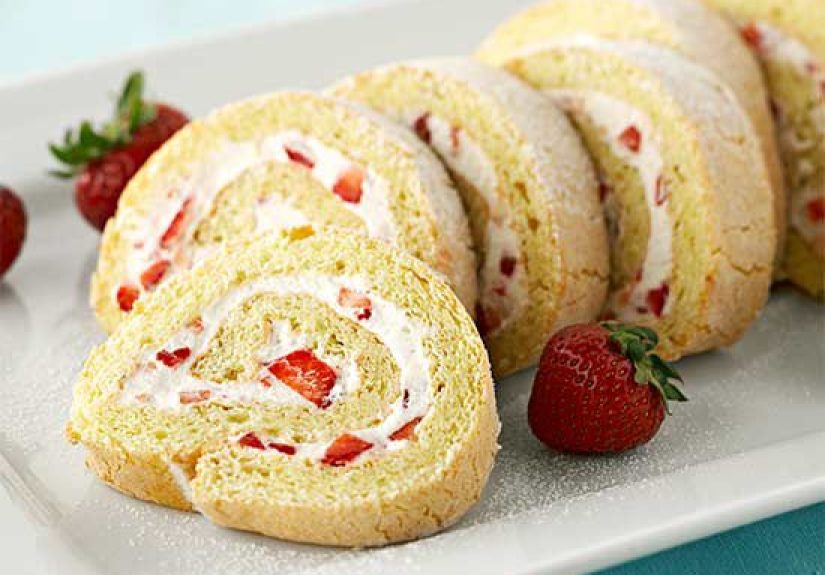
The reason this dessert gets so much attention is simple: it looks impressive. Slice into it, and you get that gorgeous spiral of cake and filling that makes guests think you have your life together. Whether you fill it with whipped cream, jam, cream cheese frosting, chocolate mousse, lemon cream, or even ice cream, a cake roll turns basic pantry ingredients into a bakery-style dessert.
In this guide, you’ll learn exactly how to make a cake roll in 5 steps, plus how to avoid cracks, choose the best fillings, and make the whole thing look polished without losing your mind. In other words, this is your friendly, flour-dusted shortcut to an impressive dessert.
Why Cake Rolls Work So Well
A good cake roll recipe relies on a light sponge-style batter that stays flexible after baking. Unlike a thick layer cake, a roll cake is intentionally thin, so it bakes quickly and can bend without falling apart. The warm cake is rolled right after it comes out of the oven, which helps it “remember” its spiral shape. Later, when you unroll it to add filling, it is much less likely to crack into a dessert-shaped identity crisis.
This is why cake rolls are such a smart dessert for holidays, birthdays, brunches, showers, and dinner parties. They are visually striking, easy to flavor in endless ways, and surprisingly make-ahead friendly. Once you understand the method, you can adapt it for vanilla, chocolate, pumpkin, mocha, citrus, berry, or festive seasonal versions.
What You Need Before You Start
Basic Ingredients for a Simple Vanilla Cake Roll
- 4 large eggs
- 2/3 cup granulated sugar
- 1 teaspoon vanilla extract
- 2 tablespoons milk
- 3/4 cup all-purpose flour
- 1 teaspoon baking powder
- 1/4 teaspoon salt
- Powdered sugar, for dusting
Simple Filling Ideas
- Sweetened whipped cream
- Cream cheese filling
- Jam or fruit preserves
- Chocolate whipped cream
- Lemon curd and whipped cream
Equipment
- 15×10-inch jelly roll pan
- Parchment paper
- Mixing bowls
- Hand mixer or stand mixer
- Fine-mesh sieve
- Rubber spatula
- Clean lint-free kitchen towel
- Cooling rack
- Serrated knife for slicing
One of the most important details is the pan. A jelly roll pan is not just a random baking sheet with ambition. Its shallow rim and specific size help the batter bake into a thin, even layer that rolls properly.
How to Make a Cake Roll in 5 Steps
Step 1: Prep the Pan, Oven, and Towel
Start by preheating your oven to 375°F. Line a 15×10-inch jelly roll pan with parchment paper. Grease the parchment lightly, and if you want extra insurance, lightly dust it with flour. Cake rolls are not the moment to “just wing it” with pan prep. A stuck cake is a sad cake.
Next, spread a clean lint-free kitchen towel on the counter and dust it generously with powdered sugar. This towel will help you roll the cake while it is still warm. The powdered sugar prevents sticking, and the towel supports the cake without squishing it. Use a flat-weave towel, not a fluffy terry cloth one, unless your dream dessert includes decorative fuzz.
Step 2: Make a Light, Even Batter
Beat the eggs and sugar until the mixture looks pale, thick, and airy. This step is where much of the cake’s structure comes from, so give it a little patience. Stir in the vanilla and milk. In a separate bowl, whisk together the flour, baking powder, and salt, then gently fold the dry ingredients into the egg mixture.
The goal is a batter that stays light. Do not stir it like you are angry at it. Fold carefully with a spatula so you keep as much air in the batter as possible. Pour it into the prepared pan and spread it evenly all the way to the corners. Uneven batter creates uneven baking, and uneven baking creates a roll that looks like it lost a fight.
Step 3: Bake Just Until the Cake Springs Back
Bake the cake for about 10 to 12 minutes, depending on your oven. You are looking for a lightly golden surface and a cake that springs back when gently touched. Do not overbake it. This is one of the biggest causes of cracking. A dry cake does not want to roll. A dry cake wants revenge.
As soon as the cake comes out of the oven, run a knife around the edges if needed. Then quickly invert it onto the prepared towel. Peel off the parchment paper carefully. If the cake has crisp edges, trim them lightly. This small step can make rerolling easier later.
Step 4: Roll the Cake While It’s Warm and Let It Cool
Now comes the part that scares people and, honestly, the part that makes cake rolls work. Starting from a short end, roll the cake up with the towel inside. Do it gently but firmly. The towel keeps the cake from sticking to itself and helps it form that signature spiral. Let the rolled cake cool completely seam-side down on a rack.
Why roll it warm? Because the cake sets into that curved shape as it cools. If you wait until it is cold to roll it, you are basically asking it to become flexible on command, and cake is not known for being cooperative.
Step 5: Fill, Reroll, Chill, and Slice
Once the cake is completely cool, carefully unroll it. Do this slowly. Small cracks can happen, and they are not the end of the world. Most get hidden once the filling goes in. Spread your filling evenly over the surface, leaving about a 1/2-inch border around the edges so it does not all squish out during the reroll.
Then reroll the cake without the towel. Place it seam-side down on a platter, cover loosely, and chill it for at least 20 to 60 minutes before slicing. Chilling helps the filling set and gives you cleaner slices. Dust with powdered sugar, drizzle with ganache, or top with berries if you want the full “I casually made this” effect.
Best Fillings for a Cake Roll
The best filling depends on the mood you want. For a light and classic dessert, go with sweetened whipped cream and fresh berries. For something richer, cream cheese filling is a popular choice, especially with pumpkin or spice cake rolls. Jam works beautifully if you want a simple jelly roll style dessert. Chocolate lovers can use mousse, whipped ganache, or cocoa-spiked whipped cream.
Here are a few easy combinations:
- Vanilla cake + strawberry jam + whipped cream
- Chocolate cake + vanilla whipped cream
- Lemon cake + lemon curd + cream filling
- Pumpkin spice cake + cream cheese filling
- Coffee cake + mascarpone filling
Just keep the filling spreadable and not overly wet. A filling that is too loose can seep out, make the cake soggy, or turn your neat spiral into a slippery mess.
Common Cake Roll Problems and How to Fix Them
Why Did My Cake Roll Crack?
Cracks usually happen because the cake was overbaked, rolled too late, or handled too aggressively. A few small cracks are normal and often easy to hide with filling or a dusting of sugar. Major cracks usually mean the cake dried out or cooled flat before rolling.
Why Did My Cake Stick?
Usually because the pan was not lined properly, the parchment was not greased, or the towel was not dusted well enough with powdered sugar. Preparation matters here more than bravery.
Why Is My Filling Squeezing Out?
That usually means you used too much filling or spread it too close to the edge. Leave a border. Your future self will thank you while slicing.
Why Is My Spiral Uneven?
An uneven batter layer or a loose first roll is often the culprit. Spread the batter carefully in the pan and start the initial roll snugly.
Tips for Making Your Cake Roll Look Bakery-Level Good
- Use a serrated knife and wipe it clean between slices.
- Chill the cake before cutting for neater spirals.
- Trim the ends for a polished presentation.
- Add berries, citrus zest, or chocolate curls for easy decoration.
- Dust powdered sugar just before serving so it looks fresh.
If you want an especially elegant dessert, serve each slice with a small spoonful of fruit sauce or whipped cream on the side. Suddenly your humble homemade cake roll is giving restaurant energy.
How to Store a Cake Roll
Most cake rolls should be stored in the refrigerator, especially if they contain whipped cream, cream cheese, or other dairy-based fillings. Wrap the roll loosely or store it in an airtight container. It will usually keep well for about 2 to 3 days. If the filling is stable enough, some versions can be made a day ahead, which actually improves slicing.
You can also freeze many cake rolls. Wrap the filled cake tightly in plastic wrap, then again in foil, and freeze for up to 2 months. Thaw it overnight in the refrigerator before serving. That means your impressive dessert can be made long before the guests arrive, which is the kind of plot twist every baker deserves.
Extra Baking Experience: What Home Bakers Usually Learn After Making a Few Cake Rolls
The first time many people make a cake roll, they treat it like a high-pressure final exam. Every move feels risky. Is the batter too thin? Is the cake too hot? Is this towel situation normal? Then the cake comes out of the oven, you flip it onto powdered sugar, roll it up while silently negotiating with the universe, and somehow it works. Maybe not perfectly, but enough to make you suspicious of how simple it actually is.
One of the most common experiences is realizing that perfection is wildly overrated in a rolled dessert. A cake roll can crack a little, bulge on one side, or have a less-than-symmetrical swirl and still look beautiful once sliced. In fact, many homemade cake rolls look more inviting because they are not factory-neat. They look generous. They look real. They look like someone cared enough to make dessert from scratch instead of opening a plastic clamshell from the grocery store bakery aisle.
Another thing bakers often learn is that timing matters more than fancy technique. The warm roll is the big lesson. People who wait too long to roll the cake almost always wish they had moved faster. Once you experience the difference between rolling a warm sponge and trying to wrestle a cooled one into shape, you stop debating the method and start trusting it. It becomes one of those kitchen moments where the instructions suddenly make total sense.
There is also a funny kind of confidence that shows up after making cake rolls more than once. At first, you follow every detail with white-knuckle intensity. Later, you start improvising. You swap vanilla for almond extract. You fold cocoa into the batter. You add espresso powder to the filling. You decide raspberries are the main characters today. That is when cake rolls go from intimidating project to dependable party dessert.
Home bakers also discover that presentation does a lot of heavy lifting. A simple dusting of powdered sugar can make a plain roll look elegant. A few sliced strawberries make it look like spring arrived on a serving platter. A drizzle of chocolate over the top says, “Yes, I absolutely meant for this to look fabulous.” The beauty of the cake roll is that it rewards small finishing touches.
And then there is the slicing moment, which is honestly the payoff. You cut through the chilled roll and see that spiral inside, clean and tidy and somehow a little dramatic. It is the kind of dessert that gets immediate attention at the table. People assume it took forever. They ask questions. They compliment the swirl. Meanwhile, you know the truth: it was really a matter of a thin sponge, a good towel, and the courage to roll while warm.
That experience is why cake rolls keep earning a spot in home kitchens. They feel special without requiring impossible skill. They teach patience, timing, and a few useful baking instincts. Most of all, they remind people that impressive desserts do not need to be complicated. Sometimes the dessert that gets the biggest reaction is just a well-made sponge cake with good filling and a little confidence wrapped into every turn.
Conclusion
If you have ever wanted a dessert that looks elegant but does not require professional pastry skills, a cake roll is a terrific choice. Once you understand the five-step method, the process becomes practical and repeatable: prep the pan, make a light batter, bake just until springy, roll while warm, then fill and reroll after cooling. That single method opens the door to countless flavor combinations, from fresh berry cream rolls to rich chocolate versions and holiday classics.
The secret is not magic. It is timing, gentle handling, and not overbaking the cake. Follow those basics, and you can turn a few simple ingredients into an impressive dessert that slices beautifully and tastes even better. So yes, cake rolls look fancy. But now you know the truth: they are mostly just confident sponge cakes with excellent presentation.






 Close
Close