
Table of Contents >> Show >> Hide
- What Are Juniper Berries, Exactly?
- 1. Juniper Berries Are Rich in Plant Compounds With Antioxidant Potential
- 2. They May Help Support a Healthier Inflammatory Response
- 3. Juniper Berries Show Early Promise for Blood Sugar and Metabolic Health
- 4. They Have Antimicrobial Potential That Keeps Researchers Interested
- 5. Juniper Berries Are Emerging in Skin and Cosmetic Research
- How to Use Juniper Berries Without Overdoing It
- Safety Notes: Who Should Be Careful With Juniper Berries?
- Experiences Related to Juniper Berries: What People Often Notice
- Final Thoughts
If most people know juniper berries for one thing, it is probably gin. Fair enough. But reducing juniper berries to “that piney thing in a martini” is like calling cinnamon “that dust on toast.” These small, blue-purple cones from Juniperus communis have a long history in cooking and herbal traditions, and today they are getting fresh attention for their potential wellness perks.
The key word is potential. Juniper berry benefits are intriguing, but the science is still growing. A lot of the buzz comes from lab studies, animal research, and early reviews rather than large human trials. In other words, juniper berries are promising, not magical. No berry gets to wear a cape just because it smells like a forest after rain.
Still, when you look at their plant compounds, traditional uses, and newer research, juniper berries start to look like more than a novelty spice. Below are five emerging benefits of juniper berries, plus what to know before adding them to your kitchen or wellness routine.
What Are Juniper Berries, Exactly?
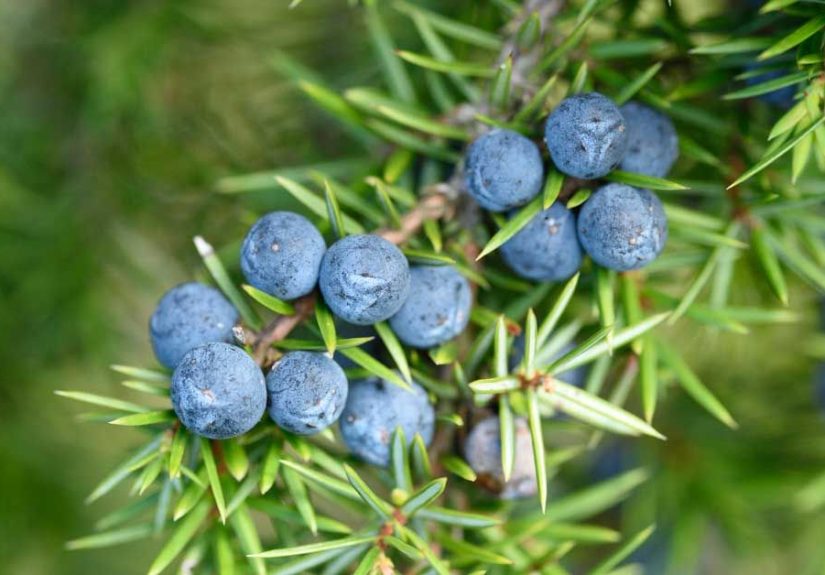
Juniper berries are not true berries in the botanical sense. They are actually the mature female cones of the common juniper plant. The culinary variety most often associated with food and flavoring is Juniperus communis. These cones develop a deep blue-black color and deliver a flavor that is resinous, peppery, slightly citrusy, and unmistakably woodsy.
In the kitchen, juniper berries are used to season meats, marinades, stews, sauerkraut, pickling blends, and specialty drinks. In traditional herbal practice, they have also been used for digestive, urinary, and general tonic purposes. Modern researchers, meanwhile, are more interested in their volatile oils, flavonoids, terpenes, and other plant compounds that may influence inflammation, oxidation, microbes, metabolism, and even skin appearance.
1. Juniper Berries Are Rich in Plant Compounds With Antioxidant Potential
Why this matters
One of the most discussed juniper berry benefits is their antioxidant potential. Like many strongly aromatic plants, juniper berries contain volatile oils and polyphenol-style compounds that help the plant defend itself. In humans, these compounds are being studied for their ability to help protect cells from oxidative stress.
That matters because oxidative stress is linked to everyday wear and tear inside the body. It is involved in aging, inflammation, and a long list of chronic health concerns. No, eating a few juniper berries will not make you immortal. If it did, fancy cocktail bars would be full of centenarians doing jazz hands. But foods and spices with antioxidant activity can still play a useful supporting role in a balanced diet.
Research on juniper berry oil and extracts has identified compounds such as alpha-pinene, beta-pinene, sabinene, myrcene, and limonene. These natural chemicals are part of what gives juniper berries their bold aroma, and they also appear to contribute to the berry’s biological activity. This is one reason juniper berries keep showing up in conversations about functional foods, botanical extracts, and nutraceuticals.
From an SEO point of view and a practical one, the takeaway is simple: juniper berries are not nutritionally famous because of calories, protein, or fiber. Their real interest lies in their concentrated plant compounds.
2. They May Help Support a Healthier Inflammatory Response
What early science suggests
Another emerging benefit of juniper berries is their potential anti-inflammatory activity. Inflammation is a normal part of the body’s defense system, but when it sticks around too long or runs too hot, problems can pile up. Researchers have been looking at juniper because several of its major compounds appear to interact with inflammation-related pathways in lab and animal models.
This does not mean juniper berries are a treatment for arthritis, autoimmune disease, or any other inflammatory condition. That would be a leap worthy of an Olympic long jumper. But it does mean that juniper is interesting enough to keep earning research attention.
Part of the appeal is the overlap between antioxidant and anti-inflammatory actions. Oxidative stress and inflammation often act like two overly dramatic roommates who feed off each other. When one gets louder, the other usually joins in. Because juniper berries appear to contain compounds that may help calm both processes, they are increasingly discussed as a spice with more going on than flavor alone.
For readers looking for practical value, this is where juniper berries fit best: as part of an overall anti-inflammatory eating pattern that also includes fruits, vegetables, legumes, nuts, olive oil, fish, and minimally processed foods. Juniper is the supporting actor, not the entire cast.
3. Juniper Berries Show Early Promise for Blood Sugar and Metabolic Health
A particularly interesting area of research
If there is one area where the newer science gets especially interesting, it is metabolic health. Early studies suggest juniper berry extracts may influence pathways related to glucose uptake, lipid metabolism, and body weight regulation. That has led researchers to explore juniper’s possible role in blood sugar balance and obesity-related markers.
Important reality check: the evidence here is still preliminary. Much of it comes from cell studies and animal models, not large human trials. So this is not a “skip your doctor and pass the juniper” situation. It is a “hmm, that is scientifically intriguing” situation.
Some recent research found that juniper berry extract affected metabolic signaling pathways such as PPAR-alpha, PPAR-gamma, and LXR, while also improving glucose uptake in cells. In high-fat-diet mouse models, juniper berry extract was associated with lower fasting glucose and reductions in body weight. That does not prove the same thing will happen in humans eating juniper-spiced roast chicken, but it does suggest the berry deserves more clinical study.
For health-conscious readers, this is one of the most talked-about emerging benefits of juniper berries because it connects the spice to a very modern concern: metabolic overload. As always, though, juniper berries should be viewed as a possible complement to healthy habits, not a substitute for exercise, sleep, medical care, or nutrition basics.
4. They Have Antimicrobial Potential That Keeps Researchers Interested
What that could mean
Juniper berries have also drawn attention for their antimicrobial properties. Lab research on juniper berry oils and extracts has found activity against certain bacteria and fungi. This may help explain why juniper has historically been used in preserved foods, traditional tonics, and strongly seasoned dishes.
To be crystal clear, this does not mean juniper berries can replace antibiotics, antifungal medications, or proper food safety. If your cutting board has been through a raw-chicken incident, a few crushed berries are not the heroic cleanup crew. Soap and sanitation still win that job every time.
What antimicrobial potential does mean is that juniper’s natural compounds may have applications in food science, preservation, botanical formulations, and future wellness products. It also reinforces the idea that culinary herbs and spices are often more biologically active than we give them credit for.
From a food perspective, this may be one reason juniper pairs so well with rich meats, cabbage dishes, pickles, and wintery preparations. Strong aromatic spices often do double duty: they add flavor and bring complex plant chemistry to the plate.
5. Juniper Berries Are Emerging in Skin and Cosmetic Research
Yes, your spice rack just got glamorous
One of the more surprising emerging benefits of juniper berries is their appearance in skin-focused research. A 2023 study on juniper berry extract looked at how certain compounds affected lipofuscin accumulation in human epidermal keratinocytes. Lipofuscin is sometimes called an aging pigment, and researchers are interested in ways to reduce its buildup.
The findings suggest that certain juniper berry compounds may support processes linked to brighter-looking skin and reduced appearance of spots. That does not mean you should mash juniper berries into a face mask and hope for the best. Your bathroom is not a cosmetic lab, and your pores deserve better project management.
But it does show that juniper is gaining relevance outside the kitchen. Botanical skin care is a fast-moving field, and juniper’s aromatic profile, antioxidant content, and bioactive compounds make it an ingredient researchers clearly want to understand better.
This benefit is especially worth watching because it shows how traditional plants can move into modern categories. What once lived mostly in herbal medicine and food culture is now stepping into cosmetic science and product development.
How to Use Juniper Berries Without Overdoing It
If you want to enjoy juniper berries, the safest and most practical place to start is food. Crush a few dried berries and add them to a marinade for pork, duck, venison, or beef. Stir them into braises, stock, pickling liquid, or sauerkraut. Their flavor is strong, so a little goes a long way. Think “background choir,” not “lead singer with a fog machine.”
Juniper also works well with bay leaf, rosemary, thyme, garlic, black pepper, citrus peel, and red wine-based sauces. In small amounts, it adds a cool, alpine depth that makes heavy dishes taste more lifted and complex.
As for supplements, extracts, and essential oils, caution matters. Concentrated forms are not the same as culinary use. More is not better, and “natural” does not automatically mean “safe for everyone.”
Safety Notes: Who Should Be Careful With Juniper Berries?
This is the part where the article puts on sensible shoes. Juniper berries may be sold as a natural product, but they are still biologically active. High doses, long-term use, or concentrated extracts may irritate the kidneys and digestive tract. People who are pregnant should avoid medicinal use of juniper. Those with kidney problems should also steer clear of concentrated juniper products.
Anyone taking medications for blood sugar, blood pressure, or fluid balance should check with a clinician before using juniper supplements or herbal preparations. The same goes for people considering juniper essential oil internally, which is not something to freestyle.
In plain English: using juniper berries as a spice in food is one thing; taking concentrated extracts like they are harmless seasoning is another thing entirely.
Experiences Related to Juniper Berries: What People Often Notice
One of the most common experiences people describe with juniper berries is surprise. Not because the berries are flashy, but because the flavor is so specific. The first sniff is usually all pine forest, crisp air, and a little citrus peel. Then the taste shows up with a peppery, resinous edge that feels both ancient and oddly elegant. People often expect something sweet because the word “berry” points the brain in that direction. Juniper politely ignores that expectation and tastes like a conifer got into culinary school.
In cooking, the experience is usually best when juniper berries are crushed rather than used whole. Crushing releases the volatile oils and makes the aroma bloom. Home cooks often notice that just a few berries can transform a heavy dish. A rich pork roast tastes less flat. A beef stew feels deeper and more wintery. Sauerkraut gains an earthy sharpness that somehow makes cabbage seem far more interesting than cabbage has any right to be. The flavor can be bold, but it is rarely loud when used with restraint.
Another common experience is that juniper berries feel more “culinary” than “snackable.” Almost nobody eats them by the handful, and honestly, that would be a memorable mistake. They shine when paired with fat, acidity, or fermentation. That is why they work so well in pickles, braises, meat rubs, and old-world style recipes. When used correctly, people often say the dish tastes more complete, even if they cannot immediately identify why. Juniper acts like the mystery guest at dinner who says very little and still somehow improves the whole party.
People who experiment with juniper tea or herbal preparations often report a warming, woody character that feels more medicinal than cozy. Some enjoy that ritual. Others take one sip and decide they would rather keep juniper in the roast pan where it belongs. That split reaction makes sense. Juniper’s appeal is more sophisticated than universally lovable. It is less “fruit tea at a spa” and more “mountain cabin with strong opinions.”
There is also a practical experience many curious readers share: learning the difference between enjoying juniper in food and chasing it as a wellness shortcut. Culinary use tends to feel manageable and pleasant. Supplement-style use is where people start running into confusion, dosage questions, and safety concerns. That is why many nutrition-minded cooks settle on a sensible middle ground. They use juniper berries as a flavorful ingredient with interesting health potential, not as a miracle fix in a bottle.
Perhaps the best real-world experience of juniper berries is that they make people pay attention. They encourage slower cooking, better seasoning, and more curiosity about how herbs and spices do more than just “make food taste nice.” In that sense, juniper berries offer a benefit that does not fit neatly in a study abstract: they make the kitchen more interesting, the food more layered, and the cook just a little more adventurous.
Final Thoughts
Juniper berries are having a quiet moment, and they may deserve it. Current research suggests they contain bioactive compounds with antioxidant and anti-inflammatory potential. Early studies are also exploring their possible roles in metabolic health, antimicrobial activity, and skin-focused applications. That is a solid résumé for a spice most people still associate mainly with gin.
At the same time, the science is not mature enough to treat juniper berries as a proven health solution. The smartest way to think about them is as a flavorful, biologically interesting plant with real promise and real limits. Use them in the kitchen, respect their strength, and keep the bigger picture in mind. Juniper berries are not here to replace medicine. They are here to make dinner smarter, research more interesting, and your spice rack slightly more impressive.






 Close
Close