
Table of Contents >> Show >> Hide
- First, a quick gut-check: why keeping things down is hard
- The 15-step “Keep It Down” plan
- Step 1: Pause the food, not foreverjust long enough to settle
- Step 2: Start with tiny sips (or ice chips) on a timer
- Step 3: Choose clear, gentle fluids first
- Step 4: Use oral rehydration solution (ORS) when fluid loss is real
- Step 5: Keep smells and motion from turning your nausea knob to “max”
- Step 6: Sit upright (or recline slightly), especially after sipping
- Step 7: Try “stomach-friendly” temperature: cool is often easier than hot
- Step 8: Add nausea-calming options (ginger, peppermint, chamomile)
- Step 9: Separate solids and liquids once you restart eating
- Step 10: Start with bland foodsthink “quiet food”
- Step 11: Eat tiny portions more often (your stomach hates surprise parties)
- Step 12: Avoid common nausea accelerators for 24–48 hours
- Step 13: Manage reflux and irritation gently
- Step 14: Consider motion, migraine, anxiety, and medication triggers
- Step 15: Know when it’s time to get medical help
- A practical “what do I do right now?” timeline
- Common mistakes that make nausea worse (so you can skip them)
- Real-world experiences: 500+ words of what people commonly report helps
- Conclusion
Nausea has a special talent: it turns your stomach into a drama club where every sip of water gets a monologue and every smell gets a standing ovation. If you’re reading this, you’re probably not looking for poetryyou’re looking for a plan to keep fluids (and eventually food) down without triggering Round Two.
The good news: for many everyday illnesses (think stomach bug, food poisoning, migraine nausea, medication side effects, or stress), you can often calm the chaos with a few smart, boring moves. Boring is beautiful when your stomach is auditioning for a horror movie.
Below are 15 practical stepsorganized like a “ladder” you climb from survival hydration to actual eatingplus a real-life experiences section at the end. If anything here sounds like your body is waving a red flag, scroll to the “When to get medical help” section. That part matters.
First, a quick gut-check: why keeping things down is hard
When you’re sick, nausea and vomiting can be triggered by irritation or inflammation in the stomach and intestines (like viral gastroenteritis), toxins from food poisoning, motion signals, migraines, pregnancy hormones, certain medications, or just plain stress. Your body’s protective reflex is to hit “eject” to prevent harmor at least that’s what it thinks it’s doing.
The trick is to reduce stomach stimulation, avoid volume overload, and steadily replace fluid and electrolytes so you don’t spiral into dehydration, which can actually make nausea worse.
The 15-step “Keep It Down” plan
Step 1: Pause the food, not foreverjust long enough to settle
If you’re actively vomiting or on the edge, give your stomach a short break from solid food. This is not a fast. It’s a tactical retreat. Think “minutes to a few hours,” not “I guess I’ll never eat again.”
Step 2: Start with tiny sips (or ice chips) on a timer
Your goal is small volume, frequent. Try one or two teaspoons every few minutes, or suck on ice chips. If you chug a full glass, your stomach may treat it like an unsolicited challenge.
Example: Set a 10–15 minute timer. Take a small sip when it goes off. Repeat. Yes, this is annoyingly slow. It also works surprisingly often.
Step 3: Choose clear, gentle fluids first
Once tiny sips stay down, move to clear liquids. Options many people tolerate well:
- Water (cool or room temp often feels easiest)
- Clear broth
- Ice pops
- Weak tea (non-caffeinated)
- Flat (de-carbonated) ginger ale or clear soda
If carbonation bothers you, pour it into a cup and let it sit until the bubbles calm down. Your stomach doesn’t need extra fireworks right now.
Step 4: Use oral rehydration solution (ORS) when fluid loss is real
If you’ve vomited multiple times or also have diarrhea, consider an oral rehydration solution (ORS). ORS is designed with a balance of glucose and electrolytes to help your body absorb fluid efficientlyespecially helpful when you’re losing salts and water.
Practical tip: If sports drinks feel too sweet, dilute them. Many people find a less-sugary sip sits better than a syrupy gulp.
Step 5: Keep smells and motion from turning your nausea knob to “max”
Nausea is famously petty. Strong odors, heat, and movement can make it worse.
- Crack a window or use a fan for fresh air
- Ask someone else to cook (or temporarily accept cold food as a lifestyle)
- Sit still for a bitpacing can backfire
Step 6: Sit upright (or recline slightly), especially after sipping
Lying flat can increase reflux and nausea for some people. Try sitting upright or reclining with your head elevated. If you’re exhausted, prop yourself up with pillows like you’re the star of a very sleepy talk show.
Step 7: Try “stomach-friendly” temperature: cool is often easier than hot
Many people tolerate cool liquids better than hot drinks when nauseated. Hot liquids can intensify smells and may feel more stimulating. Experiment: if warm tea makes you gag, switch to cool water or an ice pop for a while.
Step 8: Add nausea-calming options (ginger, peppermint, chamomile)
Some people find ginger (tea, chews, candies) soothing for nausea. Peppermint tea or chamomile tea can also feel calming. These aren’t magic spells, but they can take the edge offespecially when paired with slow sipping and rest.
Real-world rule: if the smell or taste of a “remedy” makes you queasy, it’s not your remedy today.
Step 9: Separate solids and liquids once you restart eating
When you’re ready to try food again, spacing liquids and solids can help some people avoid that too-full, too-fast feeling. For example: sip fluids, wait a bit, then try a few bites of bland food, then pause again.
Step 10: Start with bland foodsthink “quiet food”
After you’ve kept clear liquids down for a few hours, try small amounts of bland, easy-to-digest foods:
- Toast
- Crackers
- Oatmeal or plain cereal
- Rice or plain pasta
- Applesauce
- Bananas
The idea isn’t to follow a strict diet trend; it’s to pick foods that don’t demand a lot of digestion or irritate your stomach lining.
Step 11: Eat tiny portions more often (your stomach hates surprise parties)
Instead of one “real meal,” aim for a few bites every 30–60 minutes. Stop before you feel full. Feeling “a little hungry” after eating is a feature, not a bug.
Example: 3 crackers now, half a banana in 30 minutes, a few spoonfuls of rice later. If you’re thinking “this feels ridiculous,” congratulations: you are doing it correctly.
Step 12: Avoid common nausea accelerators for 24–48 hours
Some foods and drinks commonly make nausea worse when your stomach is sensitive:
- Greasy, fried, or high-fat foods
- Spicy foods
- Very sweet foods (and very sweet drinks)
- Alcohol
- Caffeine (for many people)
- Dairy (some people tolerate it; many don’t during stomach bugs)
You can reintroduce your favorites later. Today is not the day for “extra hot wings, as a personal challenge.”
Step 13: Manage reflux and irritation gently
Sometimes nausea is fueled by reflux or an irritated stomach. Gentle strategies include:
- Staying upright after sipping/eating
- Avoiding late-night heavy intake
- Choosing bland, low-fat foods
Over-the-counter options (like antacids) may help some adults depending on the causefollow label directions and consider asking a clinician if you’re unsure, pregnant, or taking other medications.
Step 14: Consider motion, migraine, anxiety, and medication triggers
Not all nausea is “stomach flu.” If your nausea tends to show up with:
- Motion: minimize movement, consider fresh air, and use motion-sickness strategies you’ve used before
- Migraines: treat the migraine early (as directed by your clinician) and prioritize small sips to avoid dehydration
- Anxiety/stress: slow breathing, a cool cloth, and reducing sensory input can help calm the reflex loop
- New meds/supplements: check labelssome are better taken with food (when you can tolerate it)
The “right” step depends on the cause. If you notice a repeat pattern, that’s useful information to bring to a healthcare provider.
Step 15: Know when it’s time to get medical help
Most nausea/vomiting episodes pass, but some situations require prompt evaluation. Seek urgent care (or emergency care) if you have:
- Signs of dehydration (very dark urine, minimal urination, dizziness, confusion, inability to keep fluids down)
- Severe or worsening abdominal pain, chest pain, or a stiff neck with fever
- Blood in vomit, vomit that looks like coffee grounds, or stool-like material/odor in vomit
- Vomiting that lasts longer than a day (or is intense and unrelenting)
- Concern for poisoning, serious infection, bowel obstruction, or head injury
- High-risk situations (infants/young kids, older adults, pregnancy with severe vomiting, immunocompromised conditions)
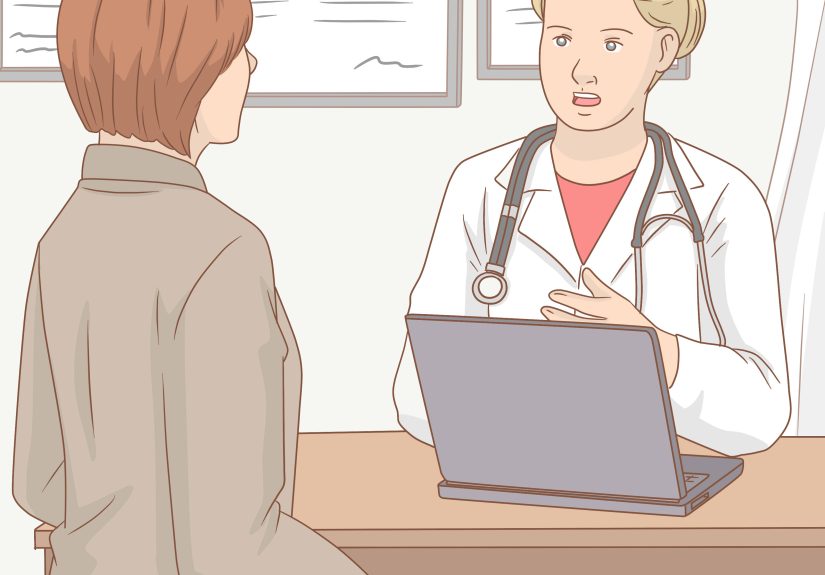
If your body won’t hold down even small sips after several hours, or you’re getting weaker instead of better, it’s a strong sign to get help. When in doubt, call a clinicianespecially if you have chronic conditions or take medications that affect hydration/electrolytes.
A practical “what do I do right now?” timeline
If you just threw up: rinse your mouth, sit upright, and wait a short bit. Then try tiny sips or ice chips.
Next 2–4 hours: stick to small, frequent sips of clear fluid. If you keep that down, consider ORS/electrolytes.
After you’ve kept fluids down for a few hours: add bland foods in tiny portions. Don’t rush the comeback tour.
Next day: gradually expand food variety, staying low-fat and mild until you’re stable.
Common mistakes that make nausea worse (so you can skip them)
- “I’m dehydrated, so I’ll chug a bottle.” Your stomach will likely reject this logic.
- Going straight from vomiting to pizza. Even pizza would be offended to be used this way.
- Ignoring dehydration signs. Dehydration can sneak up and make everything feel worse.
- Forcing a ‘remedy’ you hate. If it tastes like regret, it won’t stay down.
Real-world experiences: 500+ words of what people commonly report helps
Let’s talk about the part no one puts on a medication label: the weird little realities people run into when they’re trying to keep things down. Below are patterns that many sick-day survivors describeuse them as ideas, not rules. The “best” approach is the one your stomach agrees to.
1) The “sip schedule” is annoyingly effective. People often say the biggest breakthrough was treating hydration like a slow drip, not a drink. A few teaspoons every 10 minutes feels comically smalluntil it’s the first thing that stays down all day. Some folks keep a cup on the nightstand and take one sip every time they check the clock. Others set a phone timer because their brain, understandably, is not operating at full capacity when they’re nauseated. The shared theme: small and steady beats brave and thirsty.
2) Temperature matters more than you’d expect. A lot of people report that icy cold water feels sharp and triggering, while lukewarm water is easieror the opposite. The “right” temperature can change hour by hour. Ice chips are a popular compromise: they deliver fluid slowly and feel less like “a drink” and more like “a harmless little rock.” Popsicles and frozen electrolyte pops get honorable mentions too, especially when swallowing feels hard but dehydration is creeping in.
3) Smells can be the villain of the story. One of the most common experiences is, “I wasn’t even that nauseated until I smelled food.” Cooking odors, perfume, candles, and even certain cleaning products can flip nausea from mild to Olympic-level. People often report that cracking a window, turning on a fan, or sticking to cold foods (less smell) makes a noticeable difference. Some families develop an unspoken pact: whoever isn’t sick becomes the Official Food Handler. It’s a noble role. It also reduces household drama.
4) Bland foods aren’t delicious, but they’re negotiators. When people finally “graduate” from liquids, they often describe toast or crackers as a peace treaty with their stomach. Not exciting, but reliable. Bananas and applesauce show up in a lot of real-life stories because they’re soft, mild, and easy to portion. People also report that tiny portions prevent the panic response that comes with feeling too full. A few bites can feel like progress without tempting a relapse.
5) The biggest surprise: overeating can happen even when you feel starved. After hours of nausea, appetite can return abruptly, and people often think, “Finally! I’m back!” Then they eat a normal meal and regret everything. The more seasoned veterans say they stick to “snack-sized” meals for a full day after vomiting stops, even if their appetite is roaring. The stomach, apparently, is like a cat: it returns when it feels safe, and it does not appreciate sudden enthusiasm.
6) Comfort rituals helpbecause nausea is physical and mental. Many people describe a small routine that signals safety: a cool washcloth on the forehead, dim lights, slow breathing, and a quiet show they’ve seen a hundred times. The goal isn’t to “think away” nausea, but to reduce stress signals that can intensify it. People also report that lying perfectly flat can make them feel worse, while being propped up helps them tolerate sips.
7) Knowing when to get help is part of the skill. A repeated theme is relief after calling a clinician when fluids truly won’t stay down, dehydration signs show up, or symptoms are severe. People often wish they’d called earlier instead of trying to tough it out. If your body is refusing even small sips for hours, you’re not “failing” at home careyou may simply need medical support.
Conclusion
Keeping things down when you’re sick is less about willpower and more about strategy: tiny sips, calm conditions, gentle fluids, a slow return to bland foods, and a clear line for when it’s time to seek medical help. Treat your stomach like a sensitive smoke alarmreduce the triggers, and it stops screaming.






 Close
Close