
Table of Contents >> Show >> Hide
- Before You Hide It: Litter Box Basics Cats Actually Care About
- 6 DIY Ways to Hide an Ugly Litter Box (Choose Your Adventure)
- 1) The thrifted cabinet glow-up (best bang for your buck)
- 2) The IKEA-style cabinet hack (clean lines, minimal chaos)
- 3) The sink-skirt cover-up (renters, rejoice)
- 4) The side-table litter box (AKA: the “this is totally a table” trick)
- 5) The storage bench litter box (double-duty for tight spaces)
- 6) The room divider + plant screen (no tools, flexible layout)
- Step-by-Step: Build a Simple DIY Litter Box Cabinet in a Weekend
- Tools and materials
- Design rules that keep cats using the box
- Step 1: Pick the location like you’re choosing a restaurant your cat won’t boycott
- Step 2: Measure everything (yes, even your cat, if needed)
- Step 3: Mark and cut the entry hole
- Step 4: Make the inside wipeable (future you will send a thank-you note)
- Step 5: Add a simple interior “privacy wall” to reduce tracking
- Step 6: Build in odor control the cat-friendly way
- Step 7: Add the “exit runway” to catch litter
- Step 8: Introduce your cat without making it a surprise renovation
- Troubleshooting: When Your Cat Refuses the New “Bathroom”
- Safety and Cleaning Checklist
- Conclusion: A Prettier Home, a Happier Cat
- Experiences: What I Learned After Trying (Almost) Every Way to Hide a Litter Box
Let’s be honest: you can have a perfectly styled living room, a candle that costs more than lunch, and a throw blanket
that screams “adulting”… and then bama plastic litter box sitting there like it pays rent.
The good news? You don’t have to choose between a happy cat and a home that doesn’t look like a pet store aisle.
With the right DIY approach, you can hide your cat’s litter box in plain sightinside furniture, behind fabric, or
tucked into a “this-was-always-the-plan” cabinetwithout trapping odors or making your cat file a complaint.
This guide covers smart, cat-approved ways to conceal a litter box, plus a step-by-step DIY litter box cabinet you can
build (or hack) in a weekend. We’ll keep it practical, a little funny, and very focused on what matters:
your cat actually using the box.
Before You Hide It: Litter Box Basics Cats Actually Care About
A hidden litter box is only a win if your cat uses it. The fastest way to turn a “cute DIY” into a “mystery puddle”
is to make the box hard to reach, too small, too stinky, or too enclosed.
Start with these basics so your DIY looks good and works.
Size matters (to your cat, not just your Pinterest board)
Many commercially sold boxes are smaller than ideal. A common guideline is to use a box about
1.5× your cat’s length (nose to tail), so they can turn around, dig, and cover comfortably.
Translation: if your cat looks like they’re doing yoga in a phone booth, upgrade the boxthen build the hiding spot
around that.
How many boxes? The “plus one” rule
In multi-cat homes, the typical rule of thumb is one litter box per cat, plus one extra.
Even if you’re hiding one box in a cabinet, you may still need another elsewhereespecially if your cats don’t always
share nicely or your home has multiple floors.
Don’t trap smells like a fart in an elevator
Enclosures can look amazing, but they can also concentrate odors if airflow is poor. The goal is “out of sight,” not
“sealed vault.” Favor designs with:
- Ventilation (air gaps, vents, or discreet holes placed high on the cabinet)
- Easy cleaning access (doors that open wide, removable panels, wipeable surfaces)
- Enough interior space so litter doesn’t get kicked directly into the entryway
Cleaning rhythm: the easiest odor control is… not letting it marinate
Daily scooping is the single most effective way to reduce smell and keep your cat happy. Many pet-care and veterinary
resources recommend scooping at least once a day (more often is better), and doing a deeper wash on a regular schedule
based on your litter type and household.
Your DIY should make scooping so easy you can do it half-asleepbecause sometimes you will.
Covered vs. uncovered: your cat might have opinions
People often like covered boxes because they look tidier, but many cats prefer open boxes for airflow and visibility.
A hidden litter box cabinet can be a good compromise if it’s roomy and ventilated, and your cat doesn’t feel
cornered. If your cat has ever sprinted out of the box like it was haunted, give them an exit that feels safe and open.
6 DIY Ways to Hide an Ugly Litter Box (Choose Your Adventure)
You don’t need to be a master carpenter. You need a plan that fits your space, your budget, and your cat’s comfort.
Here are popular DIY approachesranging from “I own a jigsaw” to “I own scissors.”
1) The thrifted cabinet glow-up (best bang for your buck)
Find a secondhand cabinet, credenza, or nightstand (Facebook Marketplace is basically a national hobby at this point).
Cut a side entry, seal the interior, add a litter mat, and you’ve got furniture-style litter box concealment for a
fraction of store-bought enclosures.
Why it works: it looks intentional, offers storage for supplies, and you can size it around the box you actually need.
2) The IKEA-style cabinet hack (clean lines, minimal chaos)
Flat-pack cabinets and baskets can become litter box hideouts with a few modifications: an entry cutout, a wipeable
liner inside, and better airflow. This approach is popular because it blends into modern decor and can be customized
with doors, legs, and hardware.
Pro tip: skip fancy interior finishes. Prioritize “can I wipe this with a paper towel without crying?”
3) The sink-skirt cover-up (renters, rejoice)
If your litter box lives under a sink or in a utility nook, a fabric “skirt” can hide it instantly.
Use hook-and-loop tape (or tension rods) for a removable cover that doesn’t require drilling.
It’s not a full enclosure, but it’s a fast visual fixespecially for small bathrooms.
4) The side-table litter box (AKA: the “this is totally a table” trick)
Convert an end table or nightstand into a hidden litter box station. This is perfect for apartments where every square
foot needs a job. Many tables already have a door or enclosed cavityyour main task is creating a cat entry and making
the interior easy to clean.
5) The storage bench litter box (double-duty for tight spaces)
Benches can hide a box on one side and store litter bags, scoops, and deodorizing supplies on the other.
This works especially well in mudrooms, laundry rooms, and hallwaysplaces that already have “utility vibes” but still
deserve to look nice.
6) The room divider + plant screen (no tools, flexible layout)
If building isn’t your thing, you can still hide the view. Use a folding screen, a tall plant stand, or a bookshelf as
a visual barrierjust make sure the litter box remains accessible and not shoved into a dead-air corner where odors
collect. This is great for temporary setups or testing a new location before committing to a cabinet build.
Step-by-Step: Build a Simple DIY Litter Box Cabinet in a Weekend
This is the classic “hidden litter box furniture” build: a cabinet that looks normal on the outside and functions like
a private cat bathroom on the inside. You can start with a thrifted cabinet, an unfinished storage cabinet, or a basic
base cabinet from a home improvement store.
Tools and materials
- Cabinet or enclosed furniture piece (wide enough for your litter box + a little extra clearance)
- Measuring tape + painter’s tape
- Jigsaw (or hole saw + reciprocating saw for the entry cutout)
- Sandpaper or sanding block
- Primer/paint (optional) and a clear, pet-safe sealant for the interior
- Peel-and-stick vinyl, plastic tray, or waterproof liner for the floor
- Litter mat for outside the entry
- Magnetic catch (optional) for doors
- Ventilation solution: drilled holes, a vent panel, or a discreet rear gap
- Charcoal odor absorber (optional, placed safely out of paw-reach)
Design rules that keep cats using the box
- Room to move: choose a cabinet that fits an appropriately sized box, not the tiniest box you can squeeze in.
- Easy entry: place the entry hole low enough for comfortable access (especially for kittens or seniors).
- Comfortable opening: aim for an entry large enough for your cat’s body to pass without squeezing or scraping. Bigger cats need bigger openings.
- Airflow: add vents or holes high on the cabinet sides/back so air can circulate without blasting litter dust outward.
- Cleaning access: if you can’t comfortably scoop and wipe down inside, you won’t do it as often (and neither will your future self).
Step 1: Pick the location like you’re choosing a restaurant your cat won’t boycott
Cats generally prefer a spot that’s accessible, not noisy, and not trapped in a tight corner.
Avoid putting the cabinet right next to loud appliances, in a high-traffic hallway where the door slams all day, or in
a spot where your cat feels ambushed. A calm laundry room corner, a guest bath nook, or a bedroom-adjacent hallway can
work well.
Step 2: Measure everything (yes, even your cat, if needed)
Measure the litter box length, width, and height. Add a few inches of clearance for scooping and for your cat to turn.
If your cat is large or long-bodied, plan generouslythis isn’t the place to practice minimalism.
Step 3: Mark and cut the entry hole
Use painter’s tape to outline the entry on the side panel (a side entry helps keep litter from shooting straight into
your room). A common approach is a rounded rectangle or an oval shape, which looks finished and is easier to sand.
- Drill a starter hole inside the outline
- Cut along the marked line with a jigsaw
- Sand the edges until smooth (no splinters, no sharp corners)
Optional upgrade: add edge trim or a simple U-channel molding to make it look professional and protect the cut edge.
Step 4: Make the inside wipeable (future you will send a thank-you note)
The interior should be moisture-resistant and easy to disinfect. Options:
- Peel-and-stick vinyl flooring: fast, cheap, and wipeable
- A plastic utility tray: great for catching stray litter and drips
- Paint + clear sealant: solid protection if you prep properly
Don’t use strongly scented cleaners or finishes insidecats can be sensitive to smells, and strong odors can discourage
box use. Think “neutral and clean,” not “fresh mountain breeze avalanche.”
Step 5: Add a simple interior “privacy wall” to reduce tracking
Want fewer litter granules migrating across your floors like tiny, beige tumbleweeds?
Add a divider panel inside the cabinet so your cat has to step around it before reaching the box.
This creates a mini hallway that:
- Blocks the direct line of sight into the cabinet
- Helps knock litter off paws before your cat exits
- Makes the enclosure feel like a private nook (without being cramped)
Step 6: Build in odor control the cat-friendly way
The best odor control strategy is a three-part combo:
- Daily scooping (non-negotiable if you want “no smell”)
- Airflow (vents or holes high on the cabinet)
- Absorption (charcoal odor absorber or baking soda used appropriately, away from the cat’s direct digging zone)
Optional advanced move: a small fan can help airflow if your cabinet is in a closed room. If you do this, keep cords
secured, keep components away from litter dust, and never create a draft that blows odor into living areas.
In most homes, passive venting plus good cleaning is enough.
Step 7: Add the “exit runway” to catch litter
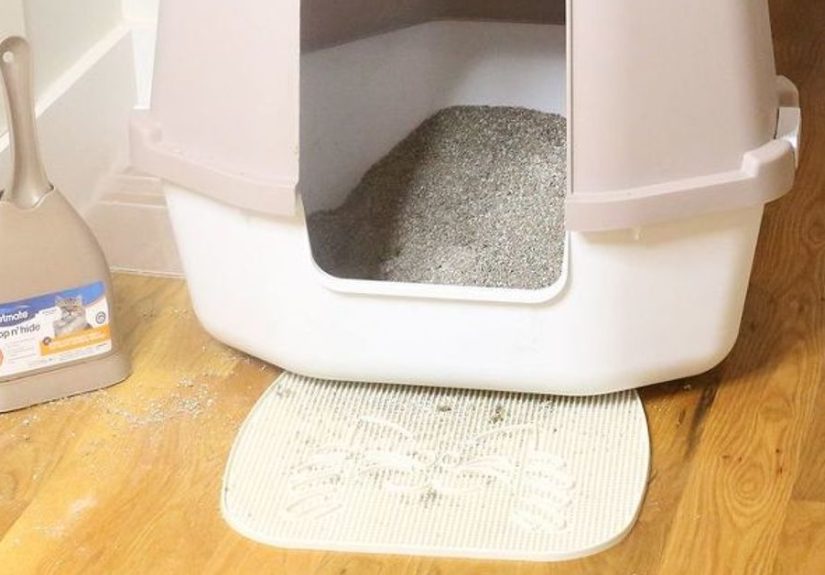
Place a textured litter mat outside the entry. If your cat is a dramatic leaper, use a larger mat or a rug runner so
there’s more surface area to catch litter. You can also angle the mat so the cat naturally steps onto it when exiting.
Step 8: Introduce your cat without making it a surprise renovation
Cats love routine. Introduce the cabinet like a gentle suggestion, not an overnight “new bathroom, who dis?”
- Keep the same litter and box at first
- Leave the cabinet door open for a day or two so it feels accessible
- Use treats or catnip near the entrance (not inside the box areakeep that sacred)
- If your cat hesitates, temporarily remove doors or widen the entry
Troubleshooting: When Your Cat Refuses the New “Bathroom”
Problem: My cat won’t go inside
- Check the opening: if whiskers or shoulders brush the sides, it can feel unsafe. Make it larger.
- Check the vibe: is it loud, cramped, or busy? Try a calmer location.
- Check the smell: fresh paint, strong cleaner, or scented products can be a dealbreaker. Air it out and go unscented.
- Slow transition: keep the old setup briefly and move it into the cabinet gradually.
Problem: The cabinet still smells
- Increase ventilation (more holes high on the back/side or a vent panel)
- Scoop more frequently (especially in multi-cat homes)
- Wash the box regularly and replace litter on schedule
- Use a wipeable liner so odors don’t soak into wood
Problem: Litter is everywhere
- Add an interior divider or hallway path
- Use a larger litter mat
- Try a high-sided box or a top-entry box if your cat tolerates it
- Consider a low-tracking litter type (without switching too often)
Safety and Cleaning Checklist
- Smooth edges: sand entry cutouts thoroughly and add trim if needed.
- Stable furniture: no wobble, no tippingespecially if your cat likes parkour.
- Wipeable interior: seal wood surfaces or use a liner to prevent absorption.
- Easy access: doors should open wide enough for scooping and deep cleaning.
- No harsh chemicals: avoid strong scents and toxic cleaners inside the enclosure.
- Hygiene reminder: wash hands after scooping. If someone is pregnant or immunocompromised, they should follow medical guidance about litter handling.
Conclusion: A Prettier Home, a Happier Cat
Hiding a litter box isn’t about pretending your cat doesn’t poop (nice try). It’s about designing a home that works for
real lifewhere pets exist, guests visit, and you shouldn’t have to stare at a plastic bin every time you walk to the
couch.
The best DIY hidden litter box is the one that checks three boxes: your cat uses it confidently, you can clean it
easily, and it blends into your space like it was always meant to be there. Build for comfort first, style second, and
you’ll get both.
Experiences: What I Learned After Trying (Almost) Every Way to Hide a Litter Box
The first time I tried to “hide” a litter box, I made the classic beginner mistake: I prioritized what looked good
over what worked. I tucked the box into a tight corner behind a decorative screen and told myself it was genius
because I couldn’t see it anymore. My cat, however, did not share my enthusiasm for interior design. The corner was
dark, the airflow was terrible, and the screen wobbled every time he walked past itso he treated the whole setup like
a suspicious new piece of furniture that might explode. That was my first big lesson: cats don’t care what your space
looks like on camera. They care whether the bathroom feels safe, predictable, and easy to use.
My next attempt was the “under-sink” solution with a simple fabric skirt. That one surprised mein a good way. It
wasn’t a full enclosure, so it didn’t trap odor, and it gave the bathroom a cleaner look instantly. The best part was
how low-commitment it felt. If I didn’t like it, I could pull the skirt off in five seconds and pretend it never
happened. The downside? It only hides what you can’t see. If your litter box is in a high-traffic area, a fabric cover
doesn’t reduce tracking, and it doesn’t give you any extra storage. Still, for small spaces or renters, it’s a
shockingly effective “upgrade” that doesn’t require a toolbox or a pep talk.
Then came the cabinet phasethe era where I learned the difference between “enclosed” and “ventilated.” I started with
a thrifted cabinet because it felt like a reasonable compromise: it looked like furniture, it had doors, and it gave
me a place to stash litter bags and a scoop. The build itself was straightforward: cut an entry hole, sand it smooth,
and line the inside so it could be wiped clean. The real magic happened when I added a small interior divider panel.
Before the divider, my cat would step out of the box and immediately launch into the room like a confetti cannon, and
the “confetti” was… not festive. After the divider, he had to slow down, turn, and walk out instead of sprinting.
That simple change cut litter tracking dramatically without changing the litter at all.
I also learned the importance of sizing the cabinet around the box, not the other way around. It’s tempting to choose
a cute, compact cabinet and then shop for a smaller box to match. But smaller boxes are harder for many cats to use
comfortably, and discomfort leads to bad habits fast. When I upgraded to a roomier box and picked a cabinet that
actually fit it with clearance for scooping, everything got easier: less mess, less smell, and fewer “I’ll clean it
later” moments. It’s hard to overstate how much a little extra space mattersfor the cat and for whoever has to reach
in there with a scoop at 11 p.m.
Odor control was another reality check. The cabinet didn’t magically erase smell; it just changed how smell behaved.
With poor airflow, odor concentrated inside the cabinet and hit you all at once when you opened the door, like an
unpleasant surprise party. Once I added discreet ventilation near the top and got more consistent about daily scooping,
the whole system felt cleaner. The big takeaway: hiding a litter box is not a substitute for cleaning. It’s a way to
make cleaning easierand easier cleaning is what actually improves odor.
Finally, I learned to introduce changes like I’m negotiating with a tiny, furry landlord. If I moved too fastnew
cabinet, new location, new setupmy cat got skeptical. When I kept the same litter and box and just changed the
“room” around it, he adapted quickly. When I left the cabinet doors open at first, he explored without pressure and
started using it like nothing happened. The funniest part is that once the setup was dialed in, it felt like the
litter box didn’t exist anymore… until it was time to scoop, which, unfortunately, is how responsibility works.






 Close
Close