
Table of Contents >> Show >> Hide
- The Short Answer: Do Home Remedies Work for Cavities?
- What a Cavity Actually Is (And Why the Internet Gets Confused)
- What Home Remedies Can Actually Help With
- 1) Fluoride Toothpaste and Fluoride Rinse (For Early Decay and Prevention)
- 2) Better Brushing and Flossing (Yes, the “Boring” Advice Works)
- 3) Cutting Sugar Frequency (More Important Than Most People Realize)
- 4) Water, Saliva Support, and Dry Mouth Management
- 5) Temporary Pain Relief (Helpful, But Not a Cure)
- What Home Remedies Do Not Do
- How Dentists Actually Get Rid of Cavities
- What to Do at Home While Waiting for a Dental Appointment
- When to Call a Dentist ASAP (or Go Urgent/Emergency)
- How to Prevent New Cavities (So You Don’t Have to Read Another Article Like This)
- Experiences Related to “How to Get Rid of Cavities: Do Home Remedies Work?” (Extended Section)
- Final Takeaway
Let’s get straight to it: if you already have a true cavity (an actual hole in the tooth), no home remedy can magically “erase” it. If toothpaste could rebuild a missing chunk of enamel overnight, dentists would be out here opening smoothie bars instead of clinics. But there’s an important twist: very early tooth decay (before a hole forms) may sometimes be slowed, stopped, or even reversed with the right careespecially fluoride, better oral hygiene, and changes in diet and habits.
That distinction matters a lot. Many people search “how to get rid of cavities” when what they really mean is one of three things: “How do I stop this from getting worse?”, “How do I relieve the pain until my appointment?”, or “Can I avoid a filling?” This guide breaks down what actually works, what only helps temporarily, and when it’s time to stop Googling and call a dentist.
The Short Answer: Do Home Remedies Work for Cavities?
Yes and no.
- Yessome at-home steps can help early demineralization (the earliest stage of decay), reduce pain, and lower the risk of new cavities.
- Nohome remedies do not “cure” a formed cavity (a hole in the tooth). Once the tooth structure is permanently damaged, a dentist must repair it.
So if you came here hoping coconut oil, clove oil, or “just brushing harder” can close a hole in a tooth, I’m going to save you some time (and your tooth): that’s not how cavities work.
What a Cavity Actually Is (And Why the Internet Gets Confused)
Cavities don’t appear out of nowhere like a jump scare. Tooth decay happens over time. Bacteria in plaque feed on sugars and starches, then produce acids that attack enamel. Your saliva helps neutralize acids and repair enamel with minerals, but if acid attacks happen too often, the tooth loses more minerals than it gets back. That’s when decay progresses.
Stage 1: Early Decay (Demineralization)
In the earliest stage, enamel may develop weak spots or white/brown areas. At this point, the damage may still be reversible with fluoride and good oral care. Think of it as a warning light, not yet an engine failure.
Stage 2: True Cavity (Cavitation)
Once enamel breaks down into a visible hole or pit, that’s a true cavity. At this point, the tooth has lost structure permanently. You can reduce pain, keep it cleaner, and slow the damagebut you cannot regrow the missing tooth structure at home.
This is why people get conflicting advice online. One article says “cavities can be reversed,” another says “cavities can’t heal.” Both can be true depending on whether you’re talking about early enamel damage or a formed cavity.
What Home Remedies Can Actually Help With
Let’s separate “helpful” from “hype.” Home care is importantbut it works best as prevention, early intervention, and symptom relief.
1) Fluoride Toothpaste and Fluoride Rinse (For Early Decay and Prevention)
Fluoride is the MVP here. It helps strengthen enamel, supports remineralization, and can slow or stop early decay. Brushing twice daily with fluoride toothpaste and cleaning between teeth daily are the foundation moves.
If you’re cavity-prone, your dentist may recommend stronger fluoride options (such as a prescription-strength fluoride product or in-office fluoride varnish). For kids, fluoride use should be age-appropriateparents should follow pediatric dental guidance on the amount of toothpaste and supervise brushing.
2) Better Brushing and Flossing (Yes, the “Boring” Advice Works)
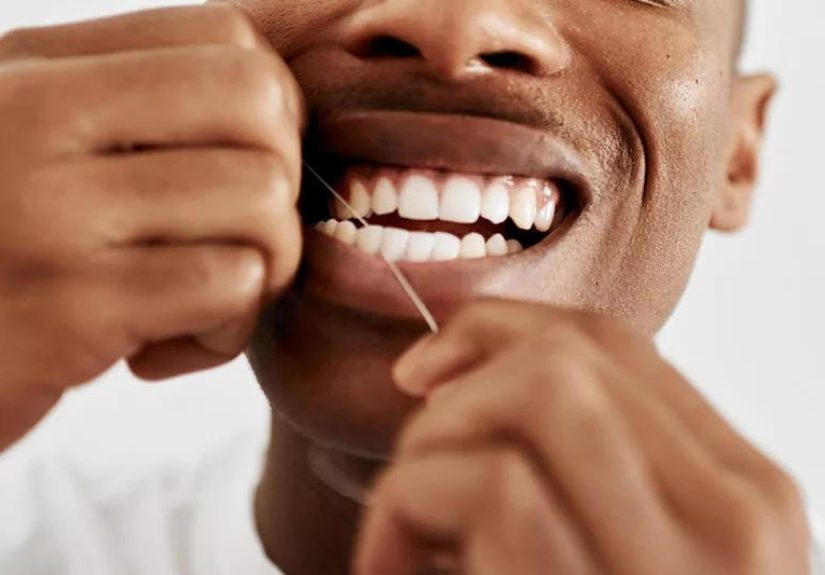
Plaque removal matters because plaque is where acid-making bacteria hang out. If you skip flossing because it feels optional, your cavities may disagree. Brushing reaches surfaces; floss/interdental cleaning reaches the spots where food and plaque love to hide.
The goal is consistency, not heroic brushing pressure. Scrubbing like you’re sanding a deck can irritate gums and wear surfaces over time.
3) Cutting Sugar Frequency (More Important Than Most People Realize)
Cavities are strongly linked to how often your teeth are exposed to sugars and acidsnot just how much dessert you eat at dinner. Sipping sweet drinks all day or frequent snacking keeps your teeth under repeated acid attack.
Practical tip: if you have something sugary, have it with a meal rather than grazing on sweet snacks all afternoon. Your teeth prefer scheduled chaos over constant chaos.
4) Water, Saliva Support, and Dry Mouth Management
Saliva is a built-in defense system. It helps wash away acids and food particles and supports enamel repair. Dry mouth increases cavity risk, so staying hydrated matters more than people think.
If your mouth feels dry (often due to medications or health conditions), helpful strategies can include drinking water more often and chewing sugar-free gum to stimulate saliva. Some sugarless gum products (including those with xylitol) may help reduce cavity risk in certain people.
5) Temporary Pain Relief (Helpful, But Not a Cure)
Home “remedies” can be useful for symptom relief while you wait for dental care. Examples include:
- Rinsing with warm water
- Flossing gently to remove trapped food
- Using an OTC pain reliever (if appropriate for you)
- Using a cold compress on the outside of the cheek if there’s trauma-related pain or swelling
- Avoiding foods that trigger pain (very hot, very cold, or very sweet)
Important: these steps can reduce discomfort, but they do not repair the cavity itself.
What Home Remedies Do Not Do
Here’s the part nobody selling miracle hacks wants to say out loud: home remedies do not fill holes in teeth.
Common Myths (and the Reality)
- “Oil pulling cures cavities.” It may help some people feel cleaner, but it does not restore lost tooth structure.
- “Clove oil fixes a cavity.” It may temporarily soothe discomfort for some people, but it doesn’t remove decay or rebuild enamel.
- “Saltwater kills the cavity.” Rinsing may help with comfort and cleanliness, but it doesn’t reverse a formed cavity.
- “If the pain stops, it healed.” Unfortunately, pain can decrease even while decay progresses. Sometimes that’s a bad sign, not a good one.
If you can see a hole, feel a rough pit, or have persistent sensitivity/pain, treat home care as supportive care and book the dental visit.
How Dentists Actually Get Rid of Cavities
The right treatment depends on how deep the decay is and whether the nerve (pulp) is affected.
1) Fluoride Treatment (Very Early Decay)
If decay is caught before a hole forms, a professional fluoride treatment may help restore enamel and stop progression. This is one reason routine checkups are so valuable: small problem, smaller fix.
2) Filling (Most Typical Cavities)
This is the standard fix. The dentist removes decayed tooth material and restores the tooth with a filling. It’s not glamorous, but it works, and your future self who wants to chew comfortably will be grateful.
3) Crown (When the Tooth Is More Damaged)
If the tooth has lost too much structure, a crown may be used to protect and restore it after the decayed area is treated.
4) Root Canal (If the Pulp Is Infected or Severely Inflamed)
If decay reaches the pulp (the inside of the tooth), the dentist may need to remove infected tissue, clean the canal, and restore the tooth. This is often the step people hope to avoidwhich is exactly why early treatment matters.
5) Extraction (When the Tooth Can’t Be Saved)
In severe cases, the tooth may need to be removed. That’s the “we waited too long” version of the story.
6) Silver Diamine Fluoride (SDF): A Non-Drilling Option in Some Cases
In some situations, a dental professional may use silver diamine fluoride (SDF) to help arrest (stop) cavitated decayespecially when a traditional filling is not immediately practical. This is a professional treatment, not a DIY product. It can be useful, but it may darken the treated cavity area (black staining), so appearance is an important consideration.
What to Do at Home While Waiting for a Dental Appointment
If you suspect a cavity and can’t be seen immediately, here’s a realistic game plan:
Step 1: Keep the Area Clean
Brush gently with fluoride toothpaste twice a day and clean between teeth daily. Don’t skip the sore sidejust be gentle.
Step 2: Stop Feeding the Problem
Cut back on sugary snacks, soda, sports drinks, and constant sipping. If it hurts, avoid hot/cold/sweet triggers.
Step 3: Use Temporary Pain Relief Safely
Use appropriate OTC pain relief if safe for you, and try a warm water rinse or cold compress when needed. Don’t place aspirin directly on the gums (it can irritate or burn tissue).
Step 4: Manage Dry Mouth
Drink water often. If dry mouth is ongoing, ask your dentist or doctor whether medications or other causes could be contributing.
Step 5: Don’t Delay If Symptoms Are Worsening
Cavities tend to get bigger, not smaller, when untreated. A small filling is usually easier (and cheaper) than a root canal or extraction later.
When to Call a Dentist ASAP (or Go Urgent/Emergency)
A cavity isn’t just about painit can lead to infection. Contact a dentist promptly if you have:
- Pain lasting more than a day or two
- Swelling in the gums, jaw, or face
- Fever
- Pain when biting down
- Bad taste/discharge from the gum area
- A visible hole that is getting worse
Seek urgent medical care if you have trouble breathing or swallowing, especially with dental pain or swelling.
How to Prevent New Cavities (So You Don’t Have to Read Another Article Like This)
Prevention is where home care really shines. If you’re asking how to get rid of cavities, the long-term answer is: stop making new ones.
Daily Habits That Actually Help
- Brush twice daily with fluoride toothpaste
- Clean between teeth daily (floss or interdental cleaners)
- Drink water regularly
- Reduce sugary/acidic snacks and drinks, especially between meals
- Address dry mouth if present
- See a dentist regularly for checkups and cleanings
Ask Your Dentist About Extra Protection
- Fluoride varnish or prescription-strength fluoride products (if you’re cavity-prone)
- Dental sealants (especially molars, for kids and sometimes adults)
- Personalized caries-risk assessment if you get frequent cavities
For children, early dental visits, fluoride guidance, and parent-assisted brushing can make a huge difference. For adults, dry mouth, gum recession, and medications can change cavity riskso prevention should be customized, not one-size-fits-all.
Experiences Related to “How to Get Rid of Cavities: Do Home Remedies Work?” (Extended Section)
The most common “experience” people have with cavities is not dramaticit’s delayed. A person notices mild sensitivity, searches online, tries a few home remedies, and hopes it settles down. Sometimes it does for a while, which creates a false sense of security. Then one day they sip iced coffee, bite into something sweet, or chew on the “wrong” sideand suddenly the tooth lets them know the problem never left. That cycle is incredibly common, and it’s one reason so many people are confused about whether home remedies work. They may help symptoms temporarily, but the decay can keep progressing in the background.
Another very common experience is the “I thought I brushed well enough” realization. Many adults with cavities aren’t neglecting their teeth completely. They brush once or twice a day and still end up with decayoften because of factors like frequent snacking, dry mouth from medications, nighttime mouth breathing, or missing the spaces between teeth. People are often surprised to learn that cavity risk is not just about candy. Sipping sweet coffee drinks, flavored waters, juice, sports drinks, or even constant nibbling on crackers can create a steady acid environment. In real life, that pattern matters just as much as the occasional dessert.
Parents also frequently describe a learning curve with children’s teeth. A child may seem fine, have no pain, and then a dental visit reveals early decay. Parents often feel guilty, but pediatric cavity prevention can be more complicated than it looksespecially with picky eating, bedtime routines, juice habits, or uncertainty about fluoride toothpaste amounts. A lot of families improve quickly once they get clear guidance: brush twice a day, use the right amount of fluoride toothpaste for the child’s age, avoid frequent sugary sipping, and schedule regular dental checkups. The big takeaway from these experiences is that small routine changes can make a real difference, especially when started early.
There’s also the “pain management trap.” Someone gets a toothache, uses rinses, avoids cold drinks, takes OTC pain medicine, and feels better for a few days. That relief can be helpful, but it sometimes delays treatment. By the time they finally go in, the cavity is deeper and the treatment is more involved than it would have been earlier. Dentists see this all the time. The lesson isn’t “never use home care”it’s “use home care as a bridge, not a destination.”
On the positive side, many people have the opposite experience: they catch a problem early, make changes at home, and avoid a bigger procedure. They switch to consistent fluoride brushing and daily flossing, cut back on frequent sugary snacks, drink more water, and follow through on dental visits. Some are told an early weak spot is stable or has improved, while others need only a small filling instead of major treatment. That’s the hopeful, realistic version of this topic. Home care absolutely matters. It just works best when it’s paired with professional evaluationbecause the goal isn’t merely to feel better today, it’s to keep your teeth healthy for years.
Final Takeaway
If you’re wondering how to get rid of cavities, the honest answer is this: home remedies can help with prevention, early decay support, and temporary pain reliefbut they do not cure a formed cavity. Once there’s a real hole in the tooth, dental treatment is the fix.
The best strategy is a combo approach: strong home care (fluoride, brushing, flossing, diet changes, hydration) plus early dental care. That’s how you protect your smile, your budget, and your ability to eat ice cream without negotiating with one specific tooth.







 Close
Close