
Table of Contents >> Show >> Hide
- What Makes a Coffee Table Look “Farmhouse”?
- Before You Start: Assess the Table Like a DIY Detective
- Tools and Materials for a Farmhouse Style Coffee Table Makeover
- Step-by-Step Farmhouse Style Coffee Table Makeover
- Step 1: Clean the table thoroughly
- Step 2: Remove hardware and disassemble what you can
- Step 3: Repair dents, holes, and loose joints
- Step 4: Sand for adhesion and a smooth finish
- Step 5: Plan your finish combo (the farmhouse magic move)
- Step 6: Test stain and paint colors first
- Step 7: If staining the top, condition first (especially on pine)
- Step 8: Stain the tabletop
- Step 9: Prime the base if needed
- Step 10: Paint the base
- Step 11: Distress lightly (optional but very farmhouse)
- Step 12: Seal for durability (do not skip the top)
- Step 13: Reassemble and let it cure
- Farmhouse Coffee Table Color and Finish Ideas
- Common Mistakes to Avoid in a Coffee Table Makeover
- How Much Does a Farmhouse Style Coffee Table Makeover Cost?
- 500-Word Experience Add-On: What a Farmhouse Style Coffee Table Makeover Feels Like in Real Life
- Conclusion
Your coffee table has seen things. Pizza boxes. Remote controls with no backs. A mysterious water ring from 2023. The good news? It does not need to stay sad forever. A farmhouse style coffee table makeover is one of the easiest, most satisfying DIY upgrades you can do for a living roomwithout buying a brand-new table that costs as much as a small vacation.
Farmhouse style works because it feels warm, practical, and lived-in (in a charming way, not in an “I forgot to dust for six months” way). Think natural wood tones, soft painted finishes, subtle distressing, and durable topcoats that can handle real life. In this guide, you’ll learn how to plan, prep, paint, stain, distress, and seal a coffee table so it looks cozy, updated, and intentionally rusticwhile still holding up to mugs, feet, and movie nights.
What Makes a Coffee Table Look “Farmhouse”?
Farmhouse style is all about comfort and function with a rustic-meets-clean look. For a coffee table makeover, that usually means combining a few key elements instead of doing one dramatic trick.
Common farmhouse makeover features
- Natural wood texture: A stained top (especially in medium to dark warm tones) adds instant character.
- Painted base: White, cream, greige, soft black, or muted sage are farmhouse favorites.
- Matte or low-sheen finish: Gloss can look too modern unless it’s used intentionally.
- Light distressing: Think “vintage charm,” not “survived a tornado.”
- Practical durability: A farmhouse piece should look inviting and survive daily use.
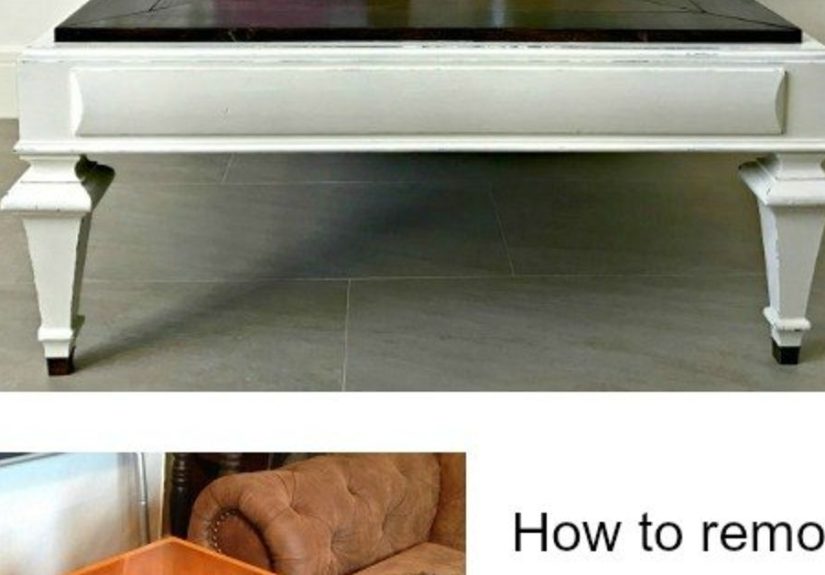
One of the most popular combinations is a stained wood top with a painted base. It gives you contrast, warmth, and that classic “collected over time” vibe. If your table already has nice solid wood grain on top, you’re halfway there.
Before You Start: Assess the Table Like a DIY Detective
Before you grab the paintbrush and enter your makeover era, take a close look at the table. The material matters because the prep method changes everything.
1) Check the surface material
- Solid wood: Best-case scenario. It can usually be sanded, stained, painted, or refinished.
- Veneer: Still makeover-friendly, but sand lightly so you don’t sand through the thin top layer.
- Laminate: Usually better for paint than stain; it needs good cleaning, scuff sanding, and a bonding primer.
- Metal details: Can be painted, but use the correct primer and paint for metal surfaces.
2) Look for damage
Check for loose joints, wobbly legs, peeling veneer, deep dents, water damage, or scratches. Minor issues are easy to fix with wood filler, glue, clamps, and a little patience. Major structural damage may not be worth the effort unless you really love the piece (or you enjoy chaos).
3) Think about lead paint on older pieces
If the table is older and has layers of existing paint, be smart about sanding and scraping. If there’s any chance the coating is old lead-based paint, test first or use lead-safe precautions. This is especially important if kids or pregnant family members are around the home.
Tools and Materials for a Farmhouse Style Coffee Table Makeover
You don’t need a TV-show workshop. A basic DIY setup works just fine.
Essential tools
- Screwdriver (for removing hardware or legs if possible)
- Orbital sander or sanding block
- Sandpaper (120, 180, 220 grit; optional finer grit for between coats)
- Putty knife
- Lint-free cloths / microfiber cloths / tack cloth
- Paint brushes (good quality synthetic brush for water-based paint)
- Foam brush or staining pad (optional for stain/topcoat)
- Drop cloths
- Gloves, eye protection, and a dust mask/respirator
Common materials
- Cleaner/degreaser (mild soap and water works for many pieces)
- Wood filler (paintable/stainable as needed)
- Primer (especially for slick surfaces, dark stains, or tannin-prone woods)
- Paint (chalk-style paint or furniture paint)
- Wood stain (if staining the top)
- Pre-stain wood conditioner (great for soft/porous woods like pine)
- Clear topcoat (polyurethane or a protective topcoat compatible with your paint)
Pro tip: Buy a few sample paint/stain options if you can. Farmhouse style is very color-sensitive“soft white” and “too yellow white” are not the same experience.
Step-by-Step Farmhouse Style Coffee Table Makeover
Step 1: Clean the table thoroughly
Dust, wax, grease, and furniture polish are the secret villains of DIY refinishing. Clean the whole table first, then let it dry completely. If the piece has years of polish buildup, don’t skip this steppaint and stain hate mystery residue.
Step 2: Remove hardware and disassemble what you can
Take off knobs, screws, metal brackets, or removable shelves. If the top comes off, your life just got easier. Label small parts in a bag so you don’t end up using “vibes” as your assembly system later.
Step 3: Repair dents, holes, and loose joints
Fill gouges and nail holes with wood filler. Let it dry fully, then sand smooth. Tighten loose screws and re-glue wobbly joints. Farmhouse style can be rustic, but it should not be unstable enough to spill coffee during a dramatic scene.
Step 4: Sand for adhesion and a smooth finish
Sanding is where the makeover really begins. For most tables, start with medium grit (around 120) to remove gloss and smooth imperfections. Follow with finer grits (180 to 220) for a more even surface. Always sand with the grain when possible.
If you’re staining the tabletop, good sanding matters even more. Uneven prep = blotchy stain = immediate regret. Wipe away all sanding dust before moving on.
Step 5: Plan your finish combo (the farmhouse magic move)
Decide which finish recipe you’re using:
- Classic farmhouse: stained top + painted base
- Soft modern farmhouse: all one color (matte warm white/greige) with subtle distressing
- Moody farmhouse: dark painted base (charcoal/soft black) + medium walnut top
- Budget-friendly refresh: paint only, no stain, then distress and topcoat
Step 6: Test stain and paint colors first
Test your stain on an underside edge, inside shelf, or scrap wood. Wood species, previous finish residue, and sanding level all change the final color. The same stain can look “rustic oak” on one table and “surprise orange” on another.
Test paint color tooespecially whites. Lighting changes everything. Morning light, lamp light, and “I’m ordering takeout at 10 p.m.” light all tell different stories.
Step 7: If staining the top, condition first (especially on pine)
Softwoods and some porous hardwoods can stain unevenly and look blotchy. A pre-stain wood conditioner helps the wood absorb stain more evenly. Apply it according to the label, wipe off excess, and stain within the recommended window.
Step 8: Stain the tabletop
Stir the stain thoroughly (don’t shake if the label says not to). Apply with a cloth, foam brush, or staining pad. Work in manageable sections and wipe off excess stain with a clean cloth. Leaving more stain on longer generally deepens the colorbut follow the product instructions.
Want a richer look? Add a second coat after the first fully dries (if the product allows it). Just remember: stain adds color, not protection. The topcoat is what helps your table survive daily life.
Step 9: Prime the base if needed
Some chalk-style paints can stick well with minimal prep, but primer is still a smart move when:
- the existing finish is glossy or slick,
- you’re painting over dark stain,
- the wood has knots/tannins that may bleed through, or
- you want better long-term durability.
If you’re using a light color over knotty wood (like oak or cedar), a stain-blocking primer can save you from yellow-brown bleed-through showing up later like an uninvited ghost.
Step 10: Paint the base
Apply thin, even coats using a quality synthetic brush (or the application method recommended on your paint label). Don’t overload the brush. Multiple light coats usually look smoother than one heavy coat that tries to do too much.
Let each coat dry fully before recoating. Sand very lightly between coats if the finish feels rough or if the paint system recommends it. This is how you get that clean farmhouse look instead of “barn-ish but crunchy.”
Step 11: Distress lightly (optional but very farmhouse)
Once the paint has cured enough per label directions, lightly distress edges, corners, and high-touch areas with fine-to-medium grit sandpaper. Focus on natural wear spots:
- table corners
- leg edges
- around apron details
- drawer fronts (if your table has them)
Less is usually more. You want “well-loved,” not “rescued from a shipwreck.”
Step 12: Seal for durability (do not skip the top)
Coffee tables are workhorses. They need protection.
- For stained tops: A clear polyurethane topcoat is a popular choice for scratch and moisture resistance.
- For chalk-style painted bases: Use the matching protective topcoat or a compatible clear finish for added durability.
Apply thin coats, allow proper drying time, and lightly sand between coats if recommended. The tabletop typically benefits from multiple coats because it handles cups, decor, and the occasional “I’ll just sit here for one minute” moment.
Step 13: Reassemble and let it cure
Dry to the touch is not the same as fully cured. Even if the table looks finished, give it extra time before heavy use. Avoid dragging decor across the surface too soon. Your fresh finish deserves a peaceful first week.
Farmhouse Coffee Table Color and Finish Ideas
Popular farmhouse combinations
- Weathered oak top + soft white base (bright, classic, versatile)
- Walnut top + black base (modern farmhouse, high contrast)
- Natural top + greige base (warm and subtle)
- All cream/linen paint + gentle distressing (cozy cottage farmhouse)
- Muted green base + medium brown top (farmhouse with a fresh earthy twist)
Hardware and styling upgrades that help
If your coffee table has drawers or metal accents, consider swapping hardware for matte black, antique brass, or oil-rubbed bronze. Then style the table with a tray, stacked books, a small plant, and one textured object (wood beads, ceramic vase, woven bowl). Farmhouse style loves texture and restraint.
Common Mistakes to Avoid in a Coffee Table Makeover
- Skipping cleaning: Paint peels, stain gets weird, frustration grows.
- Over-sanding veneer: You can sand through it faster than you think.
- Not testing stain color: The label swatch is a suggestion, not destiny.
- Heavy paint coats: They lead to drips, brush marks, and long dry times.
- Over-distressing: Farmhouse charm can turn into “accidental archaeology.”
- No topcoat on the tabletop: Water rings will come back like a sequel nobody wanted.
- Using the piece too soon: Fresh finishes need cure time for real durability.
How Much Does a Farmhouse Style Coffee Table Makeover Cost?
Costs vary depending on what you already own, but many makeovers land in the $40 to $150 range for supplies. If you already have brushes, sandpaper, and tools, the budget can be much lower.
Sample budget breakdown
- Sandpaper and cloths: $10–$20
- Cleaner and wood filler: $10–$20
- Paint + primer: $20–$50
- Stain + conditioner: $20–$40
- Topcoat: $15–$40
Compared with buying a new farmhouse coffee table, a makeover is often cheaperand you get a custom finish that actually matches your room.
500-Word Experience Add-On: What a Farmhouse Style Coffee Table Makeover Feels Like in Real Life
The funniest thing about a farmhouse style coffee table makeover is that it starts as a “quick weekend project” and turns into a full emotional journey by Saturday afternoon. First, you stand there looking at the old table thinking, “This won’t be hard.” Then you clean it and realize the table has apparently been polished, waxed, snack-crumbed, and mystery-stickered since the early 2010s. Suddenly, you are not just doing a makeoveryou are uncovering history.
The sanding phase is where confidence and humility meet. At first, it’s satisfying. You can literally see the old finish fade and the wood start to wake up. Then you hit a corner detail that your sander can’t reach and spend 20 minutes hand-sanding while questioning every life choice that brought you here. But once the surface becomes smooth, there’s a weirdly rewarding moment when the table starts looking expensive againeven before paint or stain.
Choosing colors is another adventure. You think you want a “simple warm white,” and next thing you know, you’re comparing five nearly identical paint samples under three different lamps like a detective in a design crime show. The farmhouse style look seems effortless when you see it online, but in real life it’s a lot of tiny decisions: matte or satin, walnut or weathered oak, light distressing or no distressing, black hardware or antique brass. It’s creative, but it also teaches patience.
Staining the tabletop is usually the most dramatic part. The wood grain comes alive, and suddenly the project feels worth it. The first wipe can be nerve-racking because stain always looks intense before it settles, and for a few seconds you may panic and think, “Well, I’ve ruined it.” Then you wipe the excess, the tone evens out, and the top starts looking like something from a boutique home store. That transformation is the payoff moment.
Painting the base is a different kind of satisfaction. It’s slower, more methodical, and honestly a good lesson in restraint. Thin coats really do matter. Rushing shows. When you let the coats dry, sand lightly, and come back with a steady hand, the finish looks smoother and more intentional. And if you choose to distress the edges, you learn quickly that subtle beats dramatic. A few soft worn spots can make the table look charming; too much distressing can make it look like it lost a bar fight.
The biggest real-life lesson, though, is that a coffee table makeover changes more than the table. Once it’s done, the whole room feels more pulled together. The old sofa looks better. The rug suddenly makes sense. You start fluffing pillows unprompted. A well-done farmhouse coffee table makeover can make a living room feel warm, practical, and personallike someone actually lives there and likes it. Which, frankly, is the whole point of farmhouse style in the first place.
Conclusion
A farmhouse style coffee table makeover is one of the best DIY projects for upgrading your living room without spending a fortune. With the right prep, a smart paint-and-stain combination, and a durable topcoat, you can transform a worn or outdated table into a warm, functional centerpiece. Focus on clean prep, test your colors, go easy on distressing, and let the finish cure properly. The result is a custom piece that looks intentional, cozy, and built for real life.







 Close
Close