
Table of Contents >> Show >> Hide
- Why Carrots Turn Mushy in the First Place
- Golden Rules for Perfect, Crisp-Tender Carrots
- Method 1: Steaming Carrots (Stovetop & Microwave)
- Method 2: Roasting Carrots for Caramelized Edges, Not Mush
- Method 3: Sautéed and Glazed Carrots Without the Sog
- Method 4: How to Boil Carrots Without Making Them Mushy
- How to Tell When Carrots Are Perfectly Cooked
- Common Mistakes That Make Carrots Mushy
- Easy Flavor Combinations for Perfectly Cooked Carrots
- Real-Life Lessons: Experiences Cooking Carrots That Aren’t Mushy
- Conclusion: Carrots That Hold Their Shapeand Their Dignity
If your carrots keep going from “crisp and cute” to “sad orange baby food,” you’re not alone. Carrots are one of the easiest vegetables to cook badlythey look fine for ages and then, in about two minutes, suddenly slump into mush. The good news? With a few simple tricks, you can cook carrots so they’re sweet, tender, and still have a pleasant bite every single time.
This guide walks you through exactly how to cook carrots without making them mushy using methods like steaming, roasting, sautéing, and even boiling (yes, you can boil carrots and keep them firmpromise). We’ll talk timing, knife skills, pan size, and how to tell when carrots are perfectly done without obsessing over a timer.
Why Carrots Turn Mushy in the First Place
Before we fix the problem, it helps to know what’s going wrong. Carrots become mushy when:
- They’re cooked too long. Carrots start out crunchy because of strong cell walls and pectin in their structure. Overcooking breaks those down until they collapse.
- They sit in hot liquid too long. Leaving them in boiling water or a hot covered pan after they’re already tender basically turns them into carrot confit in their own steam.
- They’re cut too small. Tiny slices or matchsticks cook quickly, so by the time the thicker pieces are tender, the small ones are mush.
- There’s too much water and not enough heat. Crowding carrots in a pan or roasting them on a sheet pan where they’re steaming instead of roasting keeps them soft and soggy instead of browned and crisp-tender.
Most carrot cooking methods aim for the same sweet spot: fork-tender but not falling apart. That usually means the carrot offers gentle resistance when piercedyou feel it, but the fork goes through without a fight.
Golden Rules for Perfect, Crisp-Tender Carrots
No matter how you cook them, these rules will keep your carrots from going mushy:
1. Cut Evenly
Uniform size is everything. Aim for slices or sticks about 1/4 to 1/2 inch thick. Thicker pieces take longer, but they’re easier to keep at that crisp-tender stage without accidentally overcooking the skinny ones.
2. Cook Just to Fork-Tender
For most methods, carrots reach fork-tender in about:
- Steaming or sauté-steaming: 6–10 minutes, depending on thickness
- Boiling: 4–8 minutes for slices
- Roasting: 20–25 minutes at 400°F for thicker pieces (longer if whole)
Use these as starting points, not hard rulesyour pan, stove, and carrot size all matter. Start checking a couple of minutes early.
3. Stop the Cooking at the Right Time
Once carrots are done, get them away from the heat. Take the pot off the burner, remove the lid to let steam escape, and, for boiling or steaming, drain them. If you plan to rewarm them later, you can undercook them slightly and finish them in a glaze or sauce right before serving.
4. Avoid the Steaming Trap in the Oven
For roasting, don’t pile carrots on top of each other or cover them tightly. Overcrowding means they steam instead of brown, which equals soft and floppy instead of crisp at the edges. Use a large baking sheet, toss with just enough oil to coat, and let the hot metal pan do its job.
Method 1: Steaming Carrots (Stovetop & Microwave)
Steaming is one of the easiest ways to cook carrots without turning them to mush. It’s fast, gentle, and keeps more flavor and color than boiling.
Stovetop Steamed Carrots
- Prep the carrots. Peel if you like, then slice into coins, sticks, or diagonals about 1/4–1/2 inch thick.
- Set up your steamer. Add about an inch of water to a pot and bring to a simmer. Place the carrots in a steamer basket over the water.
- Steam until just tender. Cover and steam for 6–8 minutes for slices, 8–10 minutes for thicker pieces. Start checking earlier. When a fork goes in with light resistance and the carrot still feels firm in the center, you’re there.
- Season off the heat. Toss with butter or olive oil, salt, pepper, and maybe a squeeze of lemon or a pinch of herbs. The seasoning helps them feel “finished” without extra cooking.
Pro tip: If you’re nervous about overcooking, pull one piece at the 5-minute mark, cut it, and taste. It’s better to open the lid a couple of times than to commit to mystery carrots.
Microwave “Steam” Carrots
The microwave is basically a personal assistant for weeknight veggies. It steams carrots quickly with minimal cleanup.
- Put sliced carrots in a microwave-safe bowl.
- Add 2–3 tablespoons of water and cover with a microwave-safe plate or lid.
- Microwave on high for about 3–5 minutes, checking halfway and giving them a stir.
- Drain any extra water, add butter/oil and seasonings, and serve.
Again, the goal is “just tender,” not “so soft they collapse when you look at them.” If they’re almost there but still a little too crisp, microwave in 30-second bursts.
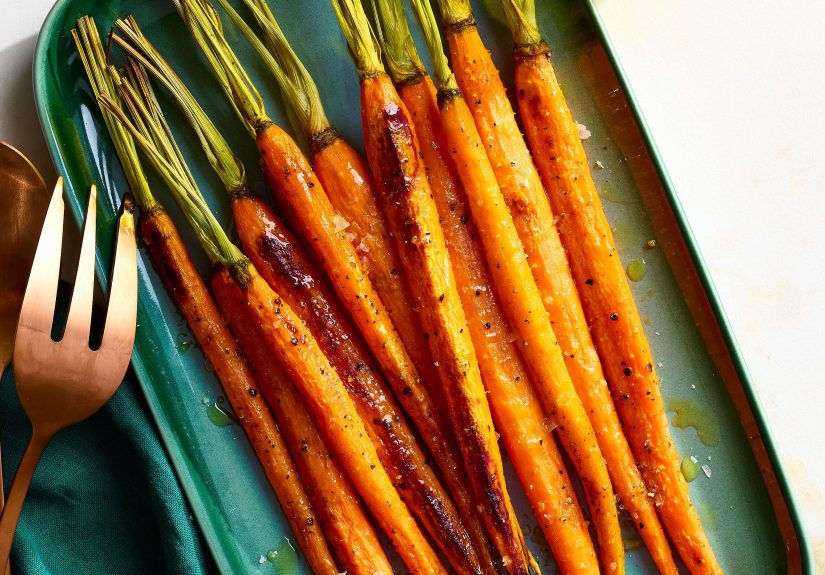
Method 2: Roasting Carrots for Caramelized Edges, Not Mush
Roasting is where carrots glow up: the high, dry heat concentrates their natural sweetness and adds browned, caramelized edges. The trick is to roast hot enough and long enough without shriveling or drying them out.
Option A: Straight Roast
- Preheat the oven. Set it to 400°F. Place a large, rimmed baking sheet inside while it heats so the pan is hot when the carrots hit it.
- Prep the carrots. Cut into sticks or thick diagonals. Toss with enough oil to lightly coat, plus salt and pepper.
- Spread them out. Pour carrots onto the hot pan and spread them into a single layer with a bit of space between pieces.
- Roast and flip. Roast for 12–15 minutes, then give them a stir or flip. Continue roasting another 8–12 minutes until the carrots are tender with browned edges but still hold their shape.
If the edges are browning but the centers are still too firm, lower the oven to 375°F and give them a few more minutes.
Option B: Par-Cook, Then Roast
If you want your carrots extra tender all the way through but not shriveled, par-cooking in salted water first is a game-changer:
- Boil sliced or stick-cut carrots in salted water for about 3–5 minutes until they just start to soften.
- Drain well and let them steam-dry for a few minutes so they don’t carry extra water into the oven.
- Toss with oil, salt, and seasonings, then roast at 375–400°F for 10–15 minutes until lightly browned and fully tender.
This method gives you evenly tender, not mushy carrots with a roasty finishgreat for holiday meals when you want guaranteed good texture.
Method 3: Sautéed and Glazed Carrots Without the Sog
Sautéed and glazed carrots are perfect when you want glossy, flavorful veggies that feel a bit dressy. The key is to use just enough liquid to cook them and then let it reduce into a glaze instead of drowning them.
Basic Sauté-Steamed Carrots
- In a large skillet, add sliced carrots, 1/4–1/3 cup water, a pinch of salt, and a small knob of butter or a drizzle of oil.
- Bring to a simmer, cover, and cook over medium-low heat for about 6–8 minutes, just until the carrots are close to fork-tender.
- Remove the lid and increase the heat slightly. Let the remaining water evaporate while you toss the carrots in the fat left in the pan.
- Season with more salt, pepper, herbs, or a tiny bit of honey or maple syrup.
You’re basically giving the carrots a spa day: a quick steam followed by a light sear in buttery goodness.
Honey or Brown Sugar–Glazed Carrots
For a glossy, slightly sweet side dish:
- Cook carrots with a small amount of broth or water until almost tender.
- Add butter, a spoonful of honey or brown sugar, and a pinch of salt.
- Simmer, uncovered, stirring often, until the liquid reduces into a shiny glaze that clings to the carrots and they’re just fork-tender.
The mistake to avoid here: adding too much liquid and then letting the carrots simmer forever in it. That’s how you get soft, blown-out edges and no texture.
Method 4: How to Boil Carrots Without Making Them Mushy
Boiling carrots can absolutely workespecially if you’re adding them to soups, stews, or mashing them. The trick is to boil fast and brief, then stop the cooking.
- Use plenty of boiling, salted water. Bring a pot of water to a rolling boil, then add salt (it should taste pleasantly salty, like mild broth).
- Add cut carrots. Slices need about 4–6 minutes; thicker sticks may need 6–8.
- Test early. Start checking at the 4-minute mark. When the carrot is just fork-tender, you’re done.
- Drain immediately. Don’t leave them lounging in hot water. Drain, return to the warm pot off the heat, and toss with butter or oil to keep them from drying out.
- Use an ice bath if needed. For salads or veggie platters, plunge cooked carrots into ice water to lock in texture and color, then pat dry.
If your boiled carrots keep turning mushy, you’re probably either cooking them too long or holding them hot for too long afterward.
How to Tell When Carrots Are Perfectly Cooked
Timers are helpful, but your senses are better. Here’s how to know when to stop:
- Fork test: The fork should slide in with gentle resistance. If the carrot splits or crumbles, it’s overcooked.
- Color: Carrots brighten a bit as they cook, then begin to dull if you keep going. Aim for bright orange, not pale or faded.
- Texture bite test: Take one out, let it cool for a few seconds, and bite. You want a tender center with the tiniest bit of firmnessnot crunchy, not squishy.
- Carryover cooking: Remember they’ll keep cooking for a minute or two after you take them off the heat, especially if they’re in a hot pan or pot.
Common Mistakes That Make Carrots Mushy
- Chopping too small. Tiny pieces go from raw to mush in a flash. When in doubt, cut a little larger.
- Using a lid too long. Cover to steam or bring food up to temperature, but uncover to finish so moisture can escape.
- Overcrowding the pan. On the stove or in the oven, carrots need space. Piled-up carrots steam instead of brown.
- Cooking carrots and soft vegetables together. If you cook carrots with softer veggies like zucchini, either the carrots stay hard or the zucchini dies a mushy death. Par-cook carrots first or add them earlier.
- Reheating too aggressively. Microwaving leftover carrots for ages on high turns them spongy. Rewarm gently in a skillet with a little butter or oil.
Easy Flavor Combinations for Perfectly Cooked Carrots
Once you’ve nailed the texture, flavor is the fun part. Try these combinations with any of the methods above:
- Classic comfort: Butter, a pinch of brown sugar or honey, salt, and black pepper.
- Fresh and bright: Olive oil, lemon zest, chopped parsley or dill, flaky sea salt.
- Herby and savory: Butter, thyme or rosemary, garlic, black pepper.
- Smoky-sweet: Olive oil, smoked paprika, honey, and a squeeze of lime.
- Middle Eastern–inspired: Olive oil, cumin, coriander, a drizzle of yogurt, and chopped fresh mint.
Real-Life Lessons: Experiences Cooking Carrots That Aren’t Mushy
Most people don’t get passionate about carrot texture until something goes very wrongusually involving guests, a big dinner, and a lot of pressure. Picture this: you’re hosting a holiday meal, and the carrots were supposed to be the easy, low-stress side. But between juggling the roast, the gravy, and that one relative asking if you have oat milk, your bright orange beauties turned into a soft, slightly sad pile. You serve them anyway, and everyone is polite, but you know. You know.
The next time around, you treat carrots with the same respect as the main dish. Instead of tossing them into a pot “until they’re done,” you decide on a method and control every step. Maybe you try roasting first. You cut the carrots into chunky sticks, toss them with olive oil, salt, and pepper, and spread them out on a large, preheated pan. This time, you set a timer for 12 minutes, flip them, and check again at 20. They come out with browned tips, tender centers, and a sweetness that makes them taste almost like candybut still with a little bite. Suddenly, the humble carrot is one of the stars of the table.
Another day, it’s a weeknight and you’re not trying to impress anyonejust survive dinner. You grab a bag of carrots, slice them into coins, and toss them into a skillet with a splash of water and a bit of butter. You remember the “don’t let them steam forever” rule, so you cover the pan just long enough to get them tender, then uncover to let the liquid evaporate. A drizzle of honey, a pinch of salt, and a scatter of dried thyme later, you’ve got a fast side dish that actually tastes intentional rather than “I panicked and grabbed the nearest vegetable.”
Over time, you start to notice patterns:
- You almost never regret pulling carrots off the heat a minute early. If they’re slightly too firm, you can always return them to the stove for another minute, but you can’t un-mush them.
- When you cut carrots with careon a slight bias, all pieces the same sizethey cook more evenly and look more impressive, even with basic seasoning.
- Roasting transforms carrot skeptics. People who think they hate “cooked carrots” will happily eat roasted ones with dark golden edges.
If you prep ahead, you also discover how forgiving carrots can be when handled correctly. You can par-cook them in boiling water for a few minutes earlier in the day, shock them in cold water, and store them in the fridge. Right before dinner, you toss them in a pan with butter and herbs or into a hot oven to finish. The result: carrots that taste freshly cooked but required almost no last-minute effort.
Maybe the biggest “experience” lesson is psychological: once you’ve tasted a perfectly cooked carrotsweet, firm yet tender, with a little snap leftyou realize mushy carrots don’t have to be your default. They’re not just filler on the plate or something you throw in because you feel obligated to add a vegetable. With the right technique, carrots become a side dish you actually look forward to eating.
So the next time you’re tempted to toss carrots into a pot and hope for the best, remember: even a simple vegetable deserves a little attention. A sharp knife, a timer, and a quick fork test are all it takes to upgrade your carrots from “meh” to memorable.
Conclusion: Carrots That Hold Their Shapeand Their Dignity
Cooking carrots without making them mushy comes down to a few core ideas: even cuts, controlled heat, minimal water, and stopping the cooking at the right moment. Whether you steam, roast, sauté, or boil, your goal is always the same: crisp-tender, sweet, brightly colored carrots that hold their shape on the plate and offer just enough bite.
Once you lock in the texture, you can play endlessly with flavorsclassic butter and herbs, sweet honey glazes, or bold spice blends. And the best part? These techniques work for quick weeknight dinners and special-occasion meals alike. Respect the carrot, and it’ll reward you with a side dish that’s anything but boring.
SEO metadata







 Close
Close