
Table of Contents >> Show >> Hide
- What Exactly Is a Bunk Room?
- Why Bunk Rooms Feel Like an Upgrade (Not a Downgrade)
- Plan It Like a Designer: The Bunk Room Blueprint
- Comfort Features That Make Bunk Rooms Feel Luxurious
- Built-In vs. Ready-Made: Which Bunk Room Is Right for You?
- Safety: The Unsexy Part That Makes the Whole Thing Better
- Style Ideas That Make Bunk Rooms Look Grown-Up (Even When Kids Are Involved)
- FAQs About Bunk Rooms
- Conclusion: Why Bunk Rooms Win the Bedroom Olympics
- Real-Life Bunk Room Experiences ( of “Yep, That’s Exactly Why This Works”)
- SEO Tags
Somewhere along the way, bedrooms got a little too serious. They became “sanctuaries,” “retreats,” and “spaces for mindful unwinding,”
which is lovelyuntil your in-laws arrive, the kids invite three friends over, and you realize your “sanctuary” sleeps exactly two humans
and one decorative throw pillow that nobody is allowed to touch.
Enter the bunk room: the rare home upgrade that’s equal parts practical and fun. It’s a hosting superpower. It’s a space-saving
flex. It’s a way to make a small bedroom feel intentional instead of cramped. And when it’s done right, it doesn’t feel like a compromiseit
feels like the room everyone secretly wants.
What Exactly Is a Bunk Room?
A bunk room isn’t just a room with bunk beds shoved against a wall. It’s a bedroom designed around multiple sleeperswith thoughtful
details that make each sleeping spot feel like a real bed, not a temporary solution.
Bunk room vs. “we bought bunk beds because we panicked”
The difference is intention. A true bunk room considers circulation, storage, lighting, privacy, and comfort. It plans for backpacks and
suitcases. It anticipates the nightly “Where do I put my phone?” problem. It creates a space that works for sleepovers, holiday crowds,
vacation weekends, and everyday lifewithout looking like a summer camp cabin (unless you want that vibe, in which case: lean in).
Why Bunk Rooms Feel Like an Upgrade (Not a Downgrade)
1) You can sleep more people without sacrificing the whole room
Bunk rooms make your square footage work harder by using vertical space. Instead of the classic “two beds and no walking path” layout,
bunks can free up the floor for a bench, a desk, a reading nook, or even just the radical luxury of not bumping your shin every time you turn around.
2) They create instant “destination room” energy
A well-designed bunk room has a built-in sense of occasion. Kids feel like they’re in a clubhouse. Adults feel like they’re in a boutique lodge.
Guests feel like you planned for thembecause you did, and it shows.
3) Hosting becomes easier (and less mattress-on-the-floor core)
If you’ve ever inflated an air mattress at midnight while pretending the pump isn’t screaming, you already understand the appeal.
Bunk rooms give you real beds for real people, with real linens, and none of the “Sorry, the dog claimed your pillow” chaos.
4) Adult bunk rooms are officially a thing
Bunks aren’t just for kids anymore. In vacation homes, ski cabins, beach houses, and even city homes with frequent visitors, designers are
styling bunk rooms for grown-upswith better mattresses, better lighting, and finishes that feel more “hotel” than “hide-and-seek.”
Plan It Like a Designer: The Bunk Room Blueprint
A bunk room works best when you decide what it needs to do before you decide how it should look. Here’s the planning order that saves you
from expensive regrets and awkward ladders.
Step 1: Count heads, then label sleepers
Start with the maximum number of sleepers you realistically need. Then get specific:
toddlers vs. teens, adults vs. kids, frequent guests vs. occasional visitors. This influences bed size, ladder vs. stairs, guardrails, and
how much privacy you should build in.
Step 2: Choose a layout that matches your room shape
Popular bunk room configurations include:
- Wall of bunks: a clean, built-in look that can feel like “sleeping nooks.” Great for narrow rooms.
- L-shaped bunks: corner-friendly and visually interesting, often with a cozy hangout space in the middle.
- Quad bunks: two bunks side-by-side (often twin-over-twin or twin-over-full) for maximum capacity.
- Alcove bunks: beds tucked into recessed niches or framed openingsperfect for a custom, architectural feel.
- Bunks + trundle: the “just in case” extra sleeper that disappears during normal life.
Step 3: Don’t ignore clearance (your forehead will thank you)
A bunk room should be easy to move through, not an obstacle course. Make sure people can sit up comfortably on the lower bunk, climb safely
to the upper bunk, and get in and out without performing yoga poses. Ceiling height mattersespecially if you’re considering triple bunks,
queen bunks, or a loft-style top bed.
Step 4: Plan the “stuff” zones
Bunk rooms become magical when they handle real-life clutter gracefully. Build or add:
- Hooks for hoodies, towels, and backpacks
- Cubbies or a slim dresser for each sleeper
- A bench or luggage rack area (even a simple wall hook + stool helps)
- Closed storage for spare bedding (because no one wants to see the “linen mountain”)
Comfort Features That Make Bunk Rooms Feel Luxurious
The secret to a bunk room that feels like an upgrade is simple: treat each bunk like a mini bedroom, not a shelf for a mattress.
Lighting that works for real humans
Give each bunk its own reading light or sconce, ideally with a warm glow. Overhead lighting is great for cleaning and chaos, but
individual lighting is what makes the room feel intentional. Bonus points for dimmers and simple switches that people can find in the dark.
Charging and small-item storage
People travel with devices. Even kids travel with devices. Add a small ledge, a recessed niche, or a wall-mounted shelf per bunk.
If you can include outlets or USB charging nearby (safely installed), you’ve just eliminated 73% of bedtime drama.
Mattresses and bedding that don’t feel like punishment
A bunk room can be charming and still sleep like a dream. Choose supportive mattresses that fit the bed’s safety requirements (especially on
the top bunk). Layer in comfortable sheets, washable quilts, and an extra blanket. The goal is “I slept great,” not “I survived.”
Privacy without making it weird
For shared spaces, privacy is a gift. Curtains are the classic movesoft, simple panels that can close when someone wants to nap, read, or
pretend they’re not listening to everyone else. Other options: partial walls, built-in dividers, or offset bunks that create visual separation.
Built-In vs. Ready-Made: Which Bunk Room Is Right for You?
When built-ins are worth it
Built-in bunk beds shine when you want a truly integrated lookbeds that feel like architecture. They’re especially strong in vacation homes
and guest rooms where you want maximum sleeping capacity without the visual bulk of freestanding frames. Built-ins also allow custom touches:
niches, drawers, tailored guardrails, and finishes that match the room.
When ready-made bunks make more sense
A great prefabricated bunk bed can be the smarter option if you want flexibility, faster installation, or a lower price point. They’re also
practical if you might reconfigure the room later (kids grow, life changes, hobbies take over). The key is choosing a sturdy design and paying
attention to safety features.
A gentle DIY reality check
DIY can workespecially if you’re handy and patientbut bunk rooms involve structural safety. If you’re building from scratch or anchoring to walls,
consider professional guidance. The goal is “forever sturdy,” not “we’ll just never let anyone climb on it.” A bunk bed should handle real use.
Safety: The Unsexy Part That Makes the Whole Thing Better
A bunk room feels relaxing when everyone trusts it. Safety is what turns bunks from “cool idea” into “confident everyday use.”
Guardrails and mattress height matter
The top bunk needs guardrails, and the mattress can’t be so tall that it defeats the guardrail’s purpose. Many safety guidelines emphasize
keeping sufficient guardrail height above the mattress surface and following the bed’s recommended mattress thickness for the upper bunk.
Translation: don’t “upgrade” the top mattress into a towering cloud that turns the guardrail into a suggestion.
Ladders vs. stairs
Ladders save space and look classic. Stairs are easier for younger kids and many adults, and they often include storage drawersbasically a
two-for-one win. Choose based on who will use the bunks most often and how much floor space you can spare.
Age rules and house rules
Most safety guidance discourages children under six from using the top bunk. Beyond that, make the rules clear: no horseplay, one person on the
top bunk, use the ladder, and keep cords and strings away from the bed area. It sounds strict until you remember gravity is undefeated.
Room-level safety basics
Don’t forget the bigger picture: smoke alarms, clear exits, night lighting, and safe outlet placement. If your bunk room is for guests, add a
small nightlight or motion-activated path light so nobody takes a midnight tumble while looking for the bathroom.
Style Ideas That Make Bunk Rooms Look Grown-Up (Even When Kids Are Involved)
Modern “sleeping nooks”
Think clean lines, simple built-ins, and warm wood tones. Add recessed niches, minimal sconces, and neutral bedding with texture. The vibe is calm,
not cartoon.
Coastal casual
Light paint, woven textures, striped bedding, and airy curtains can make a bunk room feel like a seaside inn. Add durable rugs and wall hooks for
towels and swim bags, and it becomes a vacation machine.
Cabin energy (without the itchy blanket)
Bunk rooms and cabins are best friends. Use warm woods, cozy quilts, and practical storage. If you want character, try subtle pattern on the walls,
a simple shiplap treatment, or vintage-style sconces.
Maximalist fun
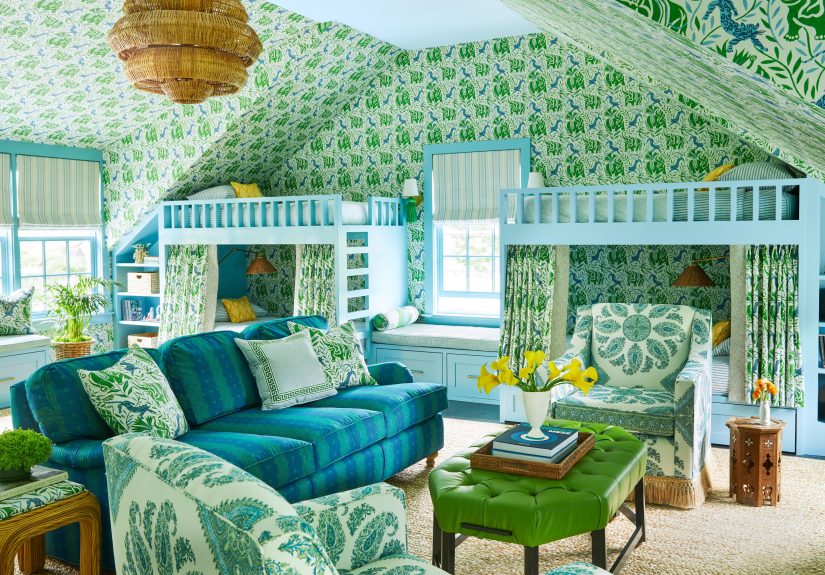
If you love color, a bunk room is an amazing place to go boldpatterned wallpaper, playful bedding, and built-in bunks painted in a statement hue.
The bunks create structure; your color choices bring the personality.
FAQs About Bunk Rooms
How many bunks is too many?
“Too many” happens when the room can’t breathewhen climbing feels unsafe, storage is nonexistent, or the floor space disappears. A smaller room might
be perfect with two bunks and smart built-ins, while a larger room can handle a quad layout and still include seating.
Can adults sleep in bunk beds comfortably?
Yesif the bunks are designed for adult use, with appropriate weight capacity, safe access, and supportive mattresses. Many adult-friendly bunk rooms
show up in second homes where sleeping capacity matters as much as style.
Does a bunk room hurt resale value?
Usually, a bunk room helps when it’s thoughtful and flexible. If you can design it so it can transition into a guest room, kids’ room, or office
later (or at least doesn’t scream “permanent kids zone”), it reads as a feature, not a limitation.
Conclusion: Why Bunk Rooms Win the Bedroom Olympics
Bunk rooms are the ultimate bedroom upgrade because they multiply what a room can do. They solve hosting. They reclaim floor space.
They create a memorable experience, not just a place to sleep. And with good lighting, smart storage, and safety-first planning, they can feel just
as comfortable and stylish as any primary suiteonly with more laughter and fewer air mattress pumps.
Real-Life Bunk Room Experiences ( of “Yep, That’s Exactly Why This Works”)
Picture this: it’s a holiday weekend, and the group chat has officially upgraded from “Who’s coming?” to “Where is everyone sleeping?”
That’s the moment a bunk room earns its keep. Instead of turning your living room into a pillow fort with back pain, you can say,
“We’ve got beds,” and mean itplural, ready, and already made.
In family homes, bunk rooms often become the unofficial “cousin headquarters.” Kids drift in after dinner like moths to a lamp,
carrying books, snacks, and the kind of energy that should probably be regulated by the federal government. A good bunk room handles this
with ease: each bunk has a light for reading, a shelf for treasures, and a curtain or divider for the kid who suddenly needs “privacy”
after announcing their entire life story at the table. The room stays functional because storage is built into the planhooks for hoodies,
baskets for spare blankets, and a designated spot for the mysterious pile of shoes that appears in every gathering.
In vacation homes, the best bunk rooms feel like a boutique hotel decided to have more fun. Think of a ski weekend where everyone comes in
rosy-cheeked and tired. Adults want a comfortable mattress and a place to charge a phone. Kids want a cozy nook that feels special.
When the bunks are built with the right clearances and the bedding is actually comfortable, the room doesn’t feel like “the kids’ overflow zone.”
It feels like a smart, intentional sleep suiteone that leaves the rest of the house peaceful and uncluttered.
Empty nesters and frequent hosts love bunk rooms for a different reason: flexibility. One week it’s grandkids, the next it’s friends visiting from
out of town, and then it’s nobodyso the room needs to behave when it’s not in “full sleep mode.” This is where the design details matter.
A bench under a window becomes a reading nook when the bunks aren’t fully occupied. A built-in cabinet hides extra linens so the room still looks
pulled together. A neutral palette and good lighting keep it from feeling themed, even if the room occasionally fills with squeals, board games,
and the unmistakable sound of someone whispering, “Are you awake?” at 1:07 a.m.
The funniest part is how quickly a bunk room becomes the most requested sleeping spot. Guests start calling dibs. Kids negotiate top-bunk privileges
like it’s a corporate promotion. And the room itself becomes part of the memory of the homebecause it’s not just a place to crash. It’s a place
where people gather, laugh, stay up too late, and wake up together. That’s what makes it an upgrade: it improves the way your home works
and the way it feels.






 Close
Close