
Table of Contents >> Show >> Hide
- Why Men Should Take Facial Skin Care Seriously
- 15 Steps to Care for Your Face the Right Way
- Step 1: Figure Out Your Skin Type First
- Step 2: Wash Your Face With a Gentle Cleanser
- Step 3: Wash the Right Way, Not the Aggressive Way
- Step 4: Moisturize Every Day
- Step 5: Wear Sunscreen Like You Mean It
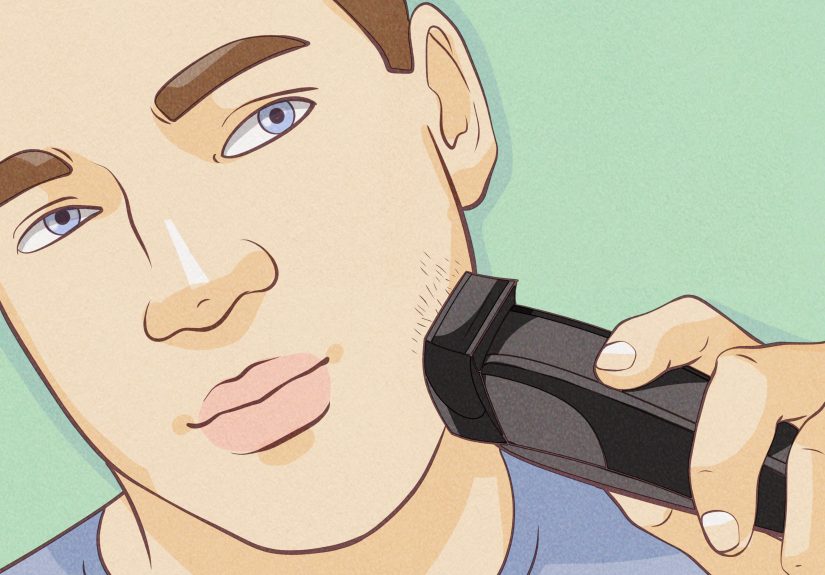
- Step 6: Shave After Softening Your Hair
- Step 7: Shave With the Grain and Use the Right Razor
- Step 8: Take Care of the Skin Under Your Beard
- Step 9: Choose Products That Match Your Skin’s Personality
- Step 10: Exfoliate Carefully, Not Constantly
- Step 11: Treat Acne Early and Be Patient
- Step 12: Stop Picking, Squeezing, and Touching Your Face
- Step 13: Wash After Sweating
- Step 14: Support Your Skin With Better Daily Habits
- Step 15: See a Dermatologist When Home Care Stops Working
- Common Face Care Mistakes Men Make
- Experience-Based Lessons: What Men Usually Learn the Hard Way
- Conclusion
- SEO Tags
If your current face care routine is “splash water, hope for the best, and maybe attack a pimple like it insulted your family,” this guide is for you. Good facial care for men does not need a 14-step luxury spa ritual, a marble bathroom, or a cabinet full of mysterious serums that cost more than dinner. It needs consistency, the right basics, and a little common sense.
Male skin care is often treated like an optional side quest, but your face deals with sweat, oil, shaving, sun exposure, pollution, stress, and whatever your pillowcase has been up to all week. A solid men’s skin care routine can help prevent breakouts, reduce irritation, protect against premature aging, and keep your skin looking healthy instead of tired, angry, or permanently confused.
The good news: the best face care routine for men is usually simple. Cleanse gently, moisturize daily, wear sunscreen, shave smarter, and stop declaring war on your skin every time one blackhead shows up. Below are 15 practical steps that make a real difference, whether your skin is oily, dry, sensitive, acne-prone, or somewhere in the “it changes every Tuesday” category.
Why Men Should Take Facial Skin Care Seriously
Men often have thicker skin, larger pores, and more active oil glands, which means shine, clogged pores, and shaving-related irritation can show up fast. Add beard growth, razor bumps, outdoor time, gym sweat, and the temptation to use harsh soap like your face is a frying pan, and skin problems can pile up.
A good male face care routine is not about vanity. It is basic maintenance. Think of it like brushing your teeth, except your face is much harder to hide in a meeting, on a date, or in daylight.
15 Steps to Care for Your Face the Right Way
Step 1: Figure Out Your Skin Type First
You do not need a lab coat for this. If your face feels shiny a few hours after washing, you probably lean oily. If it feels tight, flaky, or rough, you are likely on the dry side. If you break out and still get dry patches, welcome to combination skin. If products sting, burn, or make your face throw a tantrum, you likely have sensitive skin.
Knowing your skin type helps you choose the right cleanser, moisturizer, sunscreen, and acne products. Otherwise, you are basically shopping blind and hoping the bottle has a friendly vibe.
Step 2: Wash Your Face With a Gentle Cleanser
The foundation of any men’s facial skin care routine is cleansing. Use a gentle facial cleanser instead of body wash, deodorant soap, or whatever industrial-strength bar is sitting by the sink. Facial skin is more delicate, and harsh cleansers can strip moisture, trigger irritation, and make oily skin act even oilier.
Wash when you wake up, before bed, and after heavy sweating. If you have acne-prone skin, choose a non-comedogenic cleanser. If your skin is sensitive, fragrance-free is usually the safer move.
Step 3: Wash the Right Way, Not the Aggressive Way
More force does not mean more clean. Use lukewarm water, your fingertips, and about 20 to 30 seconds of gentle cleansing. Scrubbing with a rough washcloth, brush, or exfoliating mitt can leave your skin irritated, red, and dramatic.
Pat your face dry with a clean towel instead of rubbing it like you are sanding wood. Your skin is not a countertop.
Step 4: Moisturize Every Day
Many men skip moisturizer because they assume it will make their skin greasy. In reality, the right moisturizer helps support your skin barrier and can actually make your face look calmer and more balanced. When skin gets too dry, it can feel tight, become irritated, and in some cases seem oilier as it tries to compensate.
If you have oily or acne-prone skin, look for lightweight, oil-free, non-comedogenic formulas. If you have dry skin, a creamier product may work better. Apply it after washing while your skin is still slightly damp.
Step 5: Wear Sunscreen Like You Mean It
If you do only one thing for your face besides cleansing, make it sunscreen. Daily broad-spectrum SPF 30 or higher helps protect against sunburn, dark spots, premature aging, and long-term skin damage. Yes, even if you have darker skin. Yes, even if it is cloudy. Yes, even if your office is “mostly indoors.” Your face still sees light during commutes, errands, walks, and weekend time outside.
Choose a facial sunscreen you will actually wear. Gel, lotion, mineral, chemical, matte, tintedpick the one that feels good enough to become a habit. Reapply if you are outdoors for extended periods, sweating, or swimming.
Step 6: Shave After Softening Your Hair
Dry shaving is a terrific way to annoy your face. Shave after a warm shower or place a warm, damp cloth on the area first. This softens facial hair and helps reduce tugging. Use a moisturizing shaving cream, gel, or oil so the razor glides instead of drags.
This matters even more if you get razor burn, ingrown hairs, or bumps along the beard line. Softer hair equals less friction. Less friction equals fewer regrets.
Step 7: Shave With the Grain and Use the Right Razor
One of the smartest face care tips for men is also one of the most ignored: shave in the direction your hair grows. Going against the grain may feel extra smooth for five minutes, but it can increase irritation and ingrown hairs for much longer.
If razor bumps are a recurring problem, try a single- or double-blade razor instead of a multi-blade one, and avoid stretching your skin while shaving. Some men also do better with an electric razor, especially when their skin is sensitive or inflamed.
Step 8: Take Care of the Skin Under Your Beard
A beard is not a force field. Skin under facial hair still needs cleansing, moisture, and attention. If you wear a beard, wash it regularly with a gentle cleanser or beard wash, then use a light beard oil or moisturizer if the skin underneath gets itchy or flaky.
Ignoring the skin beneath a beard can lead to dryness, buildup, irritation, and that classic “looks great from six feet away” situation. Groom the beard, but protect the face under it too.
Step 9: Choose Products That Match Your Skin’s Personality
Skin care products are not one-size-fits-all. If your skin breaks out easily, go with oil-free and non-comedogenic products. If it is sensitive, keep things simple and fragrance-free. If it is dry, avoid alcohol-heavy formulas that leave your face feeling squeaky and stripped.
The best men’s face products are often the boring ones: gentle cleanser, plain moisturizer, sunscreen that does not sting, and targeted acne treatment only if you need it. Boring is underrated. Boring works.
Step 10: Exfoliate Carefully, Not Constantly
Exfoliation can help remove dead skin cells and improve texture, but it is easy to overdo it. Harsh scrubs, gritty particles, strong acids, and daily “deep-clean” sessions can damage your skin barrier and leave you red, dry, or extra breakout-prone.
If you want to exfoliate, keep it mild and occasional. A gentle chemical exfoliant or a soft acne wash may be enough. If your skin feels irritated, scale back immediately. Your face should feel smoother, not punished.
Step 11: Treat Acne Early and Be Patient
If you deal with pimples, blackheads, or clogged pores, start with proven ingredients such as benzoyl peroxide, salicylic acid, or adapalene. Different products work for different types of breakouts, so read labels and introduce one treatment at a time rather than layering five products and starting a chemistry experiment on your jawline.
Most acne products need time. Do not switch to a new one every three days because your forehead has not become a glass sculpture yet. Give a product several weeks, moisturize consistently, and use sunscreen because some acne treatments can make skin more sensitive.
Step 12: Stop Picking, Squeezing, and Touching Your Face
This one hurts, emotionally. Picking a pimple may feel productive in the moment, but it can worsen inflammation, spread bacteria, increase irritation, and raise the risk of scarring or dark marks. The same goes for absentminded face-touching during work, gaming, scrolling, and stress.
If you get one painful pimple, use a warm compress, keep the area clean, and let treatment do the heavy lifting. Your fingers are not licensed dermatology tools.
Step 13: Wash After Sweating
Sweat itself is not evil, but letting sweat, oil, dirt, and friction sit on your face after a workout is not ideal. If you exercise, work outdoors, or sweat heavily, wash your face soon afterward with a gentle cleanser. At minimum, rinse and cleanse as soon as practical.
This is especially important if you get acne around the forehead, beard area, or temples. Sweat plus tight hats, helmets, or straps can create the perfect environment for irritation and breakouts.
Step 14: Support Your Skin With Better Daily Habits
Your face reflects more than your product shelf. Sleep, diet, hydration, smoking, and stress all play a role in how your skin looks and behaves. A balanced diet, enough water, regular sleep, and better stress management can support healthier-looking skin and may help reduce flare-ups for some people.
No, drinking one green smoothie will not erase six weeks of bad sleep and energy drinks. But steady habits matter more than heroic one-day fixes. Skin loves routine almost as much as it hates chaos.
Step 15: See a Dermatologist When Home Care Stops Working
If you have persistent acne, painful cysts, frequent razor bumps, scaly patches, burning, unexplained redness, or irritation that will not calm down, get professional help. A dermatologist can tell the difference between acne, rosacea, folliculitis, eczema, contact dermatitis, and other conditions that can look annoyingly similar in the mirror.
Seeing a specialist early can save you time, money, and the frustration of buying product after product while your skin continues to file complaints.
Common Face Care Mistakes Men Make
The most common mistake is overcomplicating the routine after years of doing nothing. Men often jump from “I use soap and vibes” to “I bought seven acids because the internet was loud.” A better approach is simple: cleanse, moisturize, protect, and then add targeted treatment only when needed.
Other classic mistakes include skipping sunscreen, shaving too fast, using harsh scrubs, trying to dry out acne with alcohol-heavy products, and quitting a routine before it has time to work. Good skin care is usually boring in the best possible way. Consistency beats intensity.
Experience-Based Lessons: What Men Usually Learn the Hard Way
In real life, most men do not suddenly become interested in facial care because they woke up one morning craving a moisturizer. Usually, it starts with a problem. Maybe it is acne that kept showing up past the teenage years. Maybe it is razor burn that made every shave feel like punishment. Maybe it is dry, flaky skin in winter or the first moment they notice that “tired” has become a permanent facial setting. The common experience is not glamour. It is frustration.
One of the biggest lessons men often learn is that harsh treatment rarely fixes facial problems. A lot of guys assume that if their skin is oily or acne-prone, they need stronger soap, more scrubbing, hotter water, and stronger aftershave. That approach usually backfires. Skin gets irritated, oil production seems worse, shaving burns more, and breakouts do not magically leave the building. When men switch to a gentler cleanser and a lightweight moisturizer, the result is often surprisingly good. The skin looks calmer, feels less tight, and becomes easier to manage.
Another common experience involves sunscreen. Many men ignore it for years because it feels unnecessary, greasy, or “not for them.” Then they start using a modern facial sunscreen consistently and realize two things: first, they should have started sooner; second, not all sunscreen feels terrible. A decent matte or lightweight formula can disappear into a routine almost effortlessly. Over time, skin tone looks more even, irritation from shaving can be less dramatic, and sun-related redness does not build up as quickly.
Shaving is also a major turning point. Men who struggle with ingrown hairs or razor bumps often think that is just how their face works. Then they make a few simple changes: shaving after a warm shower, using a better shaving cream, reducing passes with the razor, shaving with the grain, and not stretching the skin. Suddenly, the beard area looks less inflamed and feels far less angry. It is not magic. It is better technique.
Men with beards often have their own moment of revelation. They condition the beard hair but forget the skin underneath, then wonder why it is itchy, flaky, or irritated. Once they start cleansing beneath the beard and adding a small amount of moisturizer or beard oil, the whole area becomes more comfortable. The beard looks better too, which is a nice bonus.
Probably the most valuable long-term lesson is that facial care works best when it becomes automatic. The guys who get the best results are rarely the ones chasing every trend. They are the ones who keep a straightforward routine and actually follow it. Wash, moisturize, sunscreen, shave smart, repeat. That is not flashy, but it is effective. And for most men, effective is the point.
Conclusion
If you want healthier skin, you do not need a luxury shelf full of products or an identity crisis in the skincare aisle. You need a practical routine that respects your skin instead of attacking it. Start with the essentials: a gentle cleanser, a suitable moisturizer, daily sunscreen, smart shaving habits, and targeted acne care only if necessary.
The best face care routine for men is the one you can actually stick with. Keep it simple, stay consistent, and give your skin time to respond. Your face does not need perfection. It just needs better habits than “whatever happens in the bathroom at 7:12 a.m.”







 Close
Close