
Table of Contents >> Show >> Hide
- Why Volcanoes Make Energy Scientists So Excited
- The Iceland Experiment: A Glimpse of Magma Energy
- The U.S. Angle: Newberry Volcano and Superhot Rock
- Why This Could Matter for the Future of Power
- The Risks Are Real, and Scientists Know It
- The Engineering Mountain Still Ahead
- So, Are Scientists Really Trying to Use Dangerous Volcanoes?
- Field Experience and Human Impressions: What This Future Actually Feels Like
- Conclusion
Most people hear the word volcano and think of lava, ash, evacuation maps, and the kind of news coverage that makes meteorologists sound like action-movie narrators. Scientists hear the same word and sometimes think something else: heat. A ridiculous amount of it. The kind of heat that could run turbines, support a cleaner grid, and help solve one of the biggest energy puzzles of this century.
That is the wild-but-real idea behind some of today’s most ambitious geothermal research. Instead of relying only on traditional geothermal fields, researchers are exploring whether the intense heat around volcanic systems and superhot rock geothermal zones can generate far more electricity than conventional wells. In plain English: if the Earth is already cooking at terrifying temperatures under certain volcanoes, maybe humanity can stop acting surprised and start using the oven.
The concept is not science fiction. Projects in Iceland and the United States are already testing pieces of it. Scientists and engineers are studying places like Krafla in Iceland and Newberry Volcano in Oregon to see whether drilling deeper into hotter formations can unlock cleaner, steadier electricity. The dream is not to drill recklessly into random lava chambers and hope for the best. The real plan is more careful, more technical, and much more boring than Hollywood would like. That is actually good news.
Why Volcanoes Make Energy Scientists So Excited
Geothermal energy already works by tapping the Earth’s internal heat. Traditional systems use underground reservoirs of hot water or steam to spin turbines and produce electricity. The trouble is that conventional geothermal development works best in a limited number of places with the right geology. That has kept geothermal useful, but not yet dominant.
Volcanic regions change the equation because they can contain extremely high temperatures closer to the surface than in most other locations. In some places, researchers are chasing superhot or even supercritical geothermal resources, where water behaves very differently under extreme temperature and pressure. When engineers can access that kind of heat, one well may produce dramatically more energy than a standard geothermal well.
That matters because the modern grid does not just need more clean power. It needs clean firm powerelectricity that is available when the sun clocks out and the wind decides to take a personal day. Solar and wind are essential, but the grid also benefits from resources that can operate around the clock. That is where next-generation geothermal becomes especially attractive. It is renewable, low-carbon, compact, and potentially available 24/7.
In other words, volcano-adjacent geothermal is interesting not because it is dramatic, but because it could be practical. And practical clean energy is usually what changes the world.
The Iceland Experiment: A Glimpse of Magma Energy
If this whole idea sounds a little too bold, Iceland is the reason people keep taking it seriously. The country has long been a geothermal superstar, using underground heat for electricity and district heating. But one of the most intriguing moments in geothermal history happened when drilling at Krafla accidentally encountered magma during the Iceland Deep Drilling Project.
That was not part of the original plan. It was more of a “well, that escalated quickly” kind of moment. But the discovery showed that magma can lie much closer to drillable depths than many people assumed. Tests associated with the high-enthalpy well suggested that extremely hot conditions could deliver far more power per well than conventional geothermal systems.
That surprise encounter helped inspire the Krafla Magma Testbed, an effort aimed at creating a world-first observatory and superhot geothermal research platform near magma. The goal is not to recklessly stab a volcano with industrial cutlery. It is to understand the physics, chemistry, materials science, and engineering needed to safely operate in one of the harshest environments on Earth.
If successful, Krafla could do two big things at once. First, it could deepen scientific understanding of how magma systems behave, improving volcano monitoring and hazard knowledge. Second, it could help show whether magma-sourced geothermal energy can become a real energy resource rather than an idea that only sounds good in conference presentations and very excited documentaries.
The U.S. Angle: Newberry Volcano and Superhot Rock
In the United States, one of the most closely watched examples is Newberry Volcano in central Oregon. Newberry is not just geologically impressive; the U.S. Geological Survey classifies it as a very high threat volcano. That phrase tends to get your attention, which is fair. Yet that same volcanic system also offers unusually high underground heat, making it a tempting candidate for geothermal development.
Newberry has been explored for geothermal potential for decades. One problem kept showing up: plenty of heat, not enough natural fluid flow for conventional power generation. This is where enhanced geothermal systems, or EGS, enter the story. Instead of waiting for nature to provide a perfect underground plumbing network, EGS aims to engineer one by improving permeability in hot rock and circulating fluid through it.
Now the next frontier is superhot rock geothermal. Researchers and companies working around Newberry want to see whether hotter, deeper rock can produce much more electricity per well. If traditional geothermal is like finding a naturally hot shower, superhot EGS is more like building the pipes yourself next to a giant underground furnace. The metaphor is imperfect, but the energy potential is real.
That potential is why policymakers, researchers, startups, and national labs are paying close attention. The United States has been investigating how next-generation geothermal could expand far beyond the limited footprint of traditional hydrothermal systems. If drilling technology, reservoir creation, and materials performance continue improving, geothermal could move from regional specialty to national-scale contributor.
Why This Could Matter for the Future of Power
The case for volcano-powered energy is not that every nation should build a power plant on the nearest angry mountain. The real argument is broader. Research in extreme volcanic settings can teach scientists how to access hotter rock more efficiently almost everywhere. The volcano is both a resource and a laboratory.
That is important because hotter rock generally means better economics. A well that taps much higher temperatures can produce more useful energy, which could reduce the number of wells needed for a project. In energy development, fewer wells can mean lower costs, smaller footprints, and better chances of commercial success. Suddenly geothermal starts to look less like a niche renewable and more like a serious grid technology.
There is also a strategic benefit. Geothermal power plants take up relatively little land compared with many other energy systems, and they can be located near demand centers in some regions. They can complement solar, wind, storage, and transmission upgrades rather than compete with them. In an era when electricity demand is climbing because of electrification, industry, and data centers, that kind of reliability is attractive.
Put simply, scientists are not chasing volcano heat because it sounds metalalthough, to be fair, it absolutely does. They are chasing it because the future grid may need exactly the kind of reliable, low-carbon power geothermal can provide.
The Risks Are Real, and Scientists Know It
This is the part where grown-up geology enters the chat.
Volcanic systems are not friendly work environments. Temperatures can destroy equipment. Corrosive fluids can eat through materials. Drilling in deep, hard, fractured rock is expensive and technically brutal. Reservoir performance is uncertain. And with EGS projects, there is also the issue of induced seismicitysmall earthquakes that can occur when underground pressures change.
There are also places where geothermal development would be a terrible idea. Yellowstone is the classic example. The U.S. Geological Survey has made clear that drilling Yellowstone to prevent eruptions or harvest energy would risk damaging irreplaceable hydrothermal features and could have severe unintended consequences. So no, the scientific community is not proposing a giant extension cord into Old Faithful. Everyone can relax.
Even at more promising sites, the safety case has to come first. Scientists need careful seismic monitoring, pressure management, materials testing, environmental review, and transparent communication with nearby communities. The best version of this technology is not reckless. It is measured, data-heavy, and usually wearing a hard hat.
The Engineering Mountain Still Ahead
For volcano geothermal to become mainstream, several hard problems still need better answers.
1. Drilling technology has to keep improving
Drilling through deep, hot, abrasive rock is costly. Progress has been encouraging, especially as geothermal borrows techniques from oil and gas, but the economics still need to improve for widespread deployment.
2. Materials must survive hellish conditions
That is not a technical term, but it is emotionally accurate. Equipment must endure extreme temperatures, pressure, and corrosive chemistry without failing. If a well performs beautifully for three weeks and then melts its personality off, investors tend to frown.
3. Reservoirs must be predictable
It is not enough to find heat. Engineers need to create or use reservoirs that can sustain circulation and power production over time. That requires precise subsurface understanding, which is why volcano observatories and testbeds matter so much.
4. Public trust has to be earned
Communities near volcanic or geothermal regions deserve straight answers about noise, land use, seismic monitoring, water issues, and emergency planning. A clean-energy project that forgets the “people” part of energy development usually learns an expensive lesson.
So, Are Scientists Really Trying to Use Dangerous Volcanoes?
Yesbut the phrase needs context. Scientists are not trying to lasso lava or build turbines on top of erupting craters like cartoon villains with engineering degrees. They are trying to understand whether the extraordinary heat associated with volcanic systems can be accessed safely, efficiently, and at scale.
Sometimes that means drilling near magma, as in Iceland. Sometimes it means targeting superhot rocks heated by a volcanic system, as in Oregon. Sometimes it means learning which volcanoes should be studied and which should be left alone. The smartest people in this field are usually the ones most aware of the danger.
The bigger point is that the future of energy may depend on technologies that feel a little improbable at first. Deep geothermal once sounded exotic. Now it is increasingly part of serious national energy planning. Volcano-linked geothermal may follow the same path: first a curiosity, then a test project, then a valuable part of the clean-energy toolbox.
Field Experience and Human Impressions: What This Future Actually Feels Like
To understand why this topic captures so much attention, it helps to imagine the experience around it. Not as fantasy, but as the lived atmosphere of places where volcano science and energy engineering meet.
You arrive at a volcanic field and the first surprise is often how quiet it feels. Popular culture promises nonstop explosions, cinematic doom, and a soundtrack composed entirely of panic. Real volcanic landscapes are stranger. Steam drifts from vents. The ground looks old, scarred, and patient. Rocks crunch under boots. The air can smell faintly metallic or sulfurous, as if the planet has been doing chemistry homework without telling anyone.
Researchers in these places do not usually act like treasure hunters. They act like careful listeners. Every instrument matters. Every tremor, temperature change, pressure reading, and gas signal becomes part of a giant underground conversation. The experience is less “conquer the volcano” and more “please tell us what is happening before the drill bit gets any ideas.”
There is also a humbling emotional contrast. On one hand, a volcanic system feels ancient and indifferent. On the other hand, there are laptops, cables, sensors, drilling plans, engineering models, and coffee cups sitting on folding tables. Humanity shows up with spreadsheets and ambition, facing geology that has been running for hundreds of thousands of years. It is both inspiring and slightly hilarious.
For engineers, the experience is often defined by extremes. One moment the conversation is about casing integrity, thermal cycling, fluid pathways, and fracture networks. The next moment someone steps outside and stares at a crater rim, reminded that the entire project exists because Earth’s interior is trying very hard to remain not our business. There is wonder in that tension.
For nearby communities, the experience can be more practical. Volcano country is beautiful, but it also comes with memory. People know these landscapes are alive. That means energy projects near volcanoes are never just technical proposals. They are local questions: Will this be safe? Will it bring jobs? Will it protect the land? Will it be honest about uncertainty? Those experiences shape public trust as much as any engineering milestone.
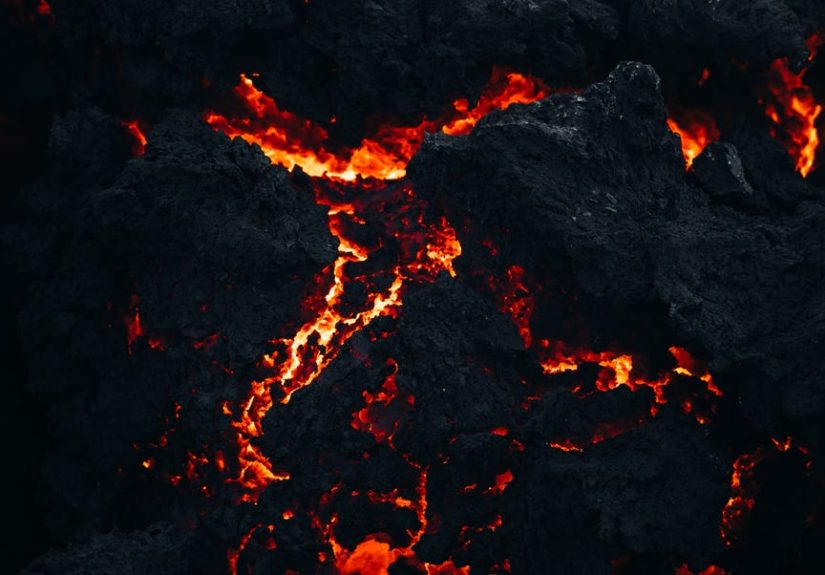
There is a sensory richness to the topic that helps explain its grip on the imagination. Superheated water rushing through rock. The hiss of steam. The visual shock of black lava fields against snow or pine forest. The awareness that beneath seemingly ordinary ground lies enough heat to power communities. It makes electricity feel less abstract. Power is no longer just something from a wall socket. It becomes a story about depth, pressure, patience, and the extraordinary physics under your feet.
That may be why volcano geothermal research feels bigger than a normal energy story. It combines climate strategy, frontier engineering, and planetary science in one place. It invites people to think differently about dangernot as something to romanticize, but as something to study carefully, respect deeply, and perhaps, with enough wisdom, turn into benefit.
And maybe that is the most memorable experience of all: standing at the edge of a volcanic landscape and realizing the future of clean power might not come only from the sky above us, from sunlight and wind, but also from the impossible heat below. The Earth has been storing that energy for ages. Scientists are simply asking whether we are finally smart enough to use a little of it without doing something incredibly dumb.
Conclusion
Scientists want to use dangerous volcano-linked heat sources to power our future because the stakes are enormous. Superhot geothermal offers the possibility of cleaner, steadier, more compact electricity generation at a time when the world needs all three. Iceland’s magma-related drilling history and Oregon’s Newberry work show that this is not a fantasy. It is an emerging energy frontier.
Still, the promise comes with sharp edges. Drilling challenges, seismic risks, material limits, environmental concerns, and site-specific hazards all mean this technology must be developed cautiously. The smartest path forward is not blind enthusiasm or fearful dismissal. It is disciplined experimentation.
If researchers succeed, volcanoes may remain symbols of natural danger while also becoming symbols of human ingenuity. That would be a remarkable twist: the same forces that once terrified entire civilizations could help support a low-carbon grid. Earth, it turns out, has always been generating heat. The question now is whether geothermal science can turn that ancient fury into dependable power for the modern world.
Note: This article is written for web publication in clean HTML format and intentionally omits inline source links while remaining grounded in real scientific and energy research.






 Close
Close