
Table of Contents >> Show >> Hide
- The Short Answer: How Often Should You Floss?
- Why Flossing Frequency Matters (And What Flossing Actually Does)
- But Didn’t Someone Say “Flossing Doesn’t Work”?
- Who Might Need More (or Different) Interdental Cleaning?
- Floss vs. Water Flosser vs. Interdental Brushes: What’s Best?
- How to Floss Properly (So You Don’t Hate It)
- What If My Gums Bleed When I Floss?
- Can You Floss “Too Much”?
- How Long Should a Flossing Session Take?
- Flossing Frequency by Age: Kids, Teens, Adults
- How to Make Daily Flossing Actually Stick
- FAQ: Quick Answers on Flossing Recommendations
- Bottom Line: The Best Flossing Frequency for Most People
- Real-Life Experiences: What People Commonly Notice When They Start Flossing Daily (Plus What Helps)
Flossing has a reputation problem. It’s the leafy greens of oral care: everyone knows it’s good, many people
promise they’ll do it “starting Monday,” and a suspicious number of us only remember it the night before the dentist.
But here’s the twist: flossing isn’t a moral virtue. It’s just a tiny daily habit that cleans the spots your toothbrush
can’t reachlike the narrow alleyways between teeth where plaque sets up a condo and throws a housewarming party.
So, how often should you floss? In most cases, once a day is the sweet spotoften called “interdental cleaning”
(a fancy phrase for “get the gunk out from between your teeth”). And yes, there are exceptions, alternatives, and
technique tips that can make flossing less annoying and more effective. Let’s break it all downwithout guilt, without
fear tactics, and with a little humor (because we’re literally talking about stringing your teeth).
The Short Answer: How Often Should You Floss?
Most people should floss (or clean between teeth) once per day. This aligns with common guidance from major dental
and public health organizations: brush twice daily and clean between teeth daily. The goal isn’t to win an Olympic medal
for flossing frequencyit’s to consistently disrupt plaque buildup in places your toothbrush can’t fully reach.
What “once a day” really means
- Daily consistency beats occasional heroics. One solid, gentle flossing session is better than three angry, rushed ones once a week.
- Timing is flexible. Nighttime works well for many people because you’re done eating and can go to bed with a cleaner mouth.
- If food gets stuck, extra “spot flossing” is fine. If you’ve got popcorn hulls staging a protest between teeth, removing them sooner is smart.
Why Flossing Frequency Matters (And What Flossing Actually Does)
Brushing cleans the broad surfacesfront, back, and chewing areas. But toothbrush bristles often can’t fully reach the tight
contact points between teeth or slightly below the gumline. That’s where floss and other interdental cleaners shine.
Plaque: the sticky roommate you never invited
Plaque is a sticky film of bacteria and debris that forms on teeth throughout the day. If it isn’t disrupted regularly, it can
irritate gums and contribute to tooth decay. Over time, plaque can harden into tartar (calculus), which can’t be removed by
at-home brushing and flossing alone and may require professional cleaning.
What daily flossing helps prevent
- Gingivitis (early gum inflammation): Red, puffy gums and bleeding when brushing or flossing can be a sign of inflammation.
- Periodontal disease (more advanced gum disease): When gum inflammation progresses, it can affect supporting tissues and bone.
- Cavities between teeth: Interdental areas are common places for decay because food and plaque can hide there.
- Bad breath: Trapped debris and bacteria can contribute to odorsflossing removes the hidden “source material.”
But Didn’t Someone Say “Flossing Doesn’t Work”?
You may remember headlines claiming flossing was “useless.” The reality is more nuancedand much less clicky. Some past
reviews found that the evidence quality for flossing benefits (especially when people floss inconsistently or incorrectly) wasn’t as
strong as we’d like. That’s different from proving flossing does nothing.
Many experts and organizations still recommend cleaning between teeth daily because:
(1) it’s biologically plausible (those areas collect plaque),
(2) it’s low cost and low risk when done gently,
and (3) alternatives like interdental brushes or water flossers can be used if string floss isn’t your thing.
In other words: you don’t need perfect clinical trials to know that removing junk from tight spaces is generally a good idea.
Who Might Need More (or Different) Interdental Cleaning?
While once daily is the standard recommendation, your ideal routine depends on your mouth’s “neighborhood layout”:
tooth spacing, dental work, gum health, and dexterity all matter.
1) If you have braces
Brackets and wires create extra plaque-trapping real estate. Many people do well with floss threaders,
super floss, or a water flosser to help clean around orthodontic hardware.
You may still aim for once daily, but your tools may changeand your time investment may increase (temporarily).
2) If you have implants, bridges, or crowns
Dental work can create edges and contours where plaque collects. Some people benefit from specialized floss,
interdental brushes, or soft picks. Your dentist or hygienist can recommend the right size and method so
you clean effectively without damaging gum tissue.
3) If you have gum disease (or a history of it)
If you’ve been told you have gingivitis or periodontitis, your provider may recommend specific interdental tools or a more
tailored schedule. The goal is careful, consistent plaque disruptionespecially near the gumline.
4) If your teeth have wider gaps
For some peopleespecially those with more space between teethinterdental brushes may be easier and, in some cases,
more effective for plaque removal than floss. The key is using the right size so it fits snugly but doesn’t forcefully jam.
Floss vs. Water Flosser vs. Interdental Brushes: What’s Best?
The best interdental cleaner is the one you’ll actually use correctly and consistently. Here’s a practical comparison.
Traditional string floss
- Pros: Inexpensive, widely available, excellent for tight contacts when done correctly.
- Cons: Technique sensitive; can be annoying if your fingers hate you; can irritate gums if snapped.
Water flosser
- Pros: Helpful for braces, implants, and people with dexterity challenges; feels less like “doing chores.”
- Cons: Costs more; requires cleaning/refilling; some people still need another tool for tight contacts.
Interdental brushes
- Pros: Easy to hold; great for wider spaces; can be very effective for plaque removal in accessible gaps.
- Cons: Need correct sizing; not ideal for very tight contacts; replacement cost adds up.
If you’re overwhelmed, here’s the decision rule:
Clean between teeth once daily with a tool that fits your mouth and your life.
Consistency is the real “secret ingredient.”
How to Floss Properly (So You Don’t Hate It)
A lot of “flossing doesn’t help” comes down to flossing that’s fast, forceful, or basically theatricallike waving a string near your teeth
and hoping plaque gets scared and leaves. Technique matters, but it doesn’t have to be complicated.
Step-by-step: a gentle, effective method
- Use enough floss: About 18 inches gives you clean sections as you move along.
- Guidedon’t snap: Slide floss between teeth carefully to avoid punching your gums.
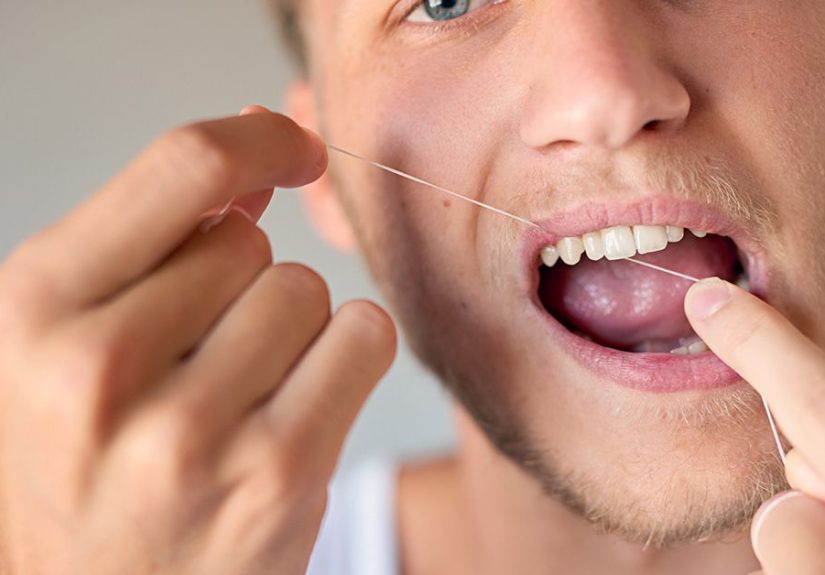
- Make a “C” shape: Curve floss around one tooth and move it up and down along the side.
- Clean both sides: Each space has two teethgive both sides some attention.
- Use a fresh section: Move to a clean bit of floss so you’re not redepositing plaque elsewhere.
Brush or floss first?
You’ll hear different opinions, but flossing before brushing can make sense: it loosens debris and plaque so brushing (and rinsing/spitting)
can help sweep it away, and fluoride toothpaste can better contact surfaces near the gumline. If flossing after brushing is what you’ll stick with,
do that. The “best” sequence is the one that makes daily flossing happen.
What If My Gums Bleed When I Floss?
Bleeding is common when you’re new to flossing or returning after a long breakoften because the gums are inflamed. Here’s the key:
gentle daily flossing may help the bleeding improve over time as inflammation decreases.
- Do: Keep going gently, once daily, and focus on technique (no snapping).
- Don’t: Use bleeding as a reason to stop for weeks. That often allows inflammation to persist.
- Call your dentist: If bleeding is heavy, painful, or doesn’t improve after about 1–2 weeks of consistent gentle cleaningor if you notice swelling, pus, persistent bad taste, or loose teeth.
Can You Floss “Too Much”?
In general, you’re unlikely to harm your teeth by flossing more than once daily if your technique is gentle. But you can irritate gums
if you floss aggressively, saw harshly, or snap the floss under the gumline like you’re trying to cut a tiny steak.
If you feel soreness, see gum recession getting worse, or notice repeated cuts, the fix usually isn’t “stop flossing forever.”
It’s “floss like you’re polishing, not punishing.” When in doubt, ask your hygienist for a quick demothey love this stuff.
How Long Should a Flossing Session Take?
For most adults, 1–3 minutes is enough for a thorough job. That’s less time than a single doom-scroll on your phone,
and flossing doesn’t even ask you to like anyone’s vacation photos.
Flossing Frequency by Age: Kids, Teens, Adults
Kids
Once teeth start touching, food and plaque can get trapped between them. Many children need help flossing at first because
the coordination required is real. Floss picks can be useful for parents, but proper guidance matters.
Teens
Teens with braces or aligners often need extra tools (threaders, water flossers). The goal is still daily interdental cleaning,
especially as diets and schedules get busier.
Adults and older adults
Adults often have dental work, gum concerns, or dexterity issues that make alternatives more practical. If your hands or shoulders
complain, switch to floss holders, interdental brushes, or a water flosseryour gums don’t care about your brand loyalty to string.
How to Make Daily Flossing Actually Stick
The “best flossing routine” is the one you can repeat without negotiating with yourself like you’re a tiny union boss.
Try these realistic strategies:
- Pair it with an existing habit: Floss right before you brush at night, or right after you wash your face.
- Make it visible: Put floss where you’ll see it (next to your toothbrush), not in a drawer like it’s in witness protection.
- Keep travel floss around: Desk, car, bagfuture-you will thank you after a sesame seed bagel.
- Use the “minimum effective dose” mindset: Even a decent, gentle once-daily session beats perfectionism that leads to doing nothing.
- Choose a tool you like: If you hate string floss, don’t force it. Try interdental brushes or a water flosser.
FAQ: Quick Answers on Flossing Recommendations
How often should you floss if you have tight teeth?
Still generally once dailybut choose the right floss (waxed can glide more easily), slow down, and avoid snapping.
If floss consistently shreds, ask your dentist to check for rough edges or tartar buildup.
Is it okay to floss after every meal?
It can be, especially if food gets stuck often. Just be gentle. If you’re flossing hard multiple times a day and your gums are sore,
consider rinsing with water after meals and keeping your “full floss” to once daily.
What’s better: flossing at night or in the morning?
Night is convenient for many people because it removes the day’s buildup before sleep. Morning can work too. The best time is the time you’ll do it daily.
Do floss picks work?
They can be helpful for convenience and dexterity. The main limitations are angle control and using a fresh section between teeth. If picks make you floss more consistently,
they’re a winjust use them carefully and thoroughly.
Bottom Line: The Best Flossing Frequency for Most People
If you take nothing else from this article, take this:
Clean between your teeth once per day. Use floss or another interdental cleaner. Be gentle. Be consistent.
And don’t wait for a dentist appointment to become a “new person.” Your gums would prefer you be your regular selfjust with fewer hidden crumbs.
Real-Life Experiences: What People Commonly Notice When They Start Flossing Daily (Plus What Helps)
Let’s talk about what happens in the real worldwhere motivation is low, schedules are chaotic, and sometimes you’re flossing while
walking around looking for your phone (which is in your hand). When people go from “sometimes flossing” to “daily flossing,” the first week
can feel a little dramatic. A very common report is: “Why are my gums bleeding? Did I break my mouth?”
In many cases, that early bleeding is simply your gums reacting to inflammation that’s been building up quietly. People often describe it like this:
Day 1–3: some bleeding, tenderness, and a weird awareness that gums are, in fact, a body part. Day 4–7: bleeding starts to decreaseespecially when
they switch from aggressive “sawing” to a gentle C-shape technique. By week two, many people notice their gums look less puffy and their mouth feels
cleaner in a way brushing alone never quite achieved.
Another experience people mention is the “popcorn problem.” Someone flosses once after a movie night, pulls out a rogue kernel hull, and suddenly flossing
makes sense. That’s often the gateway moment: flossing stops being an abstract dental lecture and becomes a practical toollike tweezers, but for snacks.
After that, people tend to keep floss in places they used to keep nothing but stress: desks, backpacks, glove compartments, and kitchen junk drawers.
(Bonus: floss is also excellent at reminding you how often you eat spinach. The evidence is… stringy.)
Folks with braces or dental work often share a different arc. They try string floss, get tangled, consider becoming a lighthouse keeper instead, and then discover
floss threaders or a water flosser. Once they find the right tool, their story changes from “I can’t floss” to “I can floss, I just needed equipment.”
Many say a water flosser feels like power-washing your mouthoddly satisfying, slightly messy, and very motivating once you see what comes out.
A surprisingly common “aha” moment is breath-related. People don’t always notice gradual changes in breath day to day, but once they start cleaning between teeth,
they realize some of that lingering “mystery breath” came from trapped debris in places brushing didn’t reach. It’s not glamorous, but it’s effective. And yes,
it can be humbling the first time you floss thoroughly and realize your toothbrush wasn’t covering the whole situation.
Habit-wise, many people say the biggest unlock is removing perfection. They stop trying to floss like a dental textbook and start flossing like a normal human:
one solid pass a day, using a tool they don’t hate, at a time they’ll remember. Night flossers often pair it with a show, a podcast, or the “I’m already in the bathroom,
might as well” mindset. Morning flossers tend to like the fresh-start feeling. Some people even keep floss next to their coffee machinebecause apparently that’s where
the real discipline lives.
The best part? People often report that flossing gets easier fast. Your fingers learn the motions, your gums calm down, and the routine stops feeling like an interruption.
It becomes a quick, oddly satisfying cleanuplike wiping crumbs off a counter. If you’re starting from scratch, aim for gentle daily consistency, and if something hurts
or bleeding doesn’t improve after a couple of weeks, get personalized advice from a dental professional. Real progress isn’t “never missing a day.”
It’s turning flossing into a boring, normal habitbecause boring habits are the ones that actually stick.






 Close
Close