
Table of Contents >> Show >> Hide
- What “steady energy” actually means (and how a smoothie can help)
- The Smoothie Formula (steal this and pretend you invented it)
- 8 Protein-Packed Breakfast Smoothies for Steady Energy
- 1) Peanut Butter Banana Oat “Power-Through-Your-Inbox” Smoothie
- 2) Berry Greek Yogurt “Not a Dessert, I Promise” Smoothie
- 3) Mocha Breakfast Smoothie (a.k.a. “Coffee That Actually Feeds You”)
- 4) Tropical Cottage Cheese Smoothie (Yes, Cottage Cheese. Relax.)
- 5) Chocolate Cherry Recovery Smoothie (Breakfast That Feels Like a Treat)
- 6) Green Avocado Protein Smoothie (The “I Have My Life Together” One)
- 7) Apple Pie Almond Butter Smoothie (Breakfast That Smells Like a Candle)
- 8) Pumpkin Spice Protein Smoothie (Seasonal, but Make It Year-Round)
- Meal-prep tricks for smoothie mornings (because mornings are chaotic)
- Common smoothie mistakes that sabotage energy
- Real-World Smoothie Experiences (500-ish words of what actually happens)
- Conclusion
Some breakfasts are basically a sugar cannon wearing athleisure. They taste amazing, give you exactly seven minutes of confidence,
and thenbamyour energy crashes harder than a phone with 1% battery.
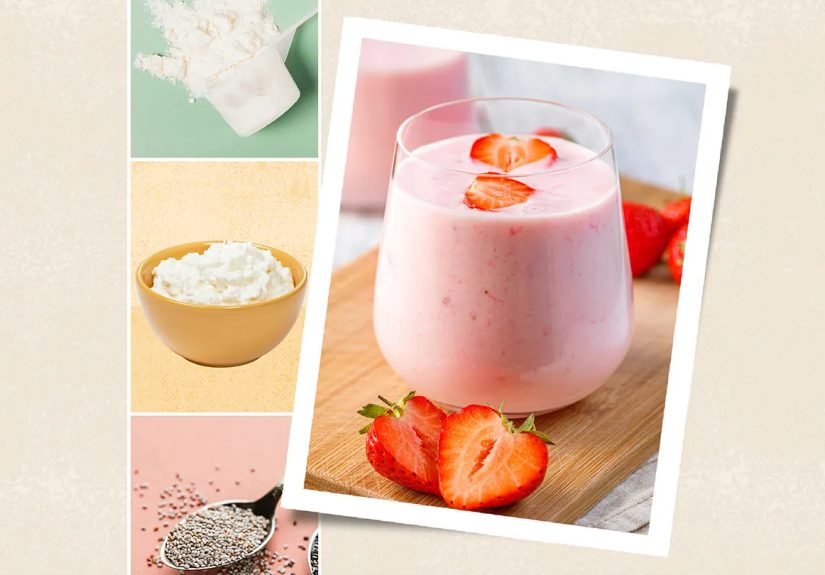
A protein-packed breakfast smoothie can be the opposite: creamy, fast, and built to help you feel fueled
(not flimsy) through your morning. The trick isn’t “add protein powder and hope.” The trick is building a smoothie like a real meal:
protein + fiber + healthy fats, with fruit doing backup vocals instead of stealing the whole show.
What “steady energy” actually means (and how a smoothie can help)
“Steady energy” is code for: you’re not ravenous at 10:17 a.m., your mood doesn’t swing with your blood sugar,
and your stomach isn’t sending angry emails to your brain every time you walk past a snack drawer.
The main offenders in a wobbly smoothie are usually too much liquid sugar (juice, sweetened milks, syrups)
and not enough staying power (protein, fiber, fat). So we’re going to do the reverse.
The Smoothie Formula (steal this and pretend you invented it)
1) Pick a protein “anchor”
This is the ingredient that makes your smoothie feel like breakfast instead of a fruit-flavored beverage.
Aim for a combo that lands you roughly in the 20–35 grams of protein range for a meal-style smoothie
(adjust for your needs, appetite, and what your body likes).
- Greek yogurt (plain): creamy, high-protein, and easy.
- Cottage cheese: sounds weird, blends smooth, tastes like cheesecake’s responsible cousin.
- Milk or soy milk: adds protein without changing flavor much.
- Protein powder (whey or plant-based): convenient, but choose wisely (more on that below).
- Silken tofu: neutral, velvety, and great for dairy-free smoothies.
2) Add fiber like it’s your job
Fiber helps slow digestion and supports more even energy. It also makes your smoothie feel like it has “staying power”
instead of “see you in 30 minutes.”
- Chia seeds or ground flax
- Oats (rolled or quick): gives thickness and a breakfast vibe
- Frozen cauliflower or spinach: stealth nutrition with minimal sweetness
- Berries: fruit + fiber in one naturally sweet package
3) Don’t fear healthy fats
A little fat helps with satiety and keeps your smoothie from becoming “dessert in disguise.”
Think tablespoon-level, not “I poured until my ancestors whispered ‘enough.’”
- Nut butter (peanut, almond, cashew)
- Avocado (yes, in smoothiestrust the process)
- Hemp hearts
4) Choose your carbs strategically
Fruit is great. Fruit juice is basically fruit’s wild younger cousin who only shows up to start drama.
For steady energy, use whole fruit (especially berries) and keep portions reasonable.
5) Liquids: boring is beautiful
Use water, unsweetened milk, or unsweetened plant milk. Skip juice as a base
unless your goal is “rollercoaster but make it breakfast.”
6) A quick note on protein powder (so your smoothie doesn’t taste like regret)
If you use protein powder, scan for added sugar and overly long ingredient lists. You’re looking for something that’s
simple, low in added sugar, and easy on your stomach. If one scoop turns your smoothie into a chemistry lab,
your body may file a complaint.
8 Protein-Packed Breakfast Smoothies for Steady Energy
Each recipe below is designed to balance protein + fiber + healthy fats. Protein counts are estimates because
brands vary (and so do scoopssome of us scoop like we’re feeding a small dragon).
1) Peanut Butter Banana Oat “Power-Through-Your-Inbox” Smoothie
Why you’ll love it: Classic flavors, thick texture, and it won’t abandon you mid-morning.
- 1 medium frozen banana
- 3/4 cup plain Greek yogurt
- 1 cup milk (dairy or unsweetened soy milk)
- 2 tablespoons natural peanut butter
- 1/3 cup rolled oats
- 1 tablespoon chia seeds
- Pinch of salt + cinnamon (optional but highly recommended)
- Ice as needed
How to make it: Blend oats first (10 seconds) for extra smoothness, then add everything else and blend until creamy.
Protein estimate: ~25–35g (depending on milk/yogurt choices).
Steady-energy boost: Oats + chia add fiber; peanut butter adds fat; Greek yogurt anchors protein.
Easy swaps: Use almond butter; add a scoop of protein powder for extra protein; swap yogurt for silken tofu for dairy-free.
2) Berry Greek Yogurt “Not a Dessert, I Promise” Smoothie
Why you’ll love it: Bright, refreshing, and berry-forward without being sugar-heavy.
- 1 1/2 cups frozen mixed berries
- 1 cup plain Greek yogurt
- 3/4 cup water or unsweetened milk
- 1 tablespoon ground flaxseed
- 1 handful baby spinach (optionalyour berries will still dominate the flavor)
- 1 teaspoon vanilla extract (optional)
How to make it: Blend liquid + yogurt first, then add berries and the rest. Blend until thick and spoonable.
Protein estimate: ~22–30g.
Steady-energy boost: Berries + flax bring fiber; yogurt brings protein; spinach adds micronutrients without sugar.
Easy swaps: Add 1–2 tablespoons hemp hearts; use kefir for a tangier flavor.
3) Mocha Breakfast Smoothie (a.k.a. “Coffee That Actually Feeds You”)
Why you’ll love it: Caffeinated, chocolatey, and way more supportive than your 8 a.m. meeting.
- 3/4 cup cold brew (or chilled coffee)
- 3/4 cup milk (or unsweetened soy milk)
- 1 scoop protein powder (whey or plant-based)
- 1/2 frozen banana
- 1 tablespoon cocoa powder
- 1 tablespoon peanut butter or almond butter
- Ice (optional, depending on how cold your coffee is)
How to make it: Blend until silky. Taste and add cinnamon if you want “coffee shop vibes at home.”
Protein estimate: ~25–40g (protein powder does the heavy lifting).
Steady-energy boost: Protein + fat tame the coffee jitters; banana adds carbs without going overboard.
Easy swaps: Use decaf; add a handful of spinach (you won’t taste it under cocoa).
4) Tropical Cottage Cheese Smoothie (Yes, Cottage Cheese. Relax.)
Why you’ll love it: Creamy, tangy-sweet, and surprisingly “piña colada-adjacent” without the… noon cocktail problem.
- 1 cup cottage cheese
- 1 cup frozen mango chunks
- 1/2 cup frozen pineapple
- 3/4 cup water or milk
- 1 tablespoon chia seeds
- Zest or juice of 1/2 lime (optional but amazing)
How to make it: Blend longer than usual (60–90 seconds) to get cottage cheese ultra-smooth.
Protein estimate: ~25–35g.
Steady-energy boost: Cottage cheese adds protein; chia adds fiber; fruit brings carbs without needing juice.
Easy swaps: Dairy-free? Use silken tofu + a scoop of plant protein and keep everything else the same.
5) Chocolate Cherry Recovery Smoothie (Breakfast That Feels Like a Treat)
Why you’ll love it: Deep chocolate flavor + cherries = “dessert energy,” but built like breakfast.
- 1 1/2 cups frozen cherries
- 3/4 cup plain Greek yogurt
- 1 scoop protein powder (optional but great here)
- 1/3 cup rolled oats
- 1 tablespoon ground flaxseed
- 1 tablespoon cocoa powder
- 3/4–1 cup milk or unsweetened plant milk
- Handful of spinach (optional)
How to make it: Blend oats first if you want it extra smooth, then blend everything until thick.
Protein estimate: ~28–45g (depending on whether you add protein powder).
Steady-energy boost: Oats + flax add fiber; yogurt/protein powder add protein; cocoa makes your brain happy.
Easy swaps: Use almond butter instead of flax for a richer texture; add cinnamon for “black forest” vibes.
6) Green Avocado Protein Smoothie (The “I Have My Life Together” One)
Why you’ll love it: Creamy, fresh, and not overly sweetperfect if you’re tired of banana-based everything.
- 1/2 avocado
- 1 cup baby spinach
- 1 kiwi (peeled) or 1/2 green apple
- 3/4 cup plain Greek yogurt or 8 oz silken tofu
- 1 tablespoon hemp hearts
- 3/4–1 cup water or unsweetened milk
- Fresh lemon juice (optional)
How to make it: Blend spinach with liquid first, then add everything else. This keeps it super smooth.
Protein estimate: ~20–35g (depending on yogurt/tofu choice and add-ins).
Steady-energy boost: Avocado + hemp hearts add fats; greens add volume; protein anchor keeps you full.
Easy swaps: Add a scoop of unflavored protein powder; swap kiwi for berries if you want more sweetness.
7) Apple Pie Almond Butter Smoothie (Breakfast That Smells Like a Candle)
Why you’ll love it: Cozy flavors, tons of texture, and it makes your kitchen smell like “fall feelings.”
- 1 apple, cored and chopped (or 1 cup unsweetened applesauce)
- 3/4 cup plain Greek yogurt
- 1/3 cup rolled oats
- 1 1/2 tablespoons almond butter
- 1 tablespoon ground flaxseed
- 1 cup milk or unsweetened soy milk
- 1–2 teaspoons cinnamon + pinch of nutmeg
- Ice (if using fresh apple and you want it colder)
How to make it: Blend oats first if desired, then blend all ingredients until creamy.
Protein estimate: ~24–35g.
Steady-energy boost: Oats + flax boost fiber; almond butter adds fat; yogurt anchors protein.
Easy swaps: Add frozen cauliflower for thickness; use pear instead of apple for a softer sweetness.
8) Pumpkin Spice Protein Smoothie (Seasonal, but Make It Year-Round)
Why you’ll love it: Pumpkin pie energy without needing a fork, an oven, or emotional recovery.
- 3/4 cup pumpkin puree (canned is fine)
- 3/4 cup plain Greek yogurt
- 1 scoop vanilla protein powder
- 1/3 cup rolled oats
- 1 tablespoon chia seeds
- 1 cup milk or unsweetened plant milk
- Pumpkin pie spice (or cinnamon + ginger)
- Ice as needed
How to make it: Blend until thick and creamy. Add extra milk to thin it, or extra ice to make it frosty.
Protein estimate: ~30–45g.
Steady-energy boost: Oats + chia add fiber; protein powder + yogurt add protein; pumpkin adds volume and a mild sweetness.
Easy swaps: Dairy-free? Use silken tofu + plant protein + unsweetened soy milk.
Meal-prep tricks for smoothie mornings (because mornings are chaotic)
Freezer packs
Portion your frozen fruit, greens, and add-ins (chia/flax/oats) into bags or containers. In the morning, dump + blend + go.
Leave liquids and yogurt in the fridge so nothing turns into an icy brick.
“Build it like a bowl” for extra fullness
If you want your smoothie to keep you full longer, make it thicker and eat it with a spoon.
Toppings like sliced fruit, nuts, seeds, and a sprinkle of oats turn it into a meal you can’t accidentally chug in 22 seconds.
Keep sweetness honest
If you need extra sweetness, try cinnamon, vanilla, cocoa, or a small datebefore you reach for syrups or juice.
Your taste buds adapt fast, and soon “not super sweet” starts tasting normal (wild, I know).
Common smoothie mistakes that sabotage energy
- Using fruit juice as the base (it’s easy to overdo sugar quickly).
- Choosing sweetened yogurt instead of plain.
- Skipping protein and hoping fruit will carry the whole morning.
- Forgetting fiber (hello, 10 a.m. hunger).
- “Healthy” add-ins that are secretly candy (flavored syrups, sweetened nut butters).
- Portions that are accidentally huge (a smoothie can be a mealjust make sure it’s the meal you intended).
Real-World Smoothie Experiences (500-ish words of what actually happens)
Let’s talk about the part no one mentions: the human side of breakfast smoothies. Because on paper, smoothies are perfect.
In real life, your blender might sound like it’s trying to tunnel to freedom at 6:45 a.m., and your “quick breakfast”
turns into a scavenger hunt for the protein powder you swore you put next to the oats.
Here’s what people usually notice when they switch from a carb-only breakfast (or the classic “coffee counts, right?” routine)
to a high-protein breakfast smoothie built for steady energy:
First: hunger becomes less dramatic. Instead of feeling fine and then suddenly feeling like you could eat a chair,
you tend to get a calmer, slower build-up of appetite. That’s the protein-fiber-fat trio doing its thingdigestion slows down,
and your body isn’t begging for a second breakfast five minutes after you close your laptop.
Second: your cravings get oddly specific. When smoothies are too sweet (juice base, too much banana, sweetened yogurt),
a lot of people report a “more snacky” morninglike their brain is searching for crunchy or salty food to balance things out.
When smoothies are more balanced, that snack radar usually quiets down. You might still want a snack (humans are allowed snacks),
but it feels like a choice, not a hostage situation.
Third: the “texture era” begins. Some folks love a thin smoothie they can sip; others feel cheated unless it’s thick enough
to bend a spoon. The good news: thickness is adjustable. More frozen fruit, oats, chia, or Greek yogurt = thicker.
More liquid = thinner. If you’re constantly hungry after smoothies, the answer is often “make it thicker and add fiber/fat,”
not “give up and return to muffins forever.”
Fourth: your stomach has opinions. Chia and flax are fantastic, but going from “barely any fiber”
to “two tablespoons of chia plus oats plus spinach plus flax” can be… loud. If you’re new to fiber, start smaller:
1 teaspoon chia, then work up. Same goes for protein powderssome are gentle, some are not. If something makes you feel bloated,
try a different brand, reduce the amount, or use whole-food proteins like yogurt or tofu.
Finally: routine beats perfection. The people who stick with smoothies aren’t the ones who craft a new recipe every morning
like they’re auditioning for a cooking show. They usually have 2–3 “default” smoothies they can make half-asleep, plus a few fun
options for weekends. That’s why this list is built with swaps: you can keep the same structure and rotate flavors
without turning breakfast into a full-time job.
Bottom line: when your smoothie is balanced, you’ll feel itless energy whiplash, fewer emergency snacks, and a breakfast
you can actually repeat without getting bored. Which is the highest compliment any breakfast can receive.
Conclusion
A steady-energy smoothie isn’t about “more protein at all costs.” It’s about balanceprotein to keep you satisfied,
fiber to slow the ride, and healthy fats to help your breakfast actually last. Pick one or two recipes to start, tweak them
to your taste, and let your blender become the most dependable employee in your household.






 Close
Close