
Table of Contents >> Show >> Hide
- Why a Former Hot Tub Hole Is Actually a Design Opportunity
- Planning the Transformation Before You Pick Up a Saw
- Step One: Clean, Repair, and Frame the Opening
- Step Two: Solve Drainage Before Decorating
- Step Three: Choose the Right Sunken Lounge Layout
- Design Details That Make the Space Feel Intentional
- Safety Considerations for a Sunken Deck Lounge
- Budget-Friendly Ways to Upgrade the Former Hot Tub Hole
- Specific Example: A Practical Sunken Lounge Plan
- What to Avoid When Converting a Hot Tub Hole
- Why This Makeover Adds Value Beyond Looks
- 500-Word Experience Section: What Living With a Sunken Lounge Really Feels Like
- Conclusion
Some backyard problems arrive politely. A patch of weeds waves hello. A cracked planter whispers, “Fix me when you have time.” Then there is the hole left behind by a former hot tub, which does not whisper. It stands in the deck like a wooden crater and announces, “Congratulations, your outdoor space now has a missing tooth.”
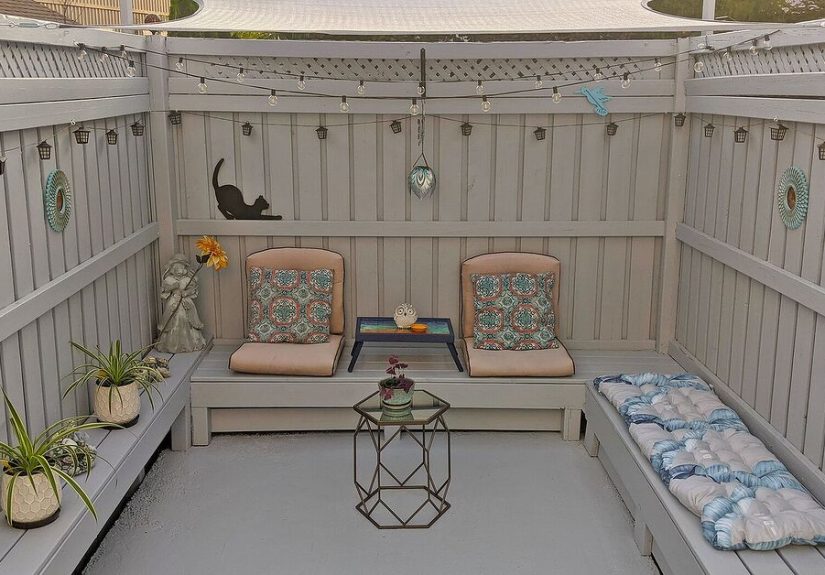
But here is the good news: a former hot tub opening can become one of the most charming backyard upgrades imaginable. Instead of covering it up, filling it in, or pretending guests will not notice the giant square of awkwardness, many homeowners are transforming these spaces into sunken lounge areas. Think built-in seating, soft cushions, string lights, a low table, maybe a fire bowl if local rules allow, and the cozy feeling of a boutique hotel patio without the boutique hotel bill.
The idea works because the hole already has what designers love: definition. A hot tub cutout naturally creates a lowered zone, and lowered zones are excellent for conversation. They make a backyard feel layered, intentional, and intimate. The result is less “we removed a spa” and more “we planned this sophisticated outdoor lounge all along.” Nobody needs to know the first draft involved chlorine tablets and a cover that weighed as much as a small canoe.
Why a Former Hot Tub Hole Is Actually a Design Opportunity
At first glance, a hot tub hole seems like a demolition headache. But from a design perspective, it already has the bones of a sunken lounge space. The deck has an opening. The surrounding surface provides a natural upper level. The recessed area creates a destination. That is exactly what outdoor rooms need: a clear reason to exist.
Modern backyard design often borrows from interior design. Instead of treating a deck as one flat platform with a grill shoved in the corner, homeowners now create zones: dining, lounging, reading, fire-pit gathering, container gardening, and kid-friendly play. A former hot tub hole can become the lounge zone, giving the yard a focal point that feels custom rather than accidental.
The sunken lounge concept also connects to the comeback of the conversation pit. Popular in midcentury homes, conversation pits were designed to pull people closer together. Their lowered seating, circular or U-shaped layouts, and relaxed posture encouraged actual talking instead of everyone hovering around the snack table like shy raccoons. Today, the same concept works beautifully outside.
Planning the Transformation Before You Pick Up a Saw
Before turning the hot tub opening into a sunken lounge, start with a practical inspection. Was the hot tub set into a raised deck? Was it supported by a concrete pad below? Is the deck framing still sound? Are there electrical lines, plumbing connections, or old drainage components that need to be removed safely? A pretty lounge is wonderful, but not if it is secretly held together by optimism and two rusty screws.
Hot tubs are extremely heavy when filled with water and people, so decks built around them often include special framing, posts, beams, or ground-level pads. Once the tub is gone, the structure may still be strong, but it may also have gaps, unusual framing, or exposed edges that were never meant to be used as seating. This is where a contractor, deck builder, or structural professional can save you from future drama.
Key Questions to Ask Before Building
Ask whether the existing deck can safely support the new design, whether guardrails are needed, whether stairs or step-down access should be added, and whether the area drains properly. Check local building codes, especially if the lounge is elevated, attached to the home, or includes electrical lighting. A sunken lounge should feel relaxed, but the planning stage should be pleasantly boring and responsible.
Also think about how people will move through the space. If the old hot tub was in the middle of the deck, you may need a clear walkway around the new lounge. If it was tucked into a corner, you might create a cozy nook with built-in benches on two sides. The best design is not just beautiful in photos; it works when someone is carrying a tray of lemonade, avoiding the dog, and trying not to step into a cushion pile.
Step One: Clean, Repair, and Frame the Opening
The first stage is cleanup. Remove leftover spa hardware, old fasteners, splintered trim, access panels, electrical components, and any debris beneath the opening. If the hot tub sat on a lower concrete slab, inspect that surface for cracks, standing water, and uneven areas. If the lounge will have a floor, the base needs to be dry, stable, and easy to maintain.
Next, repair the deck edge around the opening. This may include replacing damaged boards, adding blocking, reinforcing joists, or installing smooth trim boards. The edge matters because it becomes part of the user experience. People will sit near it, step over it, lean against it, and possibly set drinks on it. Rough edges, exposed screw heads, and wobbly boards are not rustic charm; they are lawsuits wearing sunglasses.
For a polished look, frame the opening with deck boards or composite trim that matches the existing surface. If the deck is older and faded, consider using a contrasting border. A picture-frame border can make the transformation look intentional, even if the project began because the old spa finally gave up and became a very expensive birdbath.
Step Two: Solve Drainage Before Decorating
Drainage is the unglamorous hero of any sunken outdoor lounge. Because the seating area sits lower than the surrounding deck, water can collect there after rain. If you skip drainage, your beautiful lounge may become a mosquito resort with throw pillows.
Start by observing where water naturally goes. If the former hot tub hole has a concrete pad below, does water run away from the house? Is there a drain nearby? Does the soil stay soggy? If needed, add a slight slope, gravel base, drain channel, or other water-management solution recommended by a professional. In some cases, the best answer is a raised platform inside the opening rather than a fully lowered floor.
Good airflow also matters. Outdoor cushions, wood framing, and rugs last longer when moisture can escape. Leave ventilation gaps where appropriate, choose water-resistant materials, and avoid sealing the lounge so tightly that damp air gets trapped underneath. The goal is cozy, not swampy.
Step Three: Choose the Right Sunken Lounge Layout
The best layout depends on the shape of the old hot tub opening. Square and rectangular holes are ideal for built-in bench seating. A round or octagonal spa cutout can become a circular conversation pit with curved seating or modular chairs. If the hole is deep, consider building a platform floor to reduce the step-down height and make the space more comfortable.
Option 1: Built-In Bench Seating
Built-in benches are the most seamless choice. They make the lounge look designed rather than improvised. Use pressure-treated framing or weather-resistant materials, then top the benches with outdoor cushions. Add storage under the seats if the design allows. Suddenly, the old spa cavity becomes a place for blankets, garden games, lanterns, and the outdoor pillows you swear you will bring inside before it rains.
Option 2: Modular Outdoor Furniture
If you want flexibility, place modular outdoor chairs or low-profile sectionals inside the opening. This is easier than building permanent seating and lets you rearrange the space for parties. Choose furniture with slim frames and deep cushions so the area feels inviting without becoming crowded.
Option 3: A Low Coffee Table Centerpiece
A low table can anchor the entire lounge. It gives guests a place for drinks, books, snacks, and the one phone someone places face down to prove they are “being present.” For a more dramatic design, use a fire table, but only after confirming clearance, ventilation, fuel safety, and local rules. Fire features can be fantastic, but they should never be squeezed into a deck cavity as an afterthought.
Design Details That Make the Space Feel Intentional
Once the structure is safe and the layout works, the fun begins. The difference between “old hot tub hole with chairs” and “sunken lounge space” comes down to finishing details.
Use Outdoor Cushions With Real Weather Resistance
Choose cushions made for outdoor use, not indoor pillows having a brief identity crisis. Look for fade-resistant fabric, quick-dry foam, removable covers, and colors that connect with the rest of the deck. Neutrals create a calm resort feel, while stripes, terracotta, navy, sage, or mustard add personality.
Add Lighting at Multiple Levels
Lighting is what turns the lounge from daytime seating into an evening destination. String lights overhead create atmosphere. Step lights improve safety. Lanterns and solar path lights soften the edges. LED strips under bench lips can add a modern glow, but use outdoor-rated products and proper installation. The goal is “warm backyard retreat,” not “airport runway.”
Layer Texture With Rugs and Planters
An outdoor rug can define the floor and make the sunken lounge feel like a room. Choose a rug that drains well and can be cleaned easily. Add planters around the upper deck edge to soften the transition. Grasses, herbs, dwarf evergreens, and flowering annuals can make the lounge feel tucked into the landscape.
Create Privacy Without Building a Fortress
A sunken lounge already feels more private because it sits below deck level. Enhance that effect with lattice panels, tall planters, outdoor curtains, or a pergola. Avoid blocking every view. The best outdoor spaces feel sheltered but not sealed off from the breeze, birds, and occasional neighborly wave.
Safety Considerations for a Sunken Deck Lounge
Because the lounge is recessed, safety should be designed in from the beginning. Add clear steps or a wide entry point. Use slip-resistant surfaces. Make the deck edge visible with trim, lighting, or contrast. If the drop is significant, railings or guards may be required. Even when not required, a visual boundary can prevent guests from discovering the lounge with their shins.
Children, older adults, and nighttime guests should be able to understand the space immediately. Avoid creating a hidden step in a dark corner. If you entertain often, make the entrance generous rather than narrow. A sunken lounge is charming; a surprise ankle test is not.
Budget-Friendly Ways to Upgrade the Former Hot Tub Hole
You do not need a luxury renovation budget to make the project work. A simple version might include reinforced edges, a gravel or deck-board floor, a weatherproof outdoor rug, floor cushions, lanterns, and potted plants. A midrange version might add built-in benches, storage, step lights, and custom cushions. A high-end version could include composite decking, integrated drainage, a pergola, a gas fire table, privacy screens, and professional landscape lighting.
The most important investment is not the prettiest one. Spend first on structure, safety, drainage, and durable materials. Then add the decorative pieces. It is better to have a safe, dry lounge with simple cushions than a stunning magazine-ready pit that floods every Tuesday.
Specific Example: A Practical Sunken Lounge Plan
Imagine a square hot tub opening measuring about seven feet by seven feet in a raised deck. The tub has been removed, leaving a concrete pad below and a deck surface around it. A practical plan would begin with a deck inspection and electrical disconnection by a qualified professional. Next, the rough edges would be reframed and trimmed with matching deck boards.
Inside the opening, a slightly raised platform floor could be installed over sleepers, leaving room for drainage and airflow. Built-in benches could wrap around three sides, with one side left open for steps. The bench seats could be topped with outdoor cushions, while the backrests could be formed with angled panels or loose pillows. A small rectangular coffee table would sit in the center. Around the upper deck, planters with ornamental grasses would add privacy without making the area feel boxed in.
At night, low-voltage step lights and warm string lights would make the space glow. The finished lounge would seat six to eight people comfortably and turn an abandoned spa hole into the most popular square footage in the backyard.
What to Avoid When Converting a Hot Tub Hole
Do not assume the old framing is automatically safe. Do not cover drainage problems with a rug and hope for sunshine. Do not install a fire feature without proper clearance. Do not create a deep step-down without lighting. Do not use indoor furniture outside unless you enjoy mildew as a design motif.
Also avoid overcrowding. A sunken lounge should feel comfortable, not like a furniture showroom fell into a well. Leave room for feet, movement, and a table. The charm comes from closeness, but there is a fine line between cozy and “please pass me my knees.”
Why This Makeover Adds Value Beyond Looks
A former hot tub hole can make a deck feel unfinished, especially to future buyers. Converting it into a sunken lounge gives the space a new purpose. It says the backyard is not merely maintained; it is thoughtfully designed. Outdoor living areas are especially appealing because they expand how a home functions. A comfortable deck lounge can serve as a reading nook, party spot, family hangout, coffee corner, or quiet evening retreat.
Even better, the project reuses an existing footprint. Instead of tearing out the deck or rebuilding from scratch, the design adapts what is already there. That kind of creative reuse is practical, budget-conscious, and satisfying. It is the home improvement version of turning leftovers into a shockingly good sandwich.
500-Word Experience Section: What Living With a Sunken Lounge Really Feels Like
The best part of turning a former hot tub hole into a sunken lounge space is not the before-and-after photo, although that part is admittedly delicious. The real reward comes later, when the space starts becoming part of daily life. At first, people notice the novelty. Guests step onto the deck, pause, and say, “Wait, was this always here?” That is the moment you get to smile like a design genius, even if the idea originally came from panic and a tape measure.
In everyday use, the lounge changes the rhythm of the backyard. Morning coffee feels more peaceful because the lowered seating blocks a bit of wind and creates a tucked-away mood. It feels separate from the house without being far away. You can sit with a mug, listen to birds, and enjoy the rare luxury of not staring at a screen for seven whole minutes.
In the afternoon, the space becomes a casual reading spot. The sunken design makes it feel like a nest. Add one outdoor pillow behind your back and suddenly you are not “sitting outside”; you are “having a lifestyle.” If there are kids in the house, they may claim the lounge as a fort, stage, snack zone, or mysterious headquarters. This is acceptable as long as they do not rename it something better than you did.
Evenings are when the design really earns its keep. The lowered seating naturally pulls people inward. Conversations last longer because everyone faces each other. Nobody is stranded in a lonely chair three feet outside the circle. Snacks sit on the low table, blankets appear when the air cools, and the lighting makes the whole deck feel softer. A former hot tub once required chemicals, filters, covers, and maintenance. The lounge asks for much less. Shake out the cushions, wipe the table, and enjoy.
There are practical lessons, too. Cushions need a storage plan. Rain will find every lazy decision. Leaves gather in corners. Step lights are not optional if people use the deck after dark. A small broom nearby becomes surprisingly important. If the lounge has a rug, choose one that dries quickly and does not trap dirt like it is collecting evidence.
The biggest lesson is that a sunken lounge works best when it stays simple. The temptation is to overdecorate: too many pillows, too many lanterns, too many accessories that must be rescued during storms. A few durable pieces are better than a pile of fussy decor. Comfort matters more than perfection.
Over time, the former hot tub hole stops feeling like a problem that was solved. It becomes the place where people naturally gather. It is where someone tells a story after dinner, where a friend puts their feet up, where the dog supervises the yard, and where the deck finally feels complete again. That is the magic of the project. It does not erase the hot tub’s history; it gives the space a better second act.
Conclusion
A hole from a former hot tub may look like a backyard disaster at first, but it can become a standout sunken lounge space with the right planning. The key is to treat the opening as an opportunity, not an eyesore. Inspect the structure, solve drainage, make access safe, choose weather-resistant materials, and design the space around comfort and conversation.
Whether you build wraparound benches, add modular seating, install soft lighting, or surround the lounge with planters, the goal is the same: turn unused deck space into a destination. A hot tub may have been the old attraction, but a sunken lounge can be more flexible, easier to maintain, and useful in more seasons. It invites people to sit down, stay longer, and enjoy the backyard in a completely new way.
Note: This article is written for general home design inspiration. For structural changes, electrical removal, drainage work, fire features, or code-related questions, homeowners should consult qualified local professionals before beginning the project.






 Close
Close