
Table of Contents >> Show >> Hide
- What This “Hey Pandas” Thread Was Really About
- What Makes a Winter Photo Pop (Even Before Editing)
- How to Photograph Snow Without Getting “Sad Gray Snow Syndrome”
- Cold-Weather Camera Tips That Save Your Gear (and Your Sanity)
- Safety Check: Winter Photos Are Not Worth Frostbite
- Editing Winter Photos Without Making Them Look Fake
- What People Love to Share in Winter Photo Threads
- How to Share Winter Photos Without Being “That Panda”
- Winter Photo Ideas You Can Try This Week
- Conclusion: Winter Photos Are Memory Machines
- of Wintertime Photo Experiences (Because We’ve All Been There)
Winter has a special talent: it turns the ordinary into a postcard. Your neighbor’s boring fence becomes a glittery
runway for icicles. A parking lot becomes a minimalist masterpiece. And your dog? Suddenly an artist, signing the
snow with paw-print calligraphy.
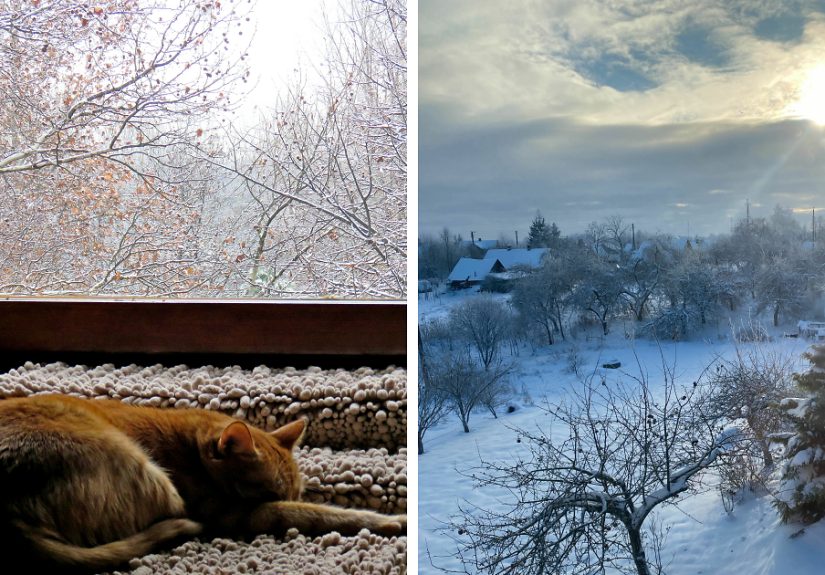
That’s exactly why the “Hey Pandas, Share Your Best Photos Of Wintertime (Closed)” prompt worked so well. It didn’t
ask for perfection. It asked for proofproof that cold weather can be gorgeous, funny, dramatic, and quietly
emotional… sometimes all in one photo (usually because your eyelashes froze mid-blink).
What This “Hey Pandas” Thread Was Really About
At its heart, this kind of community prompt isn’t a photography contest; it’s a communal winter scrapbook. The best
wintertime photos don’t just show snowthey show how winter feels: the hush after a snowfall, the chaos of a
slushy commute, the warm glow of a kitchen window while the world looks like a snow globe outside.
Since the thread is closed, think of this article as a friendly “director’s cut”: a recap of why winter photography
hits differently, plus practical tips to shoot snow scenes without turning them into gray mush (or turning your
camera into a science experiment in condensation).
What Makes a Winter Photo Pop (Even Before Editing)
1) Winter light is basically a free upgrade
Snow reflects light like a giant natural bounce card, which can soften shadows and brighten faces. That’s why winter
portraits can look clean and luminouseven with simple gear. The trick is to shoot when the light has personality:
early morning, late afternoon, or during gentle overcast skies that act like a massive softbox.
2) Contrast is your secret weapon
Winter is built for contrast: red mittens against white snow, dark tree trunks against pale fog, golden street
lamps glowing in blue hour. If you want instant visual impact, look for one bold element (color, shape, or
texture) and let the winter background stay calm.
3) Texture tells the story
Powder snow, crunchy snow, icy glaze, frost feathers on a windowwinter is basically a texture festival. Get close:
capture the crystal sparkle on a pine needle, the ripples in frozen puddles, or the tiny ridges in wind-sculpted
drifts. Macro shots and close-ups often feel more “winter” than wide landscapes.
How to Photograph Snow Without Getting “Sad Gray Snow Syndrome”
Here’s the classic winter photography problem: your camera’s meter often tries to make bright snow look like
middle-gray. Translation: the snow comes out dull, and your gorgeous scene looks like it lost a bet.
Use exposure compensation (the easiest fix)
In many snowy situations, adding a bit of positive exposure compensation helps keep snow looking white. Start small
(like +0.3 or +0.7) and adjust based on the preview and histogram. In bright snow fields, you may need more. The
goal is bright snow with detail, not blown-out highlights.
Trust the histogram more than your screen
Your LCD can lieespecially when it’s cold and your eyes are squinting into glare. If you can, check the histogram.
A “good” snowy exposure often pushes information toward the right side without slamming into the edge (which would
mean clipped highlights). If your snow is gray, you’re probably underexposed.
Mind your white balance (snow reflects everything)
Snow picks up color casts from the sky and surroundings. Shade can push it blue; streetlights can push it orange.
Auto white balance might do fine, but if your snow looks like a smurf convention, try a warmer WBor shoot RAW so
you can correct it later. The key is choosing a look that matches the mood: crisp and cool, or cozy and warm.
Cold-Weather Camera Tips That Save Your Gear (and Your Sanity)
Battery life drops fast in the cold
Cold temperatures can drain batteries quicker than expected. Bring extras and keep them warman inside jacket
pocket works. Swap batteries when performance dips; the “cold” battery often recovers some charge once warmed.
If you shoot with a phone, keep it warm too (phones get dramatic about winter).
Condensation is the real villain
The biggest danger isn’t snowflakesit’s moving your cold camera into warm, humid air. That temperature shift can
create condensation on (and sometimes inside) gear. A common method is to seal your camera in an airtight bag
before going indoors and let it warm gradually while still sealed. Condensation forms on the bag, not your
lens.
Gloves that let you press buttons are worth their weight in gold
You can be a fearless winter photographer or you can have functional fingers. Pick oneunless you bring gloves that
balance warmth with dexterity. Many photographers layer: thin liner gloves for shooting, plus warmer mittens for
walking and waiting.
Snow plus wind equals surprise face exfoliation
Seriously, winter conditions can change quickly. A calm snowfall can become sideways needles in five minutes.
Protect yourself first: dress in layers, cover exposed skin, and plan for wind chill. You’ll shoot better when
you’re not actively regretting your life choices.
Safety Check: Winter Photos Are Not Worth Frostbite
Winter is photogenic, but it’s also the season where “I’ll just step out for one quick shot” becomes a 30-minute
saga. If you’re heading outdoors, especially in remote areas, treat it like a mini-expedition.
- Dress for layers: moisture-wicking base, insulating middle, windproof outer. Avoid cotton when possible.
- Watch for frostbite and hypothermia signs: numbness, confusion, intense shivering, or fatigue are not “quirky winter vibes.”
- Plan your route and time: winter days are shorter; bring a headlamp if sunset might surprise you.
- Traction matters: icy sidewalks and overlooks can turn your photo walk into an accidental stunt show.
- Be careful near water and ice: frozen-looking doesn’t mean safe.
Editing Winter Photos Without Making Them Look Fake
Winter editing is a balancing act: you want clean whites and crisp detail, but you don’t want everything to look
like it was dipped in blue sports drink.
Start with highlights and whites (but don’t nuke the snow)
Pull down highlights if needed to recover texture in bright snow. Then lift whites carefully to keep the scene
bright. If the snow looks dull, you may need a small exposure bump. If it looks crunchy and harsh, ease up on
clarity and sharpening.
Correct color casts with intention
Many winter images skew blue in shade. You can warm the white balance slightly, or target specific color casts with
selective tools. A “neutral” snow color isn’t always the goalsometimes cold blue shadows are the point. Decide
whether you’re aiming for realism or mood, then commit.
Use local adjustments to guide the eye
Winter scenes can be bright everywhere, which flattens the image. Use subtle gradients or radial adjustments to add
depth: brighten a foreground drift, darken a pale sky, or add a gentle vignette. The best edits are the ones nobody
noticesexcept they somehow can’t stop looking at your photo.
What People Love to Share in Winter Photo Threads
If you’ve ever scrolled a winter-themed community post, you’ll recognize the unofficial “categories” that always
appearand always get love:
- The first snowfall moment: fresh, untouched snow with that “brand new world” feeling.
- Cozy contrast shots: warm indoor light against cold blue outdoors.
- Pets in snow: zoomies, confused paws, and the occasional dramatic flop.
- Street scenes: headlights in snowfall, footprints on sidewalks, steam rising from vents.
- Nature details: frost patterns, icy branches, frozen lakes, hoarfrost magic.
- Comedy realism: slush fails, snowbanks taller than cars, and “my driveway won again.”
How to Share Winter Photos Without Being “That Panda”
Community threads are fun because they’re friendly. A few good habits keep them that way:
- Respect privacy: avoid posting identifiable strangers (especially kids) without permission.
- Be honest: if it’s heavily edited or AI-enhanced, say so. People love learning your process.
- Caption like a human: a short story beats a generic “winter vibes” every time.
- Skip the gear flex: amazing photos come from observation, not just expensive lenses.
- Share settings when asked: it’s the fastest way to help someone level up.
Winter Photo Ideas You Can Try This Week
If you want fresh winter photography inspiration, here are practical prompts that don’t require a mountain range or
a cinematic blizzard (though we respect your ambition).
- “One color” challenge: find one bold color (red scarf, yellow door) against snowy neutrals.
- Window winter: shoot through a frosty window with a warm subject inside.
- Footprints story: capture trails in snowwhere do they lead? Who made them?
- Steam and breath: coffee steam, soup steam, breath in backlight (careful with lenses).
- Night snowfall: use streetlights for glow; keep shutter steady to avoid blur.
- Macro texture: ice bubbles, frost crystals, snow on fabric, frozen leaves.
- After the storm: branches bent by snow, plow piles, sun breaking through clouds.
Conclusion: Winter Photos Are Memory Machines
The best part of a “Hey Pandas” winter photo prompt is how quickly it turns strangers into a community. One person
shares a quiet sunrise over a frozen pond; another shares a chaotic slush commute; someone else shares a dog looking
personally offended by snowflakes. And suddenly winter feels less like a season you endure and more like a season
you witness.
Even though the original thread is closed, the spirit of it is evergreen (or… ever-snowy?). Take your best winter
photos anyway. Share them with friends. Print one. Make it your wallpaper. Winter doesn’t last foreveryour photos
can.
of Wintertime Photo Experiences (Because We’ve All Been There)
There’s a very specific kind of optimism that only exists at the start of a winter shoot. It begins with you
looking out the window and thinking, “This is perfect light.” Then you step outside and realize the air hurts your
face like it has a personal grudge. But the scene is so pretty you convince yourself you’re fine. “I’m fine,” you
whisper, while your camera strap slowly freezes into the shape of a question mark.
The first time you photograph fresh snow, you learn two lessons immediately. One: everything looks cleaner and more
dramatic. Two: your camera sometimes turns that bright snow into a dull gray soup. So you do what every winter
photographer doesyou take a test shot, squint at the screen, mutter something respectful-but-not-polite about
metering, and bump the exposure a little. Then the next shot looks right and you feel like a wizard who has
discovered ancient secrets (even though it was one dial and a mild tantrum).
The second winter experience is the “condensation panic.” You finish shooting, you’re proud, and you head inside to
celebrate with something warm. Then your lens fogs up like it just watched a sad movie. That moment teaches you to
slow down. Seal your gear, let it warm gradually, and accept that winter photography rewards patience. The photo
might be spontaneous, but the camera care is definitely not.
And then there’s the human side: winter photos are rarely just landscapes. They’re little stories. The neighbor
scraping ice off a windshield in the blue dawn. A kid’s lopsided snowman wearing a bucket like a crown. A street
corner where the orange glow of a lamp turns falling snow into glitter. Even indoor winter photos countthe ones
where the window is frosted and the mug is steaming and the whole world outside looks quiet enough to hear your own
thoughts.
My favorite winter shots (the ones that feel most “Bored Panda community”) usually have a tiny twist: humor,
surprise, or tenderness. Like the perfect photo of a pristine yard… except for one dramatic tumble mark where a dog
clearly launched itself into the snow with full commitment. Or the elegant shot of a snowy trail… with a line of
tiny bird prints that look like punctuation. Winter is serious weather, but it’s also a season that accidentally
creates comedy and art everywhere you look.
So if you missed the thread, don’t worry. Winter will hand you a new photo opportunity tomorrowpossibly right when
you’re not dressed for it. That’s okay. Grab your phone, grab your camera, grab your sense of humor, and grab a hat
that covers your ears. Your future self will thank you when you’re scrolling through your own “best of wintertime”
collection in July, sweating, and thinking, “Wow… I can’t believe I ever complained about being cold.”







 Close
Close