
Table of Contents >> Show >> Hide
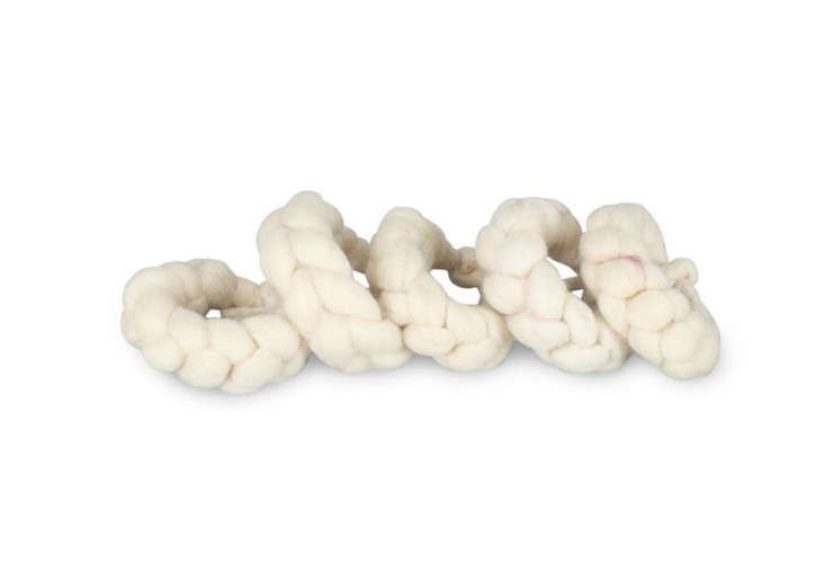
- Why Cream Knitted Napkin Rings Work on Basically Any Table
- Materials That Make Sense for Napkin Rings (Not Just for Photos)
- Napkin Ring Sizing: How to Get the Fit Right
- 3 Textures That Make Cream Knitted Napkin Rings Look Designer
- A Simple Pattern: Cream Ribbed Napkin Ring (Beginner-Friendly)
- Elevated Variations (Same Ring, Different Vibe)
- How to Use Napkin Rings in a Table Setting (Without Overthinking It)
- Finishing Touches That Make Them Look Store-Bought
- Care & Cleaning: Keeping Cream Looking Cream
- Troubleshooting (Because Yarn Has a Personality)
- Conclusion: Small Project, Big Table Energy
- Experience Notes: What You’ll Actually Experience Making Cream Knitted Napkin Rings (About )
Napkin rings are basically tiny belts for your napkinsexcept they don’t judge you for wearing the same outfit twice.
And when they’re cream knitted napkin rings, they do that magical “quiet luxury” thing where your table looks
like it belongs in a catalog… even if the main course is delivery pizza with a side of “we tried.”
In this guide, we’ll go beyond the cute factor. You’ll learn how to choose yarn that survives real life, how to size rings
so your napkins don’t look like they’re being squeezed by a python, and how to knit a few textures that read “expensive”
without requiring a second mortgage (or a knitting degree).
Why Cream Knitted Napkin Rings Work on Basically Any Table
Cream is the Switzerland of neutrals: it plays nicely with modern, farmhouse, coastal, traditional, and “I found these plates
at a thrift store and now I’m emotionally attached” styles. Cream also softens the look of a table without screaming for
attention, which is exactly what you want from accessoriesunless you’re hosting a “Napkin Ring Fashion Week,” in which case,
carry on.
What makes cream look “high-end” instead of “plain”
- Texture does the talking. Ribbing, seed stitch, and small cables create shadow and dimension that reads luxe.
- Natural fibers feel elevated. Cotton and linen-blend yarns look crisp and intentional on a table.
- Consistency looks professional. A matching set in the same tone instantly feels curated.
Materials That Make Sense for Napkin Rings (Not Just for Photos)
Napkin rings live a glamorous life… right up until gravy happens. So the best yarn choice isn’t just “pretty.” It’s
durable, washable, and structured.
Best yarn types for cream knitted napkin rings
- Worsted-weight cotton: A top pick because it’s sturdy, holds shape well, and can usually handle regular washing.
- Mercerized cotton: Slight sheen, smoother texture, and a more “polished” lookgreat for formal tables or weddings.
- Cotton-linen blend: Beautiful texture and a natural, upscale vibe (often needs gentler care, so check the label).
Tools you’ll actually use
- Knitting needles (often US 6–8 works well for worsted cotton, but match your yarn label)
- Tapestry needle (for weaving ends and seaming)
- Scissors
- Measuring tape (because “about right” is a dangerous measurement)
- Optional: 1 small button per ring (for adjustable closure)
Napkin Ring Sizing: How to Get the Fit Right
The goal: a ring that slides on smoothly but doesn’t let your napkin droop like it’s lost the will to live.
Most napkin rings are roughly around a couple inches across on the inside, but you don’t need a “standard” to get this right
you just need your napkins.
Quick sizing method (no math headaches)
- Fold your napkin the way you’ll actually use it (don’t size for a fold you’ll never repeat).
- Wrap a measuring tape around the folded section where the ring will sit.
- Add a little ease (about the thickness of your finger). Cotton doesn’t stretch forever, and you want guests to slide it off easily.
- That number is your target finished circumference.
Pro tip: If you use chunky linen napkins or dramatic folds, knit the ring with a button closure (or a tiny overlap seam)
so it can expand when needed. Adjustable is the new fancy.
3 Textures That Make Cream Knitted Napkin Rings Look Designer
Cream is subtle, so texture is your best friend. These stitches are beginner-friendly but look like you paid someone with
a studio and perfect lighting.
1) Ribbed “Cuff” Napkin Rings
Ribbing is tidy, structured, and forgiving. It also stretches slightly, which helps with fit. A simple 2×2 rib looks classic,
like a cozy little sweater for your napkin.
2) Seed Stitch for Soft, Pebbly Texture
Seed stitch adds an elegant, nubby texture that reads handcrafted in the best way. It’s also great if you want a slightly thicker,
more substantial ring without switching yarn weights.
3) Mini Cables for “Quiet Luxury” Drama
Cables in cream are a power move. They look intricate, they photograph beautifully, and they give your table that “somebody here
owns linen curtains” energy. Even one small cable panel can make the whole ring feel special.
A Simple Pattern: Cream Ribbed Napkin Ring (Beginner-Friendly)
This is a clean, classic pattern you can customize easily. Knit it flat, seam it, and you’re done. (Yes, it’s okay if you talk
to it like a tiny scarf while you knit. Many makers do.)
Pattern overview
- Construction: Knit flat, seam into a loop
- Texture: 2×2 ribbing
- Yarn: Worsted cotton in cream
- Skills: Cast on, knit, purl, bind off, seam, weave ends
Steps
- Cast on a small number of stitches for a band about 1.5–2 inches tall (adjust to taste).
-
Work 2×2 rib (knit 2, purl 2) across each row until the band length matches your target circumference
(with a little ease so the napkin slides comfortably). - Bind off in pattern (keep it neatnot too tight).
-
Finish: Seam the short edges together using a mattress stitch for a nearly invisible join.
Weave in ends securely.
Upgrade idea: Seam it with a tiny overlap and add one buttonnow it opens like a bracelet and fits thicker napkin folds.
Elevated Variations (Same Ring, Different Vibe)
Wedding-worthy “Pearl” look
Use mercerized cotton in a warm cream and keep the stitch pattern simple (ribbing or smooth stockinette with a tidy border).
The slight sheen reads formal without being flashy.
Farmhouse cozy
Choose matte cotton with a slightly rustic twist. Seed stitch or wide ribbing pairs beautifully with stoneware, wood chargers,
and linen napkins.
Holiday-ready without going full glitter tornado
Keep the rings cream and add a removable accent: a sprig of rosemary tucked under the ring, a tiny cinnamon stick, or a simple
name tag tied with twine. Your table becomes festive, but still classy.
How to Use Napkin Rings in a Table Setting (Without Overthinking It)
There are a few traditional placements, but the best “rule” is: make it easy for guests. If you’re doing place settings,
a napkin in a ring can go on the plate or to the left of the forksboth look polished.
Easy styling formulas
- Casual dinner: Ringed napkin on the plate + simple flatware = effortless.
- Brunch: Ringed napkin left of the plate + a mug + a small bloom = relaxed but pretty.
- Formal-ish: Ringed napkin centered on the charger or plate + layered glassware = special-occasion energy.
If you’re hosting a big meal (Thanksgiving, holiday dinner, birthdays), cream napkin rings are a smart choice because they don’t fight
with seasonal colors. They’ll happily sit next to cranberry reds, evergreen greens, or spring florals without starting a style argument.
Finishing Touches That Make Them Look Store-Bought
Weave ends like you mean it
Napkin rings get handled a lot. Weave ends back and forth through stitches, and give them a gentle tug test. If it moves, weave more.
(Your future self will thank you when one doesn’t unravel mid-dinner like a dramatic soap opera.)
Block lightly for a crisp shape
Cotton loves a gentle reshape. A quick wet block (or light steam, depending on the fiber) helps cables pop and ribbing sit neatly.
Don’t over-stretchnapkin rings should be structured, not floppy.
Care & Cleaning: Keeping Cream Looking Cream
Cream is gorgeous, but it’s also the color most likely to “collect memories.” The good news: cotton yarn is usually very washable.
The key is to follow the yarn label and choose a method that protects the shape.
Low-stress care routine
- After use: Shake out crumbs (tiny victory) and spot clean anything obvious right away.
- Washing: Use cool or warm water (depending on yarn instructions) and mild detergent.
- Protect shape: Put rings in a mesh laundry bag so they don’t get stretched or snagged.
- Drying: Lay flat to dry if you want maximum shape control; reshape while damp.
- Storage: Store flat in a small box or drawer; avoid squishing them under heavy items.
Note: Some cottons can shrink slightly in heat, so if you want the rings to stay perfectly sized, avoid high dryer settings
unless your yarn label explicitly says it’s safe.
Troubleshooting (Because Yarn Has a Personality)
“My ring is too tight.”
Add a few more rows (length) or switch to a slightly larger needle size. If you’re already seamed, add a button closure so the ring can open.
“My ring is too loose.”
Reduce length or use a smaller needle size for tighter stitches. Ribbing also helps by hugging the napkin a little more.
“The seam is obvious.”
Use mattress stitch and align your rib columns carefully. For extra stealth, seam from the inside and turn the ring right-side out afterward.
“It curls.”
Stockinette likes to curl. Fix it with a border (garter stitch edges) or choose a non-curling texture like ribbing or seed stitch.
Conclusion: Small Project, Big Table Energy
Cream knitted napkin rings are one of those rare DIY wins: quick enough to finish, classy enough to reuse, and flexible enough
to work with almost any table style. Knit a simple ribbed set for everyday dinners, add cables for special occasions, and keep your
yarn choice practical so you don’t panic every time someone reaches for the gravy.
Most importantly, they add a little handmade warmth to the tablethe kind of detail people notice, even if they can’t name it.
(“Something about this feels fancy,” they’ll say. And you’ll smile mysteriously, like the napkin ring magician you are.)
Experience Notes: What You’ll Actually Experience Making Cream Knitted Napkin Rings (About )
Below are common, very relatable “maker moments” you can expect when you start knitting cream napkin ringswritten in a practical,
experience-based style so you know what the process feels like in real life.
First, you’ll probably underestimate how much texture matters in cream. In darker colors, almost any stitch looks intentional.
In cream, the stitches become the whole personalitylike a quiet person at a party who turns out to be the most interesting one there.
Many crafters start with stockinette because it’s simple, then immediately discover the curling situation and pivot to ribbing
(a classic “I learned something today” moment). Once you see how crisp ribbing looks, you’ll get that tiny spark of confidence that
makes you want to knit “just one more set,” which is how napkin ring collections begin.
Next, you’ll run into the surprisingly emotional topic of napkin thickness. If you test your ring on a thin cotton napkin
and then switch to thick linen, the ring may feel tighter than expected. This is usually where people discover the genius of a
button closure: it turns your ring into an adjustable little accessory that fits multiple folds. If you host regularlyor even if you
just love changing your table lookthis is one of those “why didn’t I do this sooner?” upgrades.
Another common experience: cream yarn will make you feel like a responsible adult. It looks clean, calm, and timeless while you knit it.
Then you put it on the table and realize life is messy. The first time someone touches a cream ring with hands that recently met a bread roll,
you’ll understand why washable cotton is the MVP. The good news is that most cotton rings clean up well, especially if you spot clean quickly.
People often keep a gentle stain remover pen nearby during the holidaysnot because the table is fragile, but because the table is living its best life.
You’ll also notice that guests react to handmade details in a very specific way. They might not comment on your plates,
but they’ll pick up a ring and say, “Did you make this?”usually with genuine surprise. That’s the charm: napkin rings are small enough to feel
approachable, but special enough to stand out. Some makers even knit a few extras because guests “accidentally” fall in love and want to take one home.
(If this happens, you’re allowed to accept it as a compliment and also hide the nicest set next time.)
Finally, the most realistic experience of all: once you’ve made a cream set, you’ll start mentally styling tables everywhere.
You’ll see rosemary at the grocery store and think, “That would tuck under a napkin ring beautifully.” You’ll notice how cream looks next to gold flatware,
wood chargers, blue-and-white plates, or seasonal greenery. It turns into a fun little design habitone that makes hosting feel less like pressure
and more like play. And honestly, that’s the whole point: cozy, beautiful meals with details that make everyday life feel a bit more cared for.







 Close
Close