
Table of Contents >> Show >> Hide
- What “heirloomed” means (and why napkins absolutely qualify)
- Why linen earns heirloom status
- Choosing heirloom-worthy linen napkins
- How to care for linen napkins so they last (and get better)
- Stain playbook: saving napkins from life’s delicious chaos
- Storage: keeping heirloom napkins fresh between seasons
- Styling and etiquette: make the table feel “hosted,” not “staged”
- Sustainability: the quiet power of reusable napkins
- Gifting: how to turn linen napkins into a family keepsake
- Experience notes: what people discover after living with heirloomed linen napkins (about )
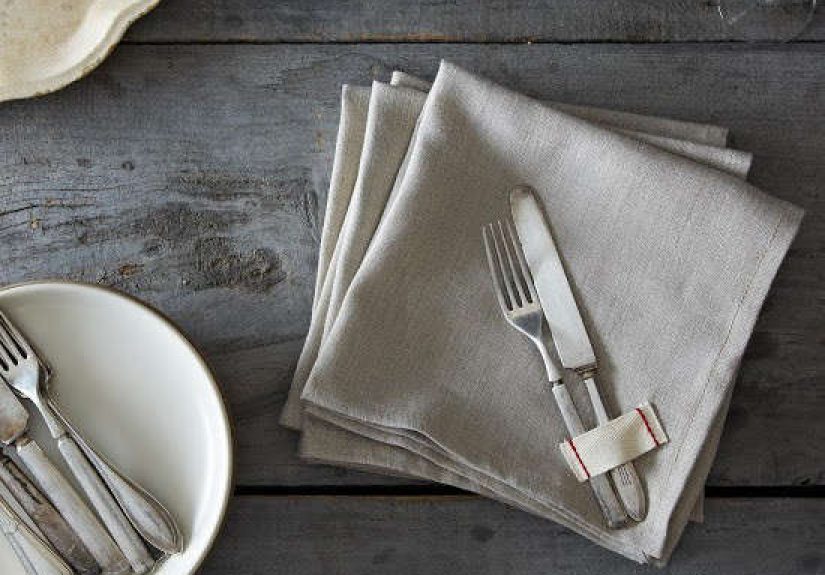
Let’s talk about the most underrated glow-up in the dining room: the humble napkin. Specifically,
heirloomed linen napkinsthe kind that make your Tuesday tacos feel like they deserve a place card.
If paper napkins are the “I’m fine, everything’s fine” of table settings, linen napkins are the calm, confident friend
who shows up with good shoes, a small bouquet, and absolutely no chaos.
This guide covers what “heirloomed” really means, why linen is the fabric that ages like a legend, how to choose napkins
worth keeping, and how to care for them so they don’t become “the nice napkins we’re scared to use.” And yesthere’s a
whole section on stains, because life happens and pasta sauce has zero respect for your dreams.
What “heirloomed” means (and why napkins absolutely qualify)
“Heirloomed” isn’t just a fancy adjectiveit’s a mindset. An heirloom is anything made well enough to outlast trends,
survive real use, and still feel special years later. We usually think of quilts, china, or a mysterious wooden spoon
that your family refuses to replace. But napkins can be heirlooms toobecause they carry memories:
holidays, birthdays, cozy dinners, awkward first hosting attempts, and that one dinner party where you forgot to serve the
main dish but the table looked amazing.
Heirloomed linen napkins often have a few telltale traits: quality fabric, strong finishing (think mitered corners
and neat hems), a timeless color or pattern, and sometimes personal touches like monograms or embroidery. The goal is
“use this often, love it forever,” not “hide it like it’s a museum artifact.”
Why linen earns heirloom status
Flax-to-fabric: linen’s origin story
Linen is made from the fibers of the flax plant. Unlike cotton, which comes from fluffy bolls, flax fibers come from the
plant’s stem (a “bast fiber”), which helps explain linen’s naturally strong, structured feel. Linen has been valued for
ages because it’s durable, breathable, and comfortable in heatbasically the overachiever of natural textiles.
The performance perks: absorbent, quick-drying, strong
A good napkin needs to do more than sit there looking cute. Linen is naturally absorbent and tends to dry quickly, which is
exactly what you want when someone reaches for a napkin after barbecue, berries, or a dramatic sip of red wine.
Linen is also notably strongand many sources note that flax-based fibers can be stronger than cotton and even gain strength
when damp, which is a pretty great trait for something that gets washed a lot.
The “wrinkle factor” (a.k.a. linen’s signature personality)
Linen wrinkles. Easily. Enthusiastically. Like it’s being paid per crease. But the good news is: wrinkles are part of the charm.
A softly rumpled linen napkin says “effortless,” not “I gave up.” If you want a crisp look, linen can be steamed or ironed.
If you want relaxed elegance, you can simply embrace the lived-in texture and move on with your life (and dessert).
Choosing heirloom-worthy linen napkins
Start with fabric quality, not just color
If you want napkins that feel substantial and last, look for 100% linen (or a linen-cotton blend if you prefer a slightly softer,
less wrinkly hand feel). Many high-quality linen goods are described as “washed” or “stonewashed,” meaning they’re pre-softened
for a relaxed texture right out of the package. Linen typically softens over time with washing, so “a little crisp at first” isn’t
a dealbreakerit’s a promise.
Size matters more than you think
The most common “dinner napkin” size you’ll see is around 18 inches square, which folds nicely and actually covers a lap
like it means business. Cocktail napkins are smaller (great for drinks and dessert), and oversized napkins can feel extra luxe
for formal meals. If you’re building a set, choose one main size you’ll use constantly, then add smaller ones later if you want.
Finishes that scream “keep me forever”
- Mitered corners: cleaner, stronger corners that resist fraying.
- Hemstitching: a classic detail that reads vintage without feeling fussy.
- Monograms/embroidery: turns “nice napkins” into “family napkins.”
- Colorfast dyeing: helps patterns stay handsome after frequent washing.
Color strategy: build a set you’ll actually use
If you want heirloom napkins, pick shades and patterns that can handle regular life. Neutrals (white, flax, oatmeal, charcoal)
mix effortlessly. A simple stripe or gingham adds personality without locking you into one season.
A smart approach is a “core set” (everyday) plus a “spark set” (holidays, birthdays, guests, your own morale).
How to care for linen napkins so they last (and get better)
Washing: the gentle routine that pays off
Linen napkins are typically machine washable, but you’ll get the best results with a few consistent habits:
- Wash after each use (food oils can set if left too long).
- Use cool or lukewarm water to help protect fibers and reduce fading.
- Choose mild detergent and avoid overdoing it (excess detergent can leave residue).
- Skip fabric softener; linen naturally softens as it’s washed.
- Separate lights and darks, especially early in the napkin’s life.
Drying: how to minimize wrinkles without turning laundry into a second job
Linen can be air-dried or tumble-dried on low heat. For fewer wrinkles, remove promptly and smooth the napkins with your hands.
If you love a crisp look, iron while the fabric is slightly damp or use steam. If you love the relaxed look, fold neatly and call it
“French.” (No one can prove you’re wrong.)
Ironing and steaming: choose your own adventure
For a formal table, steam or iron napkins so folds look sharp. For everyday meals, a simple press with warm iron on damp fabric
can be enough. A handheld steamer is also excellent for quick touch-ups when guests are on the way and you’re not emotionally
available for a full ironing session.
Stain playbook: saving napkins from life’s delicious chaos
The golden rule: don’t bake stains in with heat. Treat first, then wash, and only use the dryer if the stain is gone.
Here are common napkin disasters and what to do about them.
Grease (butter, salad dressing, oily sauces)
- Blot (don’t rub) to lift excess oil.
- Apply a small amount of grease-cutting dish soap and gently work it in.
- Rinse with cool water, then launder as usual.
Tomato, berries, coffee, and “why is this so pigmented?” stains
- Rinse from the back of the stain with cool water.
- Pre-treat with a stain remover or an enzyme-based detergent.
- For whites or color-safe linens, an oxygen bleach soak can help.
Red wine (the classic villain)
- Blot immediately.
- Rinse with cool water and pre-treat.
- Wash promptly; consider oxygen bleach for lingering discoloration on colorfast napkins.
Candle wax (because ambiance is messy)
- Let wax harden, then place the napkin in the freezer briefly.
- Gently scrape off hardened wax with a dull edge.
- Launder normally; treat any oily residue before drying.
Ink (the “who gave the pen to the toddler?” situation)
- Rinse under cool water if recommended for the ink type; avoid hot water early on.
- Use a pre-wash stain remover, and repeat before drying if needed.
Storage: keeping heirloom napkins fresh between seasons
Linen loves clean, dry, breathable storage. Before putting napkins away for the season:
- Wash everything first (invisible food oils can yellow over time).
- Make sure napkins are completely dry to prevent mildew.
- Store in a cool, dry place away from direct sunlight.
- Use breathable fabric bags or wrap in acid-free tissue for extra protection.
Bonus tip: rotate folds occasionally if napkins sit for months. Repeated sharp creases in the same spot can stress fibers over
time, especially with very crisp ironing.
Styling and etiquette: make the table feel “hosted,” not “staged”
Where the napkin goes
For most settings, place the napkin on the plate or to the left of the forks. Putting it under utensils can be awkward when guests
reach for it first. Keep it simple and accessible.
Easy folds that look expensive
- The relaxed rectangle: fold in half, then in thirds; set on the plate.
- The soft knot: loosely tie the napkin and tuck endsgreat for casual dinners.
- The roll + ring: roll and slide into a napkin ring for quick polish.
- The “pocket” fold: fold into a rectangle and tuck flatware inside for a neat look.
Mixing patterns without chaos
A foolproof formula: one neutral solid + one simple pattern (stripe/gingham) + one seasonal accent. Keep the rest of the table
calm (plates and glassware), and the napkins become the star without starting a fight with the centerpiece.
Sustainability: the quiet power of reusable napkins
Switching from disposable napkins to linen doesn’t require a lifestyle overhauljust a drawer and a laundry rhythm. Many people
find cloth napkins make everyday meals feel more intentional, and they reduce the constant cycle of buying, storing, and tossing
paper goods. Linen’s durability also means your “cost per use” often drops dramatically over time, especially if you build a set
you truly use rather than save for a fictional future.
Gifting: how to turn linen napkins into a family keepsake
Linen napkins make thoughtful gifts because they’re practical, beautiful, and easy to personalize. A monogram, a stitched date,
or even a family initial can transform a napkin set into a “forever” itemperfect for weddings, housewarmings, anniversaries, or
anyone who just bought their first dining table and is feeling grown-up about it.
If you’re building your own heirloom set, consider starting with eight to twelve dinner napkins in a core color, then adding four
seasonal or patterned napkins each year. Over time, you’ll have a collection with a storywithout needing to buy everything at once.
Experience notes: what people discover after living with heirloomed linen napkins (about )
People often assume “heirloom” means “too nice to use,” but the funniest thing happens once linen napkins enter the daily routine:
they stop feeling precious and start feeling normalin the best way. Many hosts describe a small shift in mood the first week.
Breakfast feels calmer. Dinner feels more “finished.” It’s not that linen napkins magically fix your life; it’s that they create a tiny
ritual that tells your brain, “We’re here. We’re eating. This matters.”
One common learning curve is the laundry rhythm. At first, people worry they’ll be washing napkins constantly, but most end up
tossing them in with towels or other household linens on a gentle cycle. The biggest “aha” moment is realizing how forgiving linen is:
a quick rinse, a prompt wash, and most everyday messes disappear. The fabric’s texture also hides minor wear in a way that feels charming,
not shabbylike the difference between a scuffed leather bag and a peeling faux one. Linen looks like it’s living a full life, and that’s kind of the point.
Stains become less scary once you build a simple system. Lots of people keep a small stain stick or spray near the laundry area
and treat napkins as they go. Tomato sauce? Pre-treat. Dressing? Dish soap. Wax? Freezer. After a few saves, confidence grows fast.
The real milestone is when someone casually says, “Oh, just use the linen napkins,” even when kids, pizza, or ribs are involved.
That’s the heirloom threshold: when the item is both valued and used.
Another unexpected perk is how linen napkins influence table styling without extra effort. People who “aren’t decorators” suddenly
find themselves folding napkins into simple rectangles, adding a little sprig of rosemary, or using a napkin ring that’s been in a drawer
since 2016. Linen’s natural drape and texture do a lot of visual work on their own. Even a plain white plate looks more intentional next to
a soft flax-colored napkin. It’s one of the easiest ways to upgrade a meal without buying new dishes or redesigning the dining room.
Finally, there’s the memory factor. Over time, napkins become quiet witnesses: the set you used for a first holiday in a new home, the napkins
that show up in family photos, the ones a guest complimented, the ones you pulled out on a hard day because you wanted the comfort of something familiar.
That’s how “heirloomed” happens in real lifenot through perfection, but through repetition, care, and the soft accumulation of ordinary moments.




 Close
Close