
Table of Contents >> Show >> Hide
- Why Game Rooms Are Making a Comeback
- The Coolest Game Rooms Don’t Try to Do Just One Thing
- Comfort Is the New Luxury
- Lighting Is Doing a Lot of Heavy Lifting
- Color, Texture, and Materials Are Getting Moodier
- Storage Is No Longer an Afterthought
- The Bar, Snack Zone, and “Tiny Hospitality” Effect
- The Best Game Rooms Feel Personal, Not Theme-Parky
- What Designers Know That Homeowners Sometimes Miss
- How to Bring the Look Home Without a Full Renovation
- Experience Notes: What These New Game Rooms Feel Like in Real Life
- Conclusion
- SEO Tags
For a while, the game room had a reputation problem. It was either imagined as a neon-blasted teenage lair, a basement full of mystery wires, or a “man cave” with the decorative charm of a sports bar that had lost custody of its bar stools. But lately, designers have been giving the category a glow-up. Today’s game rooms are smarter, sleeker, moodier, and far more flexible. They’re less “random foosball table in a sad corner” and more “beautifully designed social hub where someone can play chess, someone else can watch a movie, and everyone can still find the good snacks.”
That shift matters because people want rooms that actually get used. Instead of dedicating square footage to formal spaces that sit around looking pretty and emotionally unavailable, homeowners are leaning toward rooms built for connection. A game room now might be a lounge with a card table, a basement with a wet bar and media wall, a stylish attic retreat with vintage arcade pieces, or even a living room corner that transforms into game-night central with the help of a convertible table and a few extra chairs.
In other words, game rooms are back, but they’ve returned wearing better shoes.
Why Game Rooms Are Making a Comeback
The modern comeback starts with one simple idea: people want their homes to do more. Designers are treating spare rooms, basements, lofts, and awkward corners as opportunities rather than leftovers. That means the new game room is rarely a one-note space. It is usually a multitasker, serving as part lounge, part media room, part bar, part reading nook, and part low-stakes battleground for family Uno arguments.
This evolution also reflects a broader change in how people entertain at home. Instead of designing for rare, fussy occasions, homeowners are building spaces around regular, relaxed hangouts. A great game room supports spontaneous fun. It welcomes movie marathons, card nights, birthday chaos, cocktail hours, rainy Saturdays, and the sort of long, rambling evenings where someone says, “One more round,” six times in a row.
That is why designers are no longer treating game rooms as novelty spaces. They are designing them like real rooms, with the same attention given to living rooms, libraries, and home bars. The result is a category that feels more grown-up, more polished, and a lot more livable.
The Coolest Game Rooms Don’t Try to Do Just One Thing
If there is one defining move in today’s best game rooms, it is zoning. Designers are breaking rooms into functional areas so the space works for different moods and different people at the same time. One zone might center around a game table for cards, puzzles, or board games. Another might include a plush sofa and lounge chairs for spectators, readers, or anyone who came for the company but not the competition. Add a bar cart, snack cabinet, or beverage station, and suddenly the room works like a miniature hospitality suite.
This zoning strategy is especially effective in open basements and bonus rooms. A billiards table can anchor the active side of the room, while a fireplace wall, bookcase, or sectional softens the lounge side. In smaller homes, zoning matters even more. A landing, den corner, or part of a family room can become a game zone with a round table, stylish chairs, and closed storage that keeps the area from looking like the aftermath of a particularly aggressive Scrabble match.
How designers make zoning feel intentional
They use rugs to define activity areas, lighting to create mood shifts, and furniture placement to gently separate functions without building walls. A pendant above the game table says, “This is where the action happens.” A floor lamp beside a lounge chair says, “This is where the winner goes to gloat in peace.”
Comfort Is the New Luxury
A game room can look fantastic, but if the chairs are uncomfortable after 20 minutes, the room has failed its most important exam. Designers know game nights run long, so seating is getting a major upgrade. Think upholstered dining chairs instead of hard stools, swivel chairs that let people turn toward the TV or the table, daybeds tucked into alcoves, and sectionals deep enough to encourage lingering.
Comfort is one reason game rooms feel cooler now. The space is not designed like a showroom. It is designed to hold people for hours. That means soft textures, forgiving upholstery, generous seat depth, and flexible pieces that can shift when the crowd changes. A built-in banquette can make a corner feel cozy and efficient. An ottoman can double as casual seating. A convertible game table can serve as a cocktail table when there is no competition underway.
Even rooms built around classic pieces like ping-pong tables or pool tables are becoming more refined. Designers are choosing sculptural tables, elevated finishes, leather details, and tailored materials that help the room blend with the rest of the house. This is not your cousin’s garage setup with one flickering fluorescent tube and a poster held up by pure denial.
Lighting Is Doing a Lot of Heavy Lifting
Good lighting may be the biggest difference between an old-school rec room and a modern designer game room. Today’s spaces are moving away from flat, harsh overhead lighting and toward layered illumination. That usually means a mix of pendants, sconces, table lamps, picture lights, and subtle accent lighting on shelves or built-ins.
The goal is balance. You want enough brightness to read cards, line up a shot, or see the board clearly, but not so much that the room feels like a dentist’s office with better snacks. Designers are also using lighting decoratively, which is part of what makes these rooms feel richer. A statement fixture over the game table creates a focal point. Rechargeable lamps on shelves add warmth without complicated wiring. Under-cabinet or bar lighting gives the room a lounge-like glow.
Basements benefit especially from this approach. Because they often lack generous natural light, layered lighting can make them feel intentional rather than improvised. Plug-in sconces, low-profile flush mounts, and lamps scattered around the room help create depth and softness. The best game rooms do not just light the whole room evenly; they create atmosphere.
Color, Texture, and Materials Are Getting Moodier
Designers are also making game rooms cooler by leaning into richer, more immersive materials. Warm woods, textured plaster, dark paint, velvet upholstery, leather accents, patterned wallpaper, and saturated color palettes are showing up more often. The effect is part clubroom, part library, part boutique hotel lounge.
That does not mean every game room has to be dark and dramatic. But many of the strongest spaces embrace mood. Color drenching, where walls, trim, and even ceilings are wrapped in one tone, can make a room feel transportive and cocoon-like. Deep green, brown, navy, oxblood, charcoal, and earthy clay tones are especially effective when paired with brass, walnut, or stone. These shades help a game room feel grown-up while still giving it a slightly mischievous edge.
Texture is equally important. The coolest rooms layer materials so the space feels tactile and inviting. A wool rug under a game table reduces noise and adds softness. A leather banquette brings durability and polish. A textured backsplash behind a bar gives the eye something fun to land on. Even a room with only a few bold moves can feel unforgettable if the materials are chosen with intention.
Storage Is No Longer an Afterthought
Every beautiful game room is secretly an organization story. Designers understand that fun generates stuff: game boxes, cards, controllers, cables, blankets, extra paddles, cue sticks, coasters, headphones, and enough rogue dice to start a tiny plastic empire. Without storage, the room quickly shifts from “stylish hangout” to “yard sale with a sofa.”
That is why storage is getting smarter and more discreet. Acrylic trunks, built-in cabinets, drawers hidden under benches, under-table storage, shelving for snacks and barware, and multifunctional furniture are all doing important behind-the-scenes work. Closed storage is especially useful because it keeps the room feeling calm when the games are over.
This is one of the biggest reasons modern game rooms succeed. They are playful without looking cluttered. Everything has a place, which means the room can pivot quickly from family board game marathon to cocktail hour to movie night without breaking a sweat.
The Bar, Snack Zone, and “Tiny Hospitality” Effect
Another major upgrade is the rise of the mini refreshment zone. Sometimes that means a full wet bar with cabinetry, glassware, and a beverage fridge. Sometimes it is a dry bar tucked into a former closet. Sometimes it is just a killer cart, a shelf with pretty bottles, and a cabinet that hides chips before guests arrive and after children discover them.
Whatever form it takes, this feature changes the room. A game room with easy access to drinks and snacks feels more complete, more social, and more self-contained. People do not have to keep wandering into the kitchen and missing all the good trash talk. This hospitality element also helps explain why game rooms are feeling more sophisticated. They are being designed like entertaining spaces, not just activity zones.
Even small homes can borrow this idea. A cocktail corner, a coffee station, or a shelf with sparkling water, glasses, and a bowl of fancy mixed nuts can make the room feel considered. No one has ever complained that a stylish room was too convenient.
The Best Game Rooms Feel Personal, Not Theme-Parky
The old version of the game room often leaned too hard on one big gimmick. Everything matched the sports team. Everything was neon. Everything screamed “fun” so loudly that it forgot to be tasteful. Designers today are taking a more personal approach.
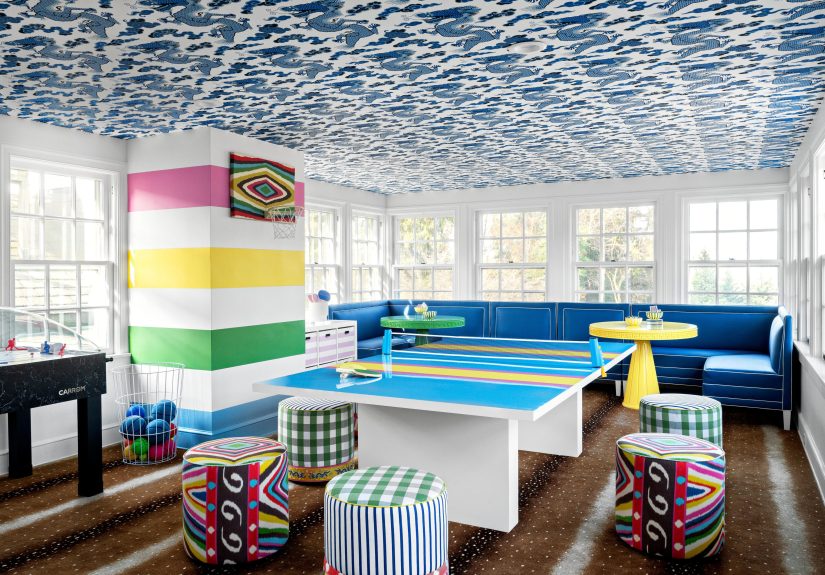
Instead of obvious themes, they are weaving in personality through art, collected objects, vintage games, music gear, books, textiles, and custom details. Framed game boards can become wall art. A grand piano can share the room with a chess table. A vintage arcade machine can be balanced by tailored upholstery and a beautiful rug. A family that loves poker might choose a moody club-inspired palette, while a household with younger kids might opt for durable fabrics, playful shapes, and brighter color.
This is what makes the new game room feel cool rather than cheesy. It reflects the people who use it. It is not pretending to be a commercial arcade or a sports bar. It is a home space with style, humor, and enough personality to make guests say, “Okay, now I want one.”
What Designers Know That Homeowners Sometimes Miss
Game rooms work best when they are edited. You do not need every possible game, every possible screen, and every possible seating style all crammed into one room like a design version of overpacking for vacation. The smartest spaces pick a lead function and support it beautifully.
If your household loves board games, center the room around a great table, excellent chairs, and easy-access storage. If movie nights are the priority, start with acoustics, sightlines, and soft seating. If you entertain constantly, build around the bar and lounge flow. If your room needs to serve many ages, choose durable finishes, washable textiles, and layouts that leave room to move.
Designers also know when to leave breathing room. A game room should invite activity, but it should not feel crowded. Circulation matters. Pool tables need clearance. Seating should not block movement. Shelving should be reachable. Lighting should work for both atmosphere and actual seeing, which is helpful if you want your guests to identify cards without filing a formal complaint.
How to Bring the Look Home Without a Full Renovation
You do not need a sprawling basement and a designer budget to capture this trend. Start with a single game-friendly zone. Choose a table that can multitask. Add comfortable seating. Layer in warm lighting. Bring in a rug to soften the room. Use closed storage so the setup looks polished when not in use. Then add one personality move, whether that is a bold paint color, a bar nook, a vintage game piece, or a gallery wall built from framed boards and playful art.
The point is not to force a room into a trend. It is to create a space that people genuinely want to use. That is why game rooms are back in the first place. They make home life feel more social, more relaxed, and more memorable. And unlike a formal sitting room that gets used twice a year, a well-designed game room earns its square footage over and over again.
So yes, game rooms are cooler than ever. Not because they are louder, flashier, or packed with more gadgets, but because designers finally understand the assignment: make the room beautiful enough to admire, comfortable enough to stay in, and fun enough that nobody checks the time until it is way too late.
Experience Notes: What These New Game Rooms Feel Like in Real Life
Spend an evening in one of these updated game rooms and the difference becomes obvious almost immediately. The room does not announce itself with gimmicks. It pulls you in more subtly than that. There is probably a lamp glowing in one corner, a table ready in the center, and a sofa that looks suspiciously committed to keeping you there for the next three hours. Someone pours a drink. Someone else starts shuffling cards. Another person says they are “just watching,” and 20 minutes later they are fully invested and accusing everyone of bluffing badly.
That is the secret sauce of the modern game room: it creates momentum without pressure. It feels relaxed, but it also feels prepared. The chairs are actually comfortable. The lighting is low enough to feel cozy but bright enough that nobody has to hold cards up to their forehead like they are trying to contact satellites. There is a place to set a drink, a place to stash a blanket, and a place to put the game away when the night pivots from competition to conversation.
In family homes, these rooms often become the most democratic space in the house. Teenagers use them differently than adults, and adults use them differently than little kids, but somehow the room still works. On Friday, it might host pizza and Mario Kart. On Saturday, it becomes a grown-up cocktail lounge with backgammon and jazz. On Sunday afternoon, it turns into puzzle headquarters while a movie murmurs in the background. Very few rooms can shape-shift like that without losing their identity.
There is also something charmingly low-tech about many of the best examples. Yes, some include screens, speakers, and serious gaming setups. But many of the coolest spaces are built around analog fun: cards, chess, checkers, billiards, shuffleboard, books, records, conversation. In a house full of devices, a room that gets people looking at each other instead of only at screens feels surprisingly luxurious.
The atmosphere matters, too. Rich paint colors make the room feel enveloping. Textured materials soften sound and encourage people to settle in. A tiny bar or snack station makes the room feel generous. Even little design choices, like a rechargeable lamp on a shelf or a velvet chair in a corner, change the emotional tone. The room says, “Stay awhile.” And because everything has been thought through, staying awhile is easy.
That may be why these rooms leave such a strong impression. They are not just attractive spaces; they are memory-making spaces. This is where rematches happen, where family stories get repeated, where guests drift naturally at the end of a party, and where ordinary nights become the ones everyone remembers later. The modern game room is less about showing off and more about giving people a reason to gather. Honestly, that may be the coolest design move of all.
Conclusion
The return of the game room is really the return of intentional fun at home. Designers are proving that these spaces do not need to be cheesy, cluttered, or cut off from the rest of the house. With better lighting, more comfortable seating, smarter storage, moodier finishes, and layouts that support everything from chess to cocktails to movie nights, game rooms have evolved into stylish, hardworking social spaces.
The best ones feel welcoming, personal, and flexible. They are places where design and downtime stop pretending to be strangers. And in a home world increasingly focused on comfort, personality, and spaces that truly earn their keep, that makes perfect sense. The game room is back. This time, it brought taste.






 Close
Close