
Table of Contents >> Show >> Hide
- Why Ice Feels So Satisfying to Chew
- What Chewing Ice Actually Does to Your Teeth
- Signs Chewing Ice May Already Be Hurting Your Teeth
- Why Some People Crave Ice So Much
- How to Stop Chewing Ice Without Feeling Miserable
- When You Should Call a Dentist Right Away
- The Bottom Line: Ice Is for Chilling, Not Chewing
- Extended Reader Experience Section: What This Habit Often Feels Like in Real Life
- Conclusion
Note: Body-only HTML, ready for web publishing.
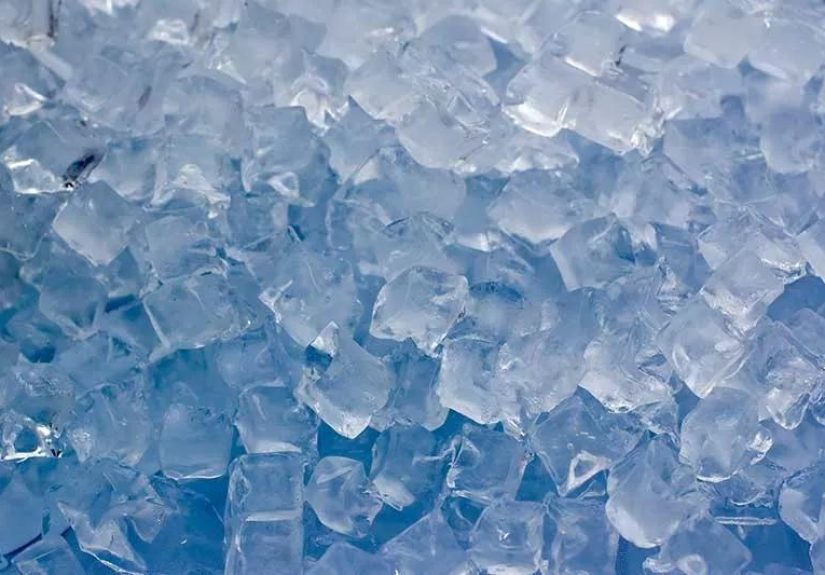
You know the scene: you finish your iced coffee, glance at the lonely cubes left in the cup, and think, Well, it would be rude to waste them. Crunch. Crunch. Crunch. It feels oddly satisfying, almost like bubble wrap for your mouth. Unfortunately, your teeth do not experience that same joy. To your enamel, chewing ice is less “refreshing little habit” and more “tiny frozen wrecking ball.”
At first, ice seems innocent. It is just frozen water, after all. No sugar. No sticky syrup. No neon food coloring. It even looks wholesome. But your teeth do not judge food by personality. They judge by pressure, hardness, and temperature. Ice scores high on all three, which is exactly why dentists keep giving it the side-eye.
If you regularly chew ice, this article will explain what it can do to your teeth, why the habit can become a real problem, what symptoms to watch for, and how to stop before your molars file a formal complaint.
Why Ice Feels So Satisfying to Chew
Let’s be fair for a second: ice chewing has excellent marketing. It is cold, crunchy, and easy to find in nearly every drink. For some people, it is a mindless habit, like pen-clicking or doodling in the margins of a notebook. For others, it is tied to stress, boredom, or the simple pleasure of texture.
Some people especially love the snap of nugget ice, shaved ice, or the smaller cubes from restaurant drinks. Others want the intense cold sensation more than the crunch itself. Either way, the mouth gets used to the ritual. The hand lifts the cup, the jaw gets ready, and the teeth bravely volunteer for a job they were not designed to do.
Human teeth are strong, but strength is not the same as invincibility. Teeth are built to chew food, not pulverize hard frozen crystals over and over again. That repeated force matters more than many people realize.
What Chewing Ice Actually Does to Your Teeth
1. It can chip or crack your teeth
This is the big one. Ice is hard. Enamel is also hard. When two hard surfaces slam against each other, something eventually gives. Sometimes it is the ice. Sometimes it is your tooth. That is not exactly a dental lottery worth playing.
You may not always see a dramatic broken tooth right away. In many cases, the damage begins with tiny stress lines or small chips. Over time, those little injuries can grow into larger cracks, especially if you also clench your jaw, grind your teeth at night, or already have a weakened tooth from prior dental work. One enthusiastic chomp on a cube can be the moment your tooth says, “I’m out.”
Molars are often the silent heroes and silent victims here. They do most of the heavy chewing, so they are frequently the ones taking the force. But front teeth are not safe either. A quick bite from the wrong angle can chip an edge you have had since childhood.
2. It can wear down enamel
Enamel is the tough outer layer of your teeth. It protects the more sensitive inner structures from daily chewing, hot coffee, cold drinks, and all the other chaos of modern life. Chewing ice puts that protective layer under repeated mechanical stress.
Even if you do not crack a tooth outright, repeated ice chewing can contribute to enamel wear. Once enamel is damaged, it does not grow back. Your body is impressive, but it does not come with a refill station for tooth enamel.
When enamel thins, teeth can look duller or slightly more translucent at the edges. They may also become more sensitive to cold, heat, sweets, or pressure. So yes, the very thing you love chewing can make you hate cold drinks later. Life is cruel like that.
3. It can make sensitive teeth even worse
If you already have mild tooth sensitivity, chewing ice is basically like poking a bruise to see if it still hurts. The cold can irritate exposed dentin or areas where enamel is worn. That can trigger quick, sharp zings of pain or a more lingering ache.
People sometimes mistake this for a random toothache and keep chewing anyway. But temperature sensitivity can be a sign that something is off, whether it is enamel wear, a crack, gum recession, or a cavity. In other words, if your teeth are sending you an icy warning shot, listen.
4. It can damage fillings, crowns, veneers, and other dental work
Your natural teeth are not the only things at risk. Chewing ice can also damage existing dental work. Fillings can crack, crowns can loosen, veneers can chip, and older restorations can fail under repeated pressure.
This is one of the sneakiest problems with the habit. You may think, “My tooth seems fine,” until a filling breaks during lunch three weeks later and suddenly peanut butter toast becomes a high-stakes event. If you have invested time and money into dental work, chewing ice is not a very kind way to say thank you.
5. It can stress your jaw muscles and jaw joints
Chewing anything hard can put extra strain on the jaw, especially if you do it often. If you already deal with jaw clicking, facial soreness, headaches, or TMJ-related discomfort, ice chewing may make those symptoms worse.
That constant hard crunching forces your chewing muscles to work harder than they need to. Over time, the jaw can get irritated, tight, or fatigued. It may not feel dramatic at first. It might just seem like your face is weirdly tired after a drink. That is still a clue.
Signs Chewing Ice May Already Be Hurting Your Teeth
Not everyone who chews ice immediately breaks a tooth. Sometimes the warning signs are more subtle. Watch for these clues:
- Sharp pain when biting down
- Sensitivity to cold drinks, hot foods, or sweets
- A rough or jagged edge on a tooth
- A filling that suddenly feels different
- Jaw soreness after chewing
- Small pieces of tooth in your mouth after crunching
- A hairline crack or dark line on a tooth
- Pain that comes and goes when chewing
If any of these sound familiar, it is a good idea to book a dental appointment. Cracks are tricky because they do not always show up in obvious ways. A tooth can be damaged and still look mostly normal until it becomes a much bigger problem.
Why Some People Crave Ice So Much
Sometimes chewing ice is just a habit. But sometimes it is more than that.
Pagophagia and iron deficiency
A strong, persistent urge to chew ice has a name: pagophagia. It is a form of pica, which involves cravings for substances with little or no nutritional value. Pagophagia is often associated with iron deficiency, with or without anemia.
That does not mean every person who chews ice has low iron. But if the craving feels intense, daily, and hard to resist, it may be worth mentioning to a doctor. People are often surprised to learn that an ice habit can be a clue pointing beyond the mouth and toward a broader health issue.
In practical terms, if you are going through cups of ice every day like it is a side dish, your body may be trying to tell you something. Teeth are chatty, but the rest of the body can send messages too.
Stress, boredom, and sensory comfort
For other people, chewing ice works like a stress response. It can become a repetitive, calming behavior tied to work, studying, driving, or anxiety. The cold sensation and crunchy texture provide a kind of sensory satisfaction that is hard to replace.
Unfortunately, your teeth do not care whether you are stressed, busy, or trying to survive another Monday. Damage is damage. That is why it helps to identify the trigger behind the habit instead of only fighting the habit itself.
How to Stop Chewing Ice Without Feeling Miserable
Breaking the habit does not have to mean giving up cold drinks forever. It means finding smarter ways to keep the comfort while reducing the damage.
Choose cold, not crunchy
Let the ice melt instead of chewing it. You still get the cold sensation without turning your molars into amateur demolition equipment.
Use smaller behavioral swaps
Try chilled water without ice, or use a straw so the cubes are less tempting. Some people do better with sugar-free gum, especially if they like the mouth activity more than the ice itself. Just do not swap one harmful habit for another, like chewing pens or hard candy.
Change the routine trigger
If you only chew ice after lunch, at your desk, or while driving, focus on that moment. Replace the pattern with something else: sip water, chew sugar-free gum, stand up and stretch, or keep the cup away from reach once the drink is finished.
Get checked for an underlying cause
If the craving is intense or constant, ask your doctor about iron deficiency and mention pagophagia. If the habit has been going on for a while, let your dentist know too. That combination is ideal: one person checks the health reason, the other checks the dental consequences.
When You Should Call a Dentist Right Away
Do not wait it out if you have any of the following:
- A chipped tooth
- A cracked tooth or visible fracture
- Sudden pain when chewing
- A broken filling or crown
- Lingering sensitivity after chewing ice
- Swelling, bleeding, or significant jaw pain
Small dental problems tend to have a terrible sense of timing. Ignore them, and they often become expensive when you are least in the mood for an unexpected bill. A minor chip can sometimes be smoothed or repaired easily. A deeper crack may need more serious treatment. Early care matters.
The Bottom Line: Ice Is for Chilling, Not Chewing
Chewing ice might seem harmless because it does not contain sugar, dye, or anything sticky enough to haunt your molars overnight. But the problem is not what ice contains. The problem is what it does. It is hard, cold, and unforgiving. That combination can chip teeth, crack fillings, wear enamel, worsen sensitivity, and even aggravate jaw pain.
And if your ice craving feels strong, frequent, or strangely irresistible, do not shrug it off. In some cases, it may be a clue to iron deficiency or another underlying issue worth checking.
So go ahead and enjoy your drink cold. Just let the cubes do their actual job. They are there to keep your lemonade refreshing, not to audition as a contact sport for your front teeth.
Extended Reader Experience Section: What This Habit Often Feels Like in Real Life
One reason ice chewing sticks around so long is that the damage rarely begins with a dramatic movie scene where a tooth explodes and everyone screams. Usually, it starts quietly. Someone finishes a soda, crunches the leftover ice, and thinks nothing of it. Then it becomes part of the routine. At the office, after the gym, while driving home, during late-night studying, after every restaurant meal. It turns into a tiny habit that feels too small to matter.
Then the weird little experiences start. A person notices that one molar feels “off” after biting down. Nothing terrible, just a faint twinge. A week later, cold water stings one tooth in a way it never did before. Another person feels a rough edge with their tongue and realizes a tiny corner of a tooth has chipped. Someone else does not feel tooth pain at all at first, but their jaw feels tired, especially after chewing through a cup of pebble ice while answering emails.
Many people who chew ice also describe the habit as oddly automatic. They are not sitting there making a bold lifestyle choice called I will challenge my enamel today. It just happens. The drink is empty, the ice is there, and the chewing begins before the brain fully joins the meeting. That automatic quality is what makes the habit hard to quit. It is less about hunger and more about rhythm, stress relief, and sensory comfort.
There is also the surprise factor. People often assume that if something is made of water, it must be safe. So when a dentist points to a chipped filling or a cracked tooth and says, “Do you chew ice?” the reaction is often genuine disbelief. Ice has a healthy reputation it absolutely did not earn in the dental world.
Another common experience is realizing the habit feels different depending on the kind of ice. Some people think soft nugget ice is harmless because it is easier to crush. It may feel gentler than a solid cube, but regularly chewing any hard frozen material still puts unnecessary stress on teeth and restorations. Softer does not automatically mean safe. It just means the danger arrives wearing a friendlier outfit.
For people whose ice craving is tied to iron deficiency, the experience can be even stranger. They may crave ice intensely and specifically, not just cold drinks in general. It can feel soothing, urgent, and repetitive in a way that goes beyond ordinary habit. Once the underlying issue is addressed, some people notice the craving fades. That moment can be eye-opening: what felt like a quirky preference was actually a clue.
Perhaps the most relatable experience of all is regret. Not dramatic regret, just the everyday kind. The “I wish I had stopped sooner” kind. The “I thought it was harmless until I needed a repair” kind. The good news is that this habit is changeable. Once people understand why chewing ice is bad for their teeth, the behavior becomes easier to spot and replace. And that is a lot cheaper than asking your dentist to glue your confidence back together after a surprise crack in your front tooth.
Conclusion
Chewing ice may feel refreshing, but your teeth experience it as repeated trauma. What seems like a harmless crunch can lead to chips, cracks, enamel wear, sensitivity, damaged dental work, and even jaw discomfort over time. If the habit is frequent or the craving feels intense, it is worth talking to both a dentist and a doctor. Your drink can stay cold. Your teeth, ideally, should stay intact.





 Close
Close