
Table of Contents >> Show >> Hide
- What Flexible Seating Really Means (Spoiler: It’s Not FurnitureIt’s Function)
- Why Space Matters: The Learning Environment Isn’t Neutral
- The Big Benefits (When It’s Done Right)
- The “Yes, But…”: Common Concerns and Smart Answers
- How to Redesign Your Classroom Like a Pro (Without a Reality TV Crew)
- Management That Makes Flexible Seating Actually Work
- Real Classroom Examples: What Student-Centered Seating Looks Like in Practice
- How to Tell If It’s Working (Beyond “It Feels Nice”)
- Common Pitfalls (and How to Avoid Them)
- Conclusion: Design the Room to Teach Students How to Learn
- Experiences From the Field: 5 Teacher-Tested Lessons on Flexible Seating (Plus the Stuff Nobody Posts on Instagram)
Picture the classic classroom: rows of desks, one heroic pencil cup, and a chair that squeaks loud enough to be heard in the next zip code.
Now picture a learning space where students can choose a stool, a floor spot, a standing table, or a “please don’t make me sit still” wobble seat
and the room actually runs better, not worse. That’s the promise (and the plot twist) of flexible seating paired with a student-centered redesign.
Flexible seating isn’t “buy bean bags, achieve enlightenment.” It’s a strategic shift: designing the physical environment to support student agency,
active learning, inclusion, and smoother classroom routines. When done well, it helps students match seat to task, regulate attention,
collaborate with intention, and take more ownership of learningwithout turning your room into an indoor trampoline park.
What Flexible Seating Really Means (Spoiler: It’s Not FurnitureIt’s Function)
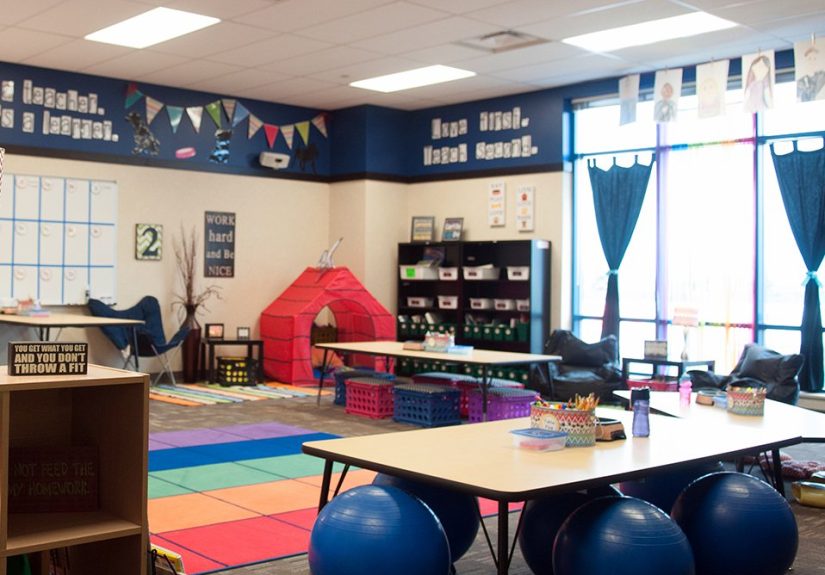
Flexible seating is the practice of offering students multiple ways to sit and workdifferent seat types, heights, surfaces,
and positionsso they can choose what helps them learn best in a given moment. The emphasis is on variety + purpose, not chaos.
In student-centered classrooms, the environment is treated as a tool for learning: it should adapt to activities like independent reading,
small-group discussion, partner work, and whole-class instruction.
Student-centered redesign goes beyond “where we sit”
A student-centered redesign considers how space affects movement, collaboration, accessibility, and attention. It asks:
What do students need to do hereand how can the room make that easier? That may include creating zones (collaboration, quiet focus,
conferencing, making/creating), reducing clutter and distraction, improving traffic flow, and ensuring clear pathways for mobility needs.
Why Space Matters: The Learning Environment Isn’t Neutral
Classroom design influences behavior, engagement, and even cognitive load. When the physical environment is cluttered, cramped, or visually noisy,
students spend more mental energy filtering distractions and less on learning. On the flip side, environments that are calm, flexible, and supportive
can help students feel safer, more focused, and more willing to participate.
- Attention: Overly decorated spaces can distract young learners and reduce learning gains.
- Engagement: Choice and movement can increase students’ perceived ability to concentrate and participate.
- Belonging: Welcoming, community-oriented spaces support positive behavior and classroom climate.
The Big Benefits (When It’s Done Right)
1) Student agency that actually shows up in behavior
When students can make choices about where and how they work, they practice self-awareness (“I focus better standing”) and self-management (“I’m
too chatty at the couch today”). That agency can translate into stronger ownership and fewer “but I didn’t do anything” moments, because students
are actively participating in setting themselves up for success.
2) Movement as a feature, not a bug
Many students concentrate better with light movement. Flexible seating can provide appropriate movementlike wobble stools, active chairs,
or standing stationswithout constant roaming. The goal is to reduce off-task fidgeting by giving the body a safe way to “do something” while the
brain works.
3) Better alignment with active learning
Student-centered instruction often includes discussion, collaboration, and hands-on tasks. A room designed only for silent, forward-facing work
fights those goals. Flexible seating and movable surfaces make it easier to shift quickly between mini-lesson, partner talk, group problem-solving,
and independent practicewithout losing 12 minutes to desk-dragging and chair percussion.
4) More inclusive options for learner variability
Students vary in sensory needs, physical comfort, attention patterns, and confidence. Flexible seating can support inclusion by offering multiple
entry pointsquiet spaces, alternative postures, different heights, and seating that supports regulation. Student-centered design also helps you
intentionally create clear pathways, accessible materials, and seating options that don’t single anyone out.
The “Yes, But…”: Common Concerns and Smart Answers
“Won’t it be a disaster?”
It can beif you skip procedures. Flexible seating succeeds when the room has clear expectations, explicit modeling, practice, and consistent
reflection. Think of it like giving students lab equipment: you don’t just say “Be responsible” and walk away. You teach routines, then you
reinforce them.
“Is it equitable if some seats are ‘cooler’?”
Equity is a design requirement, not an afterthought. Build a system that prevents “seat privilege,” like rotating access, using a weekly choice
plan, or teaching students to select seats based on the task. Also make sure every student has at least one comfortable, functional option that
supports learningno “you get the wobbly stool, you get the broken chair from 1998.”
“What about accessibility and safety?”
Student-centered redesign must include accessibility: clear walkways, stable options, appropriate heights, and seating that works for students
with mobility needs. Prioritize sturdy furniture, safe placement, and easy movement paths. If a seat can tip, roll, or tempt students to joust,
it needs guardrails (rules) or a new home.
How to Redesign Your Classroom Like a Pro (Without a Reality TV Crew)
Step 1: Start with your learning goals
Design follows function. List your most common learning modes:
independent reading, small-group instruction, partner practice, collaborative projects, whole-class discussions, assessments. Then ask:
What arrangement best supports each? You’re not redesigning for “cute.” You’re redesigning for use.
Step 2: Map zones that match student needs
Many student-centered classrooms use simple zones:
- Community zone: rug or meeting space for mini-lessons and read-alouds.
- Focus zone: quieter seating (traditional desks, single tables, or carrels).
- Collaboration zone: tables or grouped seating for discussion and projects.
- Teacher conference zone: a small table for check-ins and feedback.
- Creation zone: supplies and surfaces for making, building, experimenting.
Step 3: Fix traffic flow (because elbows have feelings)
Before you add new seating, plan movement routes: where students enter, turn in work, access materials, and transition to groups.
Keep pathways wide and predictable. Store high-traffic supplies where students can reach them without squeezing behind five stools and a bean bag.
Step 4: Choose seating options strategically (and budget-friendly)
You don’t need to buy the entire internet. Start small, mix high-structure and flexible options, and collect feedback. Common choices include:
- Traditional desks/tables: yes, keep themstructure supports many learners.
- Standing stations: great for quick tasks, some readers, and movement breaks.
- Wobble stools/active chairs: for students who focus better with motion.
- Floor seating: cushions, mats, low tables for certain work modes.
- Soft seating: use sparingly and purposefully (reading, reflection, small-group talk).
Pro tip: If your budget is “two paperclips and hope,” look into grants, DonorsChoose-style fundraising, community donations, or rotating in items
you already have (stools from the art room, extra tables, clipboards, lap desks). The best redesigns are often iterative, not expensive.
Management That Makes Flexible Seating Actually Work
Teach “seat-to-task” like it’s a life skill (because it is)
Students need guidance choosing a seat that matches the task. Build simple language:
“If you’re writing a long response, pick a stable surface.”
“If you’re collaborating, choose a space that supports conversation without shouting.”
You can even model “bad choices” for laughs (dramatically trying to write a paragraph on a wobble stool while balancing a binder) and then discuss why it didn’t work.
Create clear rulesand make them visible
Keep expectations short and concrete. Examples:
- Choose a spot where you can do your best work.
- Keep pathways clear.
- Use furniture safely (seats are for sitting; desks are not for parkour).
- If a seat distracts you or others, you’ll switch to a better-fit option.
- Take care of our roomreset your space before transitions.
Use a system for choices (especially early on)
In the beginning, “everyone choose a seat” can become “the hunger games: ottoman edition.” Consider structured systems:
rotating seat access, a weekly choice plan, sign-up cards, or teacher-guided assignments during high-stakes tasks. Over time, shift control to
students as they demonstrate responsible choices.
Real Classroom Examples: What Student-Centered Seating Looks Like in Practice
Elementary literacy block
Mini-lesson on the rug. Independent reading: students choose focus spots (floor cushions, desks, a quiet corner).
Partner talk: students move to collaboration tables. Teacher conferences at a small table. The room supports the workshop model with fast transitions
and clear norms.
Middle school science
Lab groups work at sturdy tables. A standing station is used for quick data checks or label-making. A “quiet zone” exists for writing claims and
evidence. Flexible seating isn’t randomit’s aligned to safety and task demands.
High school ELA seminar
A circle or horseshoe layout supports discussion days. On writing days, students spread out to reduce distraction.
A small conference space supports feedback cycles. The furniture moves because the learning moves.
How to Tell If It’s Working (Beyond “It Feels Nice”)
To evaluate impact, look for indicators you can track:
- Engagement: more on-task behavior, fewer reminders, stronger participation.
- Quality of work: improved stamina, clearer thinking, better collaboration products.
- Student self-awareness: students explain why they chose a spot and when they need to change.
- Classroom climate: increased respect for shared space and peer learning.
Use quick student surveys (“Where do you focus best for reading? For math practice?”), short reflections, and your own observation notes. Expect a
novelty phase. Then look for consistent routines and better seat-to-task decisions over time.
Common Pitfalls (and How to Avoid Them)
Pitfall: Buying stuff before building systems
Fix: teach procedures first, introduce new seating gradually, and model expectations relentlessly (then taper as habits form).
Pitfall: Too much visual clutter
Fix: keep walls purposefulnorms, routines, anchor charts students actually use. Rotate displays and leave breathing room.
Pitfall: “One-size-fits-all” seating
Fix: include stable, traditional options and quiet spaces. Choice should expand access, not pressure everyone into the “fun seats.”
Pitfall: Treating flexible seating as a reward
Fix: frame seating as a learning support. If a student misuses a seat, they switch to a better-fit optionnot because they’re “bad,” but because
the goal is learning.
Conclusion: Design the Room to Teach Students How to Learn
Flexible seating and student-centered redesign work best when they’re anchored in a simple idea:
the classroom should help students do the learning you’re asking them to do.
With intentional zones, clear routines, equitable access, and seat-to-task coaching, flexible seating becomes less about furniture and more about
building learner agency. And yes, it can still look great in photosjust don’t let the photo be the point.
Experiences From the Field: 5 Teacher-Tested Lessons on Flexible Seating (Plus the Stuff Nobody Posts on Instagram)
The most useful “flexible seating wisdom” rarely comes from catalogsit comes from what teachers learn after the third time someone tries to spin
a wobble stool like it’s an amusement park ride. Below are five experience-based lessons teachers commonly report when implementing flexible seating
as part of a student-centered redesign. These examples are representative patterns from real classrooms (names and specifics generalized), meant to
show what it looks like when the idea meets Tuesday morning.
1) Start with two new options, not twelve
One elementary teacher began with just a standing table and four wobble stools. For the first week, those seats were “training seats,” introduced
during low-stakes work time with heavy modeling: how to sit, when to switch, what “focused body” looks like. She noticed that adding too many choices
at once increased decision fatigue and arguments (“But I didn’t get the bouncy one!”). Starting small let students practice seat-to-task language
and made it easier to identify which students needed extra coaching. By week three, she introduced floor cushionswith a rule that cushions were for
reading or sketching, not for math tests. That gradual rollout turned flexible seating into a routine instead of a novelty.
2) The best management tool was a 30-second reflection
A middle school teacher found that a daily “micro-reflection” reduced off-task behavior more than any seating chart ever could. At the end of class,
students answered two quick prompts on a sticky note or digital exit ticket: Where did you work today? and Did that choice help you meet
today’s goal? Why or why not? The teacher didn’t grade these; she used them as coaching data. Students began voluntarily switching seats mid-class
(“I’m too distracted over here; I’m moving to a desk”)which is basically the holy grail of self-management.
3) Soft seating worked best when it had a job
Teachers often report that couches and bean bags become distracting when they’re “just there.” In one high school classroom, soft seating was assigned
a purpose: Socratic seminar prep, peer conferencing, and reading. During essay drafting, students moved to stable surfaces. The teacher even posted a
“Seat-to-Task Menu” on the wall: Drafting = table/desk, Discussion = circle/sofa, Independent reading = quiet
corner. When students could justify their seat choice using the menu, behavior improvedand so did the quality of group discussion, because the
layout supported face-to-face talk instead of “stare at the back of someone’s hoodie and hope.”
4) Equity improved when access was predictable
A frequent concern is that some seats feel “premium.” One teacher solved this with a weekly rotation: students chose a preferred seat category on Monday
(standing, floor, stool, traditional), and the class rotated priority each week so everyone had fair access over time. The result was surprisingly calm.
Students stopped campaigning for the same spot daily because they knew another chance was coming. The teacher also made sure every category included a
high-quality optionso “traditional” didn’t mean “the sad chair.” That shift mattered: students who preferred structure didn’t feel punished for wanting
a desk, and students who needed movement didn’t feel like they had to earn basic regulation supports.
5) The redesign that mattered most wasn’t seatingit was pathways and clutter
Several teachers note that the biggest improvement came from reducing bottlenecks and visual noise. One classroom removed an unused teacher desk,
relocated supply bins to a single “materials wall,” and widened the main walkway. Transitions got faster, conflicts dropped, and the teacher could
circulate more easily for feedback. In another room, the teacher limited wall displays to anchor charts students referenced weekly and moved everything
else to rotating student work galleries. Students reported it felt “less busy” and easier to focus. The punchline: flexible seating is powerful, but it
works best inside a thoughtfully designed environmentwhere the room is calm, the movement is intentional, and students know exactly how to use choices
to support learning.
If there’s one consistent teacher takeaway, it’s this: flexible seating isn’t a magic trickit’s a skill-building system. The furniture helps, but the
real transformation comes from teaching students to notice their needs, make intentional choices, and take responsibility for the space they share.
That’s student-centered redesign at its best: the room becomes a quiet partner in instruction, not a loud obstacle you wrestle between lessons.






 Close
Close