
Table of Contents >> Show >> Hide
- What “Doesn’t Spoil Easily” Really Means (So You Don’t Get Tricked by a Tomato)
- The 5 Pantry Rules That Make Food Last Longer
- The List: 22 Healthy Foods That Don’t Spoil Easily
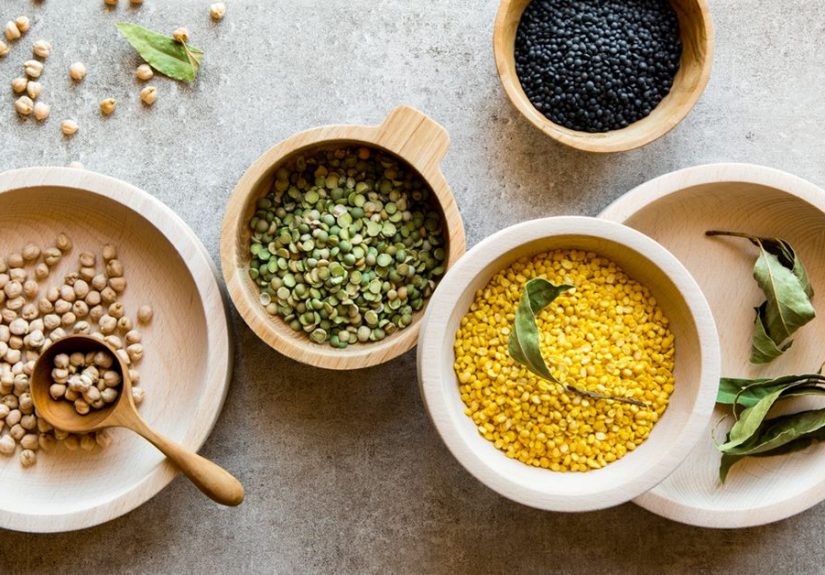
- 1) Dried Beans (black, pinto, kidney, navy)
- 2) Lentils (brown, green, red)
- 3) Canned Beans (low-sodium when possible)
- 4) Canned Fish (tuna, salmon, sardines)
- 5) Canned Chicken (or turkey)
- 6) Rolled Oats
- 7) Brown Rice
- 8) Quinoa
- 9) Barley
- 10) Whole-Wheat Pasta
- 11) Canned Tomatoes (diced, crushed, whole)
- 12) Canned Pumpkin (100% pumpkin, not pie filling)
- 13) Frozen Vegetables
- 14) Frozen Fruit
- 15) Nuts (almonds, walnuts, pistachios)
- 16) Seeds (chia, flax, pumpkin seeds)
- 17) Natural Nut Butter (peanut, almond, mixed nut)
- 18) Extra-Virgin Olive Oil
- 19) Vinegar (apple cider, red wine, balsamic)
- 20) Honey
- 21) Onions
- 22) Winter Squash (butternut, acorn, spaghetti squash)
- Easy Meal Combos Using Only These Long-Lasting Foods
- Common Mistakes That Make “Long-Lasting” Foods… Not Long-Lasting
- Experience Section: What You Learn When You Actually Live on a “Doesn’t Spoil Easily” Pantry
- Conclusion
Because “What’s for dinner?” shouldn’t be answered by a science experiment in the back of your fridge.
If you’ve ever opened the pantry and found a sad, stale bag of something you swore you bought “like… yesterday,” this article is for you.
The goal here isn’t to stockpile apocalypse rations or build a museum of canned goods. It’s to create a smart, flexible stash of
healthy foods that don’t spoil easilythe kind that can sit calmly on a shelf (or in the freezer) without turning into a regret.
You’ll get a list of 22 long-lasting, nutrient-dense staples, plus storage tips and easy ways to use them so they don’t just live in your pantry forever
like a forgotten extra in a movie scene.
What “Doesn’t Spoil Easily” Really Means (So You Don’t Get Tricked by a Tomato)
“Doesn’t spoil easily” can mean two different things:
- Shelf-stable foods that can live at room temperature (often canned, dried, or packaged to keep moisture and oxygen out).
- Long-keeping produce that lasts weeks (sometimes months) when stored correctlythink winter squash, onions, and garlic.
Translation: we’re building a pantry and freezer that help you eat well on busy weeks, during bad weather, between paydays, and in those “I can’t grocery shop today” moments.
This is everyday preparednessnot panic buying.
The 5 Pantry Rules That Make Food Last Longer
1) Heat is the enemy
Most pantry staples stay freshest when they’re cool and dry. Keep them away from your stove, dishwasher steam, and that sunny window that makes your kitchen look like a catalog.
2) Air + moisture = staleness city
Once you open grains, nuts, or seeds, move them to airtight containers. Bonus: it also prevents “mystery bugs,” which are never a fun surprise.
3) First In, First Out (FIFO)
Put new items behind older ones. You’ll use what you already have instead of accidentally collecting three open bags of oats like a cereal-themed side quest.
4) Dates are about quality, not time travel
“Best by” usually means “best flavor/texture by,” not “turns into poison at midnight.” Use your sensessmell, look, textureand avoid damaged packaging (dents, swelling, severe rust).
5) Label what you decant
If you dump flour, rice, or oats into containers, label the name and the approximate date. Otherwise you’ll end up playing “Is this sugar or salt?” at the worst possible time.
The List: 22 Healthy Foods That Don’t Spoil Easily
Each pick below includes: why it lasts, why it’s healthy, and how to actually use itbecause “long shelf life” is only helpful if it becomes dinner.
1) Dried Beans (black, pinto, kidney, navy)
Why they last: Dried beans are low-moisture, which slows spoilage dramatically.
Why they’re healthy: They’re packed with fiber and plant protein.
How to use: Chili, soups, burrito bowls, bean salads. Cook a big batch and freeze portions so future-you can feel like a genius.
2) Lentils (brown, green, red)
Why they last: Same low-moisture advantage as beans, plus they cook fast.
Why they’re healthy: Fiber + protein + minerals, and they’re budget-friendly.
How to use: Red lentils melt into soups and sauces; green/brown lentils hold shape for salads and grain bowls.
3) Canned Beans (low-sodium when possible)
Why they last: Sealed and heat-processed for long storage.
Why they’re healthy: Still a strong source of fiber and plant protein.
How to use: Rinse to reduce sodium, then toss into salads, tacos, pasta, or quick skillet meals.
4) Canned Fish (tuna, salmon, sardines)
Why it lasts: Canning keeps protein stable for a long time.
Why it’s healthy: Convenient protein; many options provide omega-3 fats.
How to use: Mix with Greek yogurt or olive oil + lemon for sandwiches; add to salads, grain bowls, or pasta with canned tomatoes.
5) Canned Chicken (or turkey)
Why it lasts: Shelf-stable protein you can store for months to years unopened.
Why it’s healthy: Helps you build balanced meals when fresh protein isn’t happening.
How to use: Stir into soups, quick chicken salad, or wrap it into tacos with beans and spices.
6) Rolled Oats
Why they last: Dry, stable, and easy to store airtight.
Why they’re healthy: A whole grain that’s filling and versatile.
How to use: Oatmeal, overnight oats, baked oats, or blend into pancakes. Savory oats with canned tomatoes and spices are secretly elite.
7) Brown Rice
Why it lasts: Stored cool and dry, it keeps well (though brown rice is slightly more delicate than white).
Why it’s healthy: Whole grain with more fiber than refined grains.
How to use: Grain bowls, stir-fries, soups. Cook extra and freeze flat in zip bags for quick reheats.
8) Quinoa
Why it lasts: Dry grain-like seed with long shelf life.
Why it’s healthy: High-protein whole-grain alternative.
How to use: Base for bowls; add canned beans, frozen veg, olive oil, and vinegar for a 10-minute meal.
9) Barley
Why it lasts: Dried grain that stores well in airtight containers.
Why it’s healthy: A hearty whole grain that adds chew and satisfaction.
How to use: Soups, stews, grain salads. Barley + canned tomatoes + beans = “pantry minestrone” vibes.
10) Whole-Wheat Pasta
Why it lasts: Dry pasta is famously shelf-stable.
Why it’s healthy: Whole-wheat versions add more fiber and staying power.
How to use: Pair with canned tomatoes, canned fish, garlic, and olive oil for an “I totally planned this” dinner.
11) Canned Tomatoes (diced, crushed, whole)
Why they last: A pantry MVP with a long unopened shelf life.
Why they’re healthy: Makes it easy to cook flavorful meals without relying on fresh produce.
How to use: Sauces, soups, shakshuka-style dishes, bean stews, and quick chili.
12) Canned Pumpkin (100% pumpkin, not pie filling)
Why it lasts: Shelf-stable and easy to store.
Why it’s healthy: Adds fiber and natural sweetness.
How to use: Stir into oats, smoothies, soups, or mix with spices for a creamy pasta sauce moment.
13) Frozen Vegetables
Why they last: Freezing pauses spoilage.
Why they’re healthy: Great nutrition with less waste (and no guilt spiral about wilted greens).
How to use: Roast from frozen, toss into soups, stir-fries, omelets, pasta, or microwave and season like a responsible adult.
14) Frozen Fruit
Why it lasts: Freezer-friendly for months.
Why it’s healthy: Makes it easy to eat fruit even when fresh is pricey or out of season.
How to use: Smoothies, oatmeal topping, yogurt bowls, or thaw for quick “compote” with cinnamon.
15) Nuts (almonds, walnuts, pistachios)
Why they last: They keep longer than many snacksespecially if stored cool or refrigerated.
Why they’re healthy: Healthy fats + some protein = satisfying.
How to use: Snack, toss into salads, oatmeal, or blend into sauces. Store extras in the fridge/freezer if you buy in bulk.
16) Seeds (chia, flax, pumpkin seeds)
Why they last: Dry and stable when kept airtight and away from heat.
Why they’re healthy: Fiber and healthy fats in a tiny package.
How to use: Add to oats, smoothies, yogurt; chia makes easy pudding; ground flax disappears into baking.
17) Natural Nut Butter (peanut, almond, mixed nut)
Why it lasts: Shelf-stable unopened; lasts longer refrigerated after opening.
Why it’s healthy: Satisfying fats and proteingreat when you need a real snack, not “air pretending to be food.”
How to use: Toast, oatmeal, smoothies, dipping apples, or whisk into a quick peanut sauce for noodles and frozen veggies.
18) Extra-Virgin Olive Oil
Why it lasts: Stable for months when stored away from heat and light.
Why it’s healthy: A heart-friendly fat used in many balanced eating patterns.
How to use: Dressings, roasting, finishing soups, sautéing aromatics. Keep the bottle somewhere cool and dark.
19) Vinegar (apple cider, red wine, balsamic)
Why it lasts: Acidic foods are extremely long-lasting.
Why it’s healthy: Not a “health food” by itself, but it makes healthy food taste better (which matters more than people admit).
How to use: Salad dressings, quick pickles, beans and grains, marinades, and “pantry slaw” with shredded cabbage.
20) Honey
Why it lasts: Honey can stay safe for a very long time when sealed; it may crystallize, but that’s usually not spoilage.
Why it’s healthy: Still a sweeteneruse it like onebut it’s convenient and stable.
How to use: Tea, yogurt, oatmeal, dressings, marinades. If it crystallizes, warm the jar gently in warm water.
21) Onions
Why they last: Whole onions keep well in a cool, dry, ventilated spot.
Why they’re healthy: They add flavor to everything, which helps you cook more at home (a sneaky health win).
How to use: Start almost any savory recipe with onionssoups, beans, sauces, stir-fries.
22) Winter Squash (butternut, acorn, spaghetti squash)
Why it lasts: Properly stored winter squash can keep for weeks to months.
Why it’s healthy: A nutrient-dense carb that works in savory or sweet dishes.
How to use: Roast cubes for bowls, blend into soup, or bake spaghetti squash and top with canned tomato sauce and beans.
Easy Meal Combos Using Only These Long-Lasting Foods
Here are a few “pantry math” ideasminimal ingredients, maximum payoff:
- Tomato + Bean + Barley Soup: Canned tomatoes + canned beans + barley + onion + spices.
- Olive Oil Pasta Pantry Dinner: Whole-wheat pasta + olive oil + garlic + canned fish + lemon/vinegar.
- Freezer Veg Stir-Fry Bowl: Brown rice + frozen vegetables + canned chicken + splash of vinegar.
- Quinoa Protein Bowl: Quinoa + canned beans + frozen veggies + olive oil + vinegar.
- Oats That Don’t Taste Like Sadness: Rolled oats + frozen fruit + nuts/seeds + drizzle of honey.
- Roasted Squash Bowl: Winter squash + lentils + olive oil + vinegar + toasted seeds.
Common Mistakes That Make “Long-Lasting” Foods… Not Long-Lasting
- Storing oils near heat/light: They degrade faster and taste “off.”
- Leaving grains and nuts open: Air turns crisp into stale.
- Ignoring damaged cans: If it’s swollen, leaking, or severely dented at the seam, toss it.
- Buying without a plan: Even shelf-stable foods get wasted when they don’t match how you actually eat.
Experience Section: What You Learn When You Actually Live on a “Doesn’t Spoil Easily” Pantry
A long-lasting pantry sounds boring until you have oneand then it feels like you unlocked a small life cheat code.
Not because you’re hoarding food, but because you’re removing friction. When dinner is easy, you make better choices.
When you’re tired, you need options that don’t require heroic willpower.
The first “experience” most people have is the moment they realize their pantry is full, but not usable.
It’s the classic lineup: three half-empty pasta boxes, a random can of something you can’t pronounce, and spices that smell like cardboard.
A no-spoil pantry fixes that by being intentional. It’s less about quantity and more about
repeatable combinations: beans + tomatoes + grains; oats + fruit + nuts; frozen veg + protein + olive oil.
The second lesson is how much flavor drives consistency. People don’t quit on “healthy eating” because broccoli exists.
They quit because healthy food feels like a punishment. That’s why olive oil, onions, garlic, and vinegar matter so much here:
they’re the difference between “I’m eating for fuel” and “Wait… this is actually good.”
One night it’s pasta with garlic and canned fish; another it’s a barley soup that tastes like you tried harder than you did.
Third: you stop wasting money. When you rely only on highly perishable foods, you’re basically paying a “life happens” tax.
You miss a couple of cooking nights and suddenly your produce drawer is hosting a mushy support group.
Frozen vegetables and frozen fruit quietly solve this problem.
They’re there when you need them, and they don’t judge you for ordering takeout on Tuesday.
Fourth: you become strangely calm during chaotic weeks. Weather’s bad? Work exploded? You’re not feeling great?
You can still eat a real meal: quinoa + beans + frozen veg, dressed with olive oil and vinegar.
It’s not Michelin-starred, but it’s balanced, fast, and it doesn’t require a last-minute grocery run.
This is the point where people say, “I didn’t realize how much stress came from not having food options.”
Fifth: you get better at “upgrading” meals. Long-lasting staples are like a base layer.
When fresh ingredients show upmaybe you grab spinach or a rotisserie chicken or a bag of lemons
suddenly your pantry meals level up without you needing a brand-new plan.
Tomato-bean soup becomes “tomato-bean soup with fresh herbs.” Oats become “oats with sliced banana.”
The pantry doesn’t replace fresh food; it supports it.
Finally, there’s a funny realization: the best long-lasting pantry doesn’t look impressive on Instagram.
It looks practical. It’s a mix of beans, grains, canned tomatoes, frozen vegetables, and a few flavor heroes.
It’s the kind of pantry that makes you feel like you have your life together even when your laundry says otherwise.
And honestly? That’s a health benefit too.
Conclusion
Stocking healthy foods that don’t spoil easily is one of the simplest ways to eat better with less stress.
You don’t need fancy ingredientsjust a handful of reliable staples that can turn into meals you actually want to eat.
Start with a few items from this list, store them well, and build a rotation of “go-to” pantry dinners.
Your future self will thank you… probably while eating oats that taste surprisingly great.






 Close
Close