
Table of Contents >> Show >> Hide
- What Is All-Clad MC2 Cookware?
- First Impressions: Industrial, Simple, and Very All-Clad
- Cooking Performance: Where MC2 Shines
- What MC2 Is Best For
- What MC2 Is Not Good For
- Design and Handling
- Durability: Built Tough, But Not Pretty Forever
- All-Clad MC2 vs. All-Clad D3
- All-Clad MC2 vs. D5 and Copper Core
- Cleaning and Maintenance Tips
- Who Should Buy All-Clad MC2 Cookware?
- Buying Used All-Clad MC2: What to Check
- Pros and Cons of All-Clad MC2 Cookware
- Expert Verdict: Is All-Clad MC2 Still Worth It?
- Real-World Cooking Experiences With All-Clad MC2 Cookware
- Conclusion
- SEO Tags
All-Clad MC2 cookware is the kitchen equivalent of a serious chef wearing a work shirt instead of a tuxedo. It does not sparkle like polished stainless steel. It does not beg to be displayed under boutique lighting. It looks practical, industrial, and slightly impatient, as if it would rather be browning chicken thighs than posing for a catalog photo. And honestly, that is a big part of its charm.
Known formally as All-Clad Master Chef 2, or MC2, this cookware line earned a loyal following because it delivered what many cooks actually care about: fast heat response, even cooking, durable construction, and a stainless steel cooking surface that can sear, sauté, simmer, and deglaze like a champ. It was never the easiest All-Clad line to maintain, and it is not the best choice for every modern kitchen. But for cooks who value performance over polish, All-Clad MC2 still deserves a close look.
This expert review of All-Clad MC2 cookware covers construction, cooking performance, design, cleaning, durability, pros and cons, comparisons with other All-Clad collections, and real-world user experience. If you are considering buying a used MC2 pan, replacing an old piece, or simply wondering why cookware nerds still talk about it, this guide will help you decide whether it belongs in your kitchen.
What Is All-Clad MC2 Cookware?
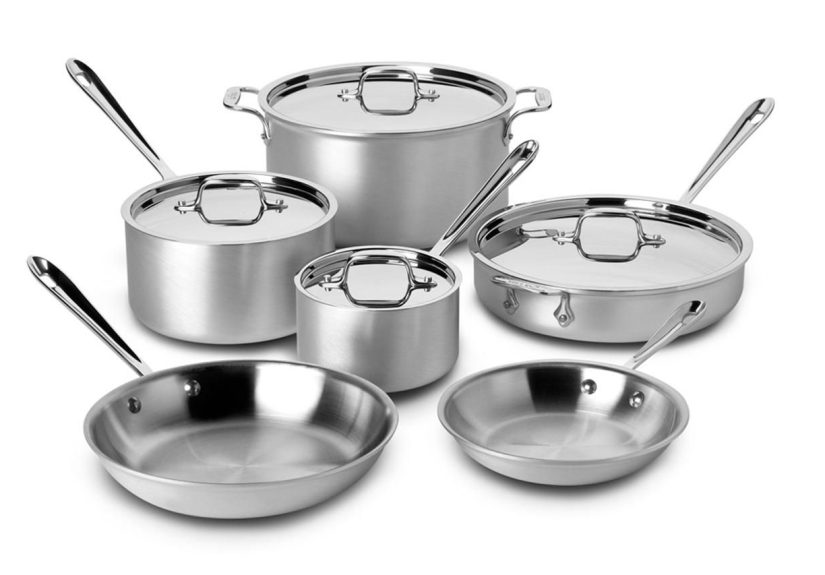
All-Clad MC2 cookware is a discontinued bonded cookware collection from All-Clad, the American brand famous for premium stainless steel cookware. MC2 stands for Master Chef 2, and the line was designed as a modern update to All-Clad’s original Master Chef cookware.
The big idea behind MC2 is simple: combine a stainless steel interior with a thick aluminum core and a brushed aluminum exterior. That construction gives the cookware excellent heat conductivity while keeping the cooking surface non-reactive and durable. In plain English, tomato sauce will not taste metallic, fish will not glue itself to the pan if you use proper technique, and your onions will brown instead of sulk in uneven heat.
Basic MC2 Construction
Most All-Clad MC2 pieces use a tri-ply bonded design:
- 18/10 stainless steel cooking surface
- Thick aluminum core for fast, even heat distribution
- Brushed aluminum exterior
- Riveted stainless steel handles
- Stainless steel lids on many pieces
- Made in the United States during its production era
This combination is what makes MC2 different from All-Clad D3 Stainless. D3 has stainless steel on the outside, while MC2 has a brushed aluminum exterior. That exterior helps with heat performance but creates a few important care limitations, which we will get to shortly. Spoiler: the dishwasher is not its best friend.
First Impressions: Industrial, Simple, and Very All-Clad
Pick up an All-Clad MC2 skillet or sauté pan and you immediately understand the personality of the line. It feels solid but not absurdly heavy. It has a brushed, matte exterior that looks more restaurant-kitchen than showroom-kitchen. The handles are long, riveted, and unmistakably All-Clad: sturdy, slightly angular, and built for control rather than plush comfort.
The cookware does not look fragile. It looks like it can handle weekday scrambled eggs, Sunday gravy, holiday mashed potatoes, and that one ambitious recipe you begin at 6 p.m. before realizing it has eleven steps and a reduction sauce. MC2 has a practical, professional feel that many serious home cooks still appreciate.
However, the brushed aluminum exterior is soft compared with stainless steel. It scuffs, scratches, and darkens more easily. If your cookware must look flawless forever, MC2 may test your emotional resilience. If you believe pans are tools and not museum artifacts, the wear can actually become part of the appeal.
Cooking Performance: Where MC2 Shines
The strongest reason to consider All-Clad MC2 cookware is performance. Aluminum is an excellent heat conductor, and MC2 uses it generously. The result is cookware that heats quickly, spreads heat evenly, and responds well when you adjust the burner.
Heat Distribution
In everyday cooking, MC2 performs beautifully on gas, electric coil, and many smooth electric ranges. A good MC2 skillet can brown chicken evenly across the surface, reduce pan sauces without scorching at the edges, and make pancakes that do not look like a weather map of hot spots.
The thick aluminum layer helps distribute heat not only across the base but also up the sides of many pieces. That matters in saucepans and sauté pans, where food often contacts more than just the bottom. When simmering cream sauce, cooking risotto, or reducing wine, even sidewall heat can make the process smoother and more predictable.
Responsiveness
MC2 is also responsive. Turn the burner down, and the pan reacts quickly enough to help prevent burning delicate foods. Turn the burner up, and it gets moving without making you feel as if you are waiting for a cast iron skillet to wake from a nap.
This responsiveness is helpful for techniques like sautéing vegetables, making pan sauces, cooking eggs, and searing thinner cuts of meat. For thick steaks, cast iron or carbon steel may still offer more heat retention, but MC2 is excellent for the kind of everyday cooking most people actually do.
Searing and Browning
The stainless steel interior is ideal for browning when used correctly. Preheat the pan, add oil, give proteins time to release naturally, and MC2 rewards you with a proper golden crust. It is not nonstick, and it will not pretend to be. If you throw cold chicken into a cold stainless pan and start poking it immediately, MC2 will not save you from yourself.
But with proper technique, the cooking surface is excellent. It develops fond beautifully, which is the browned layer that makes pan sauces taste like you know what you are doing. Add wine, stock, lemon juice, or butter, scrape the bottom, and suddenly dinner has gone from “fine” to “why yes, I do own a pepper grinder.”
What MC2 Is Best For
All-Clad MC2 cookware is especially good for cooks who use stainless steel techniques and want strong heat performance without paying collector-level prices for copper. It is a great fit for:
- Searing chicken, pork chops, fish, and vegetables
- Building pan sauces after browning
- Sautéing onions, mushrooms, peppers, and aromatics
- Simmering soups, stocks, and sauces
- Boiling pasta or potatoes in larger stockpots
- Oven-finishing dishes in compatible pieces
The fry pans and sauté pans are the stars of the line. They take advantage of MC2’s heat distribution and stainless cooking surface. The saucepans are also strong performers, especially for tasks that punish thin cookware, like reheating thick soups or cooking custards.
What MC2 Is Not Good For
No cookware line is perfect. All-Clad MC2 has several limitations that matter, especially in modern kitchens.
It Is Not Induction Compatible
The biggest drawback is induction compatibility. Because MC2 has a brushed aluminum exterior rather than a magnetic stainless exterior, it generally does not work on induction cooktops. If you already own an induction range, MC2 should not be your main cookware investment.
Some online listings can be confusing, especially for older or third-party product pages. But as a practical rule, MC2 belongs with gas, electric coil, and traditional electric smooth-top cooking, not induction.
It Requires Hand Washing
MC2 is also a hand-wash line. The brushed aluminum exterior can discolor or become damaged in the dishwasher, especially from harsh detergents and high heat. If your kitchen philosophy is “everything goes in the dishwasher and may fate decide,” MC2 will object.
Cleaning the stainless interior is straightforward with warm water, dish soap, a soft sponge, and occasional stainless steel cleaner for stuck-on stains. The exterior takes more patience. It will show wear. That is not a defect; it is part of owning brushed aluminum cookware.
It Is Not Nonstick
All-Clad MC2 has a stainless steel cooking surface, not a nonstick coating. That is good for durability and searing, but it means eggs and delicate fish require fat, proper heat control, and timing. If you want to cook three egg whites with no oil while half asleep, use a nonstick pan and keep your MC2 for browning mushrooms like a civilized person.
Design and Handling
All-Clad handles are famous, or infamous, depending on your hand shape. MC2 handles are long, riveted, and designed to stay cooler on the stovetop than short loop handles. They provide good leverage, especially when tossing vegetables or transferring a pan from burner to oven.
That said, some cooks find the traditional All-Clad handle uncomfortable because of its grooved shape. It is secure, but not plush. If you prefer rounded, cushioned handles, MC2 may feel a bit stern. Think “professional tool,” not “spa day for your palm.”
Larger pieces often include helper handles, which are important because filled cookware can get heavy. A 3-quart sauté pan full of braised chicken or an 8-quart stockpot full of soup is not something you want to lift one-handed unless your other hobby is competitive wrist training.
Durability: Built Tough, But Not Pretty Forever
Structurally, All-Clad MC2 cookware is extremely durable. The bonded layers are made for serious use, and the stainless steel cooking surface can last for decades with proper care. Riveted handles add strength, and the pans are resistant to warping under normal cooking conditions.
Cosmetically, MC2 is less durable than stainless exterior cookware. The brushed aluminum outside scratches, scuffs, stains, and develops a patina. It can also react poorly to dishwasher use. For some cooks, this is a dealbreaker. For others, it is simply evidence that dinner happened.
The best way to think about MC2 is this: the inside stays useful for a very long time, while the outside tells stories. Some of those stories may involve burnt oil, metal utensil marks, and one regrettable night in the dishwasher.
All-Clad MC2 vs. All-Clad D3
All-Clad D3 is the more familiar and widely available sibling. It also uses tri-ply bonded construction, typically with stainless steel inside and outside and an aluminum core. Compared with MC2, D3 is easier to maintain, more polished in appearance, and compatible with induction in modern versions.
MC2, on the other hand, has a more industrial aluminum exterior and often delivers excellent heat responsiveness. It may feel more like a professional workhorse, while D3 feels more like premium everyday cookware designed for broader household use.
Choose D3 if you want induction compatibility, dishwasher-safe labeling on many pieces, and a cleaner stainless exterior. Choose MC2 if you value heat performance, do not mind hand washing, and are comfortable buying discontinued cookware from reputable sellers.
All-Clad MC2 vs. D5 and Copper Core
All-Clad D5 uses five bonded layers and is designed for steady, controlled heating. It is less reactive than MC2, which can be useful for cooks who want a slightly more forgiving pan. However, some people prefer the livelier response of MC2 for sautéing and quick adjustments.
All-Clad Copper Core is a premium line with a copper layer for excellent responsiveness and heat control. It is beautiful, expensive, and more luxurious. MC2 is not as refined, but it offers a lot of cooking performance for people who do not need the prestige or price tag of copper.
In short, MC2 is the practical performer. D5 is the steady technician. Copper Core is the fancy guest who arrives wearing a tailored jacket and somehow knows the wine pairing.
Cleaning and Maintenance Tips
To get the best life out of All-Clad MC2 cookware, treat it with reasonable care. You do not need to baby it, but you should not abuse it either.
For Everyday Cleaning
- Let the pan cool before washing.
- Use warm water, mild dish soap, and a soft sponge.
- For stuck food, soak the pan briefly before scrubbing.
- Use a stainless steel cleaner on the interior when needed.
- Dry thoroughly to reduce water spots.
For the Aluminum Exterior
Do not expect the exterior to remain showroom-perfect. Avoid the dishwasher, harsh alkaline cleaners, and aggressive scouring pads on the outside. If the exterior darkens or scuffs, that usually affects appearance more than performance.
The best maintenance mindset is “clean and functional,” not “brand-new forever.” MC2 cookware ages like a favorite cast iron skillet, except with more aluminum and fewer internet arguments about seasoning.
Who Should Buy All-Clad MC2 Cookware?
All-Clad MC2 is best for serious home cooks, culinary students, collectors, and value-focused buyers who find pieces in good condition on the secondary market. It makes sense if you cook on gas or electric, enjoy stainless steel cooking, and care more about performance than pristine looks.
It is not ideal for induction users, dishwasher loyalists, or anyone who wants cookware that remains shiny with minimal effort. If you want low-maintenance beauty, buy D3 Stainless. If you want raw cooking performance with a professional vibe, MC2 is still compelling.
Buying Used All-Clad MC2: What to Check
Because MC2 is discontinued, many buyers find it used or new-old-stock. Before buying, inspect carefully. A scratched exterior is normal. A damaged cooking surface is more serious.
Check for:
- A flat base with no major warping
- No deep pitting on the stainless cooking surface
- Tight rivets and secure handles
- No separation between bonded layers
- Matching lids if included
- Reasonable pricing compared with current All-Clad D3 options
Cosmetic discoloration should not scare you away if the pan is structurally sound. But avoid pieces with severe gouges, loose handles, or bases that spin like a carnival ride on a flat surface.
Pros and Cons of All-Clad MC2 Cookware
Pros
- Excellent heat distribution and responsiveness
- Durable stainless steel cooking surface
- Professional, industrial appearance
- Great for searing, sautéing, simmering, and deglazing
- Often a strong value on the used market
- Made with All-Clad’s respected bonded construction
Cons
- Not generally compatible with induction cooktops
- Requires hand washing
- Brushed aluminum exterior scratches and discolors
- Traditional All-Clad handles may not suit everyone
- Discontinued, so availability is inconsistent
- Not nonstick and requires proper stainless steel technique
Expert Verdict: Is All-Clad MC2 Still Worth It?
Yes, All-Clad MC2 cookware is still worth it for the right buyer. It is not the most convenient All-Clad line, and it is not the prettiest after years of use. But from a cooking-performance standpoint, MC2 remains excellent. The thick aluminum construction gives it quick, even heat, while the stainless interior provides the durability and browning ability that serious cooks want.
The main question is not whether MC2 is good. It is whether its trade-offs fit your kitchen. If you use induction, skip it. If you hate hand washing, skip it. If scratched cookware makes you twitch, skip it twice. But if you cook on gas or electric and want a tough, high-performing pan that does not mind hard work, MC2 can be a terrific find.
In today’s cookware market, where many products are either overly delicate, aggressively trendy, or priced like small appliances with handles, All-Clad MC2 feels refreshingly honest. It is a tool. A very good tool. One that can brown, simmer, sear, and sauté for years, as long as you are willing to wash it by hand and let the exterior develop character.
Real-World Cooking Experiences With All-Clad MC2 Cookware
Cooking with All-Clad MC2 feels different from cooking with lightweight stainless pans. The first thing you notice is how quickly it gets to work. Put an MC2 skillet over medium heat, give it a few minutes, and it settles into a confident cooking temperature without needing dramatic burner settings. This is important because many home cooks accidentally overheat stainless steel pans, then blame the cookware when food sticks. MC2 rewards patience. Medium heat is usually enough. Medium-high is plenty for searing. High heat is something you use carefully, not a personality trait.
One of the best everyday tests is sautéing mushrooms. In a thin pan, mushrooms often steam, leak water, and turn beige in the saddest possible way. In MC2, once the pan is properly preheated, the moisture evaporates efficiently and browning begins quickly. Add butter near the end with garlic and parsley, and the pan gives you that restaurant-style finish: browned edges, concentrated flavor, and a little fond that makes the whole kitchen smell like someone has a plan.
Another great experience is pan-seared chicken thighs. The stainless surface grips at first, then releases when the skin browns. That release is one of the most satisfying things about stainless cookware. It teaches timing. You learn not to yank food around. You wait, the crust forms, and the pan says, “Fine, now you may flip.” Afterward, the browned bits left behind turn into an easy sauce with stock, mustard, lemon, or wine. MC2 is especially good here because the heat stays even enough to reduce the sauce without creating scorched corners.
For sauces, the saucepans are dependable. A small MC2 saucepan handles oatmeal, gravy, custard, and reheated soup with fewer hot spots than cheap cookware. You still need to stir, of course. No pan can protect pudding from a cook who wanders off to check messages. But the even heat gives you a wider margin of safety, especially with dairy-based recipes.
The less glamorous experience is cleaning. After a proper sear, the interior may look dramatic. This is normal. Deglazing removes much of the residue, and soaking handles most of the rest. A stainless cleaner can restore the cooking surface when it develops rainbow stains or cloudy marks. The outside, however, is never going to behave like polished stainless steel. It will scuff. It may darken. It may look like it has survived culinary boot camp. That is part of MC2 ownership.
Over time, MC2 becomes the pan you reach for when the food matters more than the photo. It is not precious. It is not trendy. It is not trying to match your backsplash. It is there for onions, steak tips, crispy potatoes, tomato sauce, and emergency grilled cheese. The more you use it, the more you understand why discontinued cookware can still have a loyal fan base. MC2 is not perfect, but it cooks with confidence, and confidence is exactly what good cookware should give you.
Conclusion
All-Clad MC2 cookware remains one of the most interesting discontinued cookware lines from All-Clad. It combines a durable stainless steel interior with a heat-responsive aluminum body, creating a pan that performs beautifully for searing, sautéing, simmering, and sauce-making. Its weaknesses are clear: no induction compatibility, hand-wash care, and an exterior that wears visibly. But for cooks who value performance over cosmetics, those flaws may be easy to accept.
If you find All-Clad MC2 cookware in good condition at a fair price, it can be an excellent addition to a serious home kitchen. It is not the easiest cookware to pamper, but it is easy to respect. And once it helps you make a deeply browned skillet dinner with a glossy pan sauce, you may forgive the scratches.






 Close
Close