
Table of Contents >> Show >> Hide
- What Is a Down-On-Top Featherbed?
- Down vs. Feathers: Why the Difference Matters
- How a Down-On-Top Featherbed Changes the Feel of a Mattress
- Key Benefits of Down-On-Top Featherbeds
- Possible Drawbacks to Consider
- What to Look for When Buying a Down-On-Top Featherbed
- Who Should Use a Down-On-Top Featherbed?
- How to Care for a Down-On-Top Featherbed
- Down-On-Top Featherbed vs. Memory Foam Topper
- Down-On-Top Featherbed vs. Down Alternative Topper
- Common Mistakes to Avoid
- Real-Life Experiences With Down-On-Top Featherbeds
- Conclusion
Some bedding upgrades whisper, “Sleep better.” A down-on-top featherbed throws open the bedroom door, fluffs its imaginary robe, and announces, “Welcome to cloud management.” If your mattress feels too firm, too flat, or just a little too committed to being practical, a featherbed with a down-filled top layer can add the plush, hotel-style comfort many sleepers crave without replacing the entire mattress.
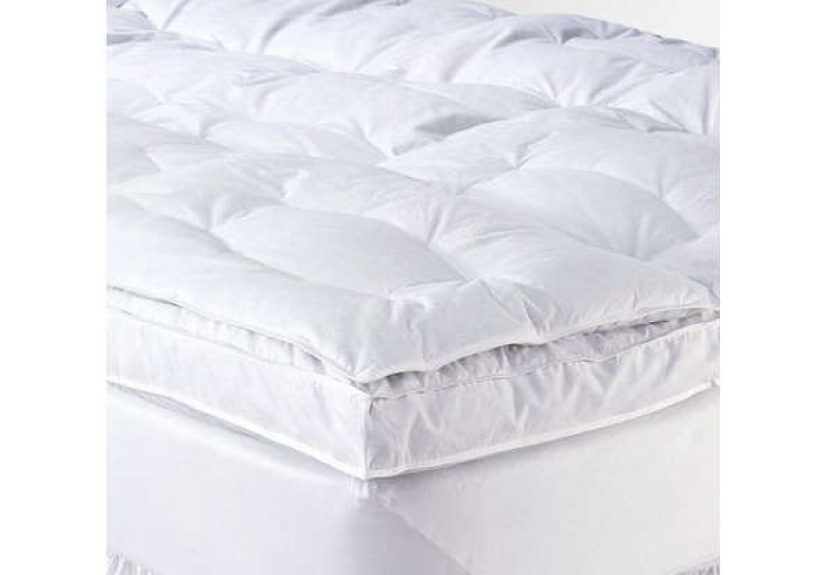
A down-on-top featherbed is a mattress topper designed with two comfort jobs in mind: a feather base for gentle support and a soft down layer on top for that cushy, sink-in feel. It is not the same as a thin mattress pad, and it is not as contouring as memory foam. Instead, it creates a lofty, breathable, slightly old-school sleeping surface that feels luxurious, cozy, and wonderfully forgiving after a long day.
In this guide, we will explore what down-on-top featherbeds are, how they work, who should buy one, who should probably keep shopping, and how to care for one so it stays fluffy instead of turning into a sleepy pancake.
What Is a Down-On-Top Featherbed?
A down-on-top featherbed is a thick bedding layer placed directly on top of a mattress, usually beneath a fitted sheet or mattress protector. The phrase “down-on-top” refers to its layered construction. The lower chamber typically contains feathers, which have quills and provide more structure. The upper chamber contains down clusters or a down-rich blend, which are softer, lighter, and better at creating loft.
Think of it like a well-built dessert. The feather base is the cake: supportive, substantial, and necessary. The down top is the frosting: soft, airy, and the part everyone secretly came for. Together, they create a mattress topper that can make a firm bed feel more welcoming while still offering enough body to avoid feeling like a pile of loose fluff.
Down vs. Feathers: Why the Difference Matters
Down and feathers are often mentioned together, but they do not feel the same. Down comes from the soft undercoating of ducks or geese. It is made of light, three-dimensional clusters without hard quills. This gives down its famous loft, softness, and insulating ability.
Feathers, by contrast, come from the outer plumage of waterfowl. They are flatter, heavier, and include quills. In a featherbed, feathers add resilience and structure. A topper made only with feathers may feel supportive but can also feel pokier or firmer. A topper made only with down may feel wonderfully plush but may lack enough substance for some sleepers. A down-on-top featherbed tries to capture the best of both: softness where your body meets the bed and support underneath.
How a Down-On-Top Featherbed Changes the Feel of a Mattress
The biggest reason people buy down-on-top featherbeds is comfort. A firm mattress can be healthy for spinal alignment but still feel a bit like sleeping on a polite wooden bench. A featherbed adds a plush buffer that cushions the shoulders, hips, knees, and lower back.
This can be especially helpful for side sleepers, who often need more pressure relief around the shoulders and hips. Instead of pressing directly into a firm mattress surface, the body settles into the featherbed’s loft. The result is a softer landing without the slow, body-hugging sensation of memory foam.
Back sleepers may also enjoy a featherbed if their mattress is supportive enough underneath. Stomach sleepers, however, should be careful. Too much softness can let the hips sink too deeply, which may throw the spine out of alignment. For stomach sleepers, a thinner topper or a firmer mattress surface is often a better match.
Key Benefits of Down-On-Top Featherbeds
1. Plush Comfort Without Buying a New Mattress
A quality mattress is expensive, and replacing one is not always necessary. If your mattress is still supportive but feels too firm, a down-on-top featherbed can refresh the sleep surface for far less than the cost of a new bed. It is a practical upgrade that feels indulgent, which is a rare and beautiful combination.
2. A Hotel-Like Sleeping Experience
Many luxury hotels use layered bedding to create that “vacation bed” feeling. A featherbed contributes to that sensation by adding loft and softness under the sheet. It makes the bed look fuller, feel softer, and invite dramatic flopping at bedtime.
3. Breathable Natural Fill
Down and feathers can allow airflow better than dense foam materials. Many sleepers find featherbeds comfortable across seasons because they provide softness without trapping as much heat as some foam toppers. That said, down can still feel warm because it insulates well, so hot sleepers should choose breathable cotton covers and avoid overly thick bedding layers.
4. Responsive Feel
A featherbed responds quickly when you move. Unlike memory foam, which slowly contours and then slowly recovers, down and feathers compress and rebound more naturally. Combination sleepers who change positions during the night may appreciate this lighter, less “stuck” feeling.
5. Classic Durability With Proper Care
Natural down and feather fill can last for years when treated well. The key phrase is “treated well.” A featherbed needs fluffing, rotation, protection from moisture, and occasional professional cleaning. It is not high-maintenance in a dramatic way, but it does ask for attentionlike a houseplant, only larger and less likely to judge your watering habits.
Possible Drawbacks to Consider
It Requires Regular Fluffing
A down-on-top featherbed will compress with use. This is normal. Body weight pushes air out of the fill, and the topper may develop flatter spots where you sleep most often. Regular fluffing and rotating help redistribute the fill and restore loft.
It May Not Provide Enough Firm Support
A featherbed improves surface softness, but it does not fix a sagging mattress. If your mattress has deep dips, broken springs, or poor support, a topper may only disguise the problem temporarily. In that case, your back may file a formal complaint by morning.
It Can Shift on the Bed
Some featherbeds do not come with anchor straps. Without a snug fitted sheet or mattress protector, they may slide around. Choosing the right size and using deep-pocket sheets can help keep everything in place.
Allergies May Be a Concern
Some sleepers are sensitive to down, feathers, dust mites, or allergens that collect in bedding. Many modern featherbeds use cleaned and sanitized fill, but allergy-prone buyers should still consider a tightly woven cover, an allergen-resistant encasement, or a down-alternative topper.
Cleaning Is Not Always Simple
Many down-on-top featherbeds are dry-clean only or require professional laundering. Washing a large featherbed at home can lead to clumping, incomplete drying, odor, or mildew if done incorrectly. Always follow the care label, even if your washing machine looks at you with confidence.
What to Look for When Buying a Down-On-Top Featherbed
Dual-Chamber Construction
The best down-on-top featherbeds usually use separate chambers. The lower chamber holds the feather fill, while the upper chamber keeps the softer down layer close to the sleeper. This prevents the materials from mixing too much and helps maintain the intended feel.
Baffle Box or Box-Stitch Design
Construction matters. Baffle box designs use fabric walls between sections, allowing the fill to expand more fully while helping keep it evenly distributed. Box-stitch designs sew compartments directly through the layers. Both can reduce shifting, but baffle box construction often provides better loft.
Quality Cotton Shell
A tightly woven cotton shell helps keep feathers contained and improves breathability. Cambric cotton, sateen cotton, and down-proof cotton shells are common choices. A smoother shell can also reduce the chance of feathers poking through.
Fill Ratio
Check the label to see how much down and feather fill the topper contains. A topper with more down in the top layer will usually feel softer and loftier. More feathers in the base can make the topper feel more substantial and supportive.
Fill Power
Fill power measures the loft of down. Higher fill power generally means the down is lighter, fluffier, and more insulating. For a featherbed, fill power is most relevant to the down top layer, not the feather base. A higher number may feel more luxurious, but construction and fill weight matter too.
Certifications and Ethical Sourcing
Buyers who care about animal welfare should look for transparent sourcing and certifications such as the Responsible Down Standard. This type of certification helps verify that down and feathers are sourced through supply chains with animal welfare guidelines.
Who Should Use a Down-On-Top Featherbed?
A down-on-top featherbed is a strong choice for sleepers who want a softer bed but do not want the dense hug of foam. It works especially well for people with firm mattresses, side sleepers who need pressure relief, renters who cannot replace a mattress, and anyone who loves plush hotel bedding.
It may not be the best choice for people who need strong orthopedic support, those with severe allergies to natural fill, sleepers who run very hot, or anyone who dislikes maintaining bedding. If your idea of bedding care is “I made the bed once in 2019,” a lower-maintenance topper may be more realistic.
How to Care for a Down-On-Top Featherbed
Fluff It Often
Give the featherbed a good shake when changing sheets. Lift it from different corners and encourage the fill to move back into place. For best results, rotate it from head to foot every few weeks so the same areas do not take all the pressure.
Use a Mattress Protector
A breathable mattress protector helps guard against sweat, spills, dust, and everyday bedroom mysteries. Choose one that fits over both the featherbed and mattress, or use a protector directly over the featherbed if the design allows.
Air It Out
Occasional airing can help reduce trapped moisture and refresh the fill. Avoid damp conditions, and never store a featherbed in a plastic bag for long periods. Natural fill needs airflow.
Spot Clean Carefully
For small spills, blot immediately with a clean towel. Avoid soaking the topper. Too much moisture can seep into the fill and create clumps or odor. Use mild cleaning methods only when the care label permits.
Follow Professional Cleaning Instructions
Many featherbeds require dry cleaning or professional laundering. Because down and feathers must be thoroughly dried, improper cleaning can cause problems. When in doubt, let a professional handle it. Your featherbed will appreciate the spa day.
Down-On-Top Featherbed vs. Memory Foam Topper
A down-on-top featherbed feels airy, plush, and responsive. Memory foam feels contouring, dense, and pressure-relieving in a more molded way. If you want a soft cloud-like layer, choose a featherbed. If you want deep contouring and motion isolation, memory foam may be better.
Temperature is another difference. Foam can retain heat, especially lower-density or non-ventilated foam. Featherbeds tend to breathe better, though down still adds warmth. Support also differs. Memory foam may provide more even body contouring, while featherbeds create a pillowy surface that compresses under weight.
Down-On-Top Featherbed vs. Down Alternative Topper
Down alternative toppers use synthetic fibers designed to mimic down. They are often more affordable, easier to wash, and friendlier for allergy-sensitive sleepers. However, they may not match the airy loft, natural resilience, or long-term feel of genuine down and feathers.
A down-on-top featherbed is best for people who want authentic natural fill and a classic luxury feel. A down alternative topper is better for shoppers who want easier care, vegan materials, or a lower price.
Common Mistakes to Avoid
Buying One to Fix a Bad Mattress
A featherbed can soften a firm mattress, but it cannot repair sagging support. If the mattress underneath is worn out, the featherbed may simply follow the dip.
Ignoring Pocket Depth
A thick featherbed can add several inches to your bed height. Standard fitted sheets may pop off like they are training for the Olympics. Deep-pocket sheets are usually the safer choice.
Skipping the Protector
Natural fill does not enjoy spills. A protector helps extend the life of the featherbed and keeps cleaning from becoming a major event.
Never Fluffing It
A featherbed is not a set-it-and-forget-it product. Fluffing is part of ownership. The good news is that it takes only a minute and gives the bed that fresh, lofty look again.
Real-Life Experiences With Down-On-Top Featherbeds
Living with a down-on-top featherbed feels a little different from testing one for five minutes in a store. At first, the topper may look almost too lofty, like the bed has decided to wear a puffy winter coat. Once it is covered with a fitted sheet, however, the surface becomes smooth, inviting, and noticeably softer.
The first night is often the “wow” moment. A firm mattress suddenly feels gentler around the shoulders and hips. Side sleepers may notice less pressure, especially if they previously woke up with sore joints. Back sleepers may enjoy the cushioned surface, provided the mattress underneath remains supportive. The experience is not like sinking into quicksand. It is more like settling into a soft nest that still remembers it has a job.
After a few nights, the practical side appears. The featherbed compresses where the body rests. This is not a defect; it is how natural fill behaves. A quick shake in the morning or during sheet changes brings back much of the loft. Some people even make fluffing part of their bed-making routine. It is oddly satisfying, like punching a pillow with a purpose.
Temperature can vary by sleeper. In cooler rooms, a down-on-top featherbed feels cozy and comforting. It adds an insulating layer that makes the bed feel warm faster. In hot climates or during summer, the same plushness may feel a little too warm for some people, especially when paired with heavy comforters or flannel sheets. A breathable cotton sheet set and lighter blanket can make a big difference.
Another real-world detail is height. A thick featherbed changes the profile of the mattress. The bed may look more luxurious, but fitted sheets need enough depth to cover both layers. If the sheet is too shallow, corners can slip off during the night, usually at the exact moment when you least feel like wrestling bedding.
Couples may have mixed reactions. One partner may love the plush softness while the other misses a firmer surface. A featherbed does not offer adjustable firmness by side, so it works best when both sleepers enjoy a cushioned feel. Motion transfer is usually moderate. It does not isolate movement like memory foam, but the soft fill can absorb some shifting.
Pets add another chapter. Cats often treat featherbeds as luxury real estate. Dogs may decide the bed has finally reached proper nap standards. A washable cover or protector becomes especially important in homes with pets, children, midnight snacks, or all three.
Over time, the best experience comes from realistic expectations. A down-on-top featherbed is not a medical device, a mattress repair kit, or a magic spell. It is a comfort layer. When matched with a supportive mattress and maintained properly, it can make bedtime feel softer, warmer, and more inviting. For many sleepers, that is more than enough reason to keep one on the bed.
Conclusion
Down-on-top featherbeds are a classic bedding upgrade for people who want plush comfort without replacing their mattress. Their layered design combines a supportive feather base with a softer down surface, creating a luxurious sleep experience that feels cozy, breathable, and inviting. They are especially helpful for side sleepers, firm mattress owners, and anyone who loves that soft hotel-bed feeling.
They do require care. Regular fluffing, rotation, protection from spills, and proper cleaning are part of the deal. They may not be ideal for severe allergy sufferers, stomach sleepers, or people who need firmer support. But for the right sleeper, a down-on-top featherbed can turn an ordinary mattress into a bed that feels softer, fuller, and far more relaxing.
Note: This original article synthesizes practical bedding knowledge from reputable sleep, home, textile, allergy, and bedding-care resources for web publication.






 Close
Close