
Table of Contents >> Show >> Hide
- Why a Brown Paper Maple Leaf Garland Works So Well
- Supplies You’ll Need
- How to Make a DIY Brown Paper Maple Leaf Garland
- Best Styling Ideas for a Brown Paper Maple Leaf Garland
- Tips to Make Your Garland Look Better Than Basic
- Common Mistakes to Avoid
- Why This DIY Project Is Great for Fall Decorating
- Experience: What Making a DIY Brown Paper Maple Leaf Garland Actually Feels Like
- Conclusion
There are two kinds of seasonal decorators: the ones who buy one plastic pumpkin and call it a day, and the ones who look at a roll of brown paper and think, “You, my crinkly little friend, are about to become art.” This project is for the second group, although the first group is welcome too. A DIY brown paper maple leaf garland is affordable, charming, easy to customize, and just rustic enough to make your home feel like fall moved in and brought cider.
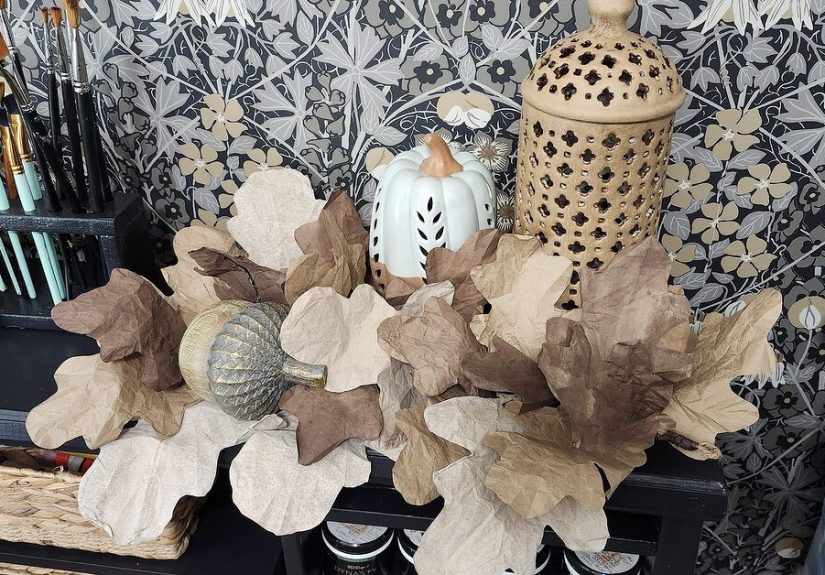
If you want a decoration that feels warm, handmade, and a little nostalgic without screaming “I spent my entire weekend and my last nerve on this,” this is it. Brown paper has that cozy kraft-paper look people love for autumn decorating. Cut it into maple leaves, give it some dimension, string it up, and suddenly your mantel, window, shelf, or dining area looks like it belongs in a magazine spread where nobody has mail piles.
In this guide, you’ll learn how to make a brown paper maple leaf garland from start to finish, which materials work best, how to make it look fuller and more polished, and how to style it so it looks intentionally seasonal instead of “my craft supplies exploded.”
Why a Brown Paper Maple Leaf Garland Works So Well
A maple leaf garland made from brown paper hits a sweet spot between rustic decor and modern minimalism. It feels natural, but it is still clean and stylish. Brown kraft paper also has texture and tone built right in, so even before you add any paint, ink, or twine, it already looks autumn-ready.
Another reason this DIY garland works so well is flexibility. You can keep it simple with plain brown leaves and jute string for a farmhouse look, or dress it up with gold paint, stitched details, layered leaf shapes, and soft neutral ribbons. It can lean cozy, elegant, playful, vintage, or even slightly dramatic if your inner fall goblin demands excellence.
Best of all, this is a low-cost DIY fall decor idea. You do not need fancy machines, expensive florals, or a suspiciously specific crafting tool that only gets used once every three years. A few basic supplies can create a garland long enough to style a mantel, staircase, entry table, bookshelf, or party backdrop.
Supplies You’ll Need
Basic Materials
- Brown kraft paper, brown paper bag paper, or lightweight cardstock
- Maple leaf template in 2–3 sizes
- Pencil
- Sharp scissors or a craft knife
- Twine, jute string, embroidery floss, or thin ribbon
- Hot glue gun or craft glue
- Hole punch or large needle if you want to stitch the leaves onto the string
Optional Extras for Extra Personality
- Chalk ink, watercolor, or acrylic paint in rust, mustard, copper, cream, or muted orange
- Gold leaf pen or metallic marker
- Distressing ink or brown stamp pad for the edges
- Wood beads or mini clothespins
- Double-sided tape for layering leaves
- Scoring tool or the back of a butter knife for adding veins
If you are deciding between kraft paper and cardstock, here is the practical answer: kraft paper gives you softness and movement, while cardstock gives you crispness and durability. If the garland is hanging in a high-traffic area or you want to reuse it every year, cardstock is the tougher option. If you want a slightly more relaxed, organic look, kraft paper is wonderful.
How to Make a DIY Brown Paper Maple Leaf Garland
Step 1: Choose Your Leaf Shapes and Sizes
Start with a maple leaf template in at least two sizes. Three sizes are even better because variation makes the garland look fuller and more natural. Real leaves are not clones, and your craft should not look like it came off an autumn assembly line.
A good rule is to make small, medium, and large leaves, then repeat them in a loose pattern. This adds movement and helps the garland drape better. If you are decorating a mantel or shelf, medium and large leaves usually show up best from a distance. If you are styling a tablescape or narrow window, smaller leaves can look more refined.
Step 2: Trace and Cut the Leaves
Trace your maple leaf template onto the brown paper. Cut slowly so the points and curves stay clean. Do not panic if a few leaves come out a little uneven. Handmade decor is allowed to look handmade. In fact, that is part of the charm. Perfection is for laser printers and emotionally unavailable countertops.
For a fuller garland, cut more leaves than you think you need. For a 6-foot garland, plan on roughly 24 to 40 leaves, depending on size and how densely you want them arranged.
Step 3: Add Texture and Color
This is where a plain paper leaf turns into something lovely. Gently fold each leaf in half lengthwise and reopen it. That center crease instantly gives it dimension. Then score or draw in a few veins branching outward from the center. You do not need botanical perfection here. You just want enough detail that the leaf catches light and shadow.
If you want a richer fall palette, lightly brush the edges with watercolor or watered-down acrylic paint in warm tones like burnt orange, terracotta, golden yellow, or deep red-brown. You can also use distress ink around the edges for a vintage finish. A quick swipe of metallic gold along a few leaf veins can make the whole garland look more polished without becoming glittery chaos.
Step 4: Layer for a Designer Look
One of the easiest ways to upgrade a paper leaf garland is layering. Cut a slightly smaller maple leaf from a second sheet of paper and glue it on top of a larger leaf. You can combine plain brown paper with book pages, vellum, cream cardstock, or muted plaid scrapbook paper if you want more texture.
Layering also helps the leaves hold their shape better. It makes the garland feel intentional and gives you that “Oh, this is cute-cute” reaction instead of “nice, paper happened.”
Step 5: Attach the Leaves to the Garland String
You have a few good options here:
- Glue method: Add a dot or line of hot glue to the back of each leaf and press it onto twine or ribbon.
- Sewn method: Use a needle and strong thread to stitch through the middle of each leaf.
- Hole-punch method: Punch tiny holes near the top of each leaf and thread the string through.
- Clip method: Attach leaves with mini clothespins for an easy-to-adjust display.
The glue method is the fastest. The sewn method gives the prettiest, most delicate drape. The hole-punch method is sturdy and easy for beginners. Pick the one that fits your patience level and caffeine status.
Step 6: Space and Arrange the Leaves
Lay the twine flat before attaching everything permanently. Alternate leaf sizes, directions, and spacing so the garland feels natural. Some leaves can angle left, some right, and a few can sit straight on. That variation creates motion and keeps the design from looking stiff.
If you want a denser look, overlap some leaves slightly. If you prefer a lighter, airy garland, leave a few inches between each one and add wood beads between clusters. For a dramatic autumn mantel, try creating two strands and draping them together.
Best Styling Ideas for a Brown Paper Maple Leaf Garland
On a Mantel
This is the classic. Drape the garland across the front of the mantel and let the ends hang naturally. Pair it with candles, mini pumpkins, thrifted brass, dried wheat, or a framed fall quote if you are feeling theatrical in a tasteful way.
Across a Window
A leaf garland across a window looks soft and beautiful when daylight shines through the paper. This works especially well if you add a little watercolor wash or metallic detailing. The leaves catch the light and make the whole room feel warmer.
Over a Shelf or Bookcase
If your home does not have a mantel, no problem. Drape the garland across a bookshelf, floating shelf, or console table. Tuck in a couple of pinecones, ceramic vases, or small stacks of books to create a simple fall vignette.
On a Dining Table
You can also use this DIY maple leaf garland as part of a fall tablescape. Instead of hanging it, run it down the center of the table. Keep it flatter and pair it with candles, neutral linens, and small seasonal accents. It makes a lovely Thanksgiving decoration without taking over the whole table like an overexcited centerpiece.
At a Party or Seasonal Gathering
This garland is also perfect for a fall birthday party, classroom event, baby shower, harvest dinner, or Friendsgiving backdrop. Make it longer, create multiple strands, and hang them behind a dessert table or entry area for an easy seasonal statement.
Tips to Make Your Garland Look Better Than Basic
- Mix finishes: Use matte brown paper with a few metallic accents for balance.
- Use more than one leaf size: Variety is what makes garlands feel lush.
- Do not overdecorate every leaf: A few detailed ones look elegant; all of them detailed looks busy.
- Test your spacing first: Always lay the design out before gluing.
- Give the leaves shape: Fold, curl, or gently bend them so they do not hang like flat little pancakes.
- Match your string to your style: Jute feels rustic, ribbon feels softer, and embroidery floss feels delicate.
Common Mistakes to Avoid
Using paper that is too flimsy: Super-thin paper can tear, sag, or curl in unflattering ways. If your paper feels one strong sneeze away from disaster, upgrade it.
Making every leaf identical: Real beauty comes from variation. Different sizes, small imperfections, and mixed angles make the garland feel organic.
Overloading the color palette: Brown paper already brings warmth. You do not need every shade of autumn fighting for attention. Choose two or three accents and let them work.
Ignoring the hanging surface: A long, full garland may look stunning on a mantel but too bulky across a small mirror or narrow shelf. Build for the space you actually have.
Why This DIY Project Is Great for Fall Decorating
A DIY brown paper maple leaf garland is one of those rare crafts that is both pretty and practical. It is inexpensive, customizable, lightweight, and easy to store. It fits farmhouse decor, cozy cottage decor, neutral fall decor, minimalist seasonal decor, and even classroom or party decorating.
It also gives you that handmade seasonal feeling people crave in the fall. There is something about cutting paper leaves, tying twine, and building a garland while the weather cools down that feels wonderfully grounding. It slows the room down. It adds softness. It says, “Yes, I do know where my cinnamon is.”
Unlike trend-heavy holiday decor that can feel dated by next Tuesday, a maple leaf garland made from brown paper feels timeless. The materials are simple, the colors are classic, and the style works year after year. You can keep it neutral, add embellishments, or remake it slightly each season based on your mood and your craft drawer situation.
Experience: What Making a DIY Brown Paper Maple Leaf Garland Actually Feels Like
The first time I made a brown paper maple leaf garland, I thought it would be a quick little project. You know, one of those “I’ll just make a simple fall decoration” plans that starts with confidence and ends with paper scraps in your hair. I set out a roll of kraft paper, grabbed scissors, twine, a mug of coffee, and fully believed I would be finished in under an hour. That optimism was adorable.
What actually happened was better. Once I started tracing leaf shapes, the whole thing became weirdly relaxing. There is something satisfying about repeating a simple form over and over until a pile of plain paper turns into a stack of maple leaves. It felt a little nostalgic, like a grown-up version of school crafts, except with better scissors and fewer glue disasters.
I experimented with different sizes, and that turned out to be one of the smartest choices. The smaller leaves filled in the gaps while the larger ones gave the garland presence. At first I kept the leaves flat, but they looked a bit lifeless. The minute I folded a center crease into them and curled the edges slightly, everything changed. Suddenly they looked less like paper cutouts and more like stylized fall leaves with movement and personality.
I also learned that brown paper is sneakily beautiful. On its own, it has a warm, earthy tone that already feels seasonal. But once I added just a little darker ink around the edges and brushed a few veins with muted copper paint, the leaves came alive. Not in a haunted-house way. In a “why does this look so expensive when it cost almost nothing?” way.
The stringing part took the most patience. I tried spacing every leaf evenly at first, and it looked too stiff. Then I loosened up and let some leaves overlap, turned a few sideways, and varied the distance between them. That made the garland look fuller and more natural. It reminded me that home decor often looks best when it is a little imperfect. Not sloppy, just human.
When I finally draped the finished garland across a shelf, it changed the whole room more than I expected. The paper added softness, the leaf shapes added detail, and the brown tones made everything around it feel warmer. A candle next to it looked cozier. A stack of books looked intentional. Even the pumpkin nearby seemed to be putting in better effort.
What surprised me most was how versatile it felt. I could imagine making the same project in different ways every year: simpler one season, more layered the next, maybe with wooden beads, maybe with hand-lettered names for a Thanksgiving table. It is one of those crafts that gives you a result quickly but still leaves room for creativity.
So if you are wondering whether a DIY brown paper maple leaf garland is worth making, my honest experience says yes. It is easy enough for a cozy afternoon project, attractive enough to display proudly, and flexible enough to suit almost any decorating style. It is also the kind of craft that makes your home feel cared for, which is really what seasonal decorating is all about. That, and giving your scissors a dramatic yearly comeback.
Conclusion
A DIY brown paper maple leaf garland is proof that beautiful fall decor does not need to be expensive, complicated, or overly precious. With a few simple materials and a little creativity, you can make a seasonal decoration that feels warm, handmade, and stylish. Whether you hang it across a mantel, drape it over a window, or style it along a table, this autumn craft adds texture, charm, and personality to your home. In other words, it is fall decorating at its most delightful: low stress, high reward, and just crafty enough to make you feel impressively put together.






 Close
Close