
Table of Contents >> Show >> Hide
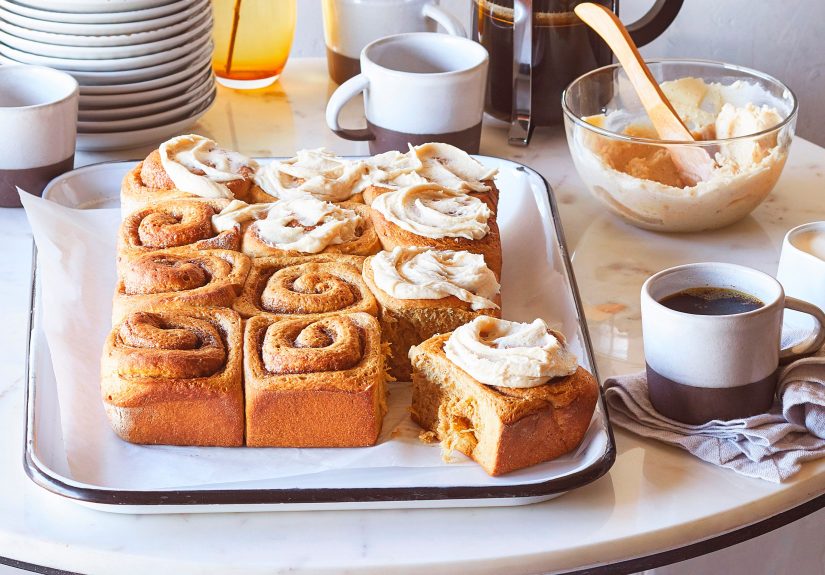
Cinnamon rolls are what happen when bread decides to become the main character. They are soft, rich, sweet, swirly, and just dramatic enough to make an ordinary morning feel like a holiday. A great cinnamon rolls recipe should deliver three things without negotiation: fluffy dough, a gooey cinnamon-sugar center, and frosting that melts into every spiral like it knows exactly why it was invited.
This version is built for home bakers who want bakery-style results without needing a culinary degree, a commercial mixer, or a spiritual awakening at 5 a.m. It uses an enriched yeast dough made with warm milk, butter, eggs, and just enough sugar to keep the rolls tender without weighing the dough down. The filling leans classic with brown sugar and cinnamon, while the frosting lands in the sweet spot between tangy and indulgent. In other words, this homemade cinnamon rolls recipe is here to make your kitchen smell like excellent life choices.
Why This Cinnamon Rolls Recipe Works
The best cinnamon rolls are not just sweet; they are balanced. The dough needs enough fat to stay soft, enough structure to hold a tight spiral, and enough moisture to bake up tender instead of dry. That is why this recipe uses milk for richness, butter for flavor, eggs for softness, and a proper rise for that pillowy texture everyone wants.
Brown sugar in the filling matters, too. It adds warmth, moisture, and a slightly caramel note that plain white sugar cannot quite match. The cinnamon stays bold but not bitter, and a little salt keeps the whole thing from tasting flat. The frosting finishes the job with cream cheese, butter, powdered sugar, vanilla, and a splash of milk for a spreadable finish. When it hits the warm rolls, it slides into the creases and basically starts paying rent.
Ingredients You’ll Need
For the Dough
- 1 cup whole milk, warmed until slightly warm to the touch
- 2 1/4 teaspoons active dry yeast or instant yeast
- 1/4 cup granulated sugar
- 2 large eggs, room temperature
- 1/3 cup unsalted butter, melted and slightly cooled
- 1 teaspoon kosher salt
- 4 to 4 1/2 cups all-purpose flour
For the Filling
- 1/2 cup unsalted butter, softened
- 3/4 cup packed light brown sugar
- 1 tablespoon ground cinnamon
- 1/8 teaspoon salt
For the Cream Cheese Frosting
- 4 ounces cream cheese, softened
- 3 tablespoons unsalted butter, softened
- 1 1/4 cups powdered sugar
- 1 teaspoon vanilla extract
- 1 to 2 tablespoons milk, as needed
- Pinch of salt
How to Make Cinnamon Rolls
1. Wake Up the Yeast
Pour the warm milk into a large bowl or the bowl of a stand mixer. Stir in the yeast and a spoonful of the sugar. Let it sit for about 5 to 10 minutes until it looks foamy. If it stays flat and lifeless, your yeast may be old or the milk may have been too hot. Baking is forgiving about some things, but dead yeast is not one of them.
2. Make the Dough
Add the remaining sugar, eggs, melted butter, and salt. Stir until combined. Add 4 cups of flour and mix until a shaggy dough forms. Knead for 8 to 10 minutes by mixer or about 10 minutes by hand, adding a little more flour only if the dough is very sticky. The finished dough should feel soft, slightly tacky, and elastic. If it feels like a stress ball, you added too much flour.
3. Let It Rise
Place the dough in a lightly greased bowl, cover it, and let it rise in a warm spot until doubled in size, about 1 to 1 1/2 hours. A cozy kitchen helps. So does patience. Yeast dough has no interest in your schedule.
4. Roll and Fill
Grease a 9-by-13-inch baking dish. Turn the risen dough onto a lightly floured surface and roll it into a rectangle about 14 by 18 inches. Spread the softened butter over the dough, leaving a small border around the edges. Mix the brown sugar, cinnamon, and salt, then sprinkle it evenly over the buttered surface.
This is the point where restraint becomes important. You may be tempted to add a mountain of filling. But too much sugar can leak out, burn on the bottom of the pan, and turn your beautiful rolls into a sticky hostage situation. Even coverage beats excess every time.
5. Shape the Rolls
Starting from the long side, roll the dough into a tight log. Use gentle, steady pressure so the spiral is snug but not smashed. Slice the log into 12 even pieces using a sharp knife or unflavored dental floss. Place the rolls in the prepared baking dish, spacing them evenly.
6. Rise Again
Cover the pan and let the rolls rise until puffy, about 30 to 45 minutes. They should look noticeably expanded and lightly touching. This second rise is what helps create that plush texture instead of a dense, bready interior.
7. Bake Until Golden and Soft
Heat the oven to 350°F. Bake the cinnamon rolls for 24 to 28 minutes, until the tops are lightly golden and the centers look set. If they start browning too fast, tent the pan loosely with foil for the last few minutes. Do not wait until they are deeply brown all over. Overbaked cinnamon rolls are the fastest route to breakfast disappointment.
8. Frost While Warm
Beat the cream cheese and butter until smooth. Add the powdered sugar, vanilla, salt, and enough milk to make a thick but spreadable frosting. Let the rolls cool for about 10 minutes, then spread the frosting over the top. Some of it will melt into the rolls, some will sit on top, and all of it will disappear faster than you expected.
Common Cinnamon Roll Problems and How to Fix Them
Why are my cinnamon rolls dry?
The usual culprit is too much flour or too much baking time. Dough should feel soft, not stiff. Measure flour carefully, and stop baking when the rolls are just cooked through.
Why didn’t my dough rise?
Check the age of your yeast, the temperature of your milk, and the temperature of your kitchen. Yeast likes warmth, not boiling liquid and not arctic countertop conditions.
Why did the filling leak out?
A little leakage is normal, but too much usually means the rolls were overfilled, loosely rolled, or cut too roughly. Spread the filling evenly and roll the dough tightly without crushing it.
Why are my rolls dense instead of fluffy?
Dense cinnamon rolls usually come from under-kneaded dough, not enough rise time, or too much flour. The dough needs gluten development and enough time to puff up before baking.
Make-Ahead, Storage, and Reheating Tips
If you want fresh cinnamon rolls in the morning without turning sunrise into a part-time job, use the overnight method. After shaping the rolls and placing them in the pan, cover and refrigerate them overnight. The next morning, let them sit at room temperature until puffy, then bake as directed.
Store leftover rolls covered at room temperature for a day or in the refrigerator for up to 4 days. Reheat individual rolls for a few seconds in the microwave or warm the whole pan in a low oven. Cinnamon rolls are one of those rare leftovers that still feel like an event, especially with coffee and an unreasonable amount of optimism.
You can also freeze them. Freeze unfrosted baked rolls once cooled, then thaw and warm before adding frosting. Freeze frosting separately for the best texture.
Easy Variations on This Cinnamon Rolls Recipe
Once you master the base recipe, you can play a little. Add orange zest to the frosting for a brighter finish. Stir chopped pecans into the filling for crunch. Swap a tablespoon of the cinnamon for cardamom if you want a more bakery-style flavor. For a holiday version, add a pinch of nutmeg and cloves. For a richer center, brush the dough with a little heavy cream just before baking. Purists may raise an eyebrow, but your taste buds will be too busy celebrating to care.
You can also skip the cream cheese frosting and use a simple vanilla glaze if that is more your speed. But let us be honest: cream cheese frosting is rarely the wrong answer.
Kitchen Experience: What This Cinnamon Rolls Recipe Feels Like in Real Life
There is a specific kind of confidence that comes from making cinnamon rolls from scratch. It is not loud confidence. It is not “look at me, I climbed a mountain” confidence. It is quieter and somehow more powerful. It is “I made enriched dough rise twice before noon and now my kitchen smells like a bakery” confidence. That energy carries a person through an entire weekend.
The first time I made a proper cinnamon rolls recipe, I learned immediately that the dough tells the truth. If it is too dry, it feels cranky. If it is well kneaded, it turns smooth and elastic and starts acting like it has a future. Rolling it out is strangely calming, especially once the butter goes on and the cinnamon sugar starts covering the surface. At that stage, the recipe stops feeling like a technical project and starts feeling like a reward.
What surprises people most is how sensory the whole process is. You feel the dough relax under the rolling pin. You smell the yeast and warm milk before the cinnamon even enters the room. Then the filling hits, and suddenly the entire kitchen smells like a snow day, a family brunch, and every good decision anyone has ever made with butter. Even before baking, the pan of sliced rolls looks promising in that “these are about to become a problem” sort of way.
I have also learned that cinnamon rolls are deeply social food. Cookies can be casual. Muffins can be practical. Cinnamon rolls, however, create a reaction. People wander into the kitchen “just to check something.” They ask how long is left. They offer completely unnecessary help. They become emotionally invested in frosting thickness. Nobody treats cinnamon rolls with indifference because cinnamon rolls clearly did not show up to be background food.
There is also a useful life lesson hidden in the second rise. The rolls look decent before it happens, but they become noticeably softer and more beautiful after a little extra time. That is both good baking advice and suspiciously good advice in general. Rushing them rarely leads anywhere good. Giving them time usually does.
Another thing I appreciate about this recipe is that it rewards practice fast. The first batch might be slightly uneven, a little overbrowned on one side, or frosted with the enthusiasm of someone who lost patience near the end. But even imperfect cinnamon rolls are still warm, sweet, and homemade. By the second or third batch, the shaping gets neater, the timing feels familiar, and you start making tiny personal adjustments like more cinnamon, less frosting, or extra salt in the filling. That is when the recipe becomes yours.
In real life, this cinnamon rolls recipe is not just about breakfast. It is about making something that slows people down for a minute. It is about a pan on the counter, a knife sliding through soft spirals, and that quiet little pause before the first bite when everyone realizes these are not store-bought. The edges are sticky, the centers are tender, and the frosting melts into every layer exactly the way it should. It is cozy, slightly messy, gloriously buttery, and absolutely worth the flour on the counter.
And yes, you will probably promise yourself you are only having one. That is adorable.






 Close
Close