
Table of Contents >> Show >> Hide
- What Is Chicken Cacciatore?
- Why This Recipe Works (Without Making You Cry)
- Chicken Cacciatore Ingredients
- Step-by-Step: How to Make Chicken Cacciatore
- Pro Tips for Restaurant-Style Results
- Variations (Because Your Pantry Has Opinions)
- What to Serve with Chicken Cacciatore
- Make-Ahead, Storage, and Reheating
- FAQ
- Conclusion
- Real-Kitchen Experiences: What It’s Like to Make Chicken Cacciatore (and Love It)
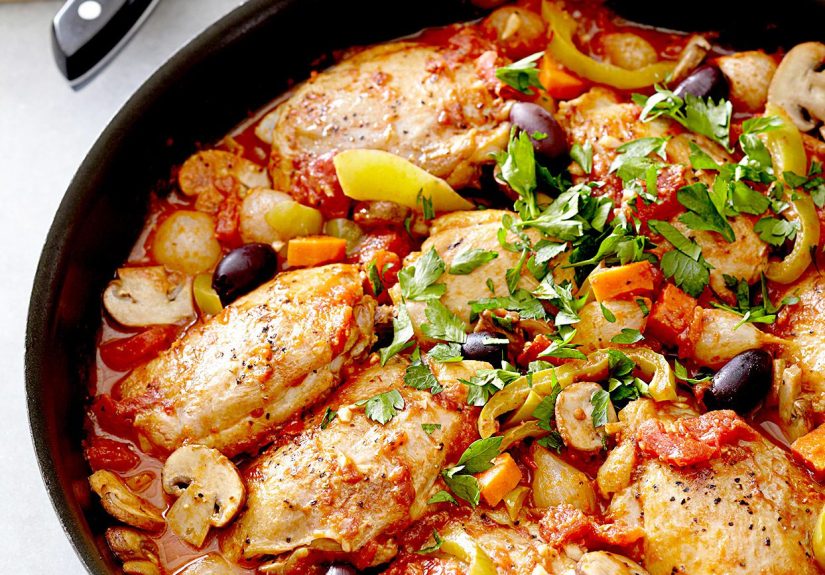
Chicken cacciatore is the cozy, saucy Italian-American dinner that somehow tastes like you spent all day cooking…
even when you absolutely did not. It’s “hunter-style” chickenbrowned chicken pieces braised in a tomato-forward
sauce with aromatics, herbs, and whatever vegetables make you feel like a competent adult (peppers and mushrooms
are the usual overachievers).
This version leans classic, practical, and weeknight-friendly: deep flavor from browning, a sauce you’ll want to
drag crusty bread through, and flexible ingredients so you can use what’s in the fridge without turning it into
“Chicken Regret-iatore.”
What Is Chicken Cacciatore?
“Cacciatore” translates to “hunter,” and the dish is best understood as a rustic braise: chicken simmered in a
savory sauce built from onions/garlic, tomatoes, herbs, and often wine. Many American versions add bell peppers
and mushrooms for sweetness and earthiness, while some variations include olives or capers for a salty-briny pop.
The unifying theme: one pan, big comfort, and a sauce that makes pasta very happy.
Why This Recipe Works (Without Making You Cry)
1) Browning = flavor insurance
Searing the chicken creates a rich base (those browned bits on the pan are basically edible gold). That foundation
is what keeps the final sauce tasting layered instead of “tomato soup that met a chicken once.”
2) A balanced sauce: savory, bright, and a little sweet
Tomatoes bring body, wine adds acidity and depth, and sautéed onions/peppers round everything out. A small finish
of fresh herbs wakes up the whole pot so it tastes vibrant, not heavy.
3) Thighs stay juicy, breasts can work (with a plan)
Bone-in, skin-on thighs are the easiest path to tender, flavorful chicken that can handle simmering. If you prefer
breasts, you’ll just add them later (so they don’t overcook and file a complaint).
Chicken Cacciatore Ingredients
This is the “greatest hits” lineup. Don’t stress if you need to swapcacciatore is famously forgiving.
For the chicken
- 2 1/2 to 3 pounds chicken thighs and/or drumsticks (bone-in preferred)
- 1 1/2 teaspoons kosher salt, plus more to taste
- 3/4 teaspoon black pepper
- 2–3 tablespoons olive oil
- 2 tablespoons all-purpose flour (optional, for slightly thicker sauce)
For the sauce
- 1 large yellow onion, sliced
- 1 red bell pepper, sliced (use yellow/orange too if you like)
- 8 ounces cremini mushrooms, sliced
- 4–5 garlic cloves, minced
- 1 tablespoon tomato paste
- 1/2 to 3/4 cup dry red wine (or dry white wine)
- 1 (28-ounce) can crushed tomatoes (or whole peeled, crushed by hand)
- 1/2 cup chicken broth (more as needed)
- 1 teaspoon dried oregano
- 1/2 teaspoon dried thyme (or 2–3 fresh sprigs)
- 1 bay leaf
- Pinch red pepper flakes (optional, but fun)
- 2 tablespoons chopped parsley or basil (for finishing)
- Optional: 2 tablespoons capers or 1/3 cup olives
Good-to-know swaps
| Ingredient | Swap | What changes |
|---|---|---|
| Red wine | White wine or extra broth + 1 tsp vinegar/lemon | Red = deeper, white = brighter |
| Mushrooms | Skip or use zucchini/extra peppers | Less earthiness, still delicious |
| Crushed tomatoes | Whole peeled (hand-crushed) or diced | Whole peeled often tastes smoother |
| Flour | Skip (gluten-free) or use cornstarch slurry at the end | Flour = subtle body, slurry = glossy thickness |
Step-by-Step: How to Make Chicken Cacciatore
Step 1: Prep the chicken
Pat the chicken dry (this helps it brown). Season with salt and pepper. If using flour, lightly dust the chicken
think “a whisper,” not “breaded cutlet cosplay.”
Step 2: Brown the chicken
Heat olive oil in a large Dutch oven or deep skillet over medium-high heat. Brown chicken in batches, about
4–6 minutes per side, until golden. Transfer to a plate.
Step 3: Build the sauce base
Reduce heat to medium. Add onion and bell pepper; sauté 4–5 minutes until they start softening.
Add mushrooms and cook 5 minutes more, until they give off liquid and begin to brown. Stir in
garlic and tomato paste; cook 1 minute until fragrant.
Step 4: Deglaze (aka: rescue all the flavor)
Add wine and scrape up browned bits from the bottom. Simmer 2–4 minutes to reduce slightly.
Your kitchen should now smell like you know what you’re doing.
Step 5: Braise
Add crushed tomatoes, broth, oregano, thyme, bay leaf, and red pepper flakes. Stir and bring to a gentle simmer.
Nestle chicken back into the sauce (juices included). Cover partially and simmer 30–40 minutes,
turning chicken once, until tender and cooked through.
Step 6: Finish and adjust
Remove lid and simmer 5–10 minutes to thicken if needed. Taste and adjust salt, pepper, and
acidity (a tiny splash of vinegar or lemon can brighten a sauce that tastes “flat”). Stir in capers/olives if
using. Finish with parsley or basil.
Food safety note
Chicken is done when it reaches 165°F in the thickest part. Thighs often feel best closer to
175–190°F, where connective tissue melts and the meat turns extra tender.
Pro Tips for Restaurant-Style Results
-
Don’t crowd the pan. Crowding steams chicken instead of browning it. Brown in batches and
pretend you’re starring in a cooking show montage. -
Go easy on sugar. If your tomatoes are very acidic, add a pinch of sugardon’t turn it
into pasta sauce from a jar (unless that’s your goal, in which case… live your truth). -
Use good tomatoes. This dish is tomato-driven. If you can, choose a quality canned tomato
(many cooks love Italian-style whole peeled or San Marzano-labeled options). -
Finish with fresh herbs. Dried herbs build the simmered flavor; fresh herbs at the end bring
brightness that reads as “wow.” - Let it rest. Ten minutes off the heat helps the sauce thicken slightly and flavors settle in.
Variations (Because Your Pantry Has Opinions)
Classic stovetop + oven braise
Prefer hands-off cooking? After Step 5, cover and move to a 350°F oven for
35–45 minutes until tender. (Same flavor, less hovering.)
Slow cooker chicken cacciatore
Brown the chicken and sauté the aromatics first (that step is worth it). Then add everything to the slow cooker
and cook on LOW 6–7 hours or HIGH 3–4 hours. Finish with fresh herbs and adjust
seasoning.
Instant Pot / pressure cooker
Use sauté mode to brown chicken and soften vegetables. Pressure cook on HIGH 10 minutes (for
thighs), then natural release for 10 minutes and quick release the rest. Reduce sauce on sauté
if needed.
Lighter version
Use skinless thighs, add extra mushrooms and peppers, and serve over zucchini noodles or cauliflower mash. It’s
still comfort foodjust wearing sneakers.
What to Serve with Chicken Cacciatore
- Pasta: spaghetti, linguine, or rigatoni (sauce loves ridges)
- Polenta: creamy polenta is basically a sauce magnet
- Rice: white rice, brown rice, or even farro
- Crusty bread: for the important work of “plate cleanup”
- Something green: a simple salad, sautéed broccoli, or garlicky greens
Make-Ahead, Storage, and Reheating
Chicken cacciatore is one of those meals that tastes even better the next day because the sauce has time to fully
get acquainted with itself.
- Refrigerate: up to 4 days in an airtight container
- Freeze: up to 3 months (thaw overnight in the fridge)
-
Reheat: gently on the stovetop over medium-low, adding a splash of broth if the sauce thickened
too much
FAQ
Can I use boneless chicken?
Yes. Boneless thighs work greatstart checking around 20–25 minutes of simmering. If using
breasts, add them later and simmer gently until just cooked, so they stay juicy.
Why is my sauce watery?
Two common reasons: the pan never reached a true simmer, or the lid was too tight the whole time. Uncover and
simmer 5–10 minutes to reduce. You can also mash a few pieces of tomato into the sauce for extra body.
How do I fix sauce that tastes too acidic?
Add a little more salt first (it often corrects “sharpness”), then try a small pinch of sugar or a knob of butter
to round edges. Balance is the goal, not sweetness.
Do I have to use wine?
Not at all. Swap with extra broth plus a teaspoon of vinegar or lemon juice to mimic the brightness wine adds.
Conclusion
Chicken cacciatore is the dinner equivalent of a warm blanket: browned chicken, a bold tomato sauce, and a bunch
of vegetables that simmer into something far greater than the sum of their parts. Make it once, then make it your
ownswap the vegetables, choose your wine (or don’t), and pick your favorite carb for sauce delivery. The only
non-negotiable is this: don’t waste that sauce.
Real-Kitchen Experiences: What It’s Like to Make Chicken Cacciatore (and Love It)
The first time many people make chicken cacciatore, they’re surprised by how “fancy” it smells compared to how
simple it is. That’s the magic of browning and deglazing: you do a little sizzling up front, and suddenly your
kitchen smells like a small Italian restaurant where someone calls you “boss” while refilling your water. The
best part is that the recipe actively rewards normal-life shortcuts. Forgot to chop perfectly? Doesn’t matter.
Sliced the peppers a little thick? Greatmore texture. Used a second pan because your skillet wasn’t deep enough?
Still counts as one-pot energy.
One common “aha” moment happens right after you pour in the wine (or broth) and scrape the bottom of the pan.
Those browned bits look like they’re stuck foreveruntil they aren’t. They melt into the liquid and instantly
deepen the sauce. If you’ve ever wondered why restaurant braises taste richer, that little step is a huge reason.
It’s also where confidence appears out of nowhere: you go from “I’m just cooking chicken” to “I’m building flavor
layers,” which sounds like something you’d say while wearing a chef coat you definitely do not own.
Another real-life detail: chicken cacciatore is incredibly forgiving about timing. Simmered 10 minutes longer
because the kids needed help with homework, the dog required a dramatic walk, or you fell into a social media
rabbit hole? Thighs are still tender, sauce is even better, and nobody has to know. In fact, the dish often
improves with gentle extra time because the sauce thickens and the flavors round out. (Breasts are the exception:
treat them gently and add them later if possible. They don’t love extended simmering the way thighs do.)
Serving it is its own small joy. Over pasta, it feels like a classic Sunday dinner. Over polenta, it turns cozy
and rustic. Over rice, it becomes weeknight comfort with minimal effort. And if you serve it with crusty bread,
you’ll notice an interesting phenomenon: people mysteriously become “sauce archaeologists,” scraping the plate to
uncover every last drop as if the bottom contains treasure. (It does. The treasure is flavor.)
Leftovers are where chicken cacciatore quietly becomes a meal-prep champion. The next day, the sauce tastes more
unifiedless like separate ingredients and more like one cohesive, savory thing. Many home cooks end up using the
leftovers in creative ways: stuffing into a toasted roll for a sloppy-but-glorious sandwich, spooning over baked
potatoes, or simmering with a splash of broth and tossing with pasta for a quick “second dinner.” If the sauce
thickens a lot in the fridge, that’s normal. Warm it gently and add a small splash of broth or water until it’s
glossy again.
The most consistent feedback from real kitchens is this: chicken cacciatore feels impressive without being
stressful. It’s not a delicate soufflé that collapses if you breathe wrong. It’s a sturdy, generous braise that
welcomes substitutions and still tastes like you meant to do that. Make it once as written, then start putting
your own stamp on itextra mushrooms, a handful of olives, a little heat, or more herbs. It’s the kind of recipe
that becomes “your” recipe fast, which is the nicest compliment a dinner can get.






 Close
Close