
Table of Contents >> Show >> Hide
Costco is a wonderful place to save money, overspend money, and somehow leave with a kayak, a 48-pack of granola bars, and the vague feeling that you’ve been financially responsible. The trick is knowing which bulk buys are actually smart. Not everything sold in giant packages is a bargain. Some foods spoil before you finish them. Others fade in flavor, go rancid, or become a pantry monument to your former ambitions.
But a few Costco staples are the exact opposite. They’re inexpensive by the unit, genuinely useful, and sturdy enough to hang out in your pantry for years when stored properly. These are the workhorse items that make sense for families, frequent cooks, meal preppers, and anyone who wants to stop paying “tiny package, giant price” rates at regular grocery stores.
Below are eight Costco items worth buying in bulk because they have long shelf lives, serious everyday usefulness, and the kind of value that makes your inner bargain hunter stand up and slow clap.
What Makes a Costco Item a Great Long-Term Buy?
A smart Costco pantry purchase usually checks three boxes. First, it has a long shelf life, so you’re not racing a spoilage clock. Second, you actually use it often enough to justify the warehouse-size package. Third, the per-unit price is meaningfully lower than what you’d pay at a standard supermarket.
That’s why this list leans toward shelf-stable pantry basics instead of trendier “treat yourself” items. Giant bags of chips are fun. Giant bottles of vanilla, sacks of rice, and pantry staples you’ll reach for every week? That’s where the long-game savings live.
1. White Rice
If you want one Costco staple that quietly saves money all year long, start with white rice. It’s cheap per serving, flexible enough to work in dozens of meals, and it stores far better than brown rice. That last point matters. Brown rice contains more natural oils, which means it has a shorter shelf life. Plain white rice is the pantry marathon runner.
A big bag from Costco can become the base for stir-fries, burrito bowls, soups, casseroles, side dishes, and emergency “What exactly is dinner?” situations. Even better, rice stretches pricier ingredients like chicken, beans, eggs, and vegetables, which can lower the cost of an entire meal.
To make the most of it, store rice in airtight containers in a cool, dry place. If you buy a truly jumbo bag, dividing it into smaller bins or food-safe containers helps protect it from moisture, pantry pests, and the classic tragedy of one ripped bag turning your pantry floor into a tiny snowdrift of carbs.
2. Dried Pasta
Dried pasta is one of those boring pantry heroes that deserves more applause than it gets. It lasts for years, feeds a crowd cheaply, and makes dinner feel more intentional even when you’re basically winging it with garlic, olive oil, and a little confidence.
Costco often sells multipacks or large boxes of pasta that beat supermarket pricing, especially if you cook pasta even semi-regularly. A warehouse pack can carry you through weeknight dinners, pasta bakes, soups, pasta salads, and those “company is coming in 40 minutes” moments when noodles become your best friend.
The real magic is that pasta pairs with nearly everything. Fancy sauce? Great. Butter and Parmesan? Still great. Leftover roasted vegetables? Suddenly elegant. Because dried pasta is so versatile, it’s one of the easiest bulk buys to use up without waste.
Keep it sealed and dry, and rotate older boxes to the front. That’s it. Pasta is low-maintenance, budget-friendly, and refreshingly unconcerned with drama.
3. Canned Tuna
Canned tuna is one of the best “future you will be grateful” Costco purchases. It keeps for years, offers affordable protein, and turns pantry meals from sad to surprisingly respectable. A multi-pack from Costco can be a real money saver for lunches, quick dinners, and backup meals when the fridge looks emotionally unavailable.
Tuna is especially useful because it’s more than just a sandwich filler. You can stir it into pasta, mix it with rice, use it for patties, add it to salads, or turn it into a fast casserole. In other words, it earns its shelf space.
When buying canned goods in bulk, condition matters. Choose cans without dents on the seams, bulging lids, rust, or leaks, and store them in a cool, dry cupboard. If the can stays in good shape, tuna gives you one of the cheapest convenient proteins you can keep on hand for the long haul.
For shoppers trying to lower takeout spending, this is a sneaky winner. A few cans of tuna plus pantry staples can become dinner faster than a delivery app can ask whether you’d like to tip 27%.
4. Granulated Sugar
Sugar is one of the most dependable bulk buys in the warehouse. It doesn’t spoil in the usual sense, it’s relatively inexpensive in large bags, and it gets used in more places than most people realize. Yes, baking. But also sauces, coffee, tea, quick breads, homemade desserts, fruit preparations, and even some savory marinades.
If your household bakes during the holidays, makes pancakes on weekends, or keeps a dessert-loving person within a 20-foot radius of the kitchen, a large Costco bag of granulated sugar makes a lot of sense. It’s also handy for preserving fruit and for balancing acidity in tomato sauces and dressings.
The only real enemy here is moisture. Once sugar picks up humidity, it clumps and becomes less pleasant to work with. Transfer it to an airtight container or sealed food-safe bucket and store it somewhere cool and dry. Do that, and it’ll sit patiently until cookie season, pie season, birthday season, or “I had a day and need brownies” season.
5. Honey
Honey is practically the overachiever of the pantry. It lasts an incredibly long time, works in sweet and savory recipes, and gives you a natural sweetener that can pull its weight in everything from tea to glazes. A big Costco bottle may look excessive at first, but for households that actually use honey, it can be a terrific buy.
One reason honey works so well as a bulk purchase is that it’s versatile. Drizzle it into oatmeal, whisk it into vinaigrettes, stir it into yogurt, brush it onto roasted vegetables, use it in marinades, or add it to baking. A little goes a long way, but over time, that large bottle starts to look less like overkill and more like good planning.
If your honey crystallizes, don’t panic and declare it deceased. Crystallization is normal. Set the container in warm water and it usually smooths back out. Store honey tightly sealed in a cool, dry place, and avoid introducing moisture or dirty utensils into the container.
In short, honey is a warehouse-size purchase with very little risk and a whole lot of everyday payoff.
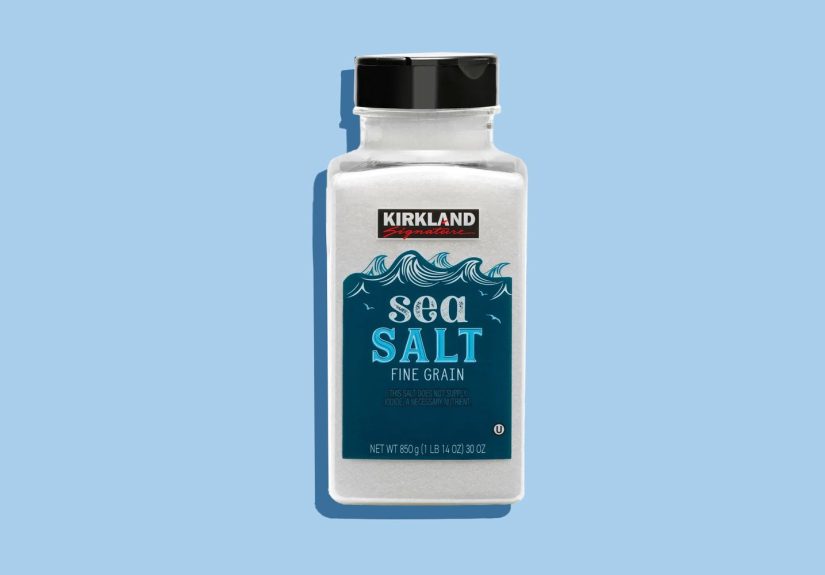
6. Sea Salt
Salt may be the least glamorous item in your cart, but it’s one of the smartest. It lasts essentially forever if kept dry, and you use it constantly. Whether you’re seasoning pasta water, roasting vegetables, baking bread, finishing grilled meat, or salting chocolate chip cookies like the kitchen genius you are, salt is always in the game.
Costco’s larger salt containers are usually far more economical than tiny grocery store jars, and because salt is used in such small amounts at a time, one purchase can last ages. That makes it ideal for anyone who cooks often and hates paying premium prices for basic ingredients in adorable but unnecessary packaging.
The storage rule is simple: keep it dry. Moisture causes clumping and annoyance. Otherwise, salt is about as low-risk as bulk buying gets. It won’t surprise you, spoil on you, or demand special treatment. It will just sit there, being useful, like the dependable friend who always shows up with jumper cables.
7. Distilled White Vinegar
Distilled white vinegar is the Swiss Army knife of warehouse shopping. It lasts for a very long time, costs very little by the ounce, and earns its keep in both the kitchen and the laundry room. That double-duty value is exactly what makes it such a smart Costco purchase.
In cooking, vinegar brightens dressings, sharpens marinades, balances sauces, and can be used in pickling projects. Outside the kitchen, many people use white vinegar for cleaning tasks, deodorizing, or fabric care. So even if you’re not pouring it into recipes every day, it rarely goes unused.
Because white vinegar is highly acidic and stable, it stores beautifully in a cool, dark place. If you’re buying a large jug, you can keep the main container tucked away and refill a smaller bottle for everyday use. That’s a little trick that makes bulk buying feel less like you’re running a restaurant supply closet out of your pantry.
This is one of those purchases that saves money in a sneaky way: one low-cost jug can cover both pantry and household jobs for a long time.
8. Pure Vanilla Extract
Vanilla extract is where Costco can really shine for bakers. Pure vanilla is famously pricey in small bottles, so buying a larger quantity at warehouse pricing can be a real win. And because vanilla has alcohol in it, it’s shelf-stable for years when stored properly.
This is not just a holiday baking purchase, either. Vanilla shows up in cakes, cookies, muffins, pancakes, waffles, frostings, oatmeal, whipped cream, smoothies, and even coffee drinks. If you bake regularly, one or two larger bottles from Costco can cost less per ounce than the tiny supermarket version that somehow empties itself after three batches of cookies.
Store vanilla tightly sealed, away from heat and direct light. Over time, you may notice sediment or cloudiness, but that doesn’t automatically mean it’s gone bad. In many cases, a shake is all it needs. The bigger point is this: vanilla is one of the few “specialty” pantry items that actually deserves a bulk-buy strategy if you use it often.
How to Make These Costco Buys Last Even Longer
Buying long-lasting food is only half the battle. Storing it properly is where the savings become real. A few simple habits can protect your pantry investment:
- Transfer dry goods like rice and sugar into airtight containers.
- Keep pantry staples away from heat, sunlight, and humidity.
- Label containers with the purchase date so you rotate older stock first.
- Inspect canned goods before use and toss anything leaking, bulging, or badly damaged.
The goal is not to build a bunker pantry worthy of a survival documentary. The goal is to buy smart, reduce waste, and make sure what you buy at Costco gets used while it still tastes great.
My Experience With “Forever Foods” From Costco
Here’s the funny thing about shopping at Costco: the real savings usually don’t come from the flashy stuff. They come from the boring items you almost forget to brag about. I’ve had trips where I felt wildly victorious over a giant snack haul, only to watch half of it go stale before the family could finish it. Meanwhile, the unexciting pantry basics kept quietly proving their worth month after month.
White rice was one of the first bulk buys that made me feel like I’d finally cracked the Costco code. At first, a giant bag seemed excessive. Then it started showing up everywhere: rice bowls one night, soup the next, fried rice from leftovers the day after that. Suddenly the bag wasn’t giant at all. It was just practical. It also made weeknight cooking less expensive because I could bulk up meals without relying on pricier convenience foods.
Pasta worked the same way. A regular grocery store box disappears almost instantly in a hungry household, but a Costco multipack feels like a little insurance policy against chaotic evenings. There is something deeply comforting about knowing that no matter how disorganized the day gets, you’re still about 15 minutes away from a decent dinner. Toss in canned tuna, garlic, or whatever vegetables are hanging around, and dinner goes from “help” to “handled.”
The biggest surprise, though, was how much I came to appreciate the so-called “ingredient” items: honey, sugar, vinegar, salt, and vanilla. These aren’t glamorous purchases. No one wheels a giant bottle of vanilla extract through the warehouse feeling like a lifestyle influencer. But these are the buys that keep paying off. The honey gets used in tea, dressings, and marinades. The vinegar pulls double duty in recipes and around the house. The vanilla saves money every single baking season. And salt? Salt just sits there being the MVP of nearly everything you cook.
I also learned one important rule the hard way: long shelf life does not mean lazy storage. A ripped rice bag, a humid pantry, or a loosely closed sugar container can turn a great deal into an irritating mess. Once I started decanting dry goods into sturdy containers and labeling them, the savings became much more obvious. Less waste, fewer duplicate purchases, and fewer “Wait, didn’t we already have this?” moments.
That’s really the sweet spot with Costco. It isn’t about buying the biggest package possible just because it exists. It’s about buying the biggest package that your household will actually use well. When you get that right, these long-lasting pantry staples become more than good deals. They become the foundation of cheaper, easier, less stressful meals for a very long time.
Final Take
If you want to save real money at Costco, think like a pantry realist, not a cart-filling thrill seeker. The best bulk buys are ingredients that last, get used often, and lower the average cost of everyday meals. White rice, dried pasta, canned tuna, sugar, honey, salt, vinegar, and vanilla extract may not be the most exciting items in the warehouse, but they are some of the most practical.
In other words, skip the panic-buy energy. Build a pantry that’s useful, durable, and actually delicious. Your future self, your grocery budget, and your Tuesday-night dinner plans will all be very impressed.
SEO Tags
Note: Costco inventory, packaging, and Kirkland equivalents can vary by warehouse and season, so use this as a category-based shopping guide rather than a fixed product list.







 Close
Close