
Table of Contents >> Show >> Hide
- What Chemotherapy Actually Targets
- How Chemotherapy Drugs Work (Without a PhD Required)
- Why Chemo Is Often Given in Combinations
- Chemo Goals: It’s Not Always “One Size Fits All”
- How Chemo Gets Into the Body
- Why Chemo Happens in Cycles
- Side Effects: The “Collateral Damage” Explanation
- Chemo vs. Targeted Therapy vs. Immunotherapy (Quick, Helpful Contrast)
- What “Working” Looks Like (It’s Not Always Instant)
- Questions People Commonly Ask Before Starting Chemotherapy
- Big Picture: The Science Is ToughBut the Plan Is Thoughtful
- Real-World Experiences With Chemotherapy (The Human Side) Extra Section
- The first infusion: longer than expected, emotionally louder than expected
- Side effects are rarely dramatic movie scenesmore like annoying plot twists
- Hair loss can be surprisingly emotional, even when you think you’re prepared
- The calendar becomes a character
- Support looks practical, not poetic
- Communication with the care team becomes a superpower
- Conclusion
- SEO Tags
Chemotherapy gets called “chemo” like it’s a casual acquaintance. But chemo is more like a very serious group project: powerful drugs, complicated schedules, a whole team involved, and a lot of “wait… why is my mouth tasting like pennies?” moments.
In plain English, chemotherapy is cancer treatment using medicines that slow down or destroy cancer cells. The twist: many chemo drugs aren’t picky eaters. They also affect healthy cells that grow quicklylike cells in your hair follicles, digestive tract, and bone marrow. That’s why chemo can work so well and why it can cause side effects.
What Chemotherapy Actually Targets
Cancer’s “main character energy”: nonstop cell division
Most cancers grow because cells keep dividing when they shouldn’t. Normal cells have rules: grow, do your job, retire gracefully. Cancer cells ignore the rulebook and keep multiplying. Many chemotherapy drugs take advantage of this by aiming at the cell-division processespecially DNA copying and the machinery cells use to split into two.
Why cell division matters
Cells divide in stages (often called the cell cycle). Some chemo drugs work best during specific stageslike when DNA is being copied. Other drugs can hit cells in several stages. This idea influences how chemo is scheduled: you often get treatment in repeating “cycles” so the drugs can catch more cancer cells as they move through division over time.
How Chemotherapy Drugs Work (Without a PhD Required)
Chemo isn’t one drug. It’s a big toolbox. Different drug classes attack cancer in different ways, and oncologists often combine them to hit cancer from multiple angleskind of like using both a password and two-factor authentication (except… with cells).
1) DNA damage: “You can’t copy what you can’t read”
Many chemo drugs work by damaging DNA or preventing it from being copied correctly. If a cancer cell can’t copy its DNA, it can’t divide successfully. Depending on the drug and the cancer type, this can slow growth, trigger cell death, or make the cancer more vulnerable to other treatments.
- Alkylating agents (example: cyclophosphamide) can attach chemical groups to DNA, making it harder for cells to replicate accurately.
- Platinum drugs (examples: cisplatin, carboplatin) can create DNA crosslinksthink of it like stapling pages together so they can’t be copied smoothly.
2) Blocking DNA building blocks: “No supplies, no project”
Some drugs interfere with the ingredients cells need to build new DNA. A classic example is blocking enzymes involved in DNA synthesis. If cells can’t build DNA, they can’t divide.
- Antimetabolites (examples: methotrexate, 5-fluorouracil (5-FU)) mimic or block key molecules cells use to create DNA.
3) Jamming the “copy-and-paste” enzymes
Cells rely on enzymes that manage DNA during replication. Some chemo drugs target these enzymes so DNA can’t unwind, rewind, or repair properly.
- Topoisomerase inhibitors (examples include certain drugs used in common regimens) disrupt enzymes that help DNA strands uncoil and rejoin during copying.
- Anthracyclines (example: doxorubicin) can damage DNA and disrupt replication in multiple ways.
4) Stopping the cell from physically dividing
To split into two, a cell uses internal “scaffolding” structures (microtubules) like tiny conveyor belts. Some chemo drugs freeze or break that system, so cells get stuck mid-division.
- Taxanes (example: paclitaxel) can stabilize microtubules so cells can’t divide normally.
- Vinca alkaloids (example: vincristine) can prevent microtubules from forming properly.
Why Chemo Is Often Given in Combinations
If cancer were a villain in a movie, it wouldn’t monologue and give up easily. Cancer cells can vary inside the same tumor, and some can survive a single drug. Combination chemotherapy uses multiple drugs with different mechanisms to:
- attack cancer cells at different stages of the cell cycle,
- reduce the odds that resistant cells survive,
- and sometimes allow lower doses of each drug while keeping strong overall impact.
That’s why you’ll hear about “regimens” (specific drug combinations and schedules) with names that sound like secret missions. They’re carefully designed patterns, not random chaos.
Chemo Goals: It’s Not Always “One Size Fits All”
Curative vs. controlling vs. comfort-focused
Chemotherapy can be used in different ways depending on the cancer and the treatment plan:
- Curative intent: the plan aims to eliminate the cancer.
- Adjuvant chemotherapy: given after surgery or radiation to wipe out leftover microscopic cells.
- Neoadjuvant chemotherapy: given before surgery to shrink a tumor and make removal easier.
- Palliative chemotherapy: used to slow cancer growth and ease symptoms, even if a cure isn’t the goal.
How Chemo Gets Into the Body
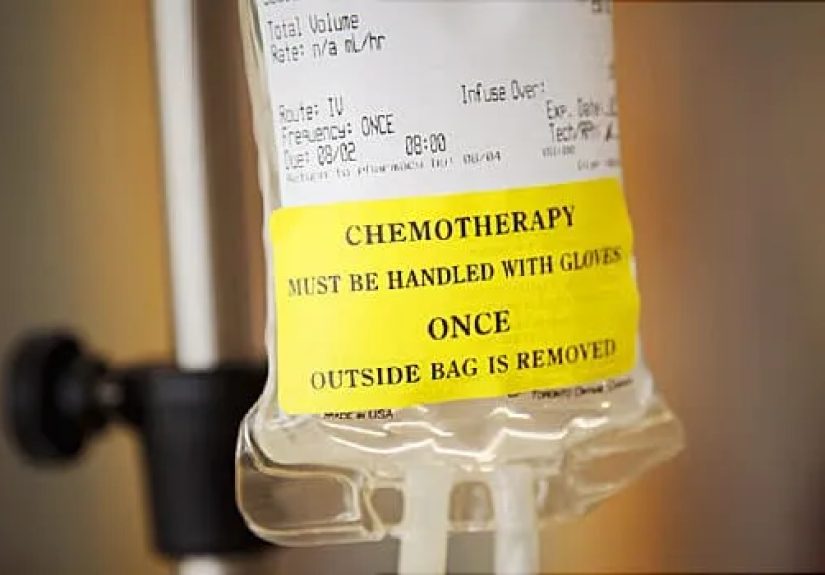
People often picture chemo as an IV drip in a reclinerand yes, that’s common. But it can be delivered in several ways:
- IV infusion: medicine enters the bloodstream through a vein; sometimes through a port or central line.
- Oral chemotherapy: pills, capsules, or liquids taken by mouth (still powerfulstill real chemo).
- Injections: into muscle or under the skin for certain drugs.
- Regional delivery: directed to a specific body area in special situations.
The route matters because it affects convenience, monitoring, and sometimes side effect patterns. Oral chemo, for example, shifts a lot of responsibility to the patient and caregivers: timing, safe handling, and remembering doses. (Because nothing says “fun” like setting phone alarms named “DO NOT FORGET THIS.”)
Why Chemo Happens in Cycles
Many chemo plans follow cycles: treatment days followed by rest days. The rest isn’t a “break because the clinic is closed.” It’s built in so the body can recoverespecially the bone marrow, which makes blood cells.
Cycles also help with strategy. Not all cancer cells are dividing at the same moment. Repeating treatment helps catch more cells as they enter vulnerable phases of the cell cycle. Timing is designed to balance effectiveness against safety.
Side Effects: The “Collateral Damage” Explanation
Chemo can affect healthy fast-growing cells. That’s the key reason side effects happen. Side effects vary widely depending on the drugs, dose, schedule, and the person’s overall healthso two people can have completely different experiences even on similar treatments.
Common side effect categories (and why they happen)
- Bone marrow effects: Lower white blood cells can raise infection risk; lower red blood cells can cause fatigue and shortness of breath; lower platelets can increase bruising or bleeding tendency.
- Digestive tract effects: Nausea, vomiting, diarrhea, constipation, appetite changes, and mouth sores can happen because the lining of the GI tract renews quickly.
- Hair and skin changes: Hair follicles are fast-growing, so some drugs can cause hair thinning or hair loss. Skin and nails can change too.
- Nerve effects: Certain drugs can cause tingling, numbness, or pain in hands and feet (peripheral neuropathy).
- Brain-and-body “fog”: Some people describe memory, focus, or processing-speed changes during treatmentoften nicknamed “chemo brain.”
Side effect management is part of treatment, not an afterthought
Modern chemotherapy plans often include supportive medications and strategieslike anti-nausea drugs, hydration support, infection-prevention measures, and dose adjustments when needed. The point isn’t to “tough it out.” The point is to keep treatment as safe and tolerable as possible while staying effective.
Chemo vs. Targeted Therapy vs. Immunotherapy (Quick, Helpful Contrast)
People sometimes call any cancer medicine “chemo,” but there are major categories of drug treatment:
- Traditional (cytotoxic) chemotherapy: broadly targets fast-dividing cellscancer cells and some healthy cells.
- Targeted therapy: aims at specific molecules or pathways that cancer cells rely on (often with different side effect profiles).
- Immunotherapy: helps the immune system recognize and attack cancer more effectively.
In real life, many treatment plans combine these approaches. Cancer care is increasingly personalized based on tumor type, stage, genetics, and patient factors.
What “Working” Looks Like (It’s Not Always Instant)
Chemo doesn’t always act like an on/off switch. Tumors can shrink gradually, cancer markers can change over time, and imaging results are interpreted in context. Some cancers respond quickly; others respond more slowly. Sometimes a cancer becomes resistant, and the plan changesdifferent drugs, different combinations, or different treatment types.
A common misunderstanding is thinking “If I feel terrible, it must be working.” Side effects don’t reliably measure effectiveness. The care team tracks progress using scans, lab work, symptoms, and clinical assessmentnot vibes.
Questions People Commonly Ask Before Starting Chemotherapy
If you or someone you love is preparing for chemo, here are practical, conversation-starting questions that many clinics encourage:
- What is the goal of this chemotherapy (cure, control, shrink before surgery, prevent return, symptom relief)?
- Which drugs are in the regimen, and why these ones?
- How will the schedule work (cycles, infusion length, rest periods)?
- What side effects are most likely with this specific plan, and which ones are urgent?
- What symptoms mean “call the clinic now” versus “mention it at the next visit”?
- What supportive medications will I receive (for nausea, infection risk, hydration, etc.)?
- How will we measure whether the treatment is working?
Big Picture: The Science Is ToughBut the Plan Is Thoughtful
Chemotherapy can sound like a blunt instrument, and sometimes it does feel that way. But modern chemo is built on decades of research about cancer biology, cell division, drug mechanisms, and safety. The schedule isn’t random. The combinations aren’t guesswork. The monitoring isn’t optional.
Most importantly: chemo is one part of cancer care, not the whole story. Surgery, radiation, targeted therapy, immunotherapy, and supportive care often team up. And while chemo can be challenging, it’s also one of the reasons many cancers are more treatable today than they were in previous generations.
Real-World Experiences With Chemotherapy (The Human Side) Extra Section
The science explains why chemo works, but people live through the “how” one day at a time. Experiences vary wildlyby drug, dose, schedule, cancer type, and just… being a unique human. Still, certain themes come up again and again in patient stories, caregiver conversations, and infusion-room small talk.
The first infusion: longer than expected, emotionally louder than expected
Many people say the first chemo day feels like starting a new job you didn’t apply for. There’s paperwork, lab checks, vital signs, and a surprising amount of waiting. Some infusion centers feel calmsoft lighting, warm blankets, people reading or watching shows. Others feel busy, like an airport with better snacks. Either way, it can be emotionally intense: relief that treatment is starting, fear of the unknown, and the odd moment of realizing, “Wow, this is real.”
Side effects are rarely dramatic movie scenesmore like annoying plot twists
People often expect chemo to be nonstop nausea and misery. For some, nausea is a big issue. For many, it’s more complicated: fatigue that hits like a heavy hoodie, appetite changes, taste that suddenly makes favorite foods taste “off,” and mouth sensitivity that turns spicy salsa into a personal attack. Some notice “chemo brain” momentswalking into a room and forgetting why, or losing a word mid-sentence. It can feel frustrating, but many people describe it as temporary and manageable with support.
Hair loss can be surprisingly emotional, even when you think you’re prepared
Not all chemo causes hair loss, but when it does, it’s often described as more than cosmetic. Hair can feel tied to identity, privacy, and control. Some people choose to cut hair shorter before treatment, others use scarves, hats, or wigs, and some go fully “I’m rocking this” and skip covering altogether. What matters isn’t the “right” choiceit’s having choices.
The calendar becomes a character
Chemo is often cyclical: treatment days, then recovery days, then repeat. Many patients learn their own rhythm. For example: Day 1 might feel okay, Day 2 might feel foggy, Day 3 might be a “nap Olympics” day, and then energy slowly returns. Over time, people often plan around that patternchoosing easier tasks on rough days and saving social plans for better days. Caregivers often develop their own rhythm too: grocery runs, medication reminders, hydration encouragement, and the underrated role of “professional morale booster.”
Support looks practical, not poetic
People frequently say the most helpful support isn’t dramatic speeches. It’s the friend who drives to an appointment, the family member who texts “How are you really feeling today?”, the teacher who offers flexibility, the coworker who brings soup without asking for updates, and the nurse who remembers a patient’s name. Many also find comfort in support groupsonline or in-personbecause it’s different talking to people who simply “get it” without needing the backstory.
Communication with the care team becomes a superpower
A common lesson from chemo experiences: speak up early about symptoms. People who do well often aren’t the ones who “power through silently,” but the ones who tell their oncology team what’s happening so side effects can be addressed quickly. Treatment plans are adjustable, and supportive care is part of the strategy.
The most honest summary you’ll hear from many patients is this: chemotherapy can be hard, sometimes weird, occasionally boring, and often exhausting but it’s also a structured plan with a purpose, guided by a team that does this every day. The experience isn’t just about enduring; it’s about getting through with the best support, the clearest information, and a routine that makes life feel livable in the middle of treatment.
Conclusion
Chemotherapy works by targeting the engine of cancer growth: uncontrolled cell division. By damaging DNA, blocking DNA-building materials, disrupting key replication enzymes, or stopping cells from physically dividing, chemo can shrink tumors, reduce recurrence risk, relieve symptoms, and in some cases cure cancer. The same “fast-growing cell” logic also explains side effectsespecially in bone marrow, the digestive tract, and hair follicles. That’s why chemo is planned in cycles, monitored closely, and paired with supportive care.






 Close
Close