
Table of Contents >> Show >> Hide
- What Is Cellulitis?
- Cellulitis Symptoms: What Does It Look and Feel Like?
- What Causes Cellulitis?
- Who Is Most at Risk?
- How Doctors Diagnose Cellulitis
- Cellulitis Treatment: What Actually Helps?
- Home Care During Recovery
- When to See a Doctor Immediately
- Can Cellulitis Be Prevented?
- Is Cellulitis Contagious?
- Cellulitis vs. Cellulite: Let’s Clear This Up Once and for All
- What Real-World Cellulitis Experiences Often Look Like
- Final Thoughts
Cellulitis is one of those medical words that sounds oddly harmless until your skin suddenly looks angry, hot, swollen, and very much not in the mood for small talk. It is a common bacterial skin infection, but it is not something to shrug off and “see how it looks tomorrow” while applying wishful thinking and a bandage from 2019. When left untreated, cellulitis can spread and become serious. The good news? It is usually very treatable when caught early.
This guide breaks down what cellulitis is, what it feels like, what causes it, how doctors treat it, and when it crosses the line from “call your doctor” to “go now.” We will also cover prevention, recovery, and real-life experiences that show how this condition often unfolds outside the exam room. And yes, before anyone asks, cellulitis is not the same as cellulite. One is an infection. The other is a cosmetic skin texture issue. Very different vibes.
What Is Cellulitis?
Cellulitis is a bacterial infection that affects the deeper layers of the skin and the tissue just beneath it. It most often shows up on the lower legs in adults, but it can happen almost anywhere on the body, including the arms, hands, face, and feet. In children, it may appear more often on the face or neck.
The infection typically starts when bacteria enter through a break in the skin. Sometimes that opening is obvious, like a cut, scrape, blister, surgical wound, or bug bite. Other times, the break is so tiny that you never notice it. Either way, once bacteria get past the skin barrier, the area can become red, warm, swollen, and painful surprisingly fast.
Cellulitis Symptoms: What Does It Look and Feel Like?
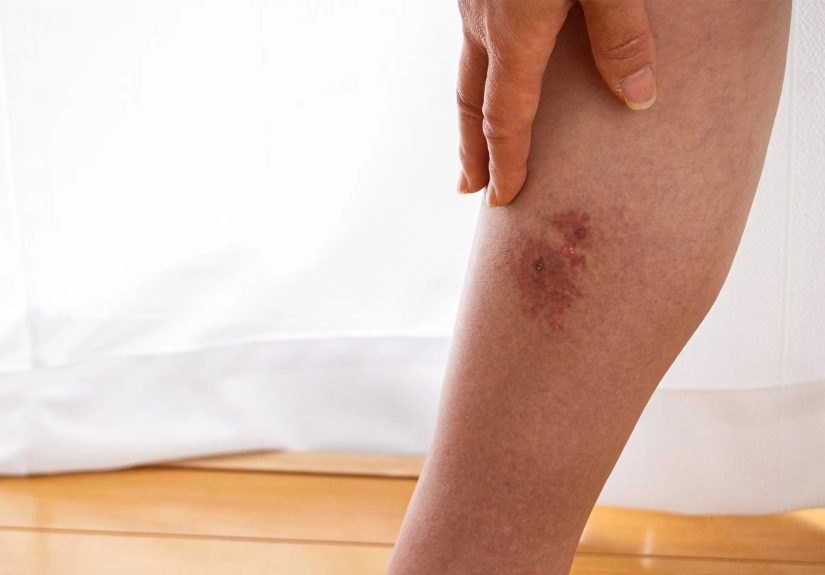
Cellulitis usually does not arrive quietly. The skin often becomes red or discolored, warm to the touch, swollen, tender, and sore. The redness may spread over hours or days, and the area can look shiny or stretched as the swelling increases.
Common symptoms of cellulitis include:
- Red, pink, purple, or darkened skin discoloration
- Warmth in the affected area
- Swelling or puffiness
- Tenderness, pain, or soreness
- Skin that feels tight or glossy
- Fever or chills
- Fatigue or feeling generally unwell
- Swollen nearby lymph nodes
More severe cases can bring blisters, pus, red streaks, worsening swelling, or faster heartbeat. On darker skin tones, cellulitis may not look “bright red.” Instead, the skin may appear darker than usual, swollen, warm, and painful. That is one reason cellulitis is sometimes overlooked in its early stages.
When cellulitis may be getting serious
Seek urgent medical attention if the redness is spreading quickly, the pain is severe, you have a high fever, the area becomes numb, you see blisters or blackened skin, or you feel dizzy, confused, or unusually weak. Cellulitis involving the face or area around the eye also deserves prompt evaluation because of the risk of deeper infection and complications.
What Causes Cellulitis?
Cellulitis is most commonly caused by bacteria, especially Streptococcus and Staphylococcus aureus. These bacteria can live on the skin without causing trouble until they find a way in through broken skin. Once inside, they can spread through the skin and soft tissues.
Common triggers and entry points include:
- Cuts, scrapes, and abrasions
- Cracked skin from dryness or eczema
- Athlete’s foot, especially between the toes
- Insect bites that get scratched open
- Burns or friction blisters
- Surgical incisions
- Ulcers or chronic wounds
- Animal bites or scratches
- Injection sites or puncture wounds
Sometimes people say, “I think I got cellulitis from a spider bite.” In reality, the bite itself usually is not the problem. The break in the skin is. That opening can make it easier for bacteria to slip in and start an infection.
Who Is Most at Risk?
Anyone can develop cellulitis, but some people have a much higher risk. If the skin barrier is damaged or the body has a harder time fighting infection, bacteria get a bigger advantage.
Risk factors for cellulitis include:
- Diabetes
- Chronic swelling in the legs or arms
- Lymphedema
- Poor circulation or venous insufficiency
- Obesity
- Weakened immune system
- History of cellulitis
- Chronic skin conditions such as eczema
- Fungal foot infections
- Chronic wounds, ulcers, or recent surgery
Recurring cellulitis is especially common in people with chronic leg swelling, untreated athlete’s foot, or skin that repeatedly cracks and breaks down. If you have had cellulitis once, your odds of getting it again are higher than you would probably prefer.
How Doctors Diagnose Cellulitis
In many cases, cellulitis is diagnosed through a medical history and physical exam. A doctor looks at the skin, asks when symptoms started, checks for fever or swelling, and considers whether there is a wound, rash, or another condition that could explain the symptoms.
Not every case needs a battery of tests. However, testing may be considered if the infection is severe, unusual, not improving, or happening in someone with other medical problems. Depending on the situation, a doctor might order blood work, a culture from drainage or a wound, or imaging if there is concern about an abscess or a deeper infection.
Conditions that can be mistaken for cellulitis
Cellulitis can sometimes be confused with blood clots, contact dermatitis, venous stasis dermatitis, gout, allergic reactions, or other rashes. That is one reason a true medical evaluation matters. Not every red, swollen leg is cellulitis, and not every “rash” is harmless.
Cellulitis Treatment: What Actually Helps?
The standard treatment for cellulitis is antibiotics. Mild to moderate cases are often treated with oral antibiotics at home. More serious cases may require intravenous antibiotics in a hospital, especially if there is extensive infection, high fever, rapid progression, significant medical risk, or poor response to pills.
Typical treatment plan
- Prescription antibiotics
- Resting the affected area
- Elevating the limb to reduce swelling
- Pain relief as recommended by a clinician
- Monitoring the size and spread of redness
- Follow-up if symptoms are not improving
Many people start to feel better within a couple of days after beginning antibiotics, but that does not mean the infection has packed its bags and left town. You still need to finish the full course exactly as prescribed. Stopping early can allow the infection to return or become harder to treat.
If there is an abscess, drainage may be needed. If a fungal infection such as athlete’s foot is helping trigger recurrent cellulitis, that problem also needs treatment or the cycle can keep repeating like a bad sequel nobody asked for.
How long does cellulitis take to heal?
Recovery depends on how severe the infection is, where it is located, and whether you have underlying health conditions. Some cases improve noticeably within 24 to 48 hours of treatment, while the skin discoloration and swelling can take longer to fully settle down. Mild cases may clear in about a week or a little longer. More severe infections can take significantly more time.
Home Care During Recovery
Cellulitis is not a DIY infection, but there are smart things you can do at home once treatment has started.
Helpful recovery tips
- Take antibiotics exactly as directed
- Elevate the affected arm or leg when possible
- Drink fluids and get enough rest
- Keep the area clean and protected
- Do not scratch, pick, or “test” the skin
- Mark the edge of redness if your clinician suggests it, so you can track spread
- Call your doctor if symptoms worsen or fail to improve within 24 to 48 hours
A warm compress may help with comfort in some cases, but it should not replace medical treatment. And no, random ointments from the back of a drawer do not count as a treatment strategy.
When to See a Doctor Immediately
Cellulitis can become dangerous if it spreads into deeper tissues, lymph nodes, or the bloodstream. Prompt care matters most when warning signs show up.
Get medical help right away if you have:
- Rapidly spreading redness or swelling
- Severe pain out of proportion to what you see
- High fever, shaking chills, or vomiting
- Blisters, pus, or blackened skin
- Numbness or a crackling sensation under the skin
- Confusion, weakness, or low blood pressure symptoms
- Cellulitis near the eye, mouth, or face
- Diabetes, immune suppression, or poor circulation with worsening symptoms
If the area around the eye is swollen, red, painful, or affecting vision or eye movement, do not wait around hoping it “calms down.” Eye-area cellulitis can become serious quickly.
Can Cellulitis Be Prevented?
Often, yes. Prevention focuses on protecting the skin and dealing quickly with common triggers.
Ways to lower your risk of cellulitis:
- Wash cuts and scrapes promptly with soap and water
- Cover wounds with a clean bandage
- Moisturize dry skin to prevent cracking
- Treat athlete’s foot and other skin infections early
- Wear shoes and gloves when your skin needs protection
- Manage swelling with the plan your clinician recommends
- Check your feet regularly if you have diabetes
- Avoid picking at bites, scabs, or peeling skin
If you keep getting cellulitis, talk with your doctor about prevention strategies. In some cases, recurrent infections may require closer wound care, management of swelling, treatment of fungal infections, or even preventive antibiotics.
Is Cellulitis Contagious?
Usually, no. Cellulitis generally is not spread from person to person through casual contact. The bigger issue is not “catching” cellulitis from someone else, but giving bacteria an easy doorway into your own skin. Open wounds still deserve careful hygiene, of course, because bacteria can spread from infected drainage or broken skin.
Cellulitis vs. Cellulite: Let’s Clear This Up Once and for All
Cellulitis is a bacterial infection that needs medical treatment. Cellulite is a harmless skin texture change caused by fat pushing against connective tissue. One may need antibiotics. The other does not. Mixing them up is like confusing a kitchen fire with a wrinkled tablecloth. They are not in the same category.
What Real-World Cellulitis Experiences Often Look Like
The following experiences are composite, realistic scenarios based on common patterns people report when dealing with cellulitis. They are useful because cellulitis rarely begins with a dramatic movie scene. More often, it starts with something small that suddenly is not small anymore.
Experience 1: “I thought it was just a rash”
A middle-aged office worker notices a red patch on his lower leg after a long week of wearing socks against dry, cracked skin. It feels warm, but not terrible, so he ignores it for a day. By the next morning, the patch has grown, the skin feels tight, and walking is uncomfortable. He also feels achy and tired. He finally goes to urgent care, where he learns it is cellulitis likely linked to cracked skin and untreated athlete’s foot. After antibiotics, foot cream, and a lecture from his own common sense, he improves. His biggest lesson: a spreading warm rash plus pain is not a skincare problem.
Experience 2: “The bug bite got weird fast”
A parent notices that a child’s mosquito bite on the arm has become much more than a bite. The area is swollen, hot, and red beyond the original bump. The child is fussy and develops a fever that evening. What looked like a simple bug bite turned into a bacterial skin infection after scratching opened the skin. With same-day treatment, the infection improves. The takeaway here is simple: when redness expands well past the original bite and the skin becomes increasingly painful or warm, it is time to stop guessing.
Experience 3: “It kept coming back”
An older adult with chronic leg swelling develops cellulitis more than once in the same leg. Each time, antibiotics help, but the problem returns months later. Eventually, a more thorough plan is put in place: skin moisturizing, better swelling control, treatment for toe-web fungus, regular foot checks, and protective footwear. The recurrence rate drops. This kind of experience is common in people with lymphedema, venous insufficiency, or diabetes. The infection may be treated in one week, but the reason it keeps happening needs longer-term attention.
Experience 4: “I waited because I did not want to overreact”
Many people with cellulitis say the same thing afterward: “I did not realize it could get serious that quickly.” Someone notices redness around a small cut on a Saturday, decides to wait it out, and by Sunday evening has fever and much worse swelling. They end up needing stronger treatment than they might have if they had been seen earlier. This is a very human response. Nobody wants to overreact. But cellulitis is one of those conditions where early treatment often makes everything easier.
Experience 5: “The pain looked smaller than it felt”
Another common theme is that the discomfort can feel worse than the visible skin changes suggest. A person may only see a modest patch of redness, but the area throbs, burns, or feels tender with every step. That mismatch matters. If the pain is climbing, the swelling is increasing, or the skin feels hotter by the hour, trust the pattern, not just the size of the spot in the mirror.
These experiences all point to the same practical truth: cellulitis often begins with ordinary things such as cracked heels, scratched bites, tiny cuts, athlete’s foot, or chronic swelling. The dramatic part is not the cause. The dramatic part is how quickly the infection can escalate when bacteria get access to deeper tissue.
Final Thoughts
Cellulitis is common, treatable, and absolutely worth taking seriously. If you notice spreading redness, warmth, swelling, and pain, especially along with fever or feeling sick, do not play the “maybe it will vanish by tomorrow” game. The sooner cellulitis is recognized and treated, the better the outcome tends to be.
Most people recover well with prompt antibiotics and smart skin care. The bigger long-term win is prevention: protect your skin, treat cracks and fungal infections early, manage swelling, and get suspicious of any skin change that is hot, spreading, and increasingly painful. Your skin should not be auditioning for a medical drama.






 Close
Close