
Table of Contents >> Show >> Hide
- What Exactly Is a Canvas Water Bucket?
- Why Choose Canvas Over Plastic or Silicone?
- The Anatomy of a Great Canvas Water Bucket
- Best Uses for Canvas Water Buckets
- Potable Water: Can You Drink From a Canvas Water Bucket?
- How to Reduce Leaks Without Turning It Into a Science Experiment
- Cleaning and Care: Keep It From Smelling Like a Forgotten Gym Bag
- Buying Tips: Picking the Right Canvas Water Bucket for Your Life
- Frequently Asked Questions
- Real-World Experiences With Canvas Water Buckets (About )
- Conclusion
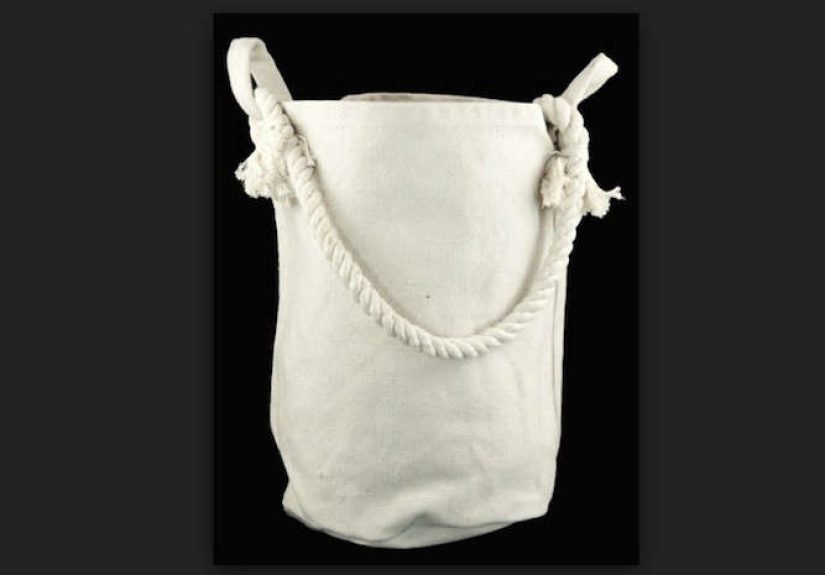
A canvas water bucket is one of those oddly satisfying pieces of gear: simple, a little old-school, and surprisingly useful.
It’s basically a heavy-duty cotton canvas “bag” shaped like a bucketoften collapsible, often with a rope or web handlebuilt to haul
water (or anything else you can convince it to carry). And yes, some of them leak a bit. That’s not a defect; that’s a personality trait.
If you’ve ever tried to haul water at a campsite, rinse salt off a boat deck, water plants without sprinting back and forth to a spigot,
or keep a horse hydrated on the go, you already understand the appeal: a canvas water bucket stores flat, weighs little, and goes from
“nothing” to “hey, I’m a bucket” in about three seconds.
What Exactly Is a Canvas Water Bucket?
Most canvas water buckets are made from cotton duck canvas (a tightly woven, rugged type of canvas) with reinforced seams, a sturdy handle,
and a bucket shape that stands up when filled. Some are unlined canvas (traditional style). Others include a liner or coating to reduce
seepage. Some are waxed canvas, which adds water resistance and toughness while keeping that classic, outdoorsy feel.
Sizes range from small “camp helper” buckets around a half gallon to bigger workhorse options that hold multiple gallons. The best part:
unlike rigid plastic pails, a canvas water bucket collapses and stows flatso it doesn’t hog your trunk space like an overly confident
five-gallon bucket that thinks it’s the main character.
Why Choose Canvas Over Plastic or Silicone?
Canvas wins when you care about packability and durability
- Stores flat: Great for camping bins, boat lockers, emergency kits, or a messy garage you promise you’ll organize “this weekend.”
- Tough fabric: Cotton duck canvas is abrasion resistant and holds up well to real use, not just “influencer use.”
- Multi-purpose: Water, firewood, tools, shells, garden weeds, wet bootsif it fits, it ships.
- Quiet and flexible: No hard clatter, no cracked plastic when it’s cold, no “why is this bucket yelling at me?” vibe.
Canvas loses when you demand perfect leakproof performance
- It may seep: Traditional canvas can “weep,” especially at seams, and may slowly leak over time.
- It needs drying: Put it away damp and you’re basically hosting a mildew housewarming party.
- Not all are potable-safe by default: Some are lined, some are waxed, some are raw canvaswhat you put inside matters.
The real decision comes down to how you plan to use it. If you need a truly leakproof, long-term water storage container, a dedicated
jerry can or rigid water jug is the better tool. If you need a portable, packable hauler for camp chores and everyday utility, canvas is
in its element.
The Anatomy of a Great Canvas Water Bucket
1) Canvas weight and weave
Not all canvas is created equal. Many bucket-style products use heavier grades of duck canvas (often referenced by “number” systems or
ounces-per-square-yard). In plain terms: heavier canvas usually means better abrasion resistance and shape retention, but less foldability.
For water buckets, heavier canvas plus reinforced seams tends to hold up best under repeated wet/dry cycles.
2) Seams, lining, and the “honest leak” factor
Some canvas water buckets are lined to reduce seepage, while others are unapologetically traditional. A little dampness on the outside
isn’t unusual with raw canvasespecially if the bucket is left sitting full for a long time. For hauling water from a lake to camp, that’s
often totally fine. For leaving water overnight on your new hardwood floors… less fine.
3) Bottom reinforcement
A reinforced bottom is a big deal. Some designs use extra webbing or double layers at the base; others (especially “tool bucket” style)
use a molded plastic bottom that helps the bucket stand up and resist wear on abrasive surfaces. Even if you’re using it for water,
that kind of construction can make the bucket last longerespecially on docks, rocks, or rough ground.
4) Handle design
Rope handles are classic and comfortable in hand, especially when carrying water. Web handles can distribute weight well, and some designs
extend the webbing down the sides for extra strength. For heavier loads, handle design matters more than you’d thinkbecause a bucket failure
is funny only when it happens to someone else (kidding… mostly).
5) Capacity and shape
Pick a size based on how far you’ll carry it and what you’re doing with it. A larger bucket moves more water per trip, but gets heavy fast.
A smaller bucket is easier to manage and can double as a wash basin or gear organizer.
Best Uses for Canvas Water Buckets
Camping and overlanding
Canvas water buckets shine at camp because they’re basically a “chore multiplier.” Haul water for dishes, create a hand-wash station,
rinse muddy gear, soak cookware, or carry kindling. Some people even use them as a quick “camp sink.”
- Dish duty: Fill it, add a little soap, and suddenly you’re running a tiny backcountry restaurant.
- Gear rinse: Great for rinsing off sand, mud, or trail dust without chasing water across camp.
- Wet/dry separator: Use it to corral damp items so they don’t slime your entire trunk.
Boating, docks, and beach life
On boats, a bucket that stores flat is a big win. A common approach is using a canvas bucket with a rope handle to haul water for rinsing
decks or gear. Some bucket designs even include small drain features or are modified by users to improve handling in water.
If you’re dealing with saltwater, canvas can be easier to rinse and stow than bulky rigid buckets.
Gardening and yard work
If you’re bouncing around a yard watering planters, mixing mild solutions, or collecting weeds, a canvas bucket is an easy carry-along
that doesn’t take up much space when stored. Just remember: if you’re using fertilizers or chemicals, keep that bucket dedicated to
non-potable tasks afterward.
Horses, livestock, and travel
A collapsible canvas water bucket can be handy when traveling with animalsespecially if you want a lightweight option that packs down.
It’s also useful as a temporary carry bucket for short distances, or as a backup if your usual setup goes missing in the chaos of loading
and unloading (which is basically the unofficial sport of horse events).
Emergency readiness and utility work
Canvas buckets overlap with work and safety gear in interesting ways. Heavy canvas buckets are used in trade and utility contexts to haul
tools and supplies, often with reinforced construction and load ratings. While those aren’t “water buckets” by name, the same build
featurestough canvas, reinforced bottoms, strong handlestranslate into long service life and reliability.
Potable Water: Can You Drink From a Canvas Water Bucket?
It depends on the bucket. Some canvas water buckets are lined, and some waxed canvas products use wax that’s described as non-toxic or
food-grade safe. Even so, “safe to handle” is not automatically the same as “ideal for drinking water,” especially if the bucket is also
used for gear, soap, or whatever was on the ground five minutes ago.
- Best practice for drinking: Use the canvas bucket to haul water, then transfer it into a dedicated potable container for storage.
- If you must drink from it: Keep one bucket dedicated to potable use only, and clean/dry it carefully.
- Avoid random waterproofing chemicals: If water is for drinking, don’t coat seams with unknown treatments.
Think of a canvas water bucket like a great grocery tote. It can carry the groceries… but you still want the food in packaging, not loose
against the tote that once carried gym shoes.
How to Reduce Leaks Without Turning It Into a Science Experiment
Use it like it’s designed to be used
- Hauling, not hoarding: Canvas buckets are excellent for carrying water short-term. They’re not meant to be your overnight aquarium.
- Expect “sweat”: Raw canvas can dampen on the outside. That’s normalplan accordingly (set it on dirt, rock, or a tray).
Improve performance gently
- Choose a lined bucket if you want less seepage without extra maintenance.
- Choose waxed canvas if you want more water resistance and toughness for camp chores.
- Focus on seams if you’re improving retentionseams are usually where water sneaks out first.
The simplest “upgrade” is often just picking the right style: lined for more holding power, waxed for water resistance and durability,
traditional canvas for maximum foldability and classic simplicity.
Cleaning and Care: Keep It From Smelling Like a Forgotten Gym Bag
Routine care (the easy stuff)
- Empty and rinse: A quick rinse after use prevents grime from becoming permanent.
- Dry completely: Mildew loves moisture. Dry it open and airy before storage.
- Brush off debris: Dirt + organic debris + moisture is basically mildew’s favorite recipe.
Deeper cleaning (when life happens)
For raw canvas, gentle washing with water and mild soap is usually the safest approach. For waxed canvas, spot cleaning is typically
recommended, because harsh detergents can strip wax and reduce water resistance. Always let the bucket air dry thoroughly.
Re-waxing waxed canvas
Waxed canvas can be refreshed over time. Re-waxing restores water resistance and helps the fabric age well. The key is using a wax product
made for waxed canvas and applying it in a controlled waybecause too much wax can turn “heritage rugged” into “sticky lint magnet.”
Buying Tips: Picking the Right Canvas Water Bucket for Your Life
Match the bucket to your main use case
- Camp chores: A 1–3 gallon collapsible canvas water bucket is a sweet spot for hauling without suffering.
- Boating: Look for a strong rope handle and a base that holds its shape; consider designs known for deck use.
- Rugged utility: Reinforced bottoms and heavy canvas matter more than ultra-compact folding.
- Potable priorities: Consider lined options or keep a dedicated bucket reserved only for water hauling.
Check the small details that become big deals later
- Seam quality: Tight stitching and reinforced seams reduce seepage and improve lifespan.
- Handle attachment: Handles that tie into the bucket body (not just stitched at the rim) tend to be stronger.
- Storage style: If it won’t fold the way you want, you won’t bring it.
Frequently Asked Questions
Do canvas water buckets always leak?
Not always, but some seepage is common with unlined canvasespecially over time or when left full for long periods. Lined and waxed options
usually reduce leakage, but “perfectly watertight forever” isn’t the core promise of classic canvas.
Are waxed canvas buckets better?
They’re often better for wet conditions and durability, and they can feel more “finished” for camp chores. But waxed canvas usually needs
gentler cleaning and occasional re-waxing if you want to maintain water resistance.
Can I use one bucket for everything?
You can, but you might not want to. If you ever use the bucket for soap, chemicals, fish bait, or muddy gear, keep drinking-water use
separate. When in doubt, dedicate one bucket for water hauling and one for everything else.
Real-World Experiences With Canvas Water Buckets (About )
People who buy canvas water buckets usually start with one innocent plan“I want a collapsible bucket for camping”and end up using it for
a dozen jobs they didn’t even know needed a bucket. The first “aha” moment tends to happen at the exact second you realize you can carry
water and keep your hands free of sharp plastic edges. Suddenly, it feels less like “packing extra gear” and more like adding a
tiny assistant to your setup.
At camp, the experience is mostly a series of small victories. You fill the bucket at the spigot (or from the lake with appropriate
filtering), walk back without sloshing your life story onto your shoes, and set it down near the cooking area. It becomes a flexible
station: rinse hands, soak a pan, wash utensils, put out a small “please don’t drop crumbs everywhere” firewood pile. When you’re done,
it folds down and disappears into a bin like it was never thereunlike that rigid pail that insists on taking up the same space whether
it’s useful or not.
On boats and docks, the story is similar, but saltwater adds a twist. Users love that a canvas bucket can be easy to stow, especially when
storage is tight. The tradeoff is learning the “short-term” mindset: canvas buckets are fantastic for hauling water and using it quickly,
not for keeping a full bucket sitting around while you do three other chores. The best experiences come from treating the bucket like a
delivery systemhaul, use, empty, rinse, dryrather than a long-term tank.
Gardeners report a different kind of joy: the bucket becomes the grab-and-go carrier for whatever the yard demands that day. Weeds? Bucket.
Fallen branches? Bucket. A collection of tools you swear you’ll put away later? Bucket. And because it stores flat, it doesn’t become
another permanent “garage obstacle.” It’s a surprisingly good habit-builder: if a tool has a home (the bucket), you’re more likely to
actually bring it back inside.
The most memorable “canvas bucket experience” stories usually involve learning its quirks. The first time someone sets a raw canvas bucket
on a nice surface and comes back later to find a damp ring, they become an expert in under-a-minute: always place it on dirt, gravel, a
tray, or something that won’t care. The second lesson is about drying. People who love their canvas buckets tend to treat drying like the
final step of the job, not an optional bonus round. Hang it, prop it open, let it breathe, and your bucket stays fresh. Skip that step,
and you’ll discover smells that shouldn’t exist in nature.
In the end, the best experience you can have with a canvas water bucket is this: it becomes useful so often that you stop thinking of it
as “camp gear” and start thinking of it as “the portable container that saves my day once a week.” And honestly, that’s the highest honor
any bucket can achieve.
Conclusion
Canvas water buckets are a throwback that still earns a spot in modern kits because they solve real problems in a delightfully low-drama
way: they carry water, they pack down small, they take a beating, and they multitask like a champ. The key is choosing the style that fits
your expectationstraditional canvas for lightweight simplicity, lined for better water retention, and waxed canvas for added water
resistance and durability.
Use them for hauling and chores, not as long-term storage. Dry them like you mean it. Keep potable water use clean and separate. Do that,
and your canvas water bucket will quietly become the most-used “boring” item you ownright up there with the headlamp you never remember
to pack until the moment you need it.






 Close
Close