
Table of Contents >> Show >> Hide
- What Is Menopause?
- Common Menopause Symptoms
- What Causes Menopause?
- Diagnosis: How Do You Know It’s Menopause?
- Treatment: What Actually Helps?
- Complications: What Menopause Can Affect Long-Term
- Practical, Real-Life Tips That People Actually Use
- When to See a Doctor
- FAQs
- Conclusion
- Real-World Experiences With Menopause (What People Commonly Report)
Menopause is like your body’s “software update”: it may come with exciting new features (hello, no more periods),
and also a few surprise bugs (looking at you, 2 a.m. night sweats). For many people, it’s a totally normal life stage
but “normal” doesn’t mean “you have to suffer in silence.”
This guide breaks down what menopause is, what symptoms can show up (and why), what causes the transition, the most
effective treatments (hormonal and nonhormonal), and the long-term complications worth preventing. We’ll keep it science-based,
practical, andbecause your comfort mattersjust a little bit fun.
What Is Menopause?
Menopause is a point in time, not a lifelong mood. Clinically, you’re considered “in menopause” once you’ve gone
12 consecutive months without a menstrual period and there isn’t another obvious cause. In the United States,
it typically happens around the early 50s, but many people reach it anywhere from the mid-40s to mid-50s (or later).
The 3 stages: perimenopause, menopause, postmenopause
-
Perimenopause (the menopause transition): The years leading up to menopause. Hormone levels fluctuate, cycles get unpredictable,
and symptoms often start here. - Menopause: The “official” milestone12 months without a period.
-
Postmenopause: The years after menopause. Symptoms may ease for some people, while others continue to have them.
Long-term health considerations (like bone and heart health) become especially important.
Early menopause and premature ovarian insufficiency
Menopause before age 45 is often called early menopause. When ovarian function declines before age 40, it’s commonly discussed as
premature ovarian insufficiency (POI). These situations deserve medical attention because a longer period without estrogen can raise
the risk of problems like bone lossplus fertility and emotional concerns can be significant.
Common Menopause Symptoms
Menopause symptoms can be physical, emotional, and downright weird. Two people can have totally different experienceseven if they
share the same bathroom fan budget. Symptoms are driven mostly by changing estrogen and progesterone levels, plus the brain’s temperature
regulation getting a bit…dramatic.
1) Vasomotor symptoms (hot flashes and night sweats)
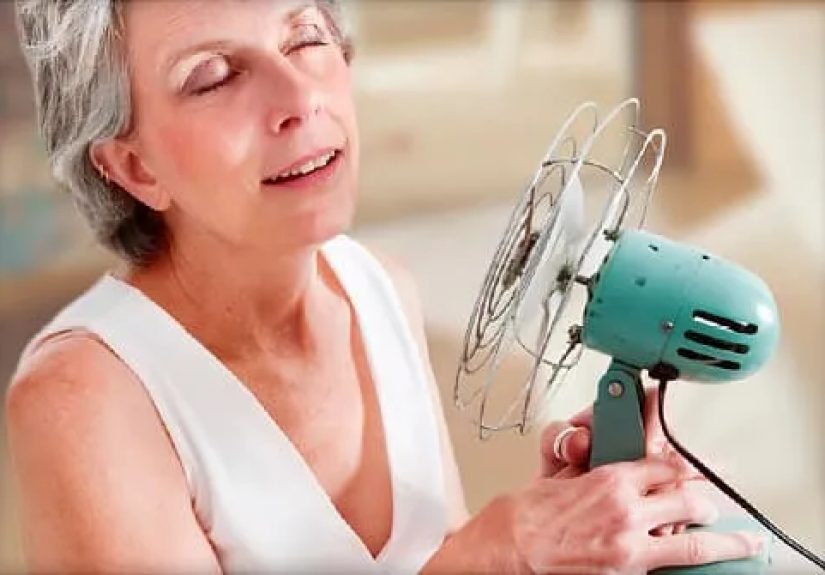
Hot flashes are sudden waves of heat, often in the face, neck, and chest, sometimes followed by sweating and chills.
When they happen at night, they’re called night sweats. These are among the most common reasons people seek treatment.
- Triggers can include alcohol, spicy foods, stress, hot rooms, and caffeine (aka modern life).
- Some people get mild warmth; others feel like they’ve been promoted to “human space heater.”
2) Sleep problems and fatigue
Sleep issues may come from night sweats, anxiety, or insomnia that seems to appear out of nowhere. Poor sleep can lead to fatigue, irritability,
and trouble concentratingbecause your brain also deserves eight hours, not just your phone battery.
3) Mood changes, anxiety, and the infamous “brain fog”
Many people report mood swings, irritability, anxiety, or low mood during the transition. “Brain fog” is a common complaintthink forgetfulness,
slower recall, or feeling less sharp. These symptoms can be influenced by hormones, disrupted sleep, stress, and life circumstances.
4) Vaginal dryness and genitourinary symptoms (GSM)
Lower estrogen can cause the vaginal and urinary tissues to become thinner, drier, and more sensitive. This cluster is often called
genitourinary syndrome of menopause (GSM). Symptoms may include vaginal dryness, burning, pain with sex, urinary urgency,
and recurrent urinary tract infections.
5) Changes in periods, libido, and body composition
During perimenopause, periods can become irregularheavier, lighter, closer together, farther apart, or all of the above in the same month (rude).
Some people notice lower libido, weight redistribution around the abdomen, and changes in muscle mass. These changes are multifactorial:
aging, activity, sleep, stress, and hormones can all contribute.
What Causes Menopause?
Most menopause is natural and happens as the ovaries gradually reduce hormone production and ovulation becomes less consistent,
then stops. But menopause can also be induced.
Natural menopause
Natural menopause is part of reproductive aging. Estrogen and progesterone levels decline over time, and menstrual cycles eventually end.
Induced or surgical menopause
Menopause can happen suddenly after surgery that removes both ovaries (oophorectomy). Because hormone levels drop quickly,
symptoms can be more intense. Some cancer treatments (chemotherapy, pelvic radiation) can also trigger earlier menopause or POI.
Risk factors for earlier menopause
- Smoking (associated with earlier menopause)
- Family history (genetics matters)
- Certain medical conditions or autoimmune issues
- Cancer treatments affecting ovaries
Diagnosis: How Do You Know It’s Menopause?
For most people in their 40s or 50s with classic symptoms and changing periods, menopause is a clinical diagnosismeaning it’s based on
your history and symptoms. Lab testing isn’t always necessary.
When blood tests may be helpful
Tests may be considered when symptoms start unusually early, when there’s uncertainty, or to rule out other conditions.
Clinicians might check hormone levels or evaluate for thyroid issues and other causes of irregular bleeding or hot flashes.
Red flags that need medical evaluation
- Bleeding after menopause (any bleeding after the 12-month mark should be checked)
- Very heavy bleeding, bleeding between periods, or rapidly worsening symptoms
- Hot flashes with concerning symptoms like chest pain, fainting, or significant palpitations
Treatment: What Actually Helps?
The best menopause treatment depends on your symptoms, health history, risk factors, and preferences. Some people need little or no treatment.
Others benefit from targeted helpbecause “white-knuckling it” is not a medical plan.
Start with lifestyle strategies (small changes, real wins)
- Cooling tactics: dress in layers, use fans, keep the bedroom cool, sip cold water
- Trigger tracking: note patterns with alcohol, caffeine, spicy food, stress, and heat
- Exercise: supports mood, sleep, weight maintenance, and bone health
- Sleep hygiene: consistent sleep/wake times, limit late caffeine, reduce screen time near bedtime
- Stress tools: therapy, mindfulness, relaxation practices, social support
- Quit smoking: benefits hot flashes, heart health, and bone health
Menopausal hormone therapy (MHT / HT)
Hormone therapy is the most effective treatment for bothersome hot flashes and night sweats, and it can also help GSM symptoms.
Systemic estrogen (pill, patch, gel, spray) is typically used for whole-body symptoms. If you still have a uterus, you usually need a
progestin/progestogen along with estrogen to lower the risk of uterine (endometrial) cancer.
Who may be a good candidate?
Many guidelines emphasize individualized decision-making. For healthy people who are younger than 60 or within about 10 years of menopause onset,
the benefit-risk balance may be favorable when treating moderate-to-severe symptomsespecially when using the lowest effective dose for the shortest
needed time and re-evaluating regularly.
Potential risks and why they’re “it depends”
Risks vary by formulation, dose, route (oral vs transdermal), duration, timing, and individual factors.
Systemic hormone therapy can increase risks such as blood clots and stroke in some people, and certain regimens may increase breast cancer risk
with longer use. This is why personal and family history matters so muchand why hormone therapy should be guided by a clinician.
Local (vaginal) estrogen for GSM
If your main issue is vaginal dryness, painful sex, or urinary symptoms, low-dose vaginal estrogen (or other prescription options)
can be highly effective with minimal systemic absorption compared with systemic therapy. Nonprescription moisturizers and lubricants can also help,
especially for mild symptoms.
Important note: hormones aren’t for “prevention”
Hormone therapy is primarily used for symptom relief (and for certain people with early menopause/POI to protect bone/health until the typical age of
menopause). Major preventive guidance recommends against using hormone therapy solely to prevent chronic conditions in postmenopausal
people.
Nonhormonal prescription options
If you can’t take hormonesor prefer not tononhormonal treatments can meaningfully reduce hot flashes for many people.
- SSRIs/SNRIs: certain antidepressants at specific doses can reduce vasomotor symptoms (and may also help mood).
- Gabapentin: may help night sweats and sleep for some people.
- Fezolinetant: an FDA-approved nonhormonal option that targets brain pathways involved in temperature regulation.
Other prescription options for GSM and painful sex
- Ospemifene: an oral therapy that can help painful sex related to vaginal tissue changes.
- Vaginal DHEA (prasterone): a local option for GSM symptoms in appropriate patients.
Supplements and “natural remedies”: proceed with smart skepticism
Many supplements claim to “balance hormones,” but evidence is mixed, products can vary widely, and some can interact with medications.
If you want to try a supplement, treat it like a medication: discuss it with a clinicianespecially if you have liver issues, take blood thinners,
or have a history of hormone-sensitive cancer.
Complications: What Menopause Can Affect Long-Term
Menopause isn’t a disease, but the drop in estrogen can change risk profiles. The goal isn’t to panicit’s to plan.
1) Bone loss and osteoporosis
Estrogen helps protect bone density. After menopause, bone loss can accelerate, raising the risk of osteoporosis and fractures. Strength training,
adequate dietary calcium and vitamin D, and medical evaluation for bone density (when appropriate) are key strategies.
2) Cardiovascular health
Risk factors for heart disease tend to increase with age, and the menopause transition can coincide with changes in cholesterol, blood pressure,
and body composition. The most powerful tools remain unglamorous but effective: exercise, a heart-healthy diet, sleep, not smoking, and managing
blood pressure, lipids, and diabetes risk with your healthcare team.
3) Genitourinary changes and sexual health
GSM can worsen over time without treatment. The good news: local therapies, moisturizers, pelvic floor support, and sexual counseling (when helpful)
can make a big difference. Pain with sex is common and treatableno one gets a gold medal for “just tolerating it.”
4) Mental health and quality of life
Mood symptoms can be substantial, especially with poor sleep and life stressors. If you notice persistent depression, anxiety, or loss of interest in
usual activities, get support early. Therapy, medication when appropriate, and targeted menopause symptom treatment can work together.
Practical, Real-Life Tips That People Actually Use
- The “layer strategy”: tank top + cardigan beats one heavy sweater every time.
- Bedside kit: water, fan, lightweight blanket, and a spare shirt. Overprepared is underrated at 3 a.m.
- Workplace survival: keep a small desk fan; request reasonable temperature accommodations if needed.
- Sex without suffering: use lubricant (for friction) and moisturizer (for tissue comfort). They’re different tools; many people benefit from both.
- Track patterns: a quick note in your phone can reveal triggers and what helps.
When to See a Doctor
Consider medical care if symptoms disrupt your daily life, if you have bleeding after menopause, or if you’re unsure whether changes are “normal.”
Menopause care is not one-size-fits-allyour history matters, and your preferences matter.
FAQs
How long do hot flashes last?
It varies widely. Some people have hot flashes for a short period; others experience them for years. If they’re interfering with sleep or daily function,
it’s reasonable to discuss treatment rather than waiting it out.
Can you get pregnant during perimenopause?
Yes. Ovulation becomes less predictable, not impossible. Pregnancy risk declines but doesn’t hit zero until menopause is confirmed (12 months without a period).
If pregnancy prevention matters, talk to a clinician about contraception during the transition.
Is weight gain “inevitable”?
Not inevitable, but common. Metabolism and muscle mass can change with age, and sleep disruption can affect appetite and activity.
A focus on strength training, protein intake, and sustainable movement tends to be more effective than extreme diets.
Conclusion
Menopause is a natural transition, but the symptoms can be very realand very disruptive. Understanding what’s happening in your body helps you make smarter choices:
lifestyle strategies for daily relief, hormone therapy when appropriate, nonhormonal options when hormones aren’t a fit, and prevention strategies to protect bone,
heart, and sexual health for the long run.
If there’s one takeaway, it’s this: you deserve individualized care. Menopause is common, treatable, and not a test of endurance.
Real-World Experiences With Menopause (What People Commonly Report)
Menopause “experiences” are incredibly diverse, but certain themes show up again and again in clinics, support groups, and everyday conversations. If you’ve been
thinking, “Is it just me?”it’s probably not.
1) The surprise-factor is real. Many people expect hot flashes and nothing else, then get blindsided by sleep problems, anxiety, or mood swings.
A common story goes like this: “I thought I was stressed at work… and then I realized I was also waking up drenched in sweat.” Once sleep gets disrupted,
everything feels harderfocus, patience, workouts, even making normal decisions like what to cook for dinner.
2) Symptoms can feel random, until they don’t. People often notice patterns only after tracking triggers for a week or two. One person learns that
wine equals night sweats. Another discovers that spicy food is fineuntil it’s paired with a warm room and a stressful day. Many report that a cooler bedroom,
breathable pajamas, and a fan can reduce the “I just ran a marathon in my sleep” experience.
3) “Brain fog” can be more upsetting than hot flashes. Forgetting words mid-sentence, walking into a room and blanking on why, or feeling less sharp
at work can cause real worry. People frequently describe relief when they learn this can be part of the transitionespecially when improving sleep or treating
vasomotor symptoms helps their concentration rebound.
4) Sexual discomfort is commonbut it’s not something you have to accept. Many people don’t bring up vaginal dryness or pain with sex because they
feel embarrassed, or they assume “that’s just aging.” In reality, simple interventionslubricants, moisturizers, pelvic floor therapy, or prescription options like
local estrogencan dramatically improve comfort and intimacy. A common “aha” moment: realizing that desire can return when sex stops being painful.
5) Treatment often involves trial and error (and that’s normal). Some people do great with lifestyle changes alone. Others find hormone therapy
life-changing. Some prefer nonhormonal medications and feel validated having an option that fits their history. Many share that the best outcomes happen when they
feel heard by a clinician and revisit the plan over timebecause symptoms, risks, and priorities change.
6) The emotional side deserves respect. Menopause can land during a busy life chaptercareer demands, caregiving, relationship changes, teenagers,
aging parents, financial stress. People commonly report that counseling, stress-management, and support groups help them feel less isolated and more in control.
The most repeated advice from those who’ve “been through it”: “Don’t tough it out alone. Get support early.”
Ultimately, the shared experience isn’t one specific symptomit’s the moment many people realize they’re allowed to ask for help, and that effective options exist.
Menopause may be inevitable; needless suffering is not.







 Close
Close