
Table of Contents >> Show >> Hide
- Why autism and sleep can be a complicated duo
- Common sleep challenges in autistic kids, teens, and adults
- What’s behind the sleep struggle?
- How poor sleep affects daily life (and why it matters)
- A practical, autism-friendly sleep plan
- Step 1: Track patterns for 7–14 days
- Step 2: Build a routine that’s predictable, not perfect
- Step 3: Make the bedroom sensory-smart
- Step 4: Use behavioral tools (without turning bedtime into a wrestling match)
- Step 5: Support the circadian rhythm (the body clock loves morning light)
- Step 6: Plan for night waking
- Melatonin and other supports: what to know
- When to talk to a professional
- Experiences: what people often notice (and what actually helped)
- Conclusion: better sleep is a skill, not a personality trait
If sleep were a group project, it would already be difficult. Add autismsensory differences, anxiety, a body clock with opinionsand suddenly bedtime
becomes a nightly “meeting that could’ve been an email.”
The good news: better sleep is possible. Not with one magical trick (sorry, TikTok), but with a smart mix of routine, environment tweaks, andwhen neededmedical
support. This guide breaks down how autism and sleep affect each other, what’s commonly behind sleep struggles, and practical tips that work in real life.
Why autism and sleep can be a complicated duo
How common are sleep problems in autism?
Sleep difficulties are extremely common for autistic children and teens, and they can continue into adulthood. Research often reports that a large share of autistic
youth experience ongoing sleep challengesespecially trouble falling asleep, staying asleep, or keeping a consistent sleep schedule.
Importantly, “sleep problems” doesn’t mean someone is doing bedtime “wrong.” It often means the brain and body are processing the world differentlyespecially around
sensory input, stress, and timing cues like light.
It’s a two-way street
Sleep and autism traits can influence each other. Poor sleep can make it harder to manage emotions, focus, tolerate sensory input, and handle transitions the next day.
Meanwhile, stress, sensory overload, and changes in routine can make sleep harder that night. It’s not a moral failingjust a feedback loop that needs a gentle reset.
Common sleep challenges in autistic kids, teens, and adults
1) Trouble falling asleep (sleep-onset insomnia)
This is the classic “I’m tired, but my brain just opened 37 tabs” experience. Some autistic people feel physically restless at bedtime, while others feel mentally
alert (especially after a stimulating day). Anxiety, anticipation, or a “need to finish the pattern” can keep the brain in problem-solving mode.
2) Night waking and difficulty resettling
Waking up at night happens to everyonebut falling back asleep can be harder if sensory input feels louder at night (a hum, a tag, a neighbor’s dog with big opinions).
Some people also develop a “sleep association,” meaning they need a specific condition to fall asleep again (a parent present, a certain show, a particular blanket, etc.).
3) Early morning waking
Some autistic children wake very early and are ready to start the day at 4:45 a.m. (because why not). Early waking can be linked to circadian rhythm timing, light
exposure, sleep apnea, anxiety, or simply not getting enough sleep overall.
4) Circadian rhythm differences (the body clock is offbeat)
The circadian rhythm is your internal 24-hour clock, strongly influenced by lightespecially morning light. Many autistic people show delayed sleep timing (naturally
getting sleepy later), irregular sleep-wake patterns, or difficulty shifting schedules after vacations, weekends, or school breaks.
5) Parasomnias and movement-related sleep issues
Nightmares, night terrors, sleepwalking, and sleep talking can occur in anyone. Some autistic kids also have restless sleep, leg discomfort, or periodic limb movements,
sometimes associated with low iron stores. And since epilepsy is more common in autistic populations, unusual nighttime events should be discussed with a clinician.
What’s behind the sleep struggle?
Sensory sensitivities (the bedroom feels “too much”)
A bedroom that feels neutral to one person may feel like a sensory obstacle course to another: scratchy pajamas, a blinking router light, a sheet seam, a fan that’s
“the wrong kind of wind.” Sensory comfort isn’t being “picky.” It’s the foundation of sleep for many autistic people.
Anxiety, rumination, and transition difficulty
Bedtime is a transitionand transitions can be hard. The day ends, expectations change, and the brain has space to replay everything that happened. If a child is worried
about tomorrow (or about whether dinosaurs could swim), falling asleep gets tougher.
Co-occurring conditions and medical contributors
Sleep can be disrupted by conditions that deserve treatment, not just “better bedtime habits.” Common contributors include:
- Sleep-disordered breathing (snoring, mouth breathing, pauses in breathing)
- Restless legs / iron deficiency (leg discomfort, kicking, restless sleep)
- GI discomfort (reflux, constipation, food sensitivities)
- Allergies or asthma (coughing, congestion)
- ADHD symptoms (hyperactivity, difficulty “powering down”)
- Medication effects (stimulant timing, activating meds too late in the day)
If sleep is consistently rough, it’s worth screening for these issues. Fixing the underlying problem can be like turning off a dripping faucetyou stop fighting the same
battle every night.
How poor sleep affects daily life (and why it matters)
Learning, mood, and behavior
Sleep supports attention, memory, emotional regulation, and stress tolerance. When sleep is short or fragmented, many autistic kids and adults may seem “more autistic”
the next daymore rigid, more sensitive, more irritable, more shutdown-prone. That doesn’t mean autism is getting worse; it often means the nervous system is running on
low battery.
Family sleep debt is real
When a child doesn’t sleep, caregivers don’t sleep either. That can affect patience, mental health, work, relationships, and the ability to be consistent with routines.
Any sleep plan should support the whole householdbecause nobody thrives on fumes.
A practical, autism-friendly sleep plan
Step 1: Track patterns for 7–14 days
Before you change everything, gather clues. A simple sleep log can reveal patterns: bedtime, time to fall asleep, night wakings, wake time, naps, and key notes (screen
time late, big schedule change, illness, etc.). This helps you identify whether the main issue is sleep onset, night waking, schedule drift, or something medical.
A log also makes doctor visits more productive. Instead of “sleep is bad,” you can say: “It takes 90 minutes to fall asleep most nights, and there are two wake-ups that
last 30 minutes.”
Step 2: Build a routine that’s predictable, not perfect
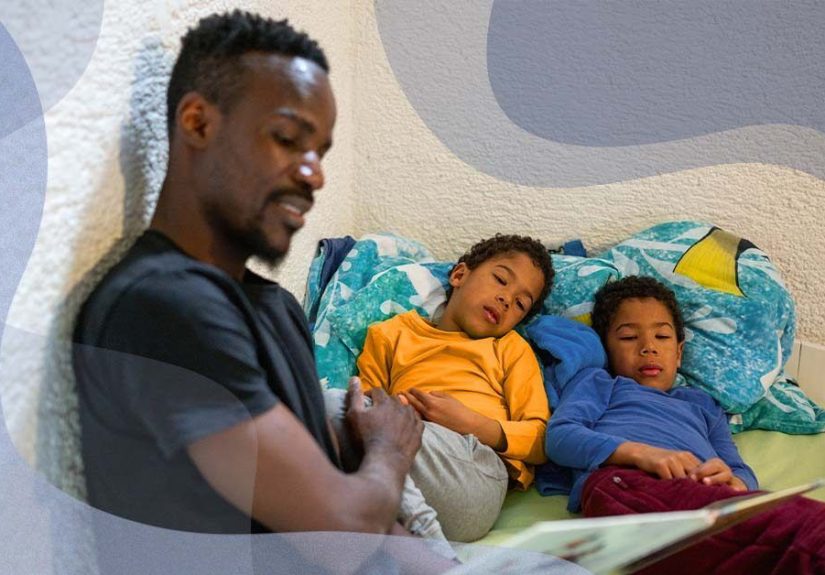
Routine works best when it’s consistent and realistic. Keep it short enough to maintain (20–40 minutes is a common sweet spot). Many autistic kids do well with visual
schedules (pictures or a checklist) so bedtime feels like a known sequence rather than a surprise plot twist.
Example routine (customize freely):
- Snack/water (if needed)
- Bathroom
- Pajamas (sensory-friendly)
- Brush teeth
- Two calming choices (story, quiet music, cuddle, gentle stretching)
- Lights out + a consistent “goodnight script”
Pro tip: If your routine has 14 steps and requires the alignment of planets, it won’t survive Tuesday. Aim for “repeatable,” not “Pinterest-worthy.”
Step 3: Make the bedroom sensory-smart
Think of the sleep environment as “supportive architecture.” It should reduce sensory stress, not add to it.
- Light: Keep it dark at night; use blackout curtains if early morning light triggers waking. Consider a dim, warm nightlight if total darkness is scary.
- Sound: White noise, a fan, or soft background sound can mask sudden noises.
- Temperature: Many people sleep better in a slightly cool room.
- Touch: Try tagless pajamas, seamless socks (or no socks), and bedding that feels “right.”
- Pressure tools: Some people find deep pressure calming (like a weighted blanket), but safety mattersuse only if the person can move it off easily and it’s appropriate for their age and health.
Step 4: Use behavioral tools (without turning bedtime into a wrestling match)
Behavioral sleep strategies are often first-line because they address the habits and associations that keep insomnia going. These approaches work best when they’re calm,
consistent, and paired with daytime support (stress reduction, physical activity, predictable schedules).
Helpful, autism-friendly strategies include:
-
“Fading” bedtime: Temporarily set bedtime closer to when sleep actually happens, then gradually move it earlier. This helps rebuild the association
between bed and sleep (instead of bed and negotiation). - Graduated reassurance: Brief, calm check-ins at increasing intervals. Keep it boring (this is not the time for a TED Talk).
- Positive reinforcement: Reward the behavior you want (“stayed in bed,” “used bedtime routine,” “tried to relax”), not just perfect sleep.
-
“Bedtime pass” for stalling: One “free pass” to come out for a quick need (water, bathroom). After it’s used, you gently guide back with minimal
interaction. This reduces repeated stalling without escalating.
Step 5: Support the circadian rhythm (the body clock loves morning light)
Circadian rhythms respond strongly to lightespecially bright light in the morning. If sleep timing is drifting later (or weekends reset everything), focus on:
- Consistent wake time (even after a rough night, as much as possible)
- Morning outdoor light within the first hour after waking (even 10–20 minutes can help)
- Dimmer evenings (lower lights 1–2 hours before bed)
- Electronics boundaries (ideally no screens for at least an hour before bed, or use strong blue-light reduction if screens are unavoidable)
Step 6: Plan for night waking
The goal is to make night waking as uninteresting and brief as possible while still feeling safe. Keep lights low, voices calm, and interactions minimal. If your child
wakes and wants to talk about Minecraft lore at 2:00 a.m., you can validate kindly and save the conversation for daytime: “We can talk in the morning.”
Melatonin and other supports: what to know
When melatonin is considered
Melatonin is a hormone involved in sleep-wake timing, and it’s commonly discussed for autistic children who have trouble falling asleepespecially when behavioral
strategies and a full sleep assessment aren’t enough. Many clinical resources emphasize that behavioral approaches come first, and melatonin (if used) should be guided by
a healthcare professionalparticularly for kids and teens.
Safety and quality matter (especially for kids)
Over-the-counter supplements aren’t regulated like prescription medications, and product quality can vary. If a clinician recommends melatonin, ask about:
appropriate timing (often before bedtime), the lowest effective dose, whether immediate-release vs. extended-release makes sense, and how long to use it.
Also discuss possible side effects (like morning grogginess, vivid dreams, headaches) and interactions with other medications. If a child has seizures, complex medical
conditions, or is on multiple medications, professional guidance is especially important.
What about magnesium, herbs, or “sleep gummies”?
Many products are marketed for sleep, but evidence varies widely. “Natural” does not automatically mean “safe,” especially for kids. If you’re considering any
supplement, talk to a pediatrician or pharmacist firstparticularly if the person takes other medications.
When to talk to a professional
Red flags that deserve medical attention
- Loud snoring, gasping, or pauses in breathing
- Significant daytime sleepiness or falling asleep in school
- Frequent nightmares/terrors with safety concerns
- Unusual nighttime events that could be seizures
- Persistent insomnia lasting weeks despite consistent routine changes
- Severe anxiety or mood symptoms around sleep
Who can help?
Start with a primary care clinician or pediatrician. Depending on the situation, they may refer you to a sleep specialist, ENT (for breathing concerns), behavioral
sleep psychologist, neurologist, or developmental-behavioral pediatrician. Evidence-based supports like parent training and CBT-I (adapted when needed) can be
especially helpful.
Experiences: what people often notice (and what actually helped)
Families often describe autism and sleep as a “moving target.” One week the bedtime routine works, the next week a tiny changenew pajamas, a different brand of soap,
a school schedule shiftsends sleep into chaos. That doesn’t mean the routine failed. It usually means the nervous system is reacting to a new variable.
Many caregivers say the biggest breakthrough was stopping the nightly guessing game. They picked a simple routine, wrote it down, and repeated it like a calm
script. Not in a robotic waymore like, “We’re not negotiating bedtime like it’s a hostage situation.” Some kids relaxed once bedtime became predictable. Others still
struggled, but the routine reduced the emotional intensity and helped everyone stay consistent.
Sensory adjustments come up again and again. People report that switching to softer sheets, removing itchy tags, using a fan for white noise, or blocking out blinking
LEDs made sleep feel less like “trying to nap in an airport.” For some, deep pressure (a snug blanket or a weighted option when safe) helped their body settle, even if
their mind needed extra time. Others found that pressure was too intenseproof that autism-friendly sleep solutions must be individualized.
Another common theme: the “second wind”. Many teens and adults describe feeling most awake late at night, especially if daytime demands were heavy.
They weren’t being defiant; they were finally decompressing. In those cases, what helped wasn’t forcing an earlier bedtime out of sheer willpower. It was shifting the
day: getting bright morning light, adding movement earlier, reducing late-night stimulation, and creating a “wind-down runway” (dim lights, predictable calming activity,
and a gentle off-ramp from screens).
Caregivers also mention the emotional side: bedtime can become a stage for worries. Some kids ask big questions at night (“What if I mess up tomorrow?”) because it’s the
first quiet moment all day. Families often report that a short “worry time” earlier in the eveningwrite it down, talk it out briefly, make a simple planreduced the
bedtime spiral. For non-speaking kids or those who struggle to identify feelings, visual supports (emotion cards, a simple 1–5 stress scale) made it easier to communicate
what was wrong without escalating.
Finally, many people say sleep improved most when they treated it like a skill-building project, not a character flaw. They celebrated small wins:
falling asleep 15 minutes faster, one fewer wake-up, or a calmer bedtime even if sleep wasn’t perfect yet. Over time, those small wins stacked uplike compound interest,
but for everyone’s sanity.
Conclusion: better sleep is a skill, not a personality trait
Autism and sleep can clash for real biological and sensory reasonsbut that doesn’t mean you’re stuck. Start with patterns (sleep log), build a predictable routine,
make the bedroom sensory-smart, and support the circadian rhythm with consistent wake times and morning light. If sleep problems persist or red flags appear, get help
earlybecause treating underlying medical issues and using evidence-based behavioral support can change everything.
And remember: the goal isn’t “perfect sleeper.” The goal is “better rested human,” one steady night at a time.






 Close
Close