
Table of Contents >> Show >> Hide
- The Short Answer: Accent Walls Are Not Dead, but the Basic Version Is
- Why Designers Started Turning Against Accent Walls
- What Designers Prefer Instead
- When an Accent Wall Still Works
- Accent Wall Ideas That Still Feel Fresh
- Accent Wall Mistakes Designers Want You to Avoid
- The Designer Verdict: Dead, Alive, or Dramatically Rebranded?
- Real-Life Experience: What Accent Walls Teach You Once You Actually Live With Them
- Conclusion
Note: This article synthesizes current U.S. interior-design reporting, designer commentary, paint-trend coverage, wallpaper guidance, and real-world decorating advice. Source links are intentionally omitted per request.
Accent walls have had a dramatic life. One minute they were the darling of weekend DIY projects, Pinterest boards, and “I only bought one gallon of paint” makeovers. The next minute, designers were quietly side-eyeing that lone navy wall behind the sofa like it had shown up to dinner in cargo shorts.
So, are accent walls dead? The honest answer is: the old-school accent wall is in serious trouble, but the idea behind it is very much alive. Designers are not necessarily against drama, color, wallpaper, texture, or a bold focal point. They are against lazy, random, lonely walls that look like someone got brave for exactly 47 minutes and then panicked.
Today’s best interiors are moving toward more intentional wall treatments: color drenching, wallpaper wrapping, architectural paneling, limewash, plaster, stone, wood, tile, and even decorated ceilings. In other words, the accent wall did not die. It went to design school, got a better haircut, and came back with opinions.
The Short Answer: Accent Walls Are Not Dead, but the Basic Version Is
If your idea of an accent wall is painting one wall dark gray in an otherwise white room and calling it “custom,” designers may gently ask you to step away from the roller. That style of accent wall became popular because it was inexpensive, fast, and low-risk. It gave homeowners a quick way to add color without committing to a whole room.
The problem is that many of those walls now feel disconnected from the rest of the space. Instead of creating rhythm, they interrupt it. Instead of looking intentional, they look like a leftover decision from 2012. Designers are especially tired of accent walls that do not connect to architecture, furniture placement, lighting, or the mood of the room.
However, a well-designed feature wall can still work beautifully. The key difference is purpose. A modern accent wall should frame something important, solve a design problem, add texture, or strengthen the story of the space. It should not just sit there shouting, “Look at me!” while the rest of the room pretends not to know it.
Why Designers Started Turning Against Accent Walls
They Can Make a Room Feel Choppy
One of the biggest complaints designers have about accent walls is that they can visually chop up a room. This is especially true in open-plan spaces, small bedrooms, and living rooms where the painted wall does not align with a natural focal point. A single bold wall can make the room feel unfinished, as if the design stopped halfway through.
For example, a bright green wall behind a bed might sound fun, but if the bedding, rug, curtains, and art do not support that color, the wall becomes a design island. And design islands, unlike tropical islands, are rarely relaxing.
They Often Look Like an Afterthought
A good room feels layered. The color palette, materials, furniture, lighting, art, and architectural details all talk to each other. A bad accent wall feels like someone entered the conversation late and started yelling.
Designers are pushing homeowners to think beyond “Which wall should be different?” and instead ask, “What is the room trying to become?” That shift matters. A wall treatment should support the entire design, not distract from it.
The Single Painted Wall Became Too Predictable
Accent walls were once exciting because they felt bold. Now, the classic formula has become familiar: three neutral walls, one saturated wall, maybe a plant in the corner doing emotional support. It is not terrible, but it is no longer fresh.
As homeowners become more comfortable with expressive interiors, designers are seeing less interest in one-wall color pops and more interest in immersive color, pattern, and texture. The result is richer, warmer, and more personal.
What Designers Prefer Instead
Color Drenching
Color drenching is one of the biggest reasons accent walls feel less exciting now. Instead of painting one wall, this approach wraps the entire room in color. Walls, trim, doors, built-ins, and sometimes ceilings are painted in the same shade or in closely related tones.
The effect is cozy, dramatic, and surprisingly sophisticated. A small office painted deep olive, a powder room wrapped in burgundy, or a bedroom covered in warm clay can feel more complete than a single accent wall ever could. Color drenching works especially well in smaller rooms because it removes visual breaks and creates a cocoon-like atmosphere.
Wallpaper Wrapping
Wallpaper accent walls are also being rethought. Designers increasingly prefer wallpaper on all walls of a room rather than one isolated wall. This is especially true in powder rooms, dining rooms, entryways, nurseries, and jewel-box bedrooms.
When wallpaper wraps the room, the pattern becomes an atmosphere instead of a poster. Grasscloth, botanical prints, vintage-inspired florals, scenic murals, stripes, and textured wallcoverings can all create depth. A single wallpaper wall can still work, but it has to feel deliberate, not like the homeowner ran out of courage or adhesive.
The Ceiling as the “Fifth Wall”
Designers are also looking up. Ceilings are becoming a major statement surface, and for good reason. A painted, wallpapered, lacquered, or wood-clad ceiling can add drama without breaking up the vertical flow of a room.
In a dining room, a moody ceiling can make evening meals feel intimate. In a bedroom, a soft blue or muted blush ceiling can create a restful canopy effect. In a powder room, wallpaper on the ceiling can deliver a delightful surprise. The ceiling is no longer just the place where builders put a light fixture and called it a day.
Architectural Wall Treatments
If paint alone feels too flat, designers are turning to texture. Picture frame molding, vertical wood slats, fluted paneling, beadboard, limewash, plaster, stone veneer, tile, and built-in shelving can all create a focal wall with more staying power than a simple paint color.
These treatments work because they add dimension. They give the room architecture, not just contrast. A wall of warm wood behind a bed, a plaster fireplace surround, or a paneled dining-room wall can feel timeless because it is based on craft and structure rather than a quick trend.
When an Accent Wall Still Works
When It Highlights Real Architecture
An accent wall can still be excellent when it emphasizes something that already matters. A fireplace wall, built-in bookcase wall, arched niche, headboard wall, or dining banquette wall can all benefit from special treatment. The wall already has a reason to be noticed; the color or material simply underlines it.
For instance, painting built-ins and the wall behind them in the same deep color can make a living room feel custom. Tiling the wall behind a freestanding tub can make a bathroom feel luxurious. Applying wallpaper behind open shelving can add charm without overwhelming a kitchen or pantry.
When It Adds Texture, Not Just Color
The most successful modern accent walls usually involve material. Wood, stone, plaster, tile, fabric panels, mural wallpaper, and grasscloth can bring warmth and depth. These choices feel less like a temporary color experiment and more like part of the room’s design language.
A plain black wall might feel harsh. A black limewash wall with subtle movement can feel soulful. A green painted wall might feel random. A green grasscloth wall behind a bed can feel tailored and calm. Texture changes everything.
When It Makes Sense in a Small Space
Small spaces are perfect places to take design risks. Powder rooms, mudrooms, reading nooks, home bars, laundry rooms, and compact offices can handle bold walls because they are contained. A dramatic wall treatment in a small room feels like a surprise, not a disruption.
This is why bathroom accent walls remain popular. Tile, wallpaper, or richly painted vanities can create a focal point without overwhelming the entire home. In a small bathroom, a bold wall behind the mirror or tub can feel polished and practical.
Accent Wall Ideas That Still Feel Fresh
1. A Built-In Bookcase Wall
Paint the shelves, trim, and back wall in one saturated color. Add warm lighting, books, art, and meaningful objects. This creates a layered focal point that feels personal rather than trendy.
2. A Textured Headboard Wall
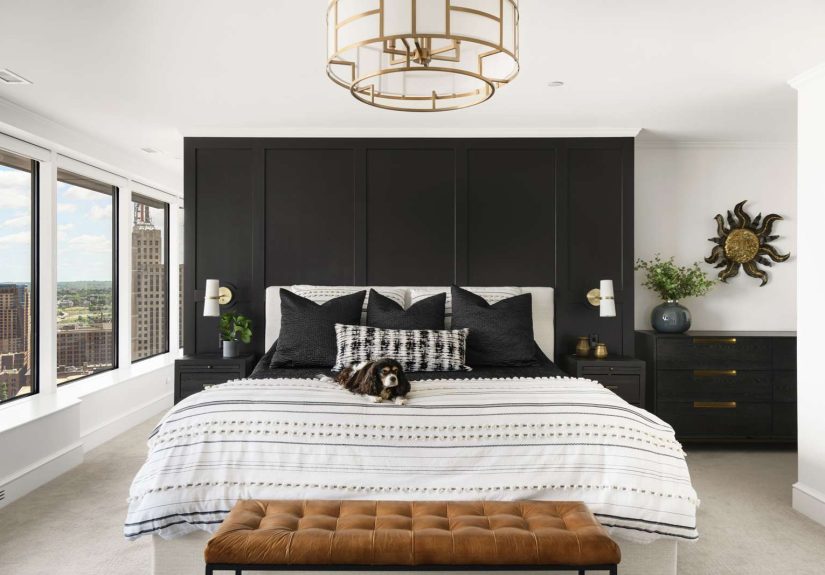
Instead of painting one wall behind the bed, consider upholstered panels, wood slats, limewash, or wallpaper that coordinates with the bedding. The goal is softness, depth, and calm.
3. A Fireplace Wall With Substance
Stone, tile, plaster, or full-height millwork can turn a fireplace into a true architectural anchor. This is a strong place for an accent wall because the fireplace already wants attention.
4. A Powder Room Wrapped in Drama
Go all in with wallpaper, dark paint, metallic details, or a painted ceiling. Powder rooms are tiny theaters. Let them perform.
5. A Dining Room With Color on Every Surface
Instead of one painted wall, consider a fully drenched dining room in aubergine, chocolate brown, smoky blue, or deep green. Add dim lighting and suddenly Tuesday pasta feels like a reservation.
Accent Wall Mistakes Designers Want You to Avoid
Choosing the Wall Randomly
Do not choose a wall just because it is blank. Choose the wall that has a reason to become a focal point. Usually, this is the bed wall, fireplace wall, built-in wall, vanity wall, or the first wall you see when entering the room.
Ignoring the Rest of the Palette
An accent wall should repeat or complement colors found elsewhere in the room. Pull from the rug, art, upholstery, tile, wood tones, or window treatments. If the wall color appears nowhere else, it may feel disconnected.
Using Trendy Patterns Without Commitment
Peel-and-stick wallpaper can be wonderful, but a trendy pattern on one wall can date quickly. Choose designs that connect to your actual style, not just whatever is currently having a social-media moment.
Stopping Too Soon
If one wall looks good, ask whether the ceiling, trim, doors, or nearby built-ins should join the party. Sometimes the difference between “nice” and “designer-level” is simply continuing the idea with confidence.
The Designer Verdict: Dead, Alive, or Dramatically Rebranded?
Accent walls are not dead. But the careless accent wall is absolutely on life support. Designers are not rejecting focal points; they are rejecting half-hearted ones. They want wall treatments that feel integrated, layered, and intentional.
The modern question is not “Should I have an accent wall?” It is “What does this room need?” If the room needs coziness, color drenching may be better. If it needs pattern, wallpaper wrapping may be stronger. If it needs architecture, paneling or built-ins may be the answer. If it needs a little drama in one specific location, then yes, an accent wall can still be fabulous.
Think of accent walls like statement jewelry. One sculptural cuff can look chic. A random plastic necklace from a gas station can ruin the outfit. The difference is intention.
Real-Life Experience: What Accent Walls Teach You Once You Actually Live With Them
Here is the thing about accent walls: they often look different after the first week. On day one, you are thrilled. You have transformed the room. You have taken a risk. You are basically one linen shirt away from becoming an interior designer. Then day eight arrives, and you notice whether the wall truly belongs.
In real homes, accent walls succeed when they solve something. I have seen a dark painted wall behind a bed make a plain rental bedroom feel grounded and cozy. The bed suddenly had presence. The art looked sharper. The lamps felt more intentional. That wall worked because it supported the room’s main function: rest.
I have also seen accent walls fail in spectacularly quiet ways. One living room had a bright teal wall behind a television, while every other element in the space was beige, black, and chrome. The wall was technically cheerful, but it made the TV area feel chaotic. Nothing repeated the teal. Nothing softened it. The wall did not look bold; it looked lonely.
The best experience-based advice is to test the idea before committing. Tape a large paint sample to the wall and watch it morning, afternoon, and night. Colors can shift dramatically with light. A rich olive can look elegant at sunset and muddy at noon. A warm terracotta can glow in one room and scream “pizza sauce” in another. Paint is emotional. It has moods.
Another practical lesson: furniture matters. An accent wall without furniture, lighting, or art often looks unfinished. If you paint the headboard wall, style the bed properly. If you wallpaper the dining wall, add sconces, a mirror, or artwork that makes the wall feel designed. If you create a wood-slat wall, make sure the rest of the room has enough softness so it does not feel like a boutique hotel lobby trying too hard.
Texture is usually the safer long-term bet. A painted accent wall may feel trendy faster than a wall with molding, grasscloth, plaster, or tile. Texture catches light, hides imperfections, and creates depth even when the color is subtle. In everyday life, that depth is what keeps a room interesting after the novelty wears off.
Renters can still play, too. Removable wallpaper, fabric panels, large-scale art, bookcases, curtains hung wall-to-wall, and peel-and-stick molding can create the feeling of an accent wall without permanent changes. The trick is to avoid anything that looks temporary from across the room. Temporary can still be tasteful. Your security deposit deserves beauty.
Finally, the biggest lesson is that confidence beats trend-chasing. If you love a deep blue bedroom wall and it makes you happy every night, keep it. If your powder room wallpaper makes guests gasp in the best way, enjoy your tiny masterpiece. Design trends are useful, but they are not laws. Your home should not feel like it is being held hostage by a committee of imaginary designers in expensive glasses.
So, are accent walls dead? The weak ones are. The random ones are. The “I had leftover paint” ones probably are. But the thoughtful onesthe walls with texture, purpose, proportion, and personalityare very much alive. They are just older, wiser, and no longer interested in being the only interesting thing in the room.
Conclusion
Accent walls are no longer the automatic answer for adding personality to a room. Designers are pushing for more complete, immersive, and intentional spaces. That means full-room color, wrapped wallpaper, decorated ceilings, architectural detail, natural materials, and layered texture are taking center stage.
Still, a great accent wall can absolutely work when it has a clear reason to exist. It should highlight architecture, support the room’s purpose, and connect to the broader design. The accent wall is not dead; it has simply evolved. And honestly, it needed the character development.






 Close
Close